


Skip to content
  • Facebook
  • X
  • Linkedin
  • WhatsApp
  • YouTube
  • Associate Journalism
  • About Us
  • Privacy Policy
  • 033-46046046
  • editor@artifex.news
Artifex.News

Artifex.News

Stay Connected. Stay Informed.

  • Breaking News
  • World
  • Nation
  • Sports
  • Business
  • Science
  • Entertainment
  • Lifestyle
  • Toggle search form
  • Access Denied
    Access Denied Nation
  • The Dutch delight against South Africa is second biggest upset in World Cup history | Data
    The Dutch delight against South Africa is second biggest upset in World Cup history | Data Sports
  • Access Denied Business
  • What Happens Next In South Korea After President Yoon’s Impeachment
    What Happens Next In South Korea After President Yoon’s Impeachment World
  • Access Denied Business
  • PM Narendra Modi in Bihar
    PM Narendra Modi in Bihar Nation
  • Maharashtra Government Declares Holiday On Dec 6: What’s Open, What’s Closed
    Maharashtra Government Declares Holiday On Dec 6: What’s Open, What’s Closed Nation
  • India’s industrial output grows 4.8% in July
    India’s industrial output grows 4.8% in July Business
How CIA, Mossad Used A Computer Virus To Dismantle Iran’s Nuclear Program

How CIA, Mossad Used A Computer Virus To Dismantle Iran’s Nuclear Program

Posted on September 21, 2024 By admin


Stuxnet did not confine itself to Iran. It spread to other countries, including India.

New Delhi:

It’s June, 2009. The streets of Tehran have erupted in protests over the results of a presidential election. The incumbent Mahmoud Ahmadinejad has emerged victorious with an overwhelming majority against Mir-Hossein Mousavi. Protesters alleged a fraudulent victory. Among them is a woman named Neda Agha-Soltan, who on her way to join the main protests, parked her car at some distance from the gathering and stepped out as the vehicle’s air conditioner was not working. As she breathed in the fresh air, a sniper belonging to a government-funded militia took aim and shot her square in the chest. She was dead.

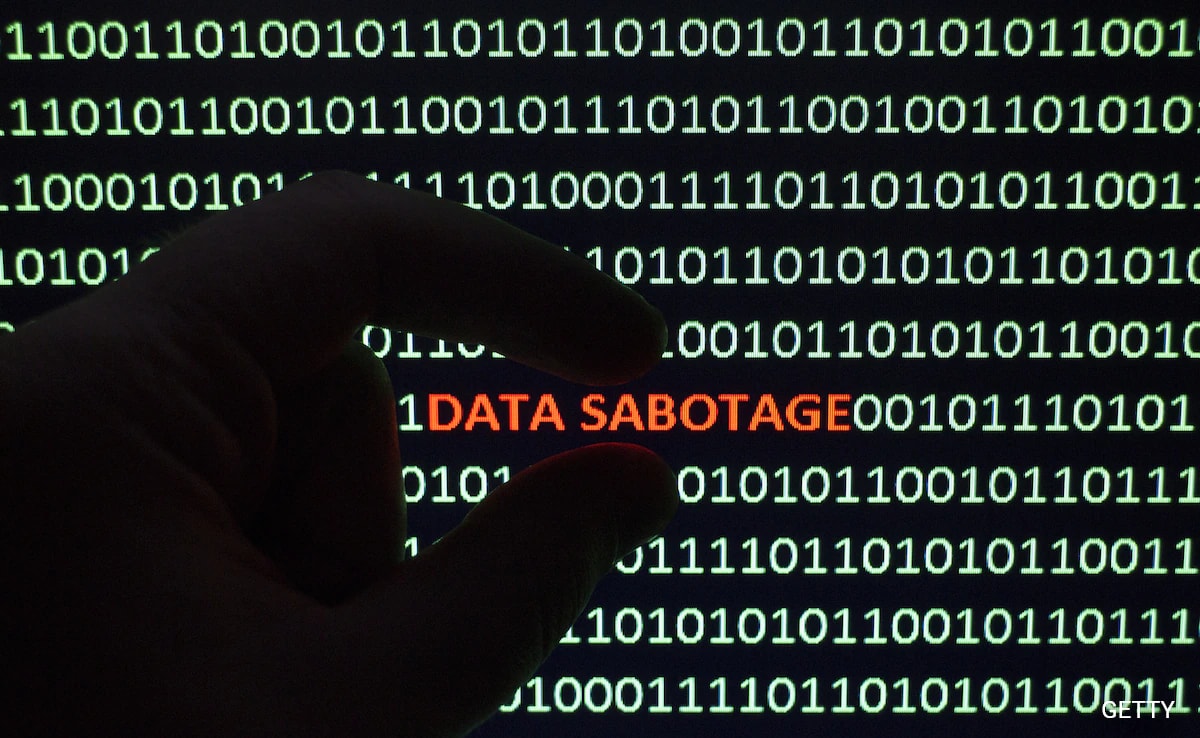
While this was unfolding in Tehran, around 300 kilometres to the south at the Natanz nuclear facility, the heart of Iran’s nuclear program – ‘strange’ things were happening. Just days after Neda’s death, the CIA reportedly received approval to initiate a cyber operation against this facility. The operation involved uploading a sophisticated piece of malware, known as Stuxnet, directly onto Iranian hardware. This malware had been in development for years, a collaborative effort between the United States and Israel, and represented the world’s first digital weapon.

Stuxnet: The Genesis

Stuxnet was not a new presence in Iran’s nuclear infrastructure; it had been causing disruptions for years. However, this new version was designed to deliver a decisive blow. 

The story of Stuxnet’s development and deployment began years earlier. The inception of Stuxnet can be traced back to the early 2000s, during a period of heightened tension between Iran and Western nations over Iran’s nuclear ambitions. The Bush administration, concerned about Iran’s potential to develop nuclear weapons, sought unconventional methods to impede Tehran’s progress. Thus, the covert operation codenamed ‘Olympic Games’ was born. This initiative, involving close collaboration between the CIA, the NSA, and Israel’s Mossad, aimed to create a digital weapon capable of physically disrupting Iran’s nuclear enrichment capabilities.

Stuxnet was not an ordinary piece of malware. Its design reflected a level of sophistication unprecedented in the realm of cyber weapons. The malware targeted Siemens Step7 software, used to control industrial equipment, specifically focusing on the centrifuges at Iran’s Natanz uranium enrichment facility. These centrifuges, essential for enriching uranium, operated at high speeds and required precise control to function correctly.

Stuxnet: The Execution

The US built a replica of Iran’s nuclear facility in its Oak Ridge facility in the state of Tennessee, where they meticulously studied the centrifuges to understand how to sabotage them without detection. In 2007, the first version of Stuxnet was released, targeting these centrifuges by preventing the release of pressure through the valves, causing the uranium gas to solidify and the centrifuges to spin out of control and ultimately self-destruct.

Latest and Breaking News on NDTV

Photo Credit: Oak Ridge National Laboratory

Iran’s nuclear facility was air-gapped, meaning its network was offline, so Stuxnet had to be introduced via an inside agent using a USB drive. The malware operated undetected, using a rootkit to hide its presence and stolen digital certificates to appear as legitimate commands. Despite its effectiveness, initial versions of Stuxnet only slowed Iran’s progress, and did not sabotage it entirely.

In response, US researchers developed a more aggressive version of Stuxnet, using four zero-day exploits and stolen private keys to sign its commands. This version could spread rapidly, even across air-gapped networks, and reprogram the centrifuges to destroy themselves while masking the sabotage as hardware malfunctions.

Stuxnet: The Implications

An insider at Natanz introduced this new version of Stuxnet, and it quickly spread throughout the facility’s network. However, its aggressive nature led to unintended consequences: the malware spread beyond Natanz, infecting computers across Iran and eventually the globe. The CIA, realising the uncontrollable spread of Stuxnet, decided to continue with the operation, hoping it would remain undetected within Natanz.

Latest and Breaking News on NDTV

Photo Credit: Google Earth

Their hopes were dashed when cybersecurity firm Symantec discovered Stuxnet and published a detailed report on the malware. Iran soon realised the extent of the cyber attack and took measures to protect their nuclear program. Despite the setbacks caused by Stuxnet, Iran vowed to continue its nuclear ambitions.

One of the earlier hints of Stuxnet’s existence emerged in June 2010 when a Belarusian cybersecurity firm discovered an unusual piece of malware on an Iranian computer. As cybersecurity experts from around the world began analysing the code, they were astounded by its complexity and purpose. 

Impact On Iran’s Nuclear Program

Stuxnet’s impact on Iran’s nuclear program was significant but not immediately catastrophic. By 2009, Iran had installed over 7,000 centrifuges at Natanz, but Stuxnet caused approximately 1,000 of these to fail. The disruptions forced Iran to temporarily halt its enrichment activities and replace the damaged equipment, delaying its nuclear ambitions by several months to years.

The Iranian government, initially oblivious to the cause of the centrifuge failures, eventually recognised the cyber intrusion. Publicly, Iran downplayed the impact of Stuxnet, but internally, it spurred significant investment in cybersecurity measures and the development of offensive cyber capabilities.

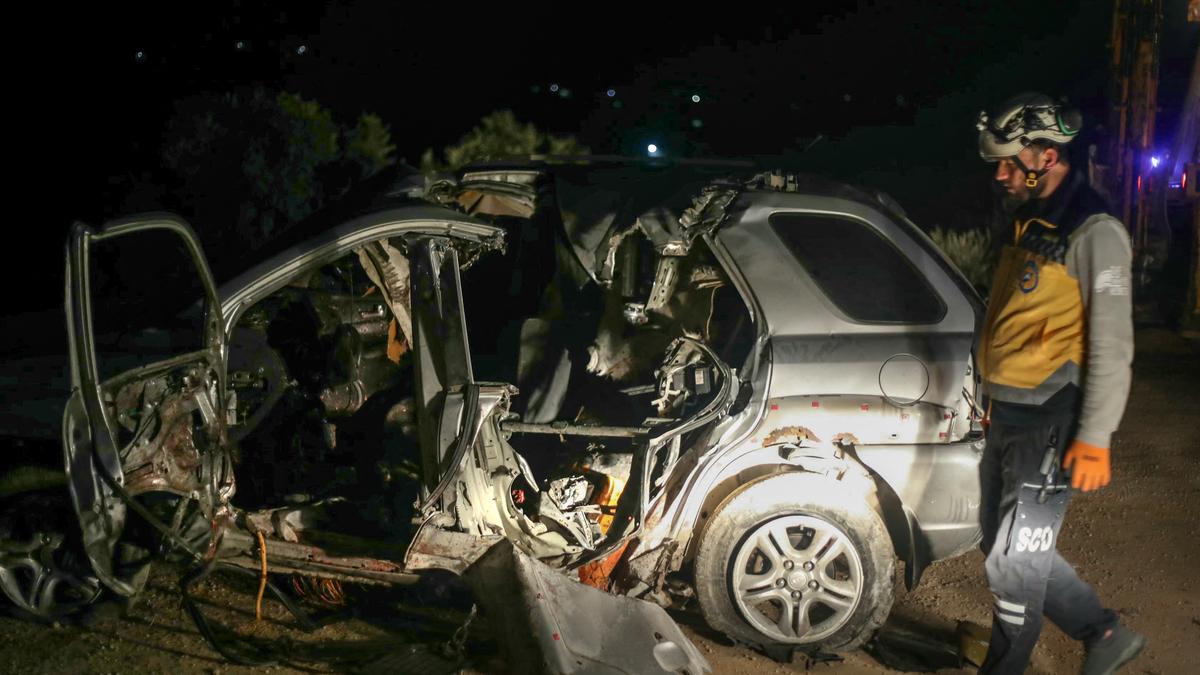
Over the following years, targeted assassinations of key Iranian nuclear scientists further crippled their program. Car bombings and other attacks eliminated many of the leaders involved, including the director of the Natanz facility.

Stuxnet: Global Fallout

Stuxnet did not confine itself to Iran. It spread to other countries, including India, Indonesia, and Pakistan, affecting industrial systems worldwide. In India, several critical infrastructure facilities,  reportedly infecting as many as 80,000 computers. Several power plants and manufacturing units were also found to be vulnerable to similar attacks.

In 2013, India adopted the National Cyber Security Policy which focused on “protection of information infrastructure and preservation of the confidentiality, integrity and availability of information in cyberspace”. The following year, the Centre announced the formation of the National Critical Information Infrastructure Protection Centre to further safeguard India’s cyber security space. 
 

Waiting for response to load…



Source link

World Tags:CIA, cia iran, cia mission, Cyber Warfare, Espionage, Hezbollah, hezbollah attack, Iran Natanz plant, iran nuclear, Iran nuclear accord, Iran nuclear activity, Iran Nuclear Agreement, Iran nuclear arms, iran nuclear bomb, Iran nuclear deal, Iran nuclear facility, Iran nuclear weapon, israel gaza, Israel Hamas, israel hezbollah, Israel Iran, israel iran attack, israel iran attacks, israel iran nuclear facilities, Israel Iran war, israel lebanon, Israel Mossad, Mossad, Natanz nuclear facility, Spy Ops, Stuxnet, Stuxnet virus

Post navigation

Previous Post: Mexican President blames the U.S. for bloodshed in Sinaloa as cartel violence surges
Next Post: Kerala-Born Man’s Name Comes Up In Pager Blasts Case. What Probe Reveals

Related Posts

  • Russian editor sentenced to eight years for criticising Ukraine campaign
    Russian editor sentenced to eight years for criticising Ukraine campaign World
  • “From One Indian To Another,” World Bank Chief’s Joke Leaves Modi, Macron In Splits In Brazil
    “From One Indian To Another,” World Bank Chief’s Joke Leaves Modi, Macron In Splits In Brazil World
  • Sri Lanka scraps plan to sell loss-making national airline
    Sri Lanka scraps plan to sell loss-making national airline World
  • Access Denied World
  • Modi’s visit getting entangled in Israel’s domestic politics
    Modi’s visit getting entangled in Israel’s domestic politics World
  • Bangladeshi Students Oversee Traffic Management As Cops Go On Strike
    Bangladeshi Students Oversee Traffic Management As Cops Go On Strike World

More Related Articles

Judges to hear arguments in Trump’s appeal of civil fraud verdict Judges to hear arguments in Trump’s appeal of civil fraud verdict World
Aid efforts struggle to bring relief to parts of hurricane-stricken Jamaica Aid efforts struggle to bring relief to parts of hurricane-stricken Jamaica World
Kuwait says six injured after Iranian attack on residential area Kuwait says six injured after Iranian attack on residential area World
Taiwan says China holds ‘combat’ patrol after latest U.S. arms sales Taiwan says China holds ‘combat’ patrol after latest U.S. arms sales World
China says it will ‘resolutely support’ Cuba against U.S. pressure China says it will ‘resolutely support’ Cuba against U.S. pressure World
Trump taps retired General Keith Kellogg for Ukraine envoy role Trump taps retired General Keith Kellogg for Ukraine envoy role World
SiteLock

Archives

  • May 2026
  • April 2026
  • March 2026
  • February 2026
  • January 2026
  • December 2025
  • November 2025
  • October 2025
  • September 2025
  • August 2025
  • July 2025
  • June 2025
  • May 2025
  • April 2025
  • March 2025
  • February 2025
  • January 2025
  • December 2024
  • November 2024
  • October 2024
  • September 2024
  • August 2024
  • July 2024
  • June 2024
  • May 2024
  • April 2024
  • March 2024
  • February 2024
  • January 2024
  • December 2023
  • November 2023
  • October 2023
  • September 2023
  • August 2023
  • July 2023
  • June 2023
  • May 2023
  • April 2023
  • March 2023
  • February 2023
  • January 2023
  • December 2022
  • November 2022
  • October 2022
  • September 2022
  • August 2022
  • July 2022
  • June 2022
  • May 2022

Categories

  • Business
  • Nation
  • Science
  • Sports
  • World

Recent Posts

  • Congress MLA-elects make a beeline for Indira Bhavan as AICC inches closer to announcing its Chief Minister pick for Kerala
  • Woman gang-raped in sleeper bus in New Delhi
  • Lebanon, Israel to hold new talks in U.S. as ceasefire nears end
  • Lionel Messi has two goals and an assist as Inter Miami rallies for 5-3 victory over Cincinnati
  • Cuba has run out of diesel and fuel oil amid U.S. oil blockade

Recent Comments

  1. Davidcag on UP Teacher Who Asked Students To Slap Muslim Classmate
  2. OrvalMaync on UP Teacher Who Asked Students To Slap Muslim Classmate
  3. Jeffreyroure on UP Teacher Who Asked Students To Slap Muslim Classmate
  4. Stevemonge on UP Teacher Who Asked Students To Slap Muslim Classmate
  5. RichardClage on UP Teacher Who Asked Students To Slap Muslim Classmate
  • Israel-Hezbollah truce: All you need to know about ceasefire agreement with infographics
    Israel-Hezbollah truce: All you need to know about ceasefire agreement with infographics World
  • Another Complaint Filed Against Sheikh Hasina In Bangladesh
    Another Complaint Filed Against Sheikh Hasina In Bangladesh World
  • Top Court Bar Body Chief Seeks President Intervention Over Electoral Bonds
    Top Court Bar Body Chief Seeks President Intervention Over Electoral Bonds Nation
  • Why a career in Data Science needs more than just technical skills
    Why a career in Data Science needs more than just technical skills Science
  • How Carvings Inside Ram Temple In Ayodhya Look
    How Carvings Inside Ram Temple In Ayodhya Look Nation
  • Access Denied Business
  • 18 US-Bound Migrants Killed, 27 Injured After Bus Overturns In Mexico
    18 US-Bound Migrants Killed, 27 Injured After Bus Overturns In Mexico World
  • Iran-Israel war LIVE: Israel launches fresh wave of strikes on Beirut, Tehran after attack by Hezbollah, IRGC
    Iran-Israel war LIVE: Israel launches fresh wave of strikes on Beirut, Tehran after attack by Hezbollah, IRGC World

Editor-in-Chief:
Mohammad Ariff,
MSW, MAJMC, BSW, DTL, CTS, CNM, CCR, CAL, RSL, ASOC.
editor@artifex.news

Associate Editors:
1. Zenellis R. Tuba,
zenelis@artifex.news
2. Haris Daniyel
daniyel@artifex.news

Photograher:
Rohan Das
rohan@artifex.news

Artifex.News offers Online Paid Internships to college students from India and Abroad. Interns will get a PRESS CARD and other online offers.
Send your CV (Subjectline: Paid Internship) to internship@artifex.news

Links:
Associate Journalism
About Us
Privacy Policy

News Links:
Breaking News
World
Nation
Sports
Business
Entertainment
Lifestyle

Registered Office:
72/A, Elliot Road, Kolkata - 700016
Tel: 033-22277777, 033-22172217
Email: office@artifex.news

Editorial Office / News Desk:
No. 13, Mezzanine Floor, Esplanade Metro Rail Station,
12 J. L. Nehru Road, Kolkata - 700069.
(Entry from Gate No. 5)
Tel: 033-46011099, 033-46046046
Email: editor@artifex.news

Copyright © 2023 Artifex.News Newsportal designed by Artifex Infotech.