

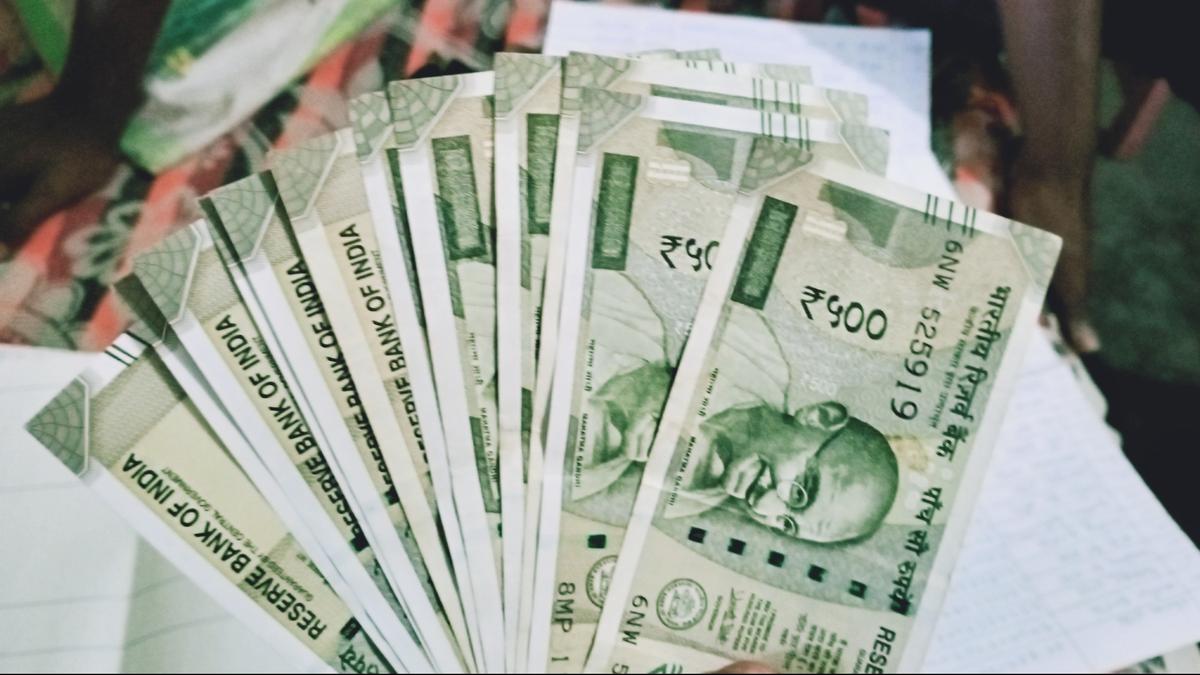
Image used for representation purpose only.
| Photo Credit: Getty Images/iStockphoto
The rupee settled 24 paise lower at 92.44 (provisional) against the U.S. dollar on Thursday (November 26, 2026), facing resistance due to higher crude oil prices and fear of additional U.S. tariffs.
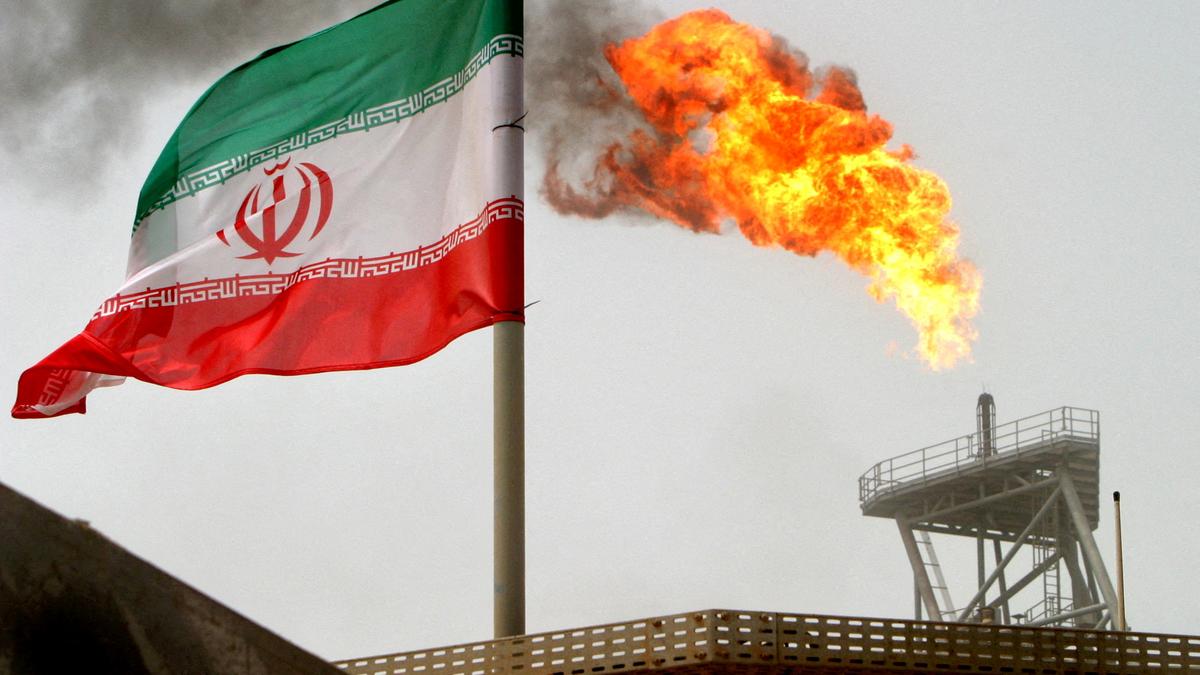
Forex traders said foreign fund inflows favoured the Indian currency, even though crude oil prices reversed easing trend, hovering near the $95-per-barrel level.
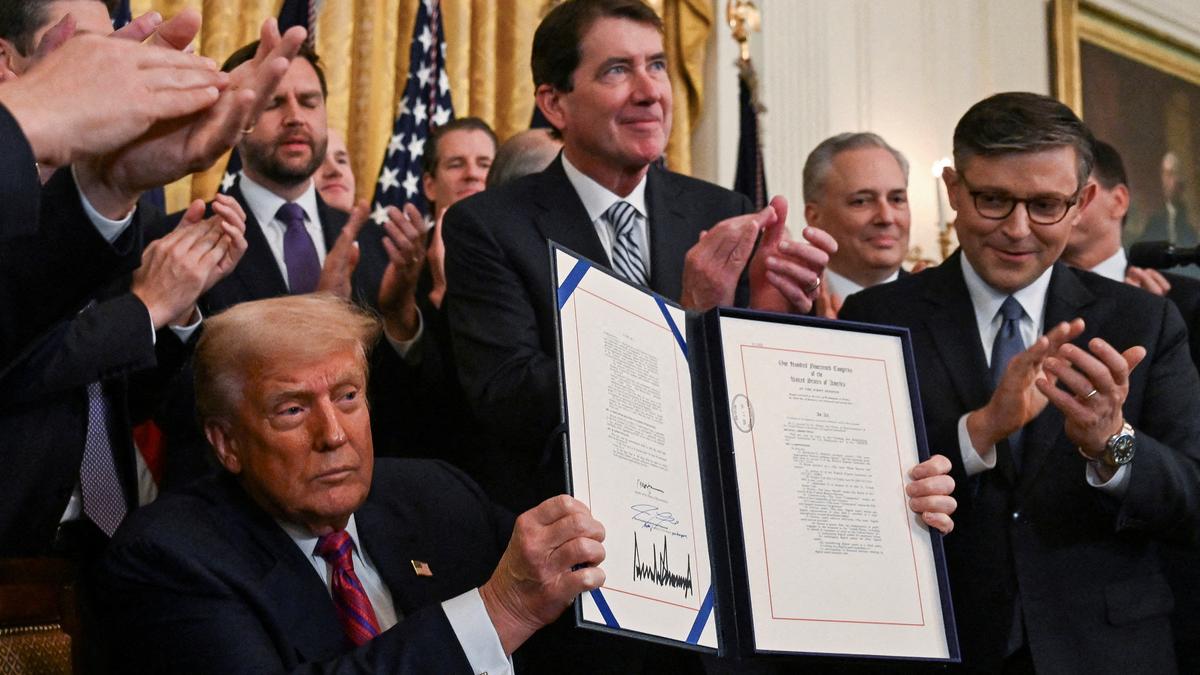
They also said the Donald Trump administration’s latest proposal to escalate the trade war with major trading partners raised inflation fears.
The US on Wednesday proposed 25% tariffs on imports from India, with a provision to cap them at 17% if the two countries agree to a bilateral trade deal, giving it a slight edge over Asian competitors.
The proposed tariffs followed investigations by the U.S. Trade Representative into 16 economic jurisdictions. The USTR investigation report accused India of engaging in a range of acts, policies, and practices that create, maintain, or contribute to structural excess capacity and production.
India rejected the allegation and said the country is committed to working closely with the U.S. for an early conclusion of a bilateral trade agreement.
In the interbank foreign exchange market, the rupee opened at 92.50 and moved between the range of 92.31 and 92.66 against the greenback during the session. The unit finally settled at 92.44 (provisional) against the dollar, registering a loss of 24 paise from its previous close.
On Wednesday, the rupee jumped 65 paise to settle at 92.20, the highest level this fiscal year so far. The level was compared to the closing mark of 92.28 against the greenback recorded on March 16.
The Indian currency has recovered nearly 5% compared to its lowest-ever closing mark of 96.88 versus the U.S. dollar seen on October 8.
Commenting on Thursday’s (November 26, 2026) fall, Rajeev Sharan, Head of Research, Brickwork Ratings, said, “Two pressures surfaced together: Brent crude climbed back above $95 a barrel, and Washington proposed tariffs of up to 25% on Indian goods. The fine print is less severe than the headline. A bilateral trade deal capping duties at 17% would still give India a slight edge over Asian competitors. The mild reaction suggests the market sees the proposal as an opening position in talks.”
Sharan added that a slight pullback in the rupee provides a natural cushion for exporters who are facing both a firmer currency and tariff risk.
Meanwhile, the dollar index, which gauges the greenback’s strength against a basket of six currencies, was at 103.70, higher by 0.09 per cent.
Brent crude, the global oil benchmark, was trading 0.86% lower at $93.80 per barrel in futures trade.
Published – November 26, 2026 03:58 pm IST