



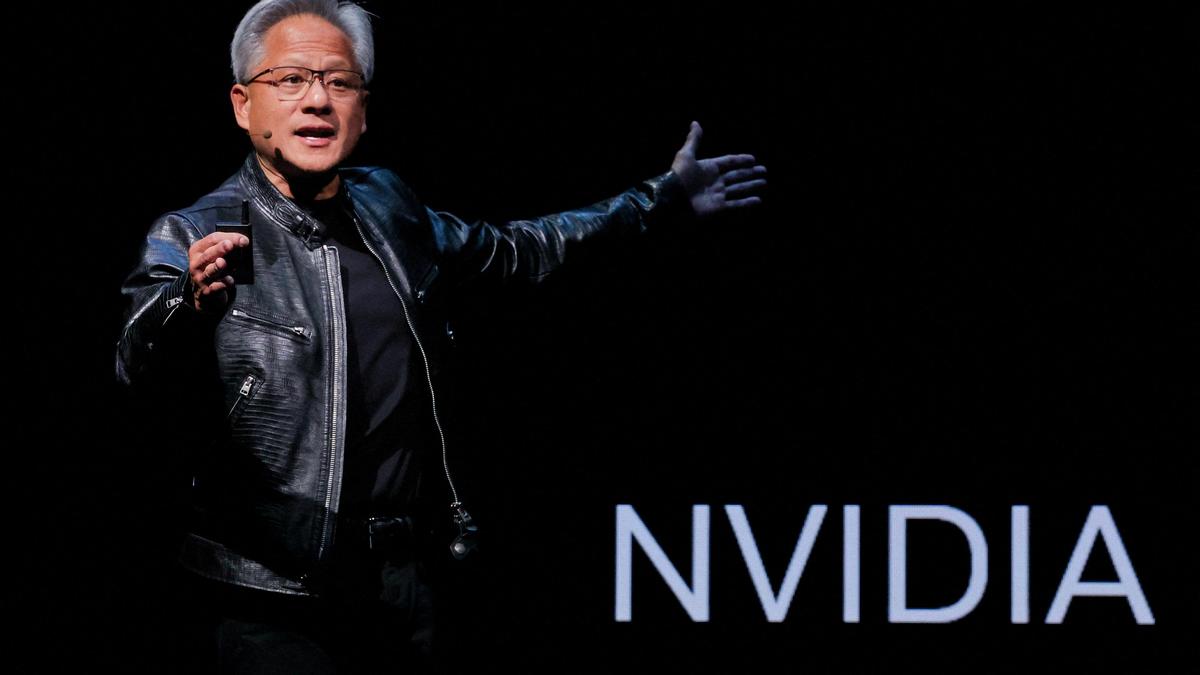
Jensen Huang’s return as CEO of Nvidia brings into focus a larger corporate leadership dilemma: what happens when an organisation becomes so dependent on one individual that replacing him becomes virtually impossible?
Irrespective of whether U.S. President Donald Trump’s involvement influenced the decision or the board acted independently, the rare reinstatement raises questions about succession readiness and how boards approach leadership transitions, according to analysts.
Explaining why some leaders become indispensable even in professionally managed organisations, Ronesh Puri, Managing Director, Executive Access, a leadership advisory and executive search firm, said every leader is replaceable, but organisations can begin to believe otherwise when an individual delivers exceptional results over an extended period.
“This can create a sense of indispensability, where the leader begins to be seen as larger than the organisation itself,” he said.
Drawing an analogy with a banyan tree under which nothing grows, Mr. Puri observed: “When a leader becomes larger than life, other capable individuals often don’t get the space or opportunity to develop and emerge.”
Over time, this creates excessive dependence on one individual, making leadership transitions difficult despite considerable institutional talent and depth.
Succession planning, he argued, must go beyond identifying potential successors to actively preparing them through grooming, coaching, mentoring and opportunities to shoulder meaningful responsibilities. It must also balance immediate business performance with long-term leadership development and organisational values.

On ensuring continuity, Mr. Puri said boards have a critical role in creating an environment where emerging leaders can grow, particularly when incumbent leaders are reluctant to encourage potential competition.
“Organisations must consciously build a strong leadership pipeline rather than allow leadership capability to remain concentrated around a few individuals,” he said.
He advocated identifying successors across three time horizons: those who can step in immediately, those ready within one to two years, and leaders who can be groomed over four to five years.
Commenting on the implications of Nvidia’s reinstatement, Francis Padamadan, CEO, Xphone, a specialist staffing firm, said highly governed companies generally have well-defined internal succession plans that prevent founders and CEOs from holding enterprises hostage. However, Nvidia’s case is an exception.

S&P 500 companies reporting CEO changes in 2025 and 2026 recorded internal succession rates of 73% and 88%, respectively, demonstrating their preparedness, he said.
“Nvidia is an exception and maybe too big to fail in the current AI ecosystem, prompting the reinstatement. It’s obvious that the USA’s AI ecosystem needs Nvidia and Jensen at the helm,” Mr. Padamadan said.
“Overall the events at Nvidia are a masterclass on how single-point failures can cripple large companies without succession, and how convenience-based decision-making can be made an acceptable narrative,” he added.
Published – November 24, 2026 09:09 pm IST