



A thick grey haze hung over Delhi on Monday (November 9, 2026) morning, a day after Deepavali, reducing visibility and pushing the city’s Air Quality Index (AQI) to 370 — almost in the ‘severe’ category.
Also Read: Delhi AQI: What is PM2.5 and the row over air pollution data post Deepavali?
DTU and Burari Crossing monitoring stations recorded the worst air quality, with an AQI of 437 each. Four other stations recorded ‘poor’ air quality, while the remaining stations were in the ‘very poor’ category.

According to the Central Pollution Control Board (CPCB), an AQI between 0 and 50 is classified as ‘good’, 51 and 100 as ‘satisfactory’, 101 and 200 as ‘moderate’, 201 and 300 as ‘poor’, 301 and 400 as ‘very poor’, and 401 and 500 as ‘severe’.
The air quality remained ‘severe’ in several areas, including Bawana, Burari, Jahangirpuri, Sonia Vihar, Punjabi Bagh, Okhla, and Rohini.
According to the Air Quality Early Warning System, Delhi’s air quality is likely to slip into the ‘severe’ category during the day and remain there over the subsequent few days.
Unfavourable meteorological conditions, vehicular emissions and stubble burning in neighbouring states are likely to contribute to the deterioration.

A ventilation index below 6,000 square metres per second, coupled with an average wind speed of less than 10 kmph, is unfavourable for the effective dispersion of pollutants, according to the Air Quality Early Warning System.

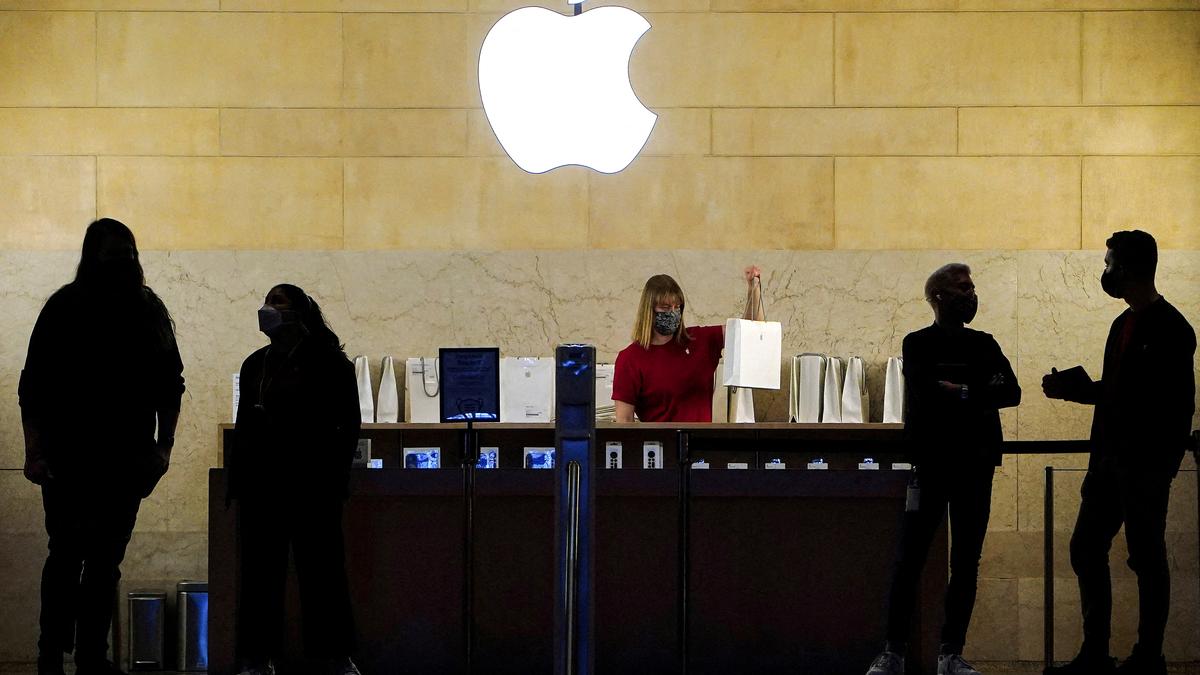
People commute during early morning hours after Diwali night in New Delhi on November 9, 2026.
| Photo Credit:
Shashi Shekhar Kashyap
On Deepavali night, firecrackers were burst across the capital, despite restrictions on their use. Twenty monitoring stations recorded ‘severe’ air quality, with Sonia Vihar registering the worst AQI at 463, followed by Jahangirpuri at 450.
The city’s average AQI settled at 376 on Sunday (November 8). Of the 59 monitoring stations that recorded data at 10 p.m. on Diwali, 20 were in the ‘severe’ category, six in the ‘poor’ category and the remaining 33 in the ‘very poor’ category.

Firecracker bursting picked up from around 5-6 p.m. on Sunday (November 8), including in Pitampura, Burari, Mayur Vihar and parts of Lutyens’ Delhi. As celebrations gathered pace through the evening, smoke accumulated over roads and residential neighbourhoods.
Residents in several areas reported a strong smell of burnt crackers, reduced visibility and difficulty breathing as fireworks continued through the night.
Pollution 66 times WHO limits
As Delhiites burst firecrackers well past the 10 p.m. deadline set by the Supreme Court for Deepavali night, PM2.5 levels in parts of the city soared to 66 times the World Health Organization’s (WHO) recommended 24-hour guideline, before gradually declining in the early hours of Monday, according to official data.
Data was unavailable for several hours at multiple stations, including Anand Vihar, R.K. Puram, and Bawana, according to the DPCC website. Data from some other stations had also not been updated since Sunday (November 8) night.
The Delhi Government, ahead of Deepavali, had appealed to people to comply with the Supreme Court’s directions on sale and use of green firecrackers.
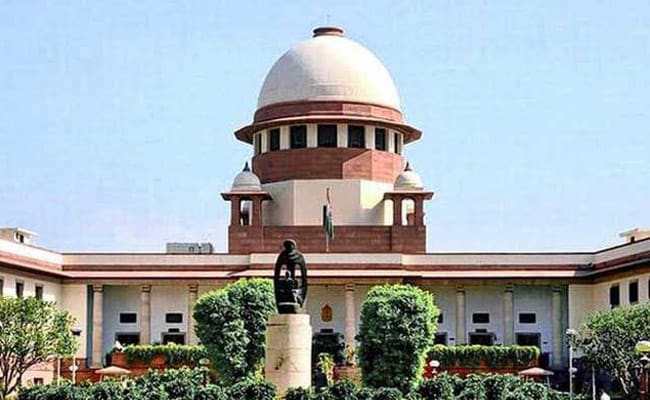
The top court, on November 2, while permitting the manufacture, sale, and bursting of approved firecrackers, subjected it to specific timings for Deepavali night and directed to restore the complete ban on November 9.
(with inputs from PTI)
Published – November 09, 2026 08:00 am IST