
Skip to content
  • Facebook
  • X
  • Linkedin
  • WhatsApp
  • YouTube
  • Associate Journalism
  • About Us
  • Privacy Policy
  • 033-46046046
  • editor@artifex.news
Artifex.News

Artifex.News

Stay Connected. Stay Informed.

  • Breaking News
  • World
  • Nation
  • Sports
  • Business
  • Science
  • Entertainment
  • Lifestyle
  • Toggle search form
  • Woman Jumps From Building After Fight With ‘Boyfriend’, Dies: UP Cops
    Woman Jumps From Building After Fight With ‘Boyfriend’, Dies: UP Cops Nation
  • Parveen Kumar Features Among Top Wicket Takers As Falcon Risers Hyderabad End ISPL Season 2 On A High
    Parveen Kumar Features Among Top Wicket Takers As Falcon Risers Hyderabad End ISPL Season 2 On A High Sports
  • Human Remains Discovered On Mount Everest May Belong To Climber Missing For 100 Years
    Human Remains Discovered On Mount Everest May Belong To Climber Missing For 100 Years World
  • Access Denied
    Access Denied Nation
  • “Grave Error If…”: Dinesh Karthik’s Fiery Message To Gambhir, Rohit On Varun Chakravarthy
    “Grave Error If…”: Dinesh Karthik’s Fiery Message To Gambhir, Rohit On Varun Chakravarthy Sports
  • New scheme to triple those with access to top journals
    New scheme to triple those with access to top journals Science
  • Access Denied World
  • Access Denied Sports
The Hindu profiles on Popular Mobilisation Forces

The Hindu profiles on Popular Mobilisation Forces

Posted on October 3, 2026 By admin


On June 13, 2014, Grand Ayatollah Ali Sistani, Iraq’s top Shia cleric, issued a fatwa asking Iraqis to join the fight against terrorism. “The nature of the situation and the dangers facing Iraq and its people at the present time require defending the country, its people and the honour of its citizens,” said the cleric in his edict, which was read out by his representative Sheikh Abdul-Mahdi al-Karbalai, during Friday prayers in Karbala.

Mr. Sistani’s call came amid the rapid territorial advances made by the Islamic State (IS), a Sunni-jihadist group, in Iraq. On June 10, IS militants captured Mosul, Iraq’s second-largest city. After consolidating in the north, they started moving south towards Baghdad, while also threatening Shia holy places such as Najaf and Karbala. In the north, the Iraqi military collapsed in the face of IS advance. There was panic in Baghdad, where Prime Minister Nouri al-Maliki was scrambling to arrest the jihadist surge. “This defence is considered a wajib kifai [collective obligation] upon a sufficient number of citizens as is needed to fulfil the task,” Mr. Sistani said in his fatwa. “Hence, the citizens who are able to bear arms and fight the terrorists in defence of their country, their people and their sanctities must volunteer to join the army and the security forces to achieve this sacred objective.”

The edict triggered the mobilisation of hundreds of thousands of Iraqi youth to fight the Islamic State. But the mobilisation did not remain confined to the army and police. Shia militias expanded and new armed groups emerged, eventually forming the core of the Popular Mobilisation Forces (PMFs, or Hashd al-Shaabi).

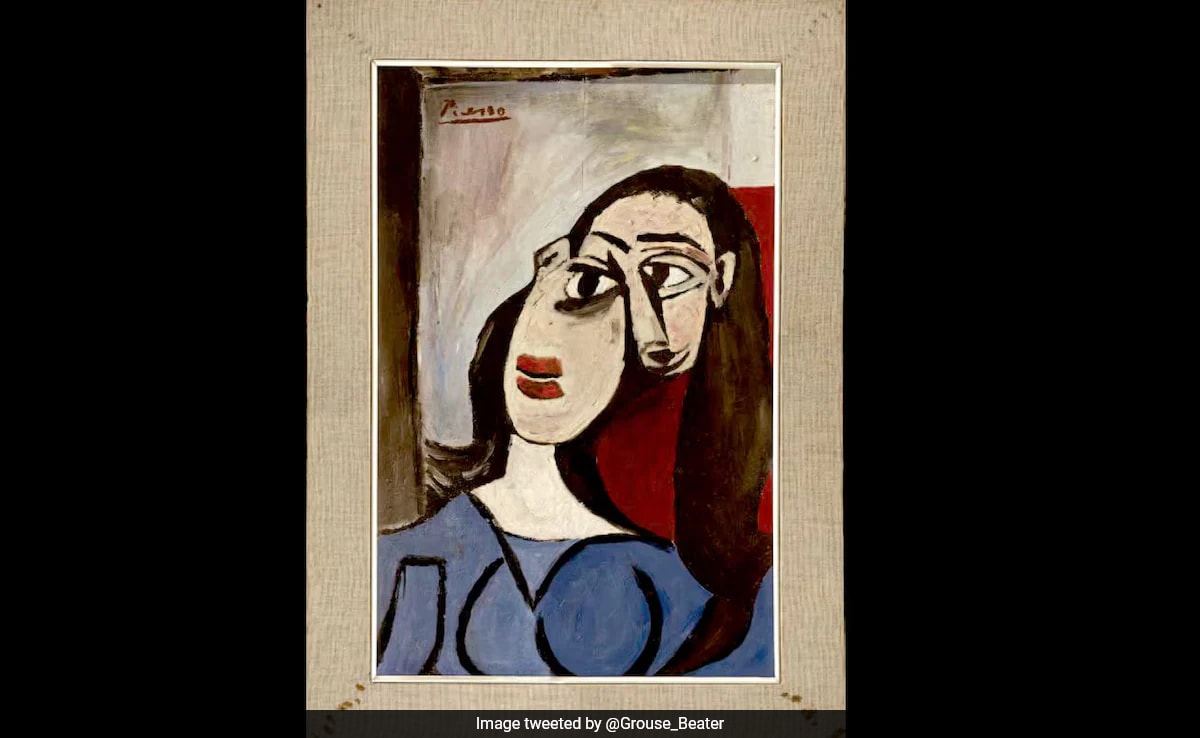
The Iraqi state, shaken by the loss of Mosul, encouraged the militias to expand their footprint, while Iran, equally invested in defeating the IS, provided money, weapons and training to the militias. Seven groups were already operating in Iraq – Badr Organisation; Asaib Ahl al-Haq; Kataib Hezbollah; Kataib Sayyid al-Shuhada; Harakat Hezbollah al-Nujaba; Kataib Jund al-Imam; and Kataib al-Imam Ali. Several new groups also sprang up. All these forces were brought under the PMF umbrella for better coordination in the fight against the Islamic State.

The PMF factions, which fought alongside the Iraqi military under U.S. air cover, played a key role in defeating the IS. But the battle against the jihadist group also led to the institutionalisation of the militias, which refused to disarm even after the IS was defeated and its militants were driven out of most Iraqi cities, including Mosul. Calling themselves resistance forces, the prominent factions in the PMF demanded complete American withdrawal from Iraq. The killing of Abu Mahdi al-Muhandis, the deputy chairman of the PMF and leader of Kataib Hezbollah, in January 2020, along with Iran’s Qassem Soleimani, in Baghdad by a U.S. air strike opened a new phase of attritional conflict between the PMF and U.S. forces in Iraq. This conflict escalated further after the U.S. launched its war on Iran this year. On September 30, when U.S. troops completed their withdrawal from Iraq, 23 years after the invasion started, the PMF, unsurprisingly, called it a “historic victory”.

Three currents

The PMF now comprises more than three dozen militias, with an estimated total strength of 240,000 fighters and an annual budget of $3.4 billion. Historically, the PMF contained three broad currents: Iran-aligned factions, Sistani-aligned shrine units and the Sadrist Saraya al-Salam. The Sistani-aligned shrine units (Abbas Combat Division, Liwa Ali al-Akbar and Imam Ali Combat Division) subsequently broke away from the PMF structure in 2020 and came under the direct authority of the commander-in-chief.

Badr Organisation, originally the armed wing of the Supreme Council for the Islamic Revolution in Iraq; Kataib Hezbollah and Harakat Hezbollah al-Nujaba are the prominent Iran-backed factions within the PMF fold. They are also the most powerful among the militias. The most prominent Sadrist militia is Saraya al-Salam (Peace Brigades), which is aligned with the PMF but maintains a tense relationships with its command. Muqtada al-Sadr, a Shia cleric, is one of the most influential religious-political figures in post-war Iraq. He had commanded the now-dissolved Mahdi Army that resisted U.S. troops in the early days of the invasion. The Mahdi Army had received support from Iran, but Mr. Sadr later distanced himself from Iranian influence and projected Saraya al-Salam as an Iraqi nationalist militia.

The U.S. had repeatedly demanded that the Iraqi state demobilise the militias, some of which, such as Kataib Hezbollah, have been designated as terrorist groups. But both mainstream Iraqi politicians and militia commanders have resisted such calls. In 2016, the Iraqi Parliament passed the PMF commission law, which institutionalised the PMF as an independent organisation within the Iraqi armed forces.

But they continued to maintain their independent command structures. The prominent members of the PMF also formed political parties and started contesting elections. In 2018, Badr Organization, Asaib Ahl al-Haq, Kataib Hezbollah and Kataib al-Imam Ali all came together to form the Fatah Alliance, a political coalition to represent the militias in the general elections (the alliance was later disbanded). Besides, the Sadrist movement has a separate political organisation, the National Shia Movement. In the current Iraqi parliament, Badr Organisation has 18 seats, while Sadiqoun Movement, another PMF-linked political bloc, has 27 seats.

The war on Iran

After the U.S. and Israel started bombing Iran on February 28, 2026, the Iran-aligned militias in the PMF started attacking American military and diplomatic facilities in Iraq. According to U.S. officials, they carried out some 600 attacks since the war broke out and the U.S. launched air strikes targeting these groups. But the U.S. found it increasingly difficult to deter PMF factions whose decentralised operational tactics and geographical spread worked in their favour. Iraqi Prime Minister Ali al-Zaidi had said earlier that the militias would be demobilised by September 30, the deadline for U.S. troops withdrawal. After the U.S. troops completed their pullback, Mr. Zaidi said the process of demobilisation had begun, and pushed the deadline to June 2027. Some militias such as Kataib Imam Ali and Saraya al-Salam have reached an understanding with the government to hand over weapons and regularise their status. But the more powerful ones such as Kataib Hezbollah and Nujaba have resisted the calls for disarmament, saying the Islamic resistance would continue as long as American military presence in the region continues.

Both the U.S. and the militias have agreed to refrain from attacking each other for 90 days following the withdrawal of U.S. troops, according to Iraqi officials. But with the war on Iran unresolved and some PMF factions deeply entangled with Iran, any escalation between Tehran and Washington could have a direct impact on Iraq.

Published – October 04, 2026 02:02 am IST


Source link

World
The Hindu profiles on Popular Mobilisation Forces

The Hindu profiles on Popular Mobilisation Forces

Posted on October 3, 2026 By admin


On June 13, 2014, Grand Ayatollah Ali Sistani, Iraq’s top Shia cleric, issued a fatwa asking Iraqis to join the fight against terrorism. “The nature of the situation and the dangers facing Iraq and its people at the present time require defending the country, its people and the honour of its citizens,” said the cleric in his edict, which was read out by his representative Sheikh Abdul-Mahdi al-Karbalai, during Friday prayers in Karbala.

Mr. Sistani’s call came amid the rapid territorial advances made by the Islamic State (IS), a Sunni-jihadist group, in Iraq. On June 10, IS militants captured Mosul, Iraq’s second-largest city. After consolidating in the north, they started moving south towards Baghdad, while also threatening Shia holy places such as Najaf and Karbala. In the north, the Iraqi military collapsed in the face of IS advance. There was panic in Baghdad, where Prime Minister Nouri al-Maliki was scrambling to arrest the jihadist surge. “This defence is considered a wajib kifai [collective obligation] upon a sufficient number of citizens as is needed to fulfil the task,” Mr. Sistani said in his fatwa. “Hence, the citizens who are able to bear arms and fight the terrorists in defence of their country, their people and their sanctities must volunteer to join the army and the security forces to achieve this sacred objective.”

The edict triggered the mobilisation of hundreds of thousands of Iraqi youth to fight the Islamic State. But the mobilisation did not remain confined to the army and police. Shia militias expanded and new armed groups emerged, eventually forming the core of the Popular Mobilisation Forces (PMFs, or Hashd al-Shaabi).

The Iraqi state, shaken by the loss of Mosul, encouraged the militias to expand their footprint, while Iran, equally invested in defeating the IS, provided money, weapons and training to the militias. Seven groups were already operating in Iraq – Badr Organisation; Asaib Ahl al-Haq; Kataib Hezbollah; Kataib Sayyid al-Shuhada; Harakat Hezbollah al-Nujaba; Kataib Jund al-Imam; and Kataib al-Imam Ali. Several new groups also sprang up. All these forces were brought under the PMF umbrella for better coordination in the fight against the Islamic State.

The PMF factions, which fought alongside the Iraqi military under U.S. air cover, played a key role in defeating the IS. But the battle against the jihadist group also led to the institutionalisation of the militias, which refused to disarm even after the IS was defeated and its militants were driven out of most Iraqi cities, including Mosul. Calling themselves resistance forces, the prominent factions in the PMF demanded complete American withdrawal from Iraq. The killing of Abu Mahdi al-Muhandis, the deputy chairman of the PMF and leader of Kataib Hezbollah, in January 2020, along with Iran’s Qassem Soleimani, in Baghdad by a U.S. air strike opened a new phase of attritional conflict between the PMF and U.S. forces in Iraq. This conflict escalated further after the U.S. launched its war on Iran this year. On September 30, when U.S. troops completed their withdrawal from Iraq, 23 years after the invasion started, the PMF, unsurprisingly, called it a “historic victory”.

Three currents

The PMF now comprises more than three dozen militias, with an estimated total strength of 240,000 fighters and an annual budget of $3.4 billion. Historically, the PMF contained three broad currents: Iran-aligned factions, Sistani-aligned shrine units and the Sadrist Saraya al-Salam. The Sistani-aligned shrine units (Abbas Combat Division, Liwa Ali al-Akbar and Imam Ali Combat Division) subsequently broke away from the PMF structure in 2020 and came under the direct authority of the commander-in-chief.

Badr Organisation, originally the armed wing of the Supreme Council for the Islamic Revolution in Iraq; Kataib Hezbollah and Harakat Hezbollah al-Nujaba are the prominent Iran-backed factions within the PMF fold. They are also the most powerful among the militias. The most prominent Sadrist militia is Saraya al-Salam (Peace Brigades), which is aligned with the PMF but maintains a tense relationships with its command. Muqtada al-Sadr, a Shia cleric, is one of the most influential religious-political figures in post-war Iraq. He had commanded the now-dissolved Mahdi Army that resisted U.S. troops in the early days of the invasion. The Mahdi Army had received support from Iran, but Mr. Sadr later distanced himself from Iranian influence and projected Saraya al-Salam as an Iraqi nationalist militia.

The U.S. had repeatedly demanded that the Iraqi state demobilise the militias, some of which, such as Kataib Hezbollah, have been designated as terrorist groups. But both mainstream Iraqi politicians and militia commanders have resisted such calls. In 2016, the Iraqi Parliament passed the PMF commission law, which institutionalised the PMF as an independent organisation within the Iraqi armed forces.

But they continued to maintain their independent command structures. The prominent members of the PMF also formed political parties and started contesting elections. In 2018, Badr Organization, Asaib Ahl al-Haq, Kataib Hezbollah and Kataib al-Imam Ali all came together to form the Fatah Alliance, a political coalition to represent the militias in the general elections (the alliance was later disbanded). Besides, the Sadrist movement has a separate political organisation, the National Shia Movement. In the current Iraqi parliament, Badr Organisation has 18 seats, while Sadiqoun Movement, another PMF-linked political bloc, has 27 seats.

The war on Iran

After the U.S. and Israel started bombing Iran on February 28, 2026, the Iran-aligned militias in the PMF started attacking American military and diplomatic facilities in Iraq. According to U.S. officials, they carried out some 600 attacks since the war broke out and the U.S. launched air strikes targeting these groups. But the U.S. found it increasingly difficult to deter PMF factions whose decentralised operational tactics and geographical spread worked in their favour. Iraqi Prime Minister Ali al-Zaidi had said earlier that the militias would be demobilised by September 30, the deadline for U.S. troops withdrawal. After the U.S. troops completed their pullback, Mr. Zaidi said the process of demobilisation had begun, and pushed the deadline to June 2027. Some militias such as Kataib Imam Ali and Saraya al-Salam have reached an understanding with the government to hand over weapons and regularise their status. But the more powerful ones such as Kataib Hezbollah and Nujaba have resisted the calls for disarmament, saying the Islamic resistance would continue as long as American military presence in the region continues.

Both the U.S. and the militias have agreed to refrain from attacking each other for 90 days following the withdrawal of U.S. troops, according to Iraqi officials. But with the war on Iran unresolved and some PMF factions deeply entangled with Iran, any escalation between Tehran and Washington could have a direct impact on Iraq.

Published – October 04, 2026 02:02 am IST



Source link

World

Post navigation

Previous Post: The Hindu profiles on Popular Mobilisation Forces
Next Post: TVK formally joins INDIA Bloc; set to join demonstrations against BJP and EC

Related Posts

  • Indian flag at half-mast as nation mourns death of Iran President Ebrahim Raisi
    Indian flag at half-mast as nation mourns death of Iran President Ebrahim Raisi World
  • Former heavyweight champion Anthony Joshua involved in a car accident in Nigeria
    Former heavyweight champion Anthony Joshua involved in a car accident in Nigeria World
  • Access Denied World
  • Myanmar junta starts census, critics say its gathering details of opponents
    Myanmar junta starts census, critics say its gathering details of opponents World
  • Access Denied World
  • Political minefields: On the new Prime Minister of the United Kingdom
    Political minefields: On the new Prime Minister of the United Kingdom World

More Related Articles

Toll in Russian strike on Ukraine’s Poltava rises to 55 Toll in Russian strike on Ukraine’s Poltava rises to 55 World
Access Denied World
Access Denied World
Typhoon Bavi weakens but still brings strong winds, rain to China Typhoon Bavi weakens but still brings strong winds, rain to China World
After Yahya Sinwar’s Killing, Drone Targets Benjamin Netanyahu’s Residence After Yahya Sinwar’s Killing, Drone Targets Benjamin Netanyahu’s Residence World
Palestinians Starve As Hamas And Israel Battle For Control Of Gaza Palestinians Starve As Hamas And Israel Battle For Control Of Gaza World
SiteLock

Archives

  • October 2026
  • September 2026
  • August 2026
  • July 2026
  • June 2026
  • May 2026
  • April 2026
  • March 2026
  • February 2026
  • January 2026
  • December 2025
  • November 2025
  • October 2025
  • September 2025
  • August 2025
  • July 2025
  • June 2025
  • May 2025
  • April 2025
  • March 2025
  • February 2025
  • January 2025
  • December 2024
  • November 2024
  • October 2024
  • September 2024
  • August 2024
  • July 2024
  • June 2024
  • May 2024
  • April 2024
  • March 2024
  • February 2024
  • January 2024
  • December 2023
  • November 2023
  • October 2023
  • September 2023
  • August 2023
  • July 2023
  • June 2023
  • May 2023
  • April 2023
  • March 2023
  • February 2023
  • January 2023
  • December 2022
  • November 2022
  • October 2022
  • September 2022
  • August 2022
  • July 2022
  • June 2022
  • May 2022

Categories

  • Business
  • Nation
  • Science
  • Sports
  • World

Recent Posts

  • Ace Combat 8: Wings of Theve sports melodramatic story and excellent action
  • Stock markets surge for second day as oil drops below $100 per barrel
  • 11 Indian crew injured after ship hit by projectile in Strait of Hormuz; India condemns attack
  • 11 Indian crew injured after ship hit by projectile in Strait of Hormuz; India condemns attack
  • Russia says nearly 900 Ukrainian drones downed, Moscow region fuel depot reportedly burns

Recent Comments

  1. Larrymix on UP Teacher Who Asked Students To Slap Muslim Classmate
  2. MelvinLit on UP Teacher Who Asked Students To Slap Muslim Classmate
  3. Larrymix on UP Teacher Who Asked Students To Slap Muslim Classmate
  4. Jamespaits on UP Teacher Who Asked Students To Slap Muslim Classmate
  5. AdolfoKex on UP Teacher Who Asked Students To Slap Muslim Classmate
  • Iran announces execution of two anti-government protesters
    Iran announces execution of two anti-government protesters World
  • U.S. makes deal with Iran to swap prisoners and release  billion in frozen Iranian funds
    U.S. makes deal with Iran to swap prisoners and release $6 billion in frozen Iranian funds World
  • SMAT | Kushagra, Virat dazzle in Jharkhand’s emphatic victory over Tamil Nadu
    SMAT | Kushagra, Virat dazzle in Jharkhand’s emphatic victory over Tamil Nadu Sports
  • Access Denied
    Access Denied Nation
  • New Zealand captain tom latham expressed pride and excitement for his team’s success
    New Zealand captain tom latham expressed pride and excitement for his team’s success Sports
  • Daily Quiz | On Jane Goodall
    Daily Quiz | On Jane Goodall World
  • Murder convict who jumped parole, worked in bollywood arrested
    Murder convict who jumped parole, worked in bollywood arrested Nation
  • Access Denied World

Editor-in-Chief:
Mohammad Ariff,
MSW, MAJMC, BSW, DTL, CTS, CNM, CCR, CAL, RSL, ASOC.
editor@artifex.news

Associate Editors:
1. Zenellis R. Tuba,
zenelis@artifex.news
2. Haris Daniyel
daniyel@artifex.news

Photograher:
Rohan Das
rohan@artifex.news

Artifex.News offers Online Paid Internships to college students from India and Abroad. Interns will get a PRESS CARD and other online offers.
Send your CV (Subjectline: Paid Internship) to internship@artifex.news

Links:
Associate Journalism
About Us
Privacy Policy

News Links:
Breaking News
World
Nation
Sports
Business
Entertainment
Lifestyle

Registered Office:
72/A, Elliot Road, Kolkata - 700016
Tel: 033-22277777, 033-22172217
Email: office@artifex.news

Editorial Office / News Desk:
No. 13, Mezzanine Floor, Esplanade Metro Rail Station,
12 J. L. Nehru Road, Kolkata - 700069.
(Entry from Gate No. 5)
Tel: 033-46011099, 033-46046046
Email: editor@artifex.news

Copyright © 2023 Artifex.News Newsportal designed by Artifex Infotech.