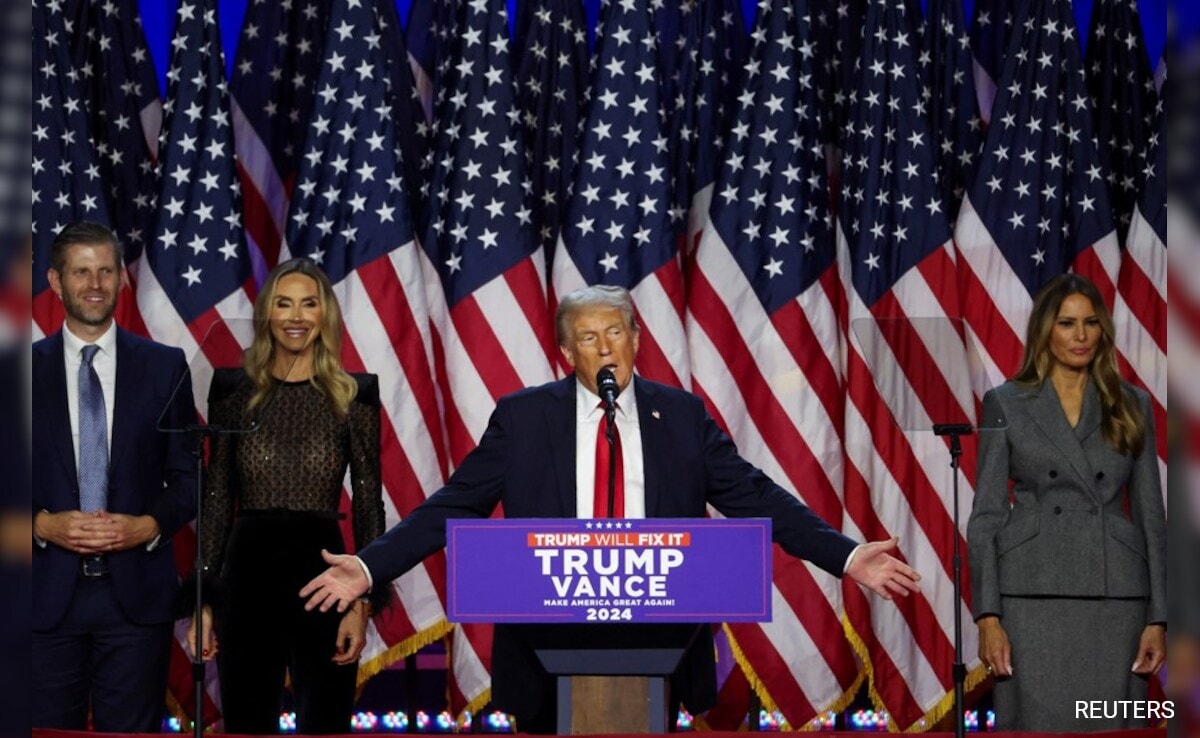



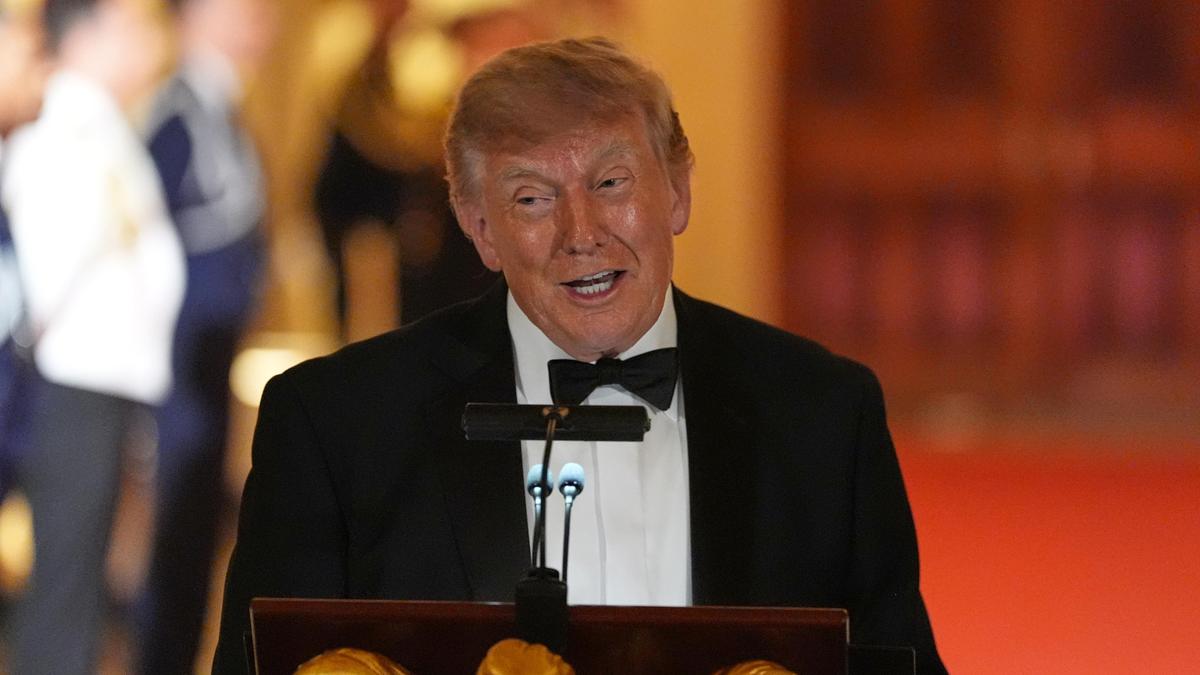
U.S. President Donald Trump. File
| Photo Credit: AP
In another judicial check on U.S. President Donald Trump’s seemingly impulsive executive decisions, a federal court on Wednesday (September 23) night suspended a ban imposed by the Republican on three media outlets. Less than a week after Mr. Trump banned CNN, MS-NOW, and Politico from the White House, officials of the administration said on Thursday (September 24) that the process of reinstating the outlets was underway. While the representatives of the outlets were reportedly barred from entering the White House on Thursday morning, with claims of Secret Service agents confiscating their badges, the AP reported that the three media groups were back on the White House grounds by Thursday (September 24) afternoon.

What are the President’s charges against the outlets?
When he first announced the ban on the three outlets through a social media post on September 18, Mr. Trump accused them of reporting “fake news”. The outlets “constantly write or report fiction or lies”, Mr. Trump said in his post without giving any examples. However, he later invoked national security, saying the outlets’ reporting was a threat. The administration released an official statement three days later, saying that access to the White House was a privilege and not a right. The administration, in its second year now, highlighted “years of false reporting” by the outlets, sharing several reports by the Media Research Centre’s ‘Newsbusters’. It also listed out instances under previous Democratic Presidents Barack Obama and Joe Biden when the press was targeted. “ The rule was never ‘every outlet gets in’; it was always ‘our side stays in’”, the White House release said.
Also Read | Trump’s White House media ban faces long odds in court, legal experts say
After the outlets moved a federal court on Monday against the ban, the administration filed detailed letters sent to each of the media groups that noted “a non-exhaustive list of reporting incidents, including those that have threatened national security and spread falsehoods”. It cited a CNN reporting on “top-secret construction details related to the East Wing bunker”, MS-NOW’s story on an “alleged leak investigation”, and a Politico report on “a document detailing funding for the White House ballroom containing intricate descriptions of how the Secret Service would invest in security improvements”.

How did media outlets respond?
Most of the major media groups in the country immediately came in support of the banned outlets, with the U.S. network press pool suspending coverage of Mr. Trump’s events. The press pool consists of five networks, ABC, CBS, NBC, Fox News, and CNN, who takes turns deploying audio and camera technicians for coverage of White House events while sharing the reporting resources and cost. All five members of this pool, even Fox News, which has been pro-Trump, suspended coverage in solidarity with the banned outlets, leading to multiple events not being covered by major media and visuals of Mr. Trump speaking at the inauguration of a new helipad on the White House coverage with no clear audio in the absence of the pool’s technicians.
Following the announcement of the ban, CNN issued a statement calling the ban illegal and extended support to its White House team and their “fair and accurate” reporting. “We have a right under the U.S. Constitution to do that reporting without hindrance or interference from the government,” the statement said. Politico also released a statement, saying it would “continue to fairly report on this White House and future ones”.
What did the court say?
The outlets stressed that the President’s actions were direct attack on the First Amendment, which protects five key rights in the U.S., including the freedom of press.
U.S. District Judge Tim Kelly, who was appointed by Mr. Trump in 201 during his first stint at the White House, found that the revocation of credentials of the banned outlets’ journalists “likely violates their constitutional due process rights”. He called the objectionable reporting by the media groups which were highlighted by the White House in its letters “so vague that it hardly does the trick” . He also raised doubts over the invocation of national security by the administration, saying that the President initially attributed the decision against the outlets to “negative reporting” and the security angle was introduced later. “Nothing in the record… suggests that the revocation of plaintiffs’ hard passes [credentials] was motivated by national security concerns”, the judge said. “ Certainly, that is not what President Trump said when he announced that he was ‘banning’ plaintiffs from the White House; instead, he focused on the alleged lack of truthfulness and negativity of plaintiffs’ reporting”, he noted.
Allowing a 14-day restraining order or a stay of the ban, Mr. Kelly said that the outlets were likely to succeed in showing that their credentials were revoked without due process. “This is a high bar, but the plaintiffs have met it”, he said.
Defending the move, attorney for the Justice Department argued that the President has the right to choose who gets into the White House, reiterating the administration’s statement that access was not a privilege. He said the President should be able to take immediate action to “protect national security”.
However, Theodore Boutrous Jr., attorney for the outlets, pointed at the absence of security concerns in the initial announcements and said that Mr. Trump had consistently used negative coverage of him as justification for the ban, adding that the President “keeps proving our point”.
Published – September 25, 2026 09:59 am IST