Skip to content
  • Facebook
  • X
  • Linkedin
  • WhatsApp
  • YouTube
  • Associate Journalism
  • About Us
  • Privacy Policy
  • 033-46046046
  • editor@artifex.news
Artifex.News

Artifex.News

Stay Connected. Stay Informed.

  • Breaking News
  • World
  • Nation
  • Sports
  • Business
  • Science
  • Entertainment
  • Lifestyle
  • Toggle search form
  • Health Insurance, Subsidised LPG In Congress’ Manifesto For Mizoram
    Health Insurance, Subsidised LPG In Congress’ Manifesto For Mizoram Nation
  • Access Denied Sports
  • Joe Biden Condemns Shooting Incident In Georgia School
    Joe Biden Condemns Shooting Incident In Georgia School World
  • A palpable grief looms over Visakhapatnam Steel Plant tragedy
    A palpable grief looms over Visakhapatnam Steel Plant tragedy Nation
  • Art historian Naman Ahuja on the repatriation of the Piprahwa Buddha relics
    Art historian Naman Ahuja on the repatriation of the Piprahwa Buddha relics World
  • How does air pollution affect the brain?
    How does air pollution affect the brain? Science
  • Julian Nagelsmann Says Thumping Of Scotland A ‘First Step’
    Julian Nagelsmann Says Thumping Of Scotland A ‘First Step’ Sports
  • Access Denied Sports
UN charts course to manage global warming-limit breach

UN charts course to manage global warming-limit breach

Posted on September 2, 2026 By admin


While warning that breaching the 1.5°C global warming limit would bring irreversible losses that no adaptation initiatives could undo, the United Nations Environment Programme (UNEP) on Wednesday (September 2, 2026), for the first time, set out a detailed “overshoot, peak and decline” pathway.

This is a route under which the world overshoots the 2015 Paris Agreement’s central goal — limiting the rise in average global temperatures to 1.5°C above pre-industrial levels — which a UNEP report said was now unavoidable, but holds the peak as low as possible and then brings temperatures back down below the limit by the end of the century.

The report, Limiting Overshoot, released in Nairobi, said global warming would cross 1.5°C “in the next few years”. Even a scenario in which every country delivers on its national climate plan and net-zero target puts peak warming at 1.8°C, it said. According to the report, current policies point to a rise of about 2.6°C by 2100, with a range of 1.9–3.6°C. The pathway, the report said, “is by no means an acceptable or preferred pathway; it is simply the best remaining option.”

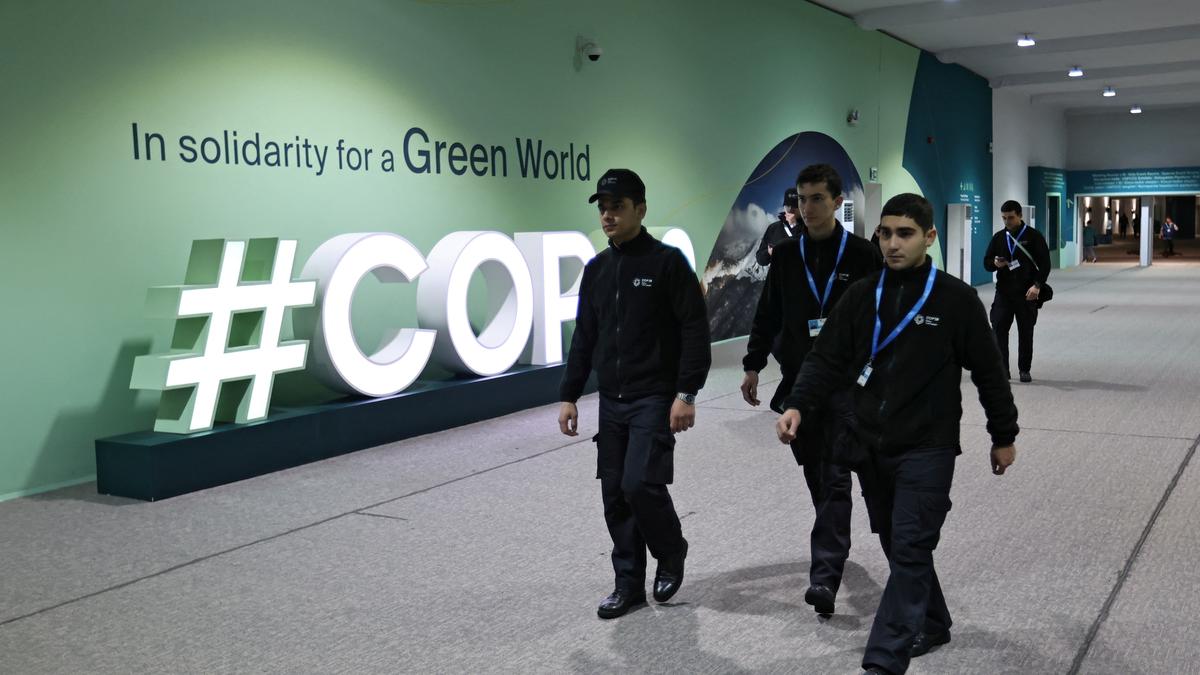
The diplomatic grounds for that framing were laid at the 30th UN Climate Change Conference, COP30, held in 2025 in Brazil’s Belém, where the consensus “Global Mutirão” decision became the first COP text to concede that a temporary overshoot of the 1.5°C limit was likely, given how fast the remaining carbon budget was being spent. At the conference, countries also committed, for the first time, to limiting the size and duration of the overshoot and to closing adaptation gaps, which would require deep, rapid and sustained emission cuts.

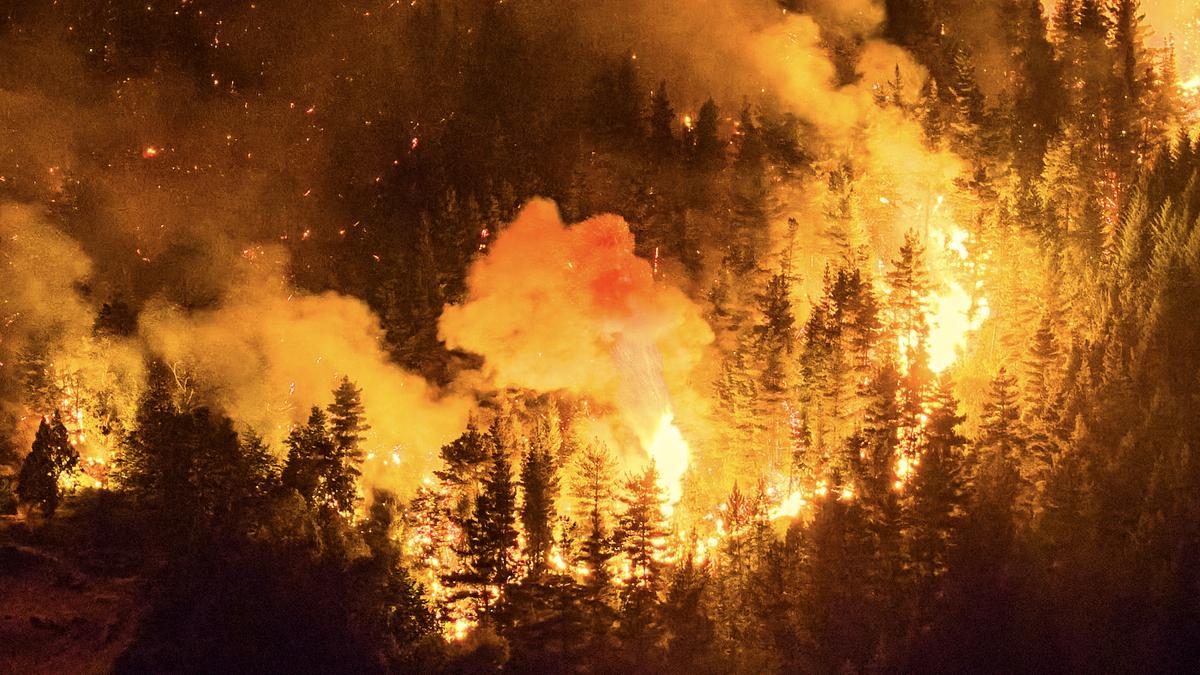
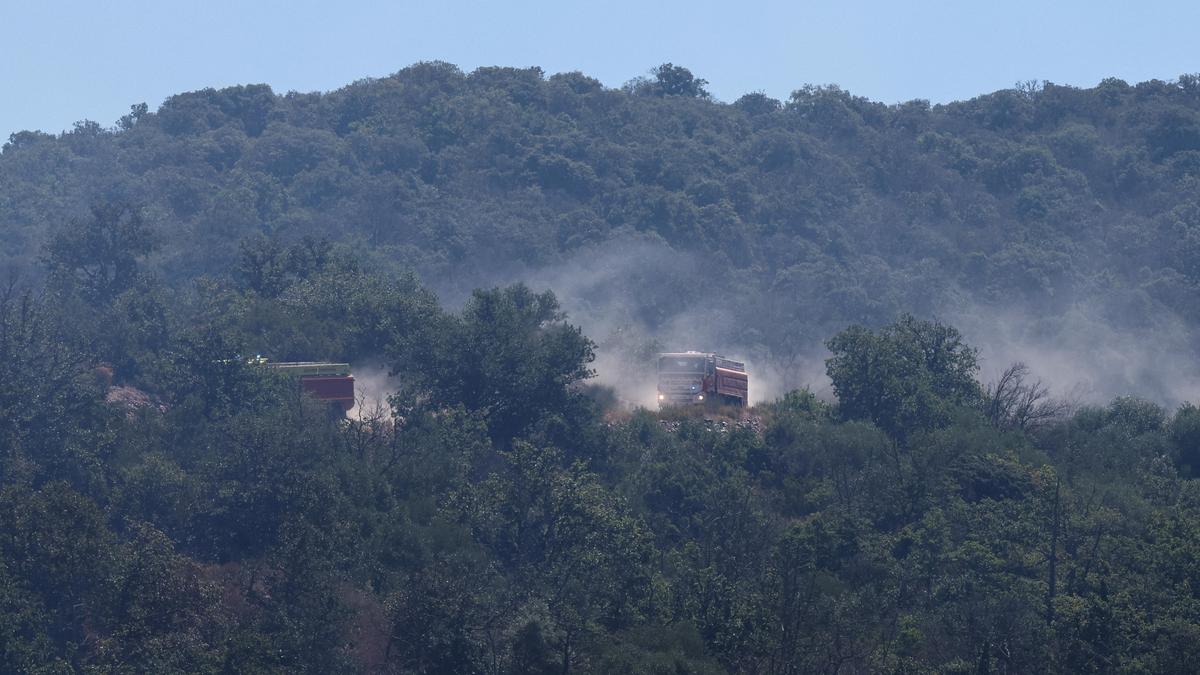
Given that cuts alone will no longer suffice, a steep scaling up of nature-based removals such as large reforestation programmes was needed, COP30 CEO Ana Toni said in a statement. UN Secretary-General Antőnio Guterres also released a statement, saying, “This summer’s scorching heat, raging wildfires and deadly floods are a warning of what lies ahead. We must make the overshoot above 1.5 degrees as small and short as possible. That demands an overshoot of ambition.”

Compounding costs

The UNEP report suggested that time spent above 1.5°C carries compounding costs such as faster sea-level rise, coral reef collapse, glacier loss exceeding a quarter of global mass by 2100, declines of up to 14% in global food production by 2050 without effective adaptation, and rising odds of irreversible tipping points in the West Antarctic and Greenland ice sheets, the Atlantic Meridional Overturning Circulation and the Amazon.

Moreover, it gets harder to roll back the effects of a tonne of emitted carbon. The report computed that every five years of continued high emissions adds roughly 0.1°C to peak warming. Reversing that same 0.1°C afterwards means pulling about 220 billion tonnes of carbon dioxide back out of the atmosphere over and above whatever is still being emitted. Very broadly, a single large tree growing for about 30 years can cut out only a tonne of carbon dioxide. Carbon dioxide removal, the report stresses, is needed in addition to, not instead of, emission cuts, and can credibly cool temperatures back to the 1.5°C limit only if peak warming stays well below 2°C. Even the most optimistic scaling up of emission cuts is unlikely to reverse more than a few tenths of a degree this century, the report underlined.

UNEP Executive Director Inger Andersen was explicit that the report is not a concession. “Let’s be very clear, the 1.5 target is still the goal. But now we need to approach it differently from above,” she said.

The report arrives at a moment of uncertainty over whether countries will cut emissions at all. The United States, the world’s largest historical emitter, formally exited the Paris Agreement earlier this year and has also announced its withdrawal from the U.N. Framework Convention on Climate Change, the Intergovernmental Panel on Climate Change and the Green Climate Fund. Separately, the closure of the Strait of Hormuz following the conflict in West Asia has produced what the International Energy Agency calls the largest supply disruption in the history of the global oil market, with output from affected countries down more than 14 million barrels a day. Sustained high energy prices could push governments toward coal and other short-term fossil responses.

Methane targets

The report, in a first for the UN, placed significant stress on methane, which currently contributes about 0.5°C of warming. Cutting it is described as the most effective way to slow warming in the near term. Human activity currently puts out roughly 350–400 million tonnes of methane a year, mostly from fossil fuel operations, livestock, rice paddies, landfills and wastewater. When modellers build the pathways that underpin net-zero targets, they typically assume that about half of this gets cut by mid-century through “cheap, technically easy” interventions such as plugging leaks and venting from oil and gas. But the other half, roughly 150–200 million tonnes a year still being emitted in 2050 from agriculture and waste, is harder to cut; though shaving 60–70 million tonnes from it could reduce temperature rise to the same extent as removing 220 gigatonnes of carbon dioxide from the atmosphere.

Over 155 countries have joined the Global Methane Pledge to cut anthropogenic methane at least 30% below 2020 levels by 2030. India, China, Russia and Iran remain outside it.

The UNEP report co-author Richard Betts of the University of Exeter said, “It is a reality check. We have to live with this warmer world.”

Published – September 02, 2026 12:27 pm IST


Source link

World Tags:carbon dioxide removal, global warming, global warming limit, global warming UN report, un report on global warming

Post navigation

Previous Post: Reducing India’s exposure to U.S. tariff risks
Next Post: Delhi Cabinet clears Ease of Doing Business Bill; no routine checks for 3 years

Related Posts

  • Karachi Sees Surge In Street Crimes, 45,000 Incidents Reported So Far This Year
    Karachi Sees Surge In Street Crimes, 45,000 Incidents Reported So Far This Year World
  • Ex-Sinaloa security chief first of 10 indicted Mexican officials to surrender to U.S. authorities
    Ex-Sinaloa security chief first of 10 indicted Mexican officials to surrender to U.S. authorities World
  • Ukraine drone attack forces evacuation in Russia’s Tver region, governor says
    Ukraine drone attack forces evacuation in Russia’s Tver region, governor says World
  • Access Denied World
  • COVID-19 linked to 22.1 million excess deaths globally between 2020 and 2023: WHO report
    COVID-19 linked to 22.1 million excess deaths globally between 2020 and 2023: WHO report World
  • Sudan army drone attack on Darfur court kills 35
    Sudan army drone attack on Darfur court kills 35 World

More Related Articles

Trump threatens to take back control of Panama Canal Trump threatens to take back control of Panama Canal World
Indian, Chinese troops exchange sweets at several border points on Diwali Indian, Chinese troops exchange sweets at several border points on Diwali World
Donald Trump’s Tariff Talk Spurs Global Jitters, Countries May “Retaliate” Donald Trump’s Tariff Talk Spurs Global Jitters, Countries May “Retaliate” World
Britain to become first G7 country to end coal power as last plant closes Britain to become first G7 country to end coal power as last plant closes World
In first, Taiwan, U.S. firm to make missile, underwater drone In first, Taiwan, U.S. firm to make missile, underwater drone World
Japanese Atomic Bomb Survivors’ Group Nihon Hidankyo Wins Nobel Peace Prize Japanese Atomic Bomb Survivors’ Group Nihon Hidankyo Wins Nobel Peace Prize World
SiteLock

Archives

  • September 2026
  • August 2026
  • July 2026
  • June 2026
  • May 2026
  • April 2026
  • March 2026
  • February 2026
  • January 2026
  • December 2025
  • November 2025
  • October 2025
  • September 2025
  • August 2025
  • July 2025
  • June 2025
  • May 2025
  • April 2025
  • March 2025
  • February 2025
  • January 2025
  • December 2024
  • November 2024
  • October 2024
  • September 2024
  • August 2024
  • July 2024
  • June 2024
  • May 2024
  • April 2024
  • March 2024
  • February 2024
  • January 2024
  • December 2023
  • November 2023
  • October 2023
  • September 2023
  • August 2023
  • July 2023
  • June 2023
  • May 2023
  • April 2023
  • March 2023
  • February 2023
  • January 2023
  • December 2022
  • November 2022
  • October 2022
  • September 2022
  • August 2022
  • July 2022
  • June 2022
  • May 2022

Categories

  • Business
  • Nation
  • Science
  • Sports
  • World

Recent Posts

  • Excise forms SIT to probe cases related to seizure of suspected MDMA
  • Elderly man dies after falling into abandoned quarry at Angamaly in Keralam
  • Ukraine tells UN aviation watchdog that Russian airspace ‘not safe’
  • U.S. Fed says ‘positive’ economic outlook facing heightened uncertainty
  • Delhi Cabinet clears Ease of Doing Business Bill; no routine checks for 3 years

Recent Comments

  1. Donaldskemn on UP Teacher Who Asked Students To Slap Muslim Classmate
  2. JavierJaind on UP Teacher Who Asked Students To Slap Muslim Classmate
  3. PeterIniff on UP Teacher Who Asked Students To Slap Muslim Classmate
  4. RobertSaw on UP Teacher Who Asked Students To Slap Muslim Classmate
  5. Georgejaw on UP Teacher Who Asked Students To Slap Muslim Classmate
  • Baba Siddique’s Killers Relied On YouTube For Shooting Practice: Sources
    Baba Siddique’s Killers Relied On YouTube For Shooting Practice: Sources Nation
  • Access Denied Sports
  • Trinamool To Pray At Rajghat If Permission Denied For Delhi Protest
    Trinamool To Pray At Rajghat If Permission Denied For Delhi Protest Nation
  • SAT stays SEBI’s order to ban Omaxe, others from securities market 
    SAT stays SEBI’s order to ban Omaxe, others from securities market  Business
  • PM Modi U.S. visit: Amid expected discussion on Elon Musk India entry, Starlink steals a march into Bhutan
    PM Modi U.S. visit: Amid expected discussion on Elon Musk India entry, Starlink steals a march into Bhutan Business
  • Access Denied Sports
  • Access Denied Sports
  • Israeli strike kills seven World Central Kitchen aid group workers in Gaza, including foreigners
    Israeli strike kills seven World Central Kitchen aid group workers in Gaza, including foreigners World

Editor-in-Chief:
Mohammad Ariff,
MSW, MAJMC, BSW, DTL, CTS, CNM, CCR, CAL, RSL, ASOC.
editor@artifex.news

Associate Editors:
1. Zenellis R. Tuba,
zenelis@artifex.news
2. Haris Daniyel
daniyel@artifex.news

Photograher:
Rohan Das
rohan@artifex.news

Artifex.News offers Online Paid Internships to college students from India and Abroad. Interns will get a PRESS CARD and other online offers.
Send your CV (Subjectline: Paid Internship) to internship@artifex.news

Links:
Associate Journalism
About Us
Privacy Policy

News Links:
Breaking News
World
Nation
Sports
Business
Entertainment
Lifestyle

Registered Office:
72/A, Elliot Road, Kolkata - 700016
Tel: 033-22277777, 033-22172217
Email: office@artifex.news

Editorial Office / News Desk:
No. 13, Mezzanine Floor, Esplanade Metro Rail Station,
12 J. L. Nehru Road, Kolkata - 700069.
(Entry from Gate No. 5)
Tel: 033-46011099, 033-46046046
Email: editor@artifex.news

Copyright © 2023 Artifex.News Newsportal designed by Artifex Infotech.