






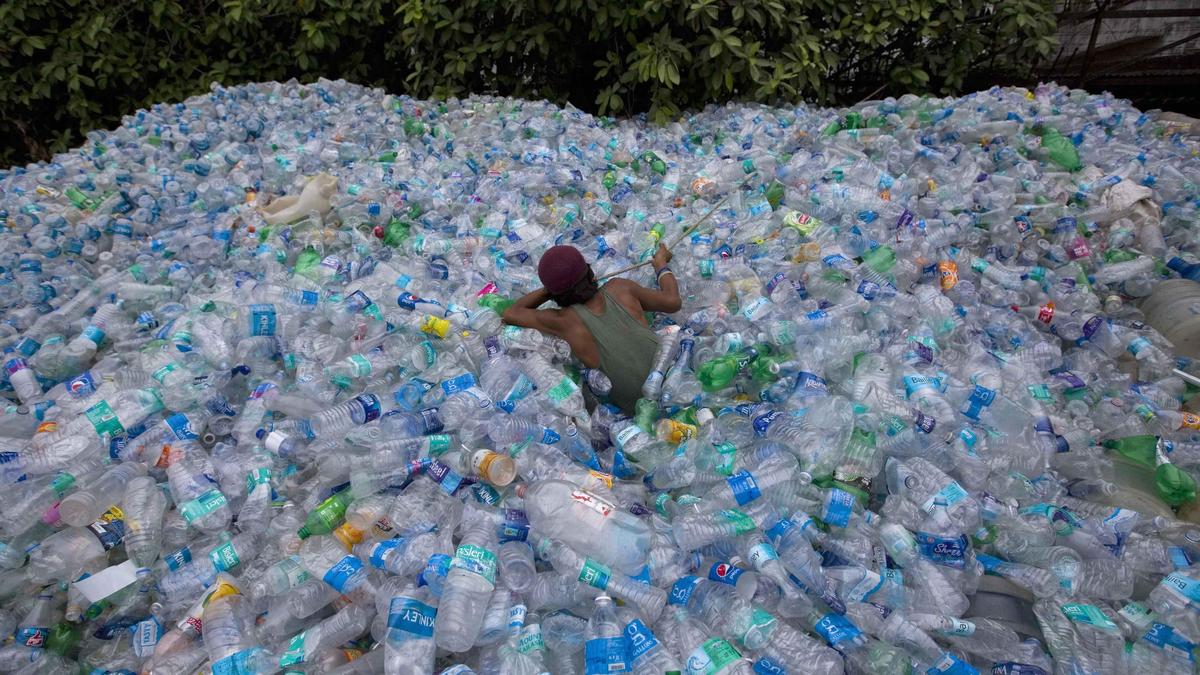
India’s recycling ecosystem is undergoing significant transformation, driven by regulatory reforms, circular economy initiatives and rising demand for secondary raw materials, industry officials and experts said at a recycling show in Mumbai.
They said while the growth of the recycled plastics market is supported by growing demand from the packaging and automotive sectors, improved waste collection and technology adoption, metal scrap, e-waste and battery recycling sector is evolving towards more organised and technology-driven operations.
EPR mandates, recycled-content targets and growing demand for critical minerals is accelerating investments in advanced processing and material recovery, they added.
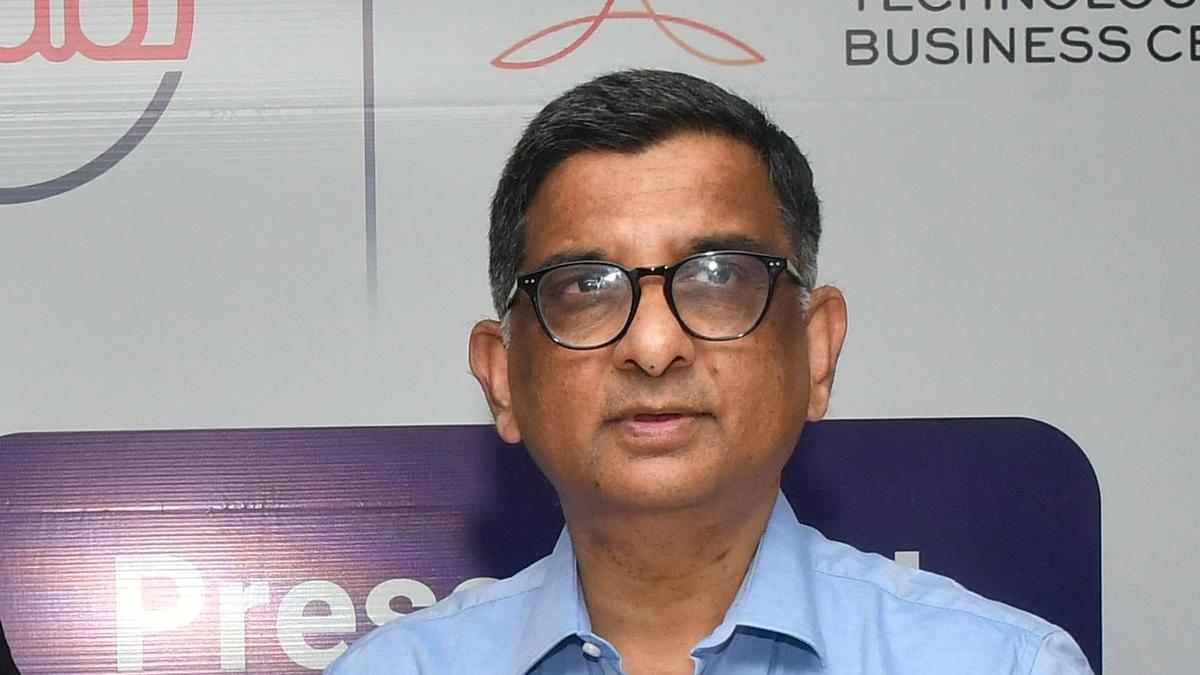
“The next phase of India’s recycling growth will be shaped by quality, traceability and technology, rather than volumes alone,” R.V. Sridhar, Senior Advisor, McKinsey & Company, & former CEO, JSPL & AMNS downstream business said while speaking while speaking at Plastics Recycling Show India (PRS India) 2026 and Bharat Recycling Show (BRS) 2026 organised in Mumbai by Media Fusion & Crain Communications.
He said India must learn from China and Australia how to extract minerals from unused and discarded ores.
“There is plenty of unused iron ore in the country, these can not be used. But the Chinese have shown that they are usable. They had managed to extract titanium, iridium and iron from waste iron ore. The Australians have done even better. We must learn from them,” he stated.
He said “e-waste offers significant potential, but improving collection remains critical. The biggest technological opportunity lies in sensor-based sorting using XRF, LIBS and machine vision, which can improve feedstock quality and enable higher-value material recovery.”
Ultimately, the industry needs to recognise that ‘quality is bought at the yard, not in the refinery’ better sorting, stronger traceability and economically viable processing will be key to scaling India’s circular economy, he emphasised.
Shilpashree Muniswamappa, Director ,Communications & ESG, Colgate-Palmolive India Ltd the company had been focusing on sustainability.
“Today, 100% of Colgate toothpaste tubes manufactured in India are recyclable, marking an important step towards greater circularity,” she said.
“Beyond packaging, we have worked with 158 villages over the last three years, collecting more than 90,000 kg of dry waste and channelising it into recycling and reuse streams, while working with children to promote waste segregation and drive behavioural change,” she pointed out.
“With around 60% of our electricity currently sourced from renewables and a goal of reaching 100% by 2030, we are focused on advancing circularity across our operations, communities and value chain,” she added.
“For us, regulatory compliance is merely the baseline. As a market leader, we have a responsibility to ensure that what we put in consumers’ hands is not only the right product, but also the right packaging. True leadership means innovating with intent. Our 2030 SMILE Sustainability Strategy closely aligns with the nation’s environmental priorities,” she said.
Prabodha Acharya, Chief Sustainability Officer, JSW Group, said “We are pursuing multiple pathways to reduce our environmental footprint, including converting steel slag into cement, reducing the need for clinker and creating value from waste.”
“In steel, we have already reduced emissions intensity by 30% and are targeting a 42% reduction by 2030, with an ambition to achieve net neutrality by 2050,” he said.
“Today, around two-third of JSW Energy’s portfolio is renewable, reflecting our broader commitment to accelerating India’s transition towards a low-carbon and circular economy,” he added.
Kiarah Ahuja, General Manager & Head – Business Development, Banyan Nation, said, “ India’s 60% Category I mandate creates demand for well over two million tonnes of FMCG-grade rigid Post Consumer Recycled (PCR), yet certified capacity today remains a small fraction of that requirement.”
As the market scales, the focus now needs to shift towards building reliable, certified recycling capacity and strengthening the supply chain that can consistently deliver high-quality FMCG grade PCR at scale, she said.
“Ultimately, [Extended Producer Responsibility] EPR can do for recycled plastic what renewable purchase obligations did for solar by creating the demand visibility needed to make collection infrastructure and recycling capacity commercially viable,” she emphasised.
Taher Patrawala, Managing Director, Media Fusion, said “As regulatory frameworks evolve and industries face increasing pressure to adopt sustainable practices, our objective is to catalyse India’s transition from a linear waste management model to a high-value, technology-driven circular economy.”
Published – September 02, 2026 11:42 am IST