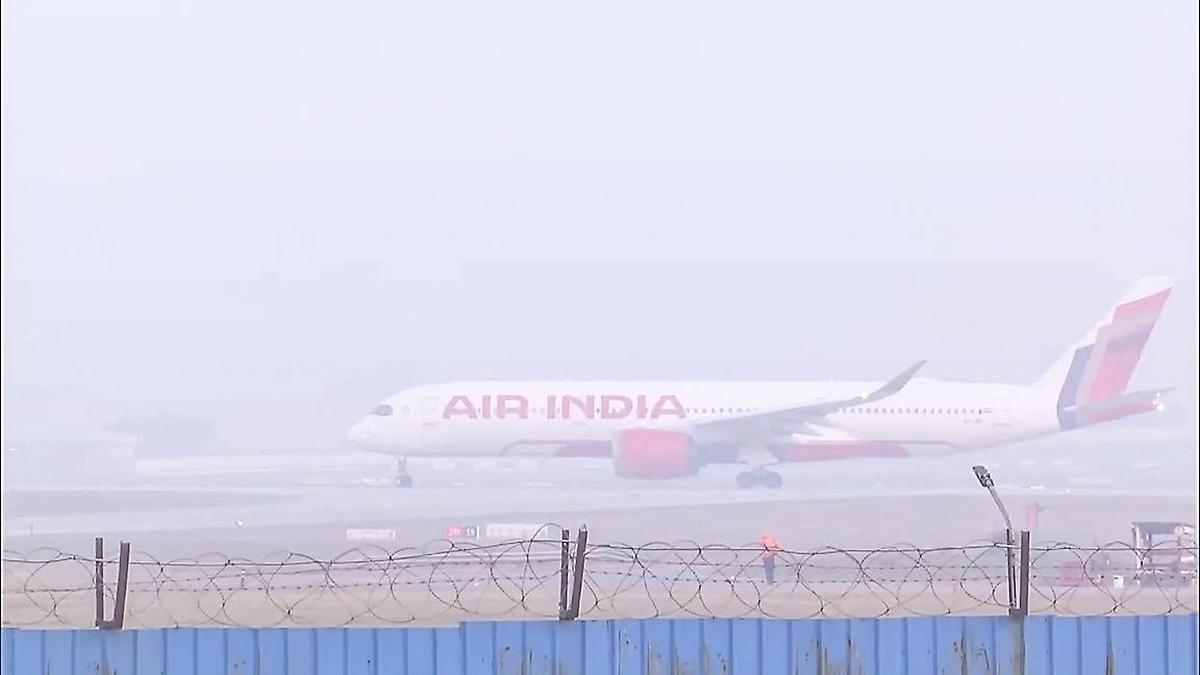





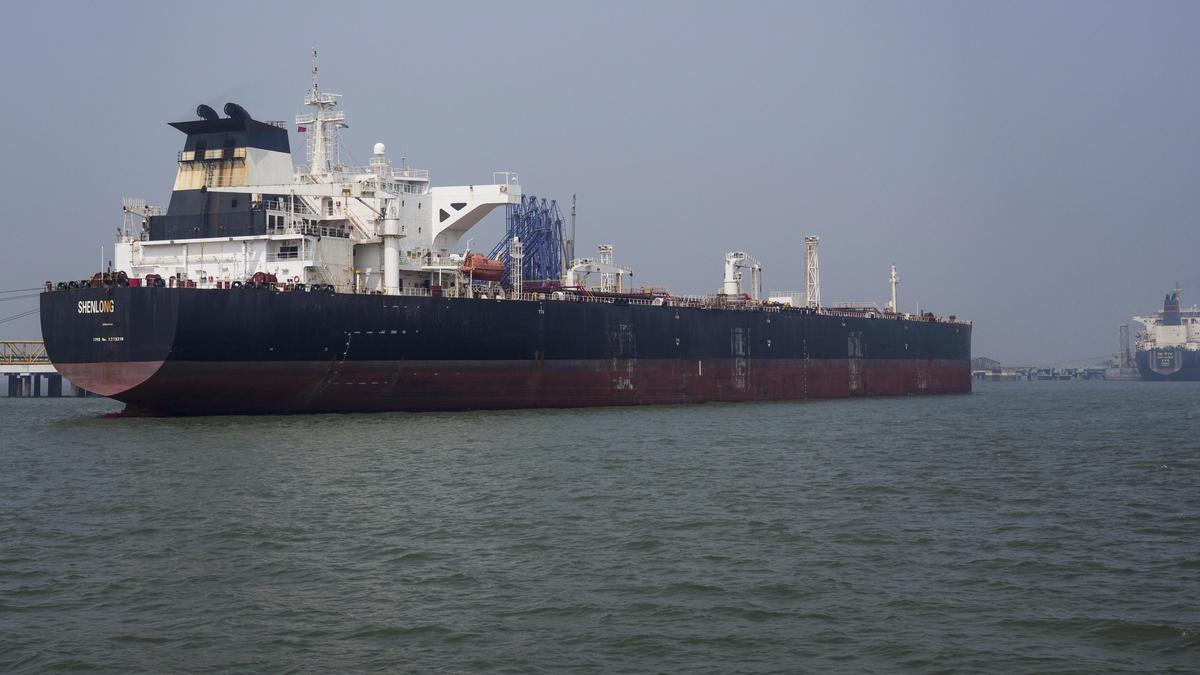
India’s total oil imports stood at 218.2 tonnes in May 2026.
| Photo Credit: PTI
Russia’s share in India’s oil imports rose above 40% in May 2026, the highest in nearly two years, according to official government data. Further, the data shows that Russia charged India a premium for its oil, while other sources such as the U.S. and even the UAE sold India oil at lower-than-average prices.
Notably, an analysis by The Hindu of the data released by the Ministry of Commerce and Industry shows that India is trying to diversify its sources of oil, including once again importing oil from Iran and Venezuela in April and continuing to do so in May 2026.
Overall imports rise
India’s total oil imports stood at 218.2 tonnes in May 2026, the highest since January and about 12% higher than what it imported in April. This was, however, about 2.6% lower than what it imported in May last year.
Despite this, the higher oil prices meant that India’s oil import bill still rose significantly in May 2026 — by 23.5% compared to April, and by a sizable 66% over May of last year.

This is because the price of oil that India imported stood at $106 per barrel in May 2026 as compared to $64 a barrel in May 2025, according to data from the Ministry of Petroleum and Natural Gas.
This price effect is visible in India’s oil imports from Russia as well. While the value of oil imports from Russia grew 83% in May 2026 over its level in May last year, the actual volume of oil imported from Russia fell by 2% over this period.
Russia’s war premium
That said, the share of Russian oil in India’s total oil imports stood at 40.5% in terms of volume and 42.6% in terms of value in May 2026. These are both the highest they have been since mid-2024.
A simple calculation based on the volume and value of oil imports from Russia shows that the total price paid by Indian importers stood at $916 per tonne of Russian oil in May 2026, as compared to the average price of $870 per tonne that India paid for all its oil imports. This works out to a premium of about $46 per tonne.
Russia had been providing India a discount on its oil as recently as February.

According to Prerna Prabhakar, fellow at the Centre for Social and Economic Progress (CSEP), the premium charged by Russia is likely a result of the dependence India and China have on it for oil, exacerbated by the supply disruptions brought on by the war in West Asia that began in end-February.
Ms. Prabhakar also explained that Russia is likely to remain a major supplier of crude oil to India due to the supply chain mechanics that have been put in place.
“Indian refiners have fine-tuned their refineries to handle the grade of oil that Russia provides, and so they are likely calculating their profit margins on the basis of the higher price that Russia is charging, but also the cost of using other grades of oil such as from the U.S.,” Ms. Prabhakar said.
“Even if Russia’s share in India’s oil imports falls from this high level, it will still remain a major source of Indian oil,” she added.
Sanctioned sources
The Commerce Ministry data also shows that India has been sourcing some of its oil from countries that were previously restricted from selling their oil.
India imported $605 million worth of oil from Venezuela in April 2026, which rose to $984 million in May. The U.S. had in February started allowing Venezuela to export oil.
Notably, the data shows that India imported $430.5 million worth of oil from Iran in April 2026, which fell to $277 million in May. However, it was only in late June that the U.S. had given Iran a 60-day waiver to export oil, which it rescinded on Tuesday (July 7, 2026) after hostilities between the two countries erupted again.
Published – July 08, 2026 04:02 pm IST