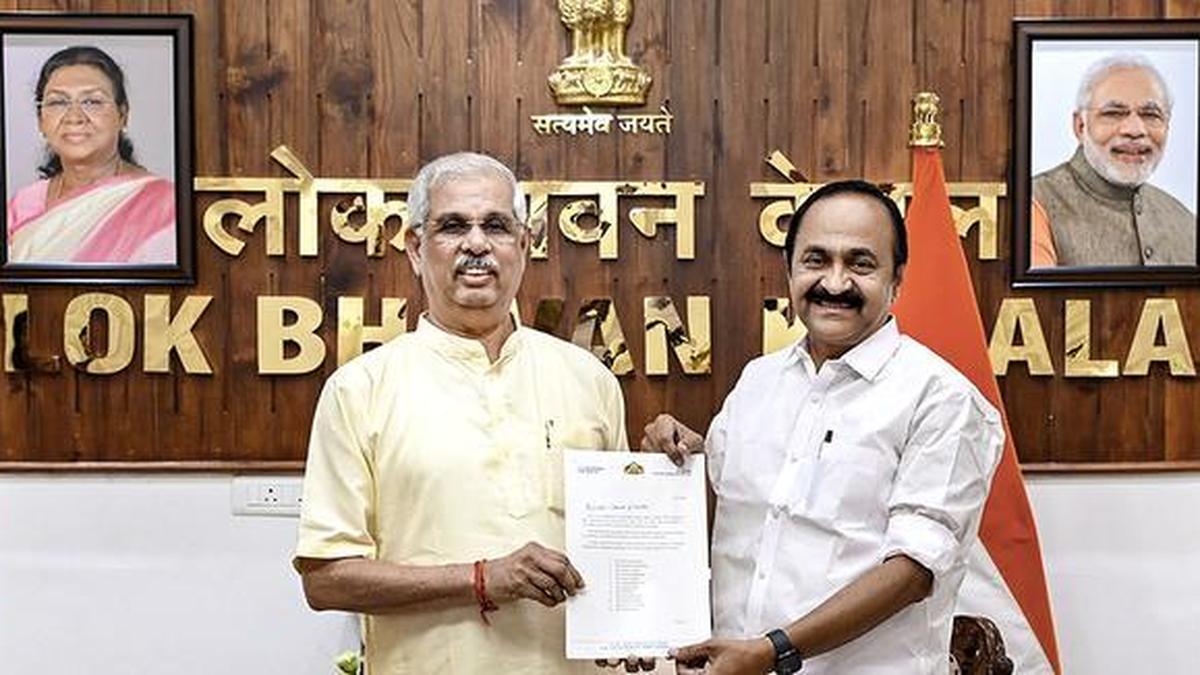





Faizabad Bar Association president Kalika Prasad Mishra. File
| Photo Credit: PTI
The Faizabad Bar’s resolution to deny legal representation to the accused in the Ram Temple embezzlement case transgresses a Supreme Court judgment that even a “wicked” person has a fundamental right to a competent advocate.
Also read | Ayodhya Temple donation theft will have long-term consequences for the Sangh Parivar
The Supreme Court judgment that clearly enunciates this highest of the traditions of the Bar is based on a case originating in Tamil Nadu regarding a confrontation between a lawyer and local police personnel in Coimbatore. The local Bar Association had passed a resolution that no lawyer would represent the accused policemen.
A Division Bench of Justices Markandey Katju and Gyan Sudha Misra (both retired now), in a 2010 judgment in A.S. Mohammed Rafi versus State of Tamil Nadu, declared that such resolutions by Bar bodies were “wholly illegal, against all traditions and professional ethics”.

“Every person, however wicked, depraved, vile, degenerate, perverted, loathsome, execrable, vicious or repulsive he may be regarded by society has a right to be defended in a court of law, and correspondingly, it is the duty of the lawyer to defend him,” Justice Katju famously observed in a short judgment.
The judgment referred to Article 22(1) of the Constitution, which mandates that an arrested person should not be “denied the right to consult, and to be defended by, a legal practitioner of his choice”.
Again, the ‘Standards of Professional Conduct and Etiquette’ chapter of the Bar Council of India Rules require that an advocate is bound to accept any brief unless special circumstances justify refusal.
“Professional ethics requires that a lawyer cannot refuse a brief, provided a client is willing to pay his fee, and the lawyer is not otherwise engaged,” the court said. A boycott of an accused, whether a suspected terrorist, rapist, mass murderer, etc., was against all norms of the Constitution.
The judgment is remembered for giving historical examples of lawyers, real and fictional, standing up for professional values.
Justice Katju referred to Thomas Erskine’s defence of Thomas Paine, facing treason charges for his pamphlet `The Rights of Man’ on the French Revolution, even at the cost of losing his position as the Attorney General for the Prince of Wales.
The Bench had quoted the “ringing words” of the fictional Atticus Finch in Harper Lee’s To Kill a Mockingbird about courage in profession: “Courage is not a man with a gun in his hand. It is knowing you are licked before you begin, but you begin anyway and you see it through no matter what. You rarely win, but sometimes you do.”
Published – June 30, 2026 05:36 pm IST