




It was a seemingly routine Sunday morning on June 21 at St. Peter & Paul Sea Food Export Private Limited at Kannigaipair village in Tiruvallur district. The unit stands along the busy road connecting Karanodai with Periyapalayam and Uthukottai, surrounded by agricultural fields, a few industrial establishments, and an educational institution. The factory processes prawns, fish, and other seafood products, all of which are meant for export markets.
Inside the factory, work was progressing as usual. On the ground floor, migrant workers were busy sorting, cleaning, and packaging shrimp and other products. Nearly 80 workers were going about their tasks, unaware that danger was silently building above them. On the first floor, around 60 women workers were asleep after completing their shifts. The floor also housed machinery and refrigeration equipment used in the processing operations. Ammonia is a key component in the cooling/refrigeration process.
Trapped!
As temperatures rose and pressure built up within the system, an ammonia pipeline suddenly ruptured. Within moments, the toxic gas spread rapidly through the first floor. The workers woke up gasping for breath, their eyes and throats burning. Panic swept through the dormitory area as the women scrambled to escape. Disoriented and suffocated, many were even unable to call out for help. Some ran aimlessly through the smoke-filled floor, while others sought refuge in restrooms, huddling together in fear as the ammonia cloud engulfed the premises.
The men working on the ground floor took a few moments to realise what had happened. As the pungent smell spread through the building, they abandoned their work and rushed out of the premises to safety. Amid the chaos, they noticed a woman hanging from a window, desperately trying to escape. Several workers bravely re-entered the gas-filled building to rescue those trapped. However, the concentration of ammonia was so high that rescuers could hold their breath for only 20 to 25 seconds at a time before being forced to retreat.
Within 15 to 20 minutes, a large volume of ammonia gas had escaped from the damaged pipeline and spread across the facility. A few quick-thinking workers took the initiative to bring the situation under control. They began pouring water inside the premises and on the leaking pipeline to suppress the gas. Their faces covered with wet cloths, they repeatedly entered the building and pulled the stranded women out one by one.
Many of the rescued women had suffered severe exposure to the toxic fumes. Some developed blisters on their skin, while others had swollen and irritated eyes. Several workers experienced breathing difficulties and were unable to speak properly or even open their mouths comfortably.
Jitendra Besra, a worker from Jharkhand, said, “The gas leak occurred around 11 a.m. near the women’s accommodation located above the factory premises. The sleeping women workers in the dormitory near the machinery were exposed before anyone realised what was happening. Many were asleep after completing their night shift and were unable to escape in time. The air on the first floor was so toxic that rescuers themselves struggled to breathe.” He and several male workers repeatedly entered the gas-filled rooms, carrying the unconscious and semi-conscious women to safety. “The rescue operation was slow and chaotic because visibility and breathing were severely affected, and the rescuers did not know where each worker was sleeping.”
Chaos and desperation
Another employee, Gabriel, who participated in the rescue efforts, described the chaos and desperation that unfolded. “We were working when we heard that there was a gas leak. Those of us in the cold storage section were immediately told to evacuate and move outside the factory gate. Shortly afterward, we saw thick white smoke billowing from the upper part of the building. We were then instructed to move towards the boys’ quarters located next to the factory. As we were heading there, we noticed a woman hanging from a window, desperately trying to escape. That’s when we realised that all the women workers from the night shift were inside the accommodation block. The leak or blast had occurred directly in front of their rooms,” said Mr. Gabriel.
The worker explained, “Initially, it was impossible to enter the building because the gas concentration was extremely high. I tried entering two or three times but could not rescue anyone. The fumes were overwhelming and I had to retreat. During my second attempt, I managed to carry one person halfway out, but I became too weak to continue and had to leave them temporarily before returning. On subsequent attempts, I was able to bring out two or three workers, while my colleagues rescued others.”
“Many of the workers remained trapped inside for nearly 25 to 30 minutes, which, in my opinion, worsened the situation and contributed to the fatalities,” he added.
The fire service arrived much later. By the time firefighters entered the building, most of the rescue work had already been carried out by factory workers. By then, ambulances had arrived to transport the victims to hospitals. Had emergency responders reached the site 40 to 50 minutes earlier, the consequences might not have been so severe, the workers said.
Another worker said, “As for the cause of the incident, I believe there may have been excessive pressure in the ammonia system. There was a loud blast upstairs, and it appeared to have occurred because of gas build-up. Minor leaks had happened before — perhaps two or three times a month — but they were never this serious. The gas system had reportedly been refilled just a few days earlier, and there might have been excessive pressure. The rupture occurred directly in front of the women’s accommodation area, which is why the impact was so devastating.”
A survivor, Himasri, 26, from Rangia in Assam, has been employed at the factory for the past six years, and is undergoing treatment. Recounting the incident, she said a loud blast was heard before ammonia gas began spreading through the facility. “Several workers who were sleeping in their rooms were unable to come out immediately and trapped by the gas. I had no hope that I would survive and escape.” Another survivor, Paulina, a young worker from Assam who has been employed at the factory for the past six to seven months, described the panic. “The gas quickly spread and filled the entire room. It came in like smoke, and we couldn’t open our eyes at all. We couldn’t breathe properly and there was a severe burning sensation in our eyes and mouth. Our eyes were shutting, and we could not move,” she said.
Ms. Paulina said she survived because she was able to make a quick escape from the room. “We ran away immediately, and that is why nothing serious happened to us. Those who couldn’t get out in time were seriously affected,” she said.
Villagers join rescue effort
The Inspector of the Periyapalayam police and the Deputy Superintendent of Police, Uthukottai, and villagers from neighbouring Kannigaiper and Manjakaranai helped in rushing the affected workers to hospitals. Personnel of the Fire and Rescue Services and the National Disaster Response Force joined in later. M.J. Sudhesh Kumar, State vice-president of the Puthiya Jananayaga Thozhilalar Munnani, said, “Some were being carried on people’s shoulders, while others were transported on stretchers. There appeared to be only two stretchers available at the site. Many workers had to be carried manually, with people holding their hands and legs to move them. Water was continuously poured over them as they were being evacuated. Several workers were bleeding from their noses and mouths by the time they reached the factory gate.”
The 108 ambulance network received a call reporting the gas leak. Over the next few minutes, more than 20 ambulances, primarily from Tiruvallur district and a few from Chennai, including 10 advanced life support vehicles, were dispatched to the site. The Health Department mobilised officials and doctors to the private hospitals receiving the affected workers.
Doctors reported that many workers arrived in a state of panic, suffering from giddiness, difficulty in breathing and lip oedema, or swelling. Examination of the throat revealed laryngeal oedema caused by ammonia inhalation. Some patients required immediate intubation, while steroids were administered to reduce inflammation. E. Theranirajan, Additional Director of Medical Education, noted that there is no specific antidote for ammonia inhalation, making a supportive line of management essential. “Exposure affected the eyes, nose and respiratory tract. When lungs are involved, it can cause acute respiratory distress syndrome (ARDS), while tissue hypoxia can compromise the heart, causing myocarditis. The pumping mechanism fails, heartbeat variations occur, leading to cardiogenic shock and even death,” he said.
A senior government doctor who treated the critically ill patients said ammonia concentrations of above 250 ppm (parts per million) can be detrimental to organs, while levels around 300 ppm are potentially life-threatening. “On Sunday, severely affected patients were transferred to the hospital. They had multiple organ dysfunction, and lung, brain and cardiac involvement. Medical teams prioritised decontamination by washing exposed areas with water, followed by supportive therapy and protective strategies for the lungs, brain, and heart. Their food pipe and trachea were swollen. We connected patients to the ventilator,” he explained.
A major challenge during treatment was communication. “Many workers were from Odisha, Assam, and Jharkhand and could not communicate effectively owing to the language barrier. Identifying unconscious patients was particularly difficult. It was resolved after job coordinators arrived to assist,” a doctor said.
“We could not communicate with them verbally. Many were unable to open their mouths or speak. So we had to identify them in a different way,” a police officer recalled. “In fact, our team went from bed to bed carrying a list of names. We would read out each name individually to every patient. When we called out the correct name, the patient would blink their eyes or make a slight movement, proving their identity. We had 10 to 15 such people who were identified like this,” the officer said.
Fatalities continue
Two women workers succumbed to their injuries on the day of the disaster itself. The next day, six more women lost their lives. From Tuesday, the death toll rose steadily. Almost every day, another woman breathed her last, turning the industrial accident into a prolonged human tragedy. Overall, 16 fatalities were reported. Of the deceased, 13 were from Odisha, two from Assam, and one from Jharkhand. Twenty-six individuals are still under treatment. Other workers were sheltered at a wedding hall at Periyapalayam and sent home by the district administration.
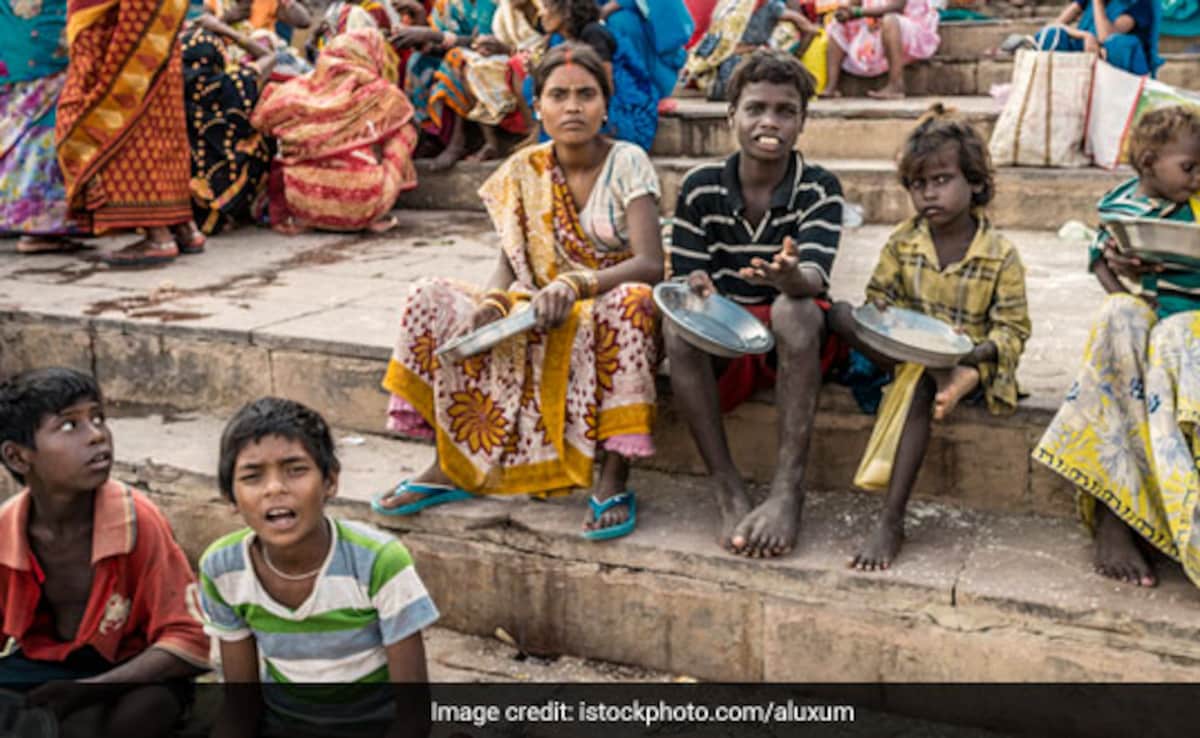
Many were tribal migrant workers from remote villages in Assam, Odisha, and Jharkhand with limited access to education, employment opportunities, and mobile connectivity. They had travelled 1,500-3,000 km in search of regular employment and wages, relying on relatives, neighbours, or labour agents from their villages. Some of them were found to be minor girls too. A team of officials from Odisha also visited the affected workers. Their investigation found that several workers had reportedly obtained jobs using forged or borrowed Aadhaar cards. The irregularities came to light after officials discovered that an Odisha woman initially listed among the deceased was actually alive and working in Andhra Pradesh. The authorities later found that the Aadhaar card registered in her name at the factory did not belong to her.
Labour Department officials in Odisha suspect that a former supervisor, Srikant Juanga, arranged jobs for the workers using fake or borrowed Aadhaar documents, particularly for young women. The police in Tiruvallur district said the identity of only one deceased was mismatched. Akash Bisoy, District Labour Officer of Odisha, said most of the victims and affected workers migrated from the Juanga tribal community in Keonjhar district. They were farm labourers, dependent on the forest.
Painful memory: Doctors said many workers arrived at hospitals in a state of panic, suffering from giddiness, difficulty in breathing and lip oedema, or swelling. Some patients required immediate intubation.
| Photo Credit:
B. JOTHI RAMALINGAM
Benoy Peter, executive director of the Centre for Migration and Inclusive Development, an NGO, said, “Recruiters often target young women because their nimble fingers are considered well-suited for seafood peeling work. Girls from economically vulnerable and marginalised communities are also easier to persuade to migrate for such jobs.”
A migrant worker said workers received their salaries regularly, though the work was physically demanding and wages were relatively low — from ₹14,000 to ₹17,000. They worked for 12 hours. Many employees had remained with the company for years, some for as long as eight to 10 years, because they considered it a stable source of employment.
“There was one major issue,” he said. “There was no proper medical support. If a worker fell ill or required treatment, the medical expenses were often deducted from their salary.”
Immediately after the incident, the Periyapalayam police arrested owners M. Joseph Jegan, 49, of Royapuram and M. Mohan, 59, of Tondiarpet; manager R. Daniel, 70; and labour agent Suresh of Odisha under Sections 105 (punishment for culpable homicide not amounting to murder) and 125(a) (act endangering life or personal safety of others) of the Bharatiya Nyaya Sanhita (BNS).
A senior police officer said, “We have also added the provisions of the Child and Adolescent Labour (Prohibition and Regulation) Act, 1986, and the Scheduled Castes and the Scheduled Tribes (Prevention of Atrocities) Act. An officer from our Forensic Science Lab collected samples. Officers of the Industries Department and the Tamil Nadu Pollution Control Board [TNPCB] also collected samples. After receiving their reports, we will file a chargesheet.”
A three-member expert committee constituted by the Tamil Nadu government — comprising the Director of the Directorate of Industrial Safety and Health (DISH), the Member-Secretary of the TNPCB, and the Additional Director of Public Health — has recommended the permanent closure of the company. Sources said the committee has also recommended that 1,774 factories across the State that use hazardous chemicals be inspected. It has noted that around 60 seafood export companies, similar to the one in Tiruvallur, are operating across the State, and a decision has been taken to conduct continuous inspections at these units.
Taking suo motu cognisance of media reports, the National Human Rights Commission (NHRC) expressed serious concern over the incident. It has issued notice to Tamil Nadu’s Chief Secretary and Director-General of Police, seeking a detailed report within two weeks.
(With inputs from Serena Josephine M.)