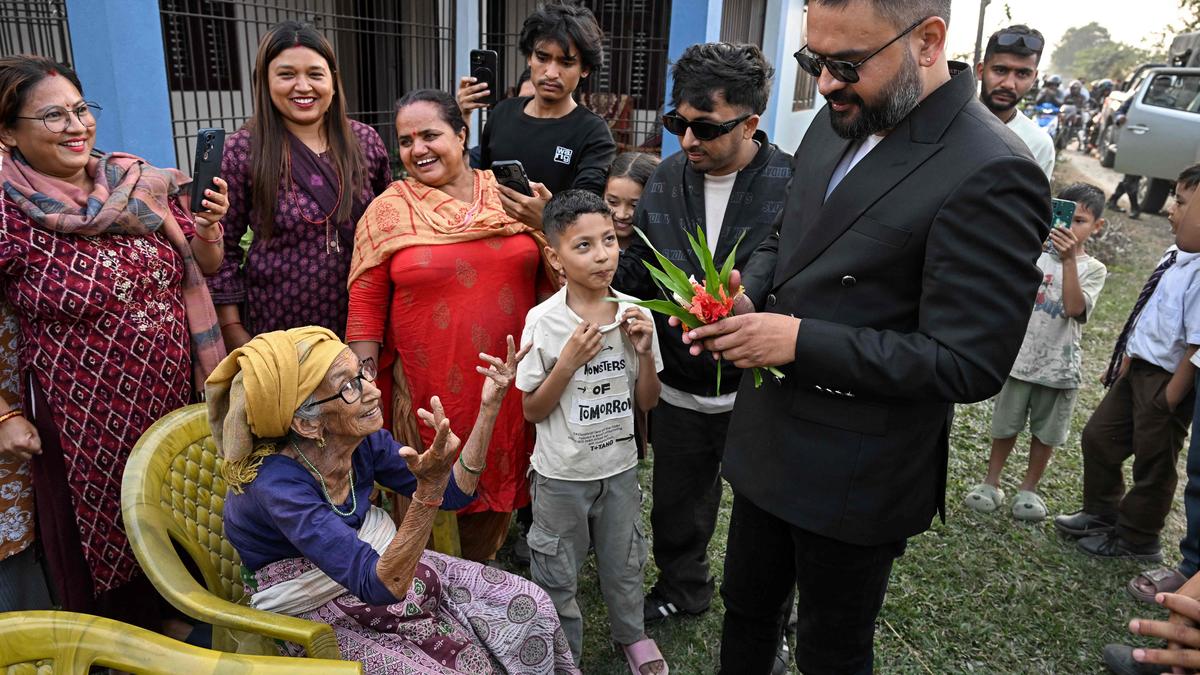




The visit of Nepal Foreign Minister Shisir Khanal to Delhi, which followed right after the visit of Nepal’s new ruling party RSP’s President Rabi Lamichhane and ahead of a proposed visit by the new Finance Minister Swarnim Wagle, signals an intense outreach between Delhi and Kathmandu’s new leadership. Mr. Khanal had met External Affairs Minister S. Jaishankar in April, on the sidelines of an Indian Ocean regional conference in Mauritius, but this was his first visit to India since the RSP and newly elected Prime Minister Balen Shah took power after the GenZ protests. The meetings, a lead up to an expected India visit by Mr. Shah, indicate a step-by-step approach to building ties, with Delhi laying out the red carpet for Mr. Lamichhane, who met with top functionaries of the BJP, Prime Minister Narendra Modi, the Home Minister, Mr. Jaishankar and the National Security Adviser. These meetings came just after Mr. Shah’s address to his Parliament where he accused India of occupying parts of Nepal while also claiming that Nepal is in control of parts of Indian territory, and much to New Delhi’s outrage, added that Nepal was in touch with the U.K. and China on the issue. Such comments by Mr. Shah, and his decision to stick to protocol and refuse a meeting with India’s Foreign Secretary Vikram Misri, no doubt ruffled feathers, and Mr. Lamichhane’s first task was to smooth feelings on the issue. In a media meet, Mr. Khanal also sought to diffuse the tensions, suggesting that the Nepal government was committed to turning a page in Nepali politics, and casting aside “old baggage” with India. The MEA rejected any role for a “third party” in negotiations, particularly China, given that Mr. Khanal’s next visit is to Beijing. No doubt, the territorial issues over Limpiyadhura, and Lipulekh will heat up again this summer as India sends more groups over the border areas which Kathmandu claims, for the Kailash Mansarovar Yatra to Tibet.
The agenda between India and Nepal is at present too broad and too deep, from border management and renegotiating water sharing agreements to infrastructure, trade development projects and energy sharing, to be derailed at this point. While Nepal’s new government may be granted some leeway for early misspeaking, Kathmandu and Delhi must tread carefully in their words and steps. Any indication from Kathmandu that it is cavalier about India’s position in the region, or from Delhi that it seeks to interfere with the new government’s working, could set off the same cycles of mistrust that have dogged the relationship, particularly since the Nepal Constitution friction and trade blockade from India in 2015. While the Modi government’s diplomatic tasks have been made more complex by youth protests that have dislodged entrenched power structures in the Maldives, Sri Lanka, Bangladesh and Nepal, this may also be an important opportunity to rework its discourse and partnership framework with smaller yet important neighbours in South Asia.
Published – June 10, 2026 12:20 am IST