




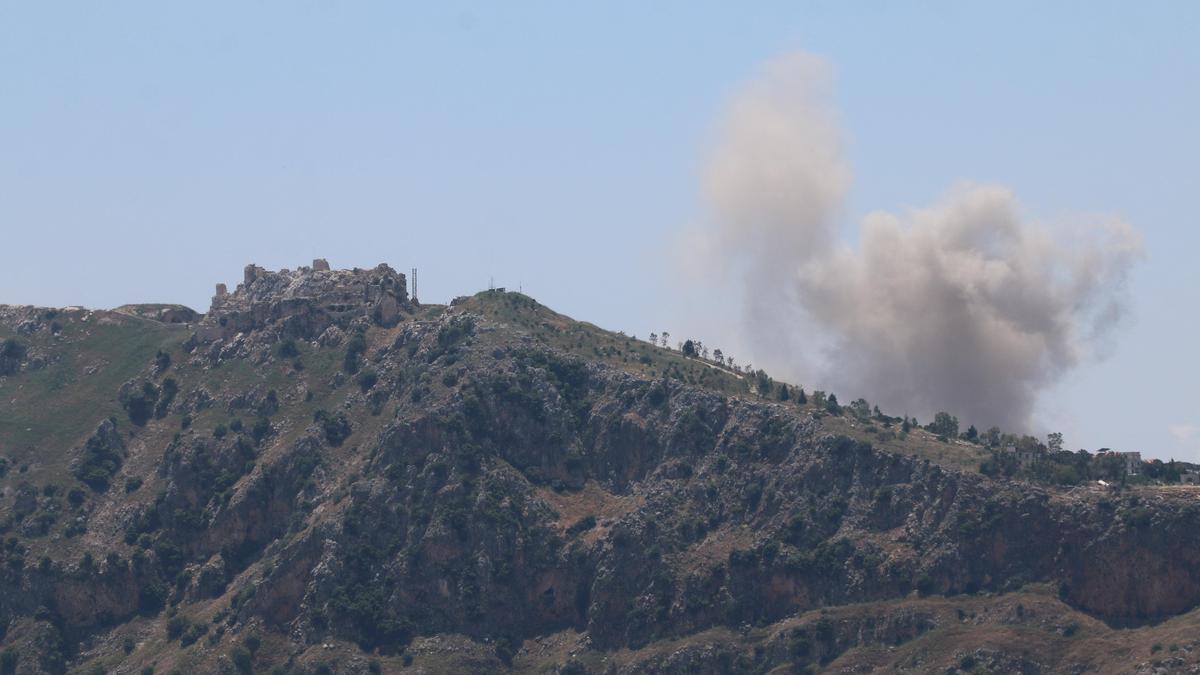
Smoke rises near the Beaufort Castle, as seen from Marjayoun, southern Lebanon, May 29, 2026.
| Photo Credit: Stringer
The Israel Defence Forces announced the capture of Lebanon’s Beaufort Castle or Qalaat al-Shaqif on June 1, 2026. In an official statement, the IDF confirmed the capture and said that the operation was carried out by Israel’s Golani Brigade along the castle’s ridge area to dismantle Hezbollah infrastructure.
Why has Lebanon’s Beaufort castle been captured?
Israel has been carrying out a ground invasion of Lebanon, with devastating air strikes, from early March. Fighting continued between Israel and Hezbollah despite a ceasefire announced by U.S. president Donald Trump on April 17.
Beaufort Castle’s capture by Israel is significant as it sits atop a high mountain ridge and overlooks vast expanses of southern Lebanon and northern Israel, making it an important military asset. It overlooks the Litani River valley and is just outside the major city of Nabatiyeh.
The IDF has stated that the operation to capture the Beaufort was to clear out the Hezbollah infrastructure and eliminate “direct threats to Israeli civilians.”
Meanwhile, Hezbollah said their fighters were still actively battling Israeli troops near Beaufort Castle, describing the situation as a “battle of attrition.”
President of Lebanon, Joseph Aoun, has condemned the capture and said that “Lebanon is facing a fierce and condemned Israeli aggression.”
Beaufort Castle – a historical timeline
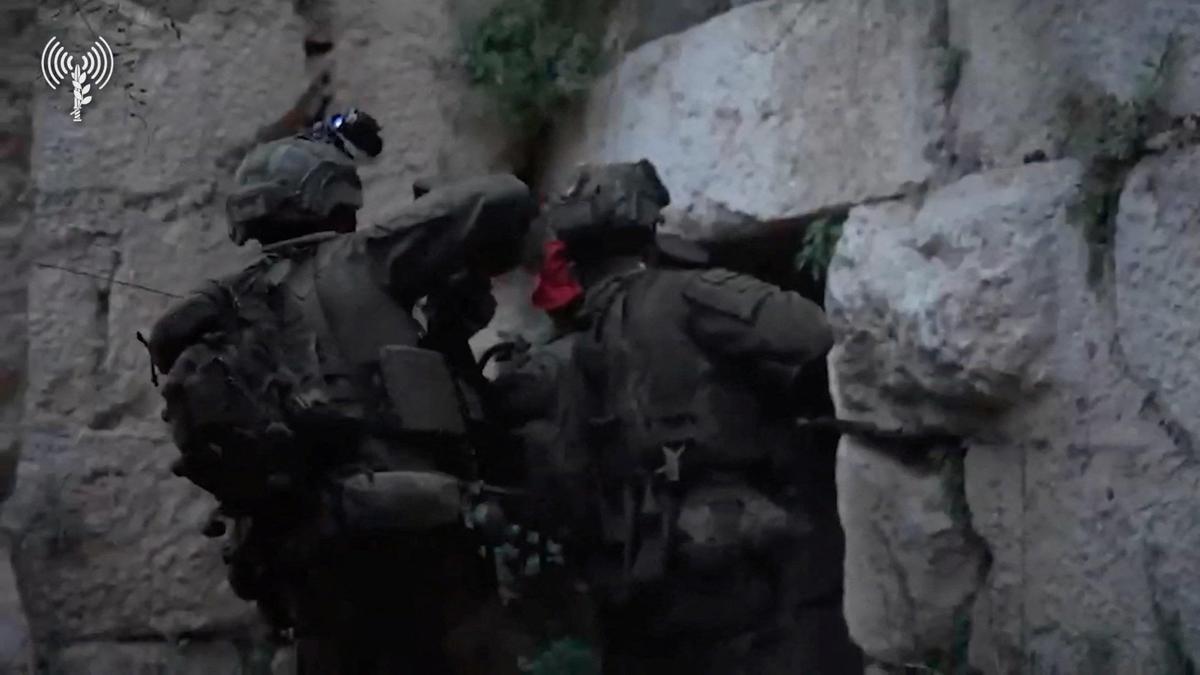
Members of Israeli troops at the 900-year-old Beaufort Castle in Nabatieh Governorate, southern Lebanon, in this screengrab from a handout video released on May 31, 2026.
| Photo Credit:
Israeli military
- 1139 construction: The approximately 889-year-old structure was built by the European Crusaders around the 12th century C.E. and has changed hands multiple times since then.
- Capture by Saladin: The castle was captured from the Crusaders by Muslim military commander Saladin who cemented its role as a stronghold of historic empires between 1189 and 1190.
- Changing of hands: Over the years, it has been captured by the Mamluks, the Ottomans, and eventually the French. The change of hands from the Mamluks, an elite group of enslaved soldiers to the Ottoman Empire and the eventual fall of the castle to the French colonisers saw the enhancement of its strategic importance as a military asset.
- Palestine’s capture: During the 1970s, the Palestine Liberation Organisation or the PLO, took the fortress and launched rocket attacks into Northern Israel.
- 1982 Israeli capture: During the invasion of Lebanon by Israel, the military captured the castle from the P.L.O. A famous moment in history is the Israelis raising their flag on the structure, marking a significant blow to the Palestinian side. A point to note is that Israel’s Golani Brigade is the same IDF militia that took the fort again in 2026.
- 2000: After 18 years of use by Israel’s military as a symbol of its strength and a target of Hezbollah, the Israelis withdrew from the area, blew up their bunkers, and abandoned the castle to be eventually taken over by Hezbollah. It also became a UNESCO-protected tourist attraction.
- 2026: The Israelis capture the fort again, marking the biggest escalation of hostilities and the deepest military incursion into Lebanon by Israel since the dawn of the millennium.

Geographical importance
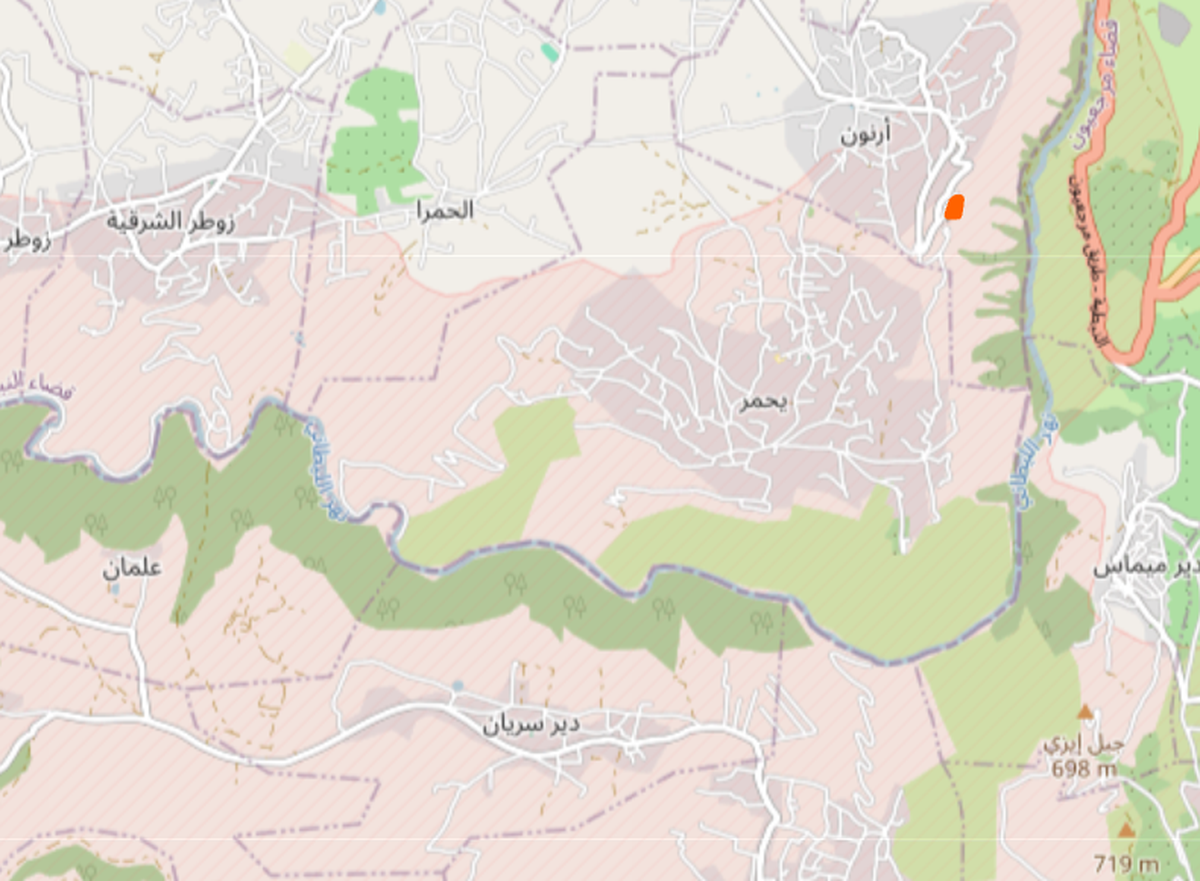
Map showing Beaufort Castle in orange with the Lebanon-Israel border to the south.
Beaufort Castle is geographically strategic as it sits just North of the international border with Israel and a very short distance from the Lebanese city of Nabatiyeh, which is a major economic, political, and cultural hub. Several forces, including the Israeli military and Hezbollah, have used the fort to encircle the important centres of trade in the country and as a starting point for possible military excursions into northern Lebanon.
Beaufort’s topographical advantage
The castle has a 1000-foot or 300m vertical drop owing to a steep mountain and is thus impenetrable from that side, a key factor for the powers(now Israel) controlling the fortress.
The vertical cliff also gives an excellent vantage point for inter-border military strikes, launching of heavy artillery, and surveilling valleys.
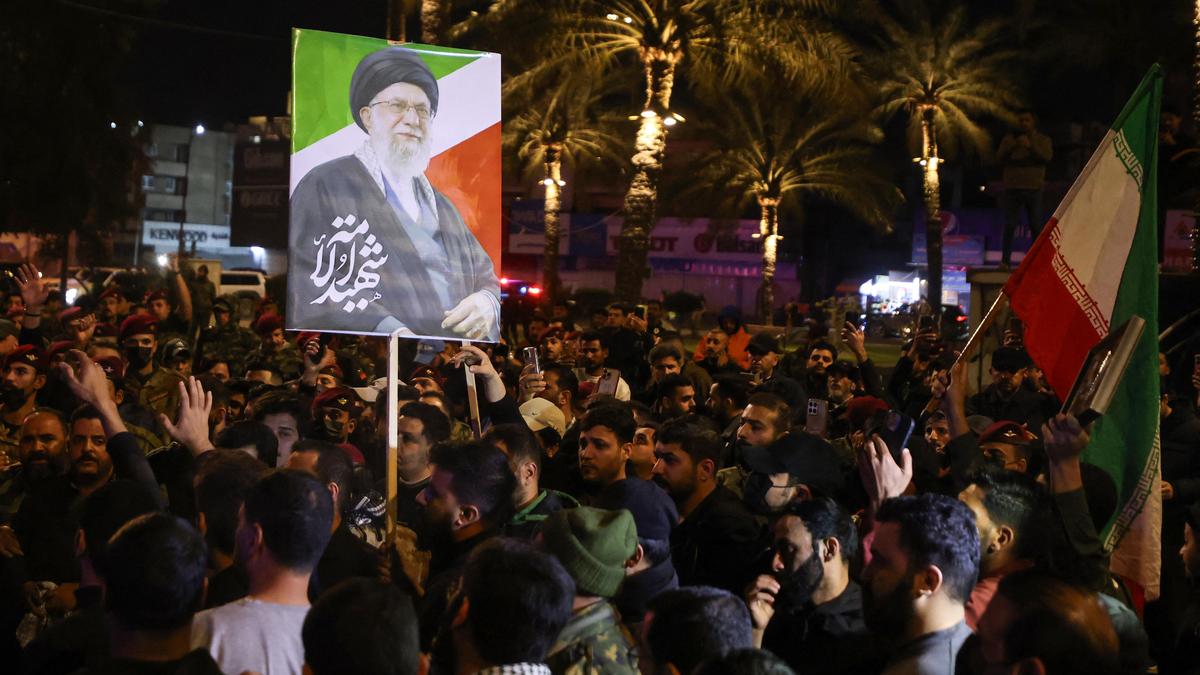
Hezbollah drew Lebanon into the West Asia war on March 2 by firing rockets at Israel in retaliation for the US-Israeli killing of Iran’s supreme leader.
Published – June 02, 2026 10:48 am IST