

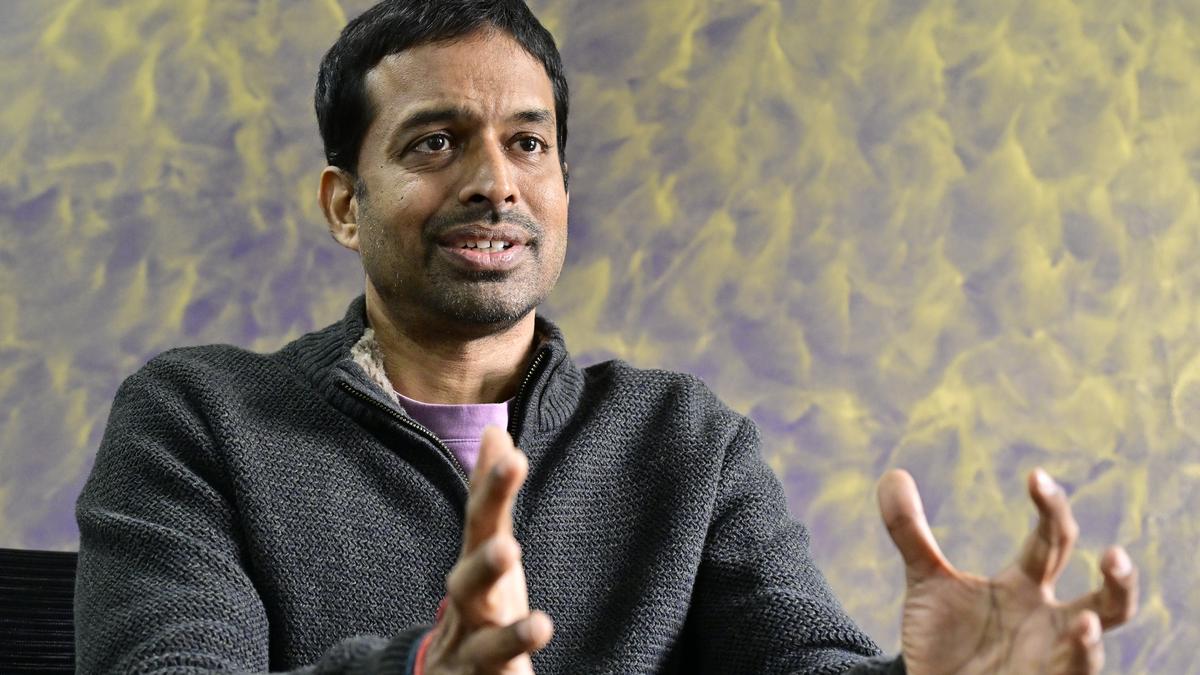
“What not to eat is more important than what to eat,” says former badminton player and chief national coach for the India national badminton team, Pullela Gopichand. In his opinion, there is a lot of focus today on which superfood to eat, but “it is the things you don’t eat that are really going to keep you healthy,” says Gopichand, who has recently co-authored a book, The Longevity Code (Penguin Random House India) with physician-scientist Dr Sophia Pathai.
Nutrition, not surprisingly, is a crucial aspect of this book, which seeks to “decode your biological age, understand the science of ageing, and apply breakthroughs in metabolism, movement, and mental well-being,” as the blurb states. The Longevity Code also examines the science and biology of ageing, the difference between biological and chronological age, understanding resilience, the role of genetics in ageing, the concept of healthspan and why exercise is essential for longevity, among other things.
“Since we have started to live longer than ever before, it also makes sense to live healthier. Both are not necessarily the same thing,” Gopichand says. “People are living longer, but with disease, which doesn’t make so much sense. If you are living longer, you might as well live healthier.”
Gopichand emphasises the importance of the concept of healthspan: the number of years of life spent in good health, free from chronic disease and ageing-related impairments. “For me, some of these things are fundamental. lI jwonder why we are not seeing them.” h
The idea of co-writing the book sprang from the two’s mutual connection: Sateesh Andra, “a long-time friend and someone I deeply admire for his foresight in science and innovation,” writes Gopichand and Sophia in the book.
Sateesh, the Managing Director of Endiya Partners, was Sophia’s friend. “She met me at my academy in Hyderabad, and we started talking,” Gopichand recalls talking to her about his journey, the misconceptions about health he once had, the challenges in this space that both athletes and laypeople often face and how many classical Indian practices, which have been left behind, were actually good for us. “Those kinds of conversations happened, and one thing led to another, and she spoke about writing a book together.”
Their book repeatedly emphasises the value of adopting a lifestyle proven to boost longevity: real food, physical activity, adequate sleep, and stress management. “New age sciences are not tested enough to keep looking at them as miracle answers. We need to get back to simple things: sunlight, sleep, stress a little less, move a little more, stay a little thinner and work a little harder. I think those fundamentals are more critical.”
Moving more is an important part of well-being
| Photo Credit:
KR DEEPAK
Gopichand also believes that many of our traditional practices inherently support a better healthspan. He brings up the example of his grandfather, who is 97 years old, and how he lived when he was younger. “He told me that at 10-10.30 am, he would eat fermented grain with an onion or pickle or something, then go and work in the fields. Then at 5 or 6 in the evening, they would return, eat again and sleep,” he says. Additionally, like other people of that time, his grandfather rarely ate sweets and would walk a lot; they were smaller, had little body fat, and barely had lifestyle diseases, says Gopichand, who thinks that our culture and past ways of living should not have been discarded so willingly.
This current generation, he says, is less fit than our ancestors. “There are reports saying that one in three kids is obese, one in three kids is breathless, six to eight out of 10 kids have flat feet, lower bite and jaw strength as well as the number of teeth are falling. Our average height has stayed the same for 100 years, kids are being born with less muscle and more fat, one in three women have gestational diabetes…the trends are not great.”
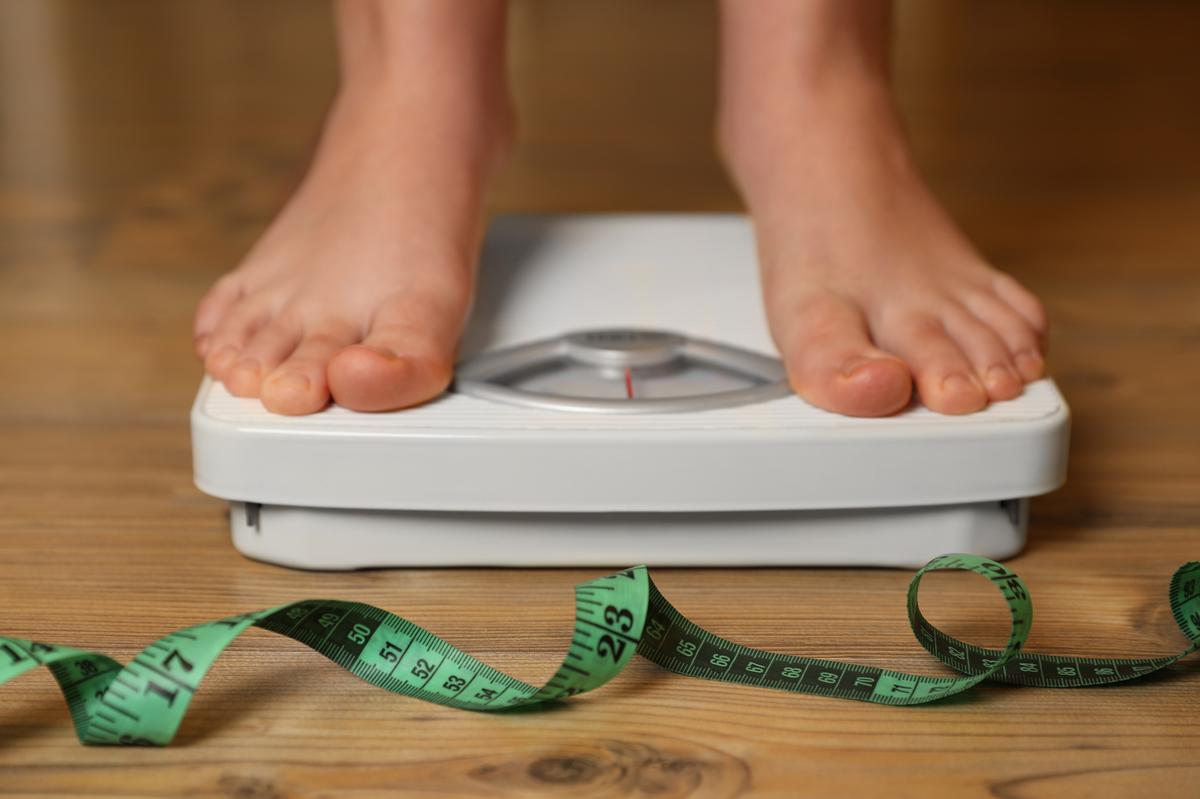
Childhood obesity is growing in the country
| Photo Credit:
Getty Images
Gopichand is concerned not just for individuals, but also for the country, “which has such great potential and wants to be Viksit Bharat or the next Vishwaguru. That talk is of no use if we don’t have inherent strength,” says Gopichand, who believes that India as a nation needs to invest in health. He feels that our focus on detecting and treating diseases rather than preventing them is misplaced. “I think that is an area more people should focus on: prevention, more than detection and curing, is what we would want.”
Published – May 30, 2026 09:45 am IST