



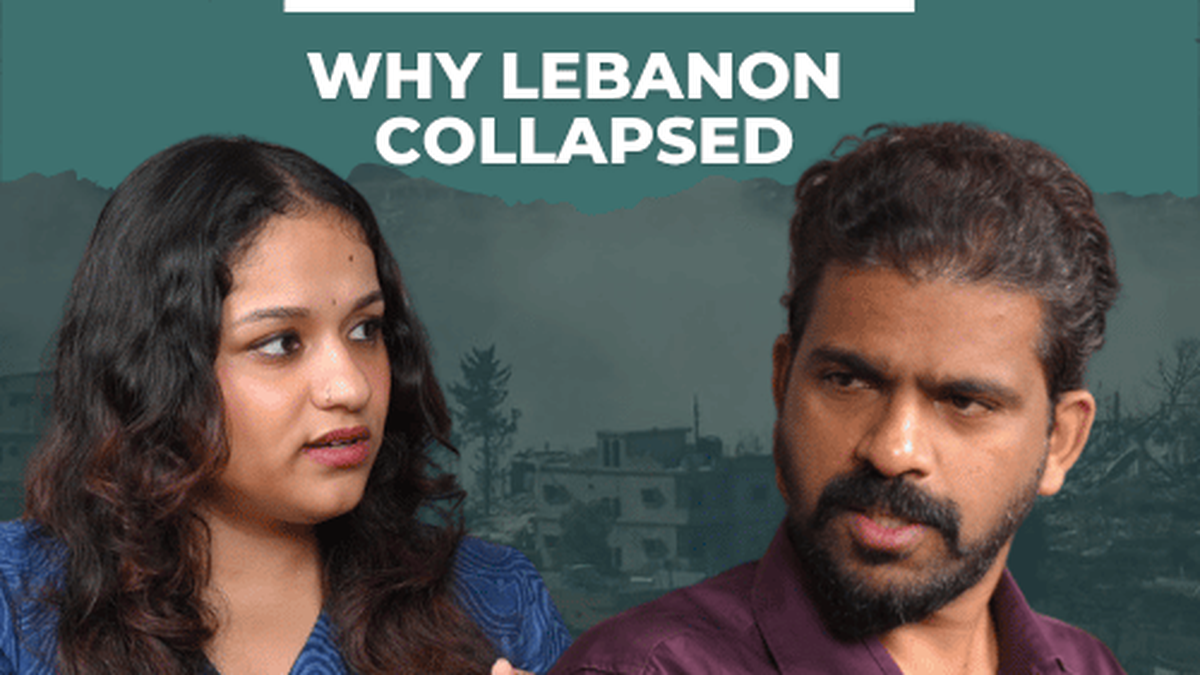
Lebanon’s civil war ended in 1990, but many of the country’s deeper fault lines remained unresolved. In the decades that followed, Lebanon rebuilt its cities and economy, yet sectarian politics, weak institutions, and competing centres of power continued to shape the state.
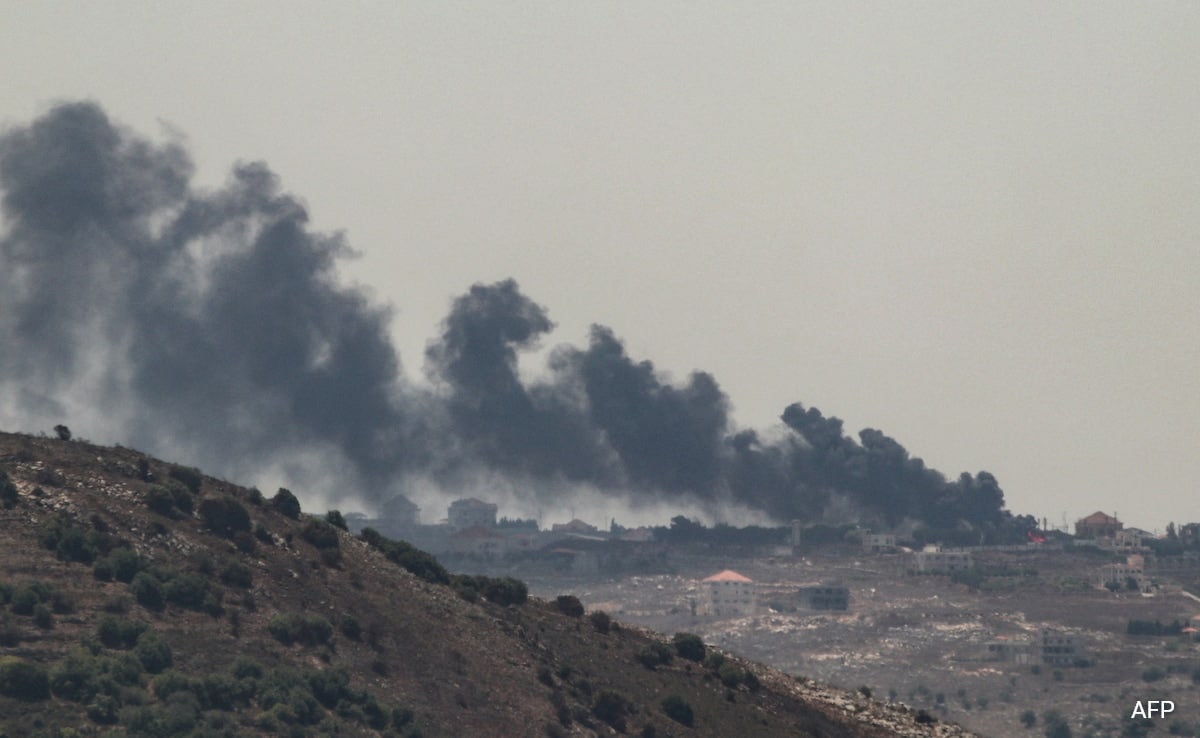
In this second and final part of our Lebanon series on Global Faultlines, we examine the events that pushed the country into prolonged crisis. From the assassination of former Prime Minister Rafic Hariri and the withdrawal of Syrian troops, to the 2006 war between Israel and Hezbollah, the episode traces how regional conflicts continued to reshape Lebanon’s political landscape.
We also look at the impact of the Syrian Civil War, the refugee crisis, the financial collapse of 2019, and the Beirut Port Explosion that exposed the depth of institutional failure in the country.
As tensions rise once again between Israel and Hezbollah, the episode asks why Lebanon remains trapped in recurring cycles of instability, and whether the country can still find a path toward recovery.
Expert: Stanly Johny, International Affairs Editor, The Hindu
Research, Editing and Production: Sharmada Venkatasubramanian
Camera: Shivaraj S
Listen to more Global Faultlines episodes:
Published – May 13, 2026 04:39 pm IST