




As temperatures rise in Chennai during May, the thirst for kindness rises with it. More than ever, the voiceless residents need acts of human kindness to get through their days. A bowl with water or feed is just what the doctor has ordered for animals and birds that are not pets, and have to fend for themselves through the year; and find regular sources of sustenance dry up during peak summer.
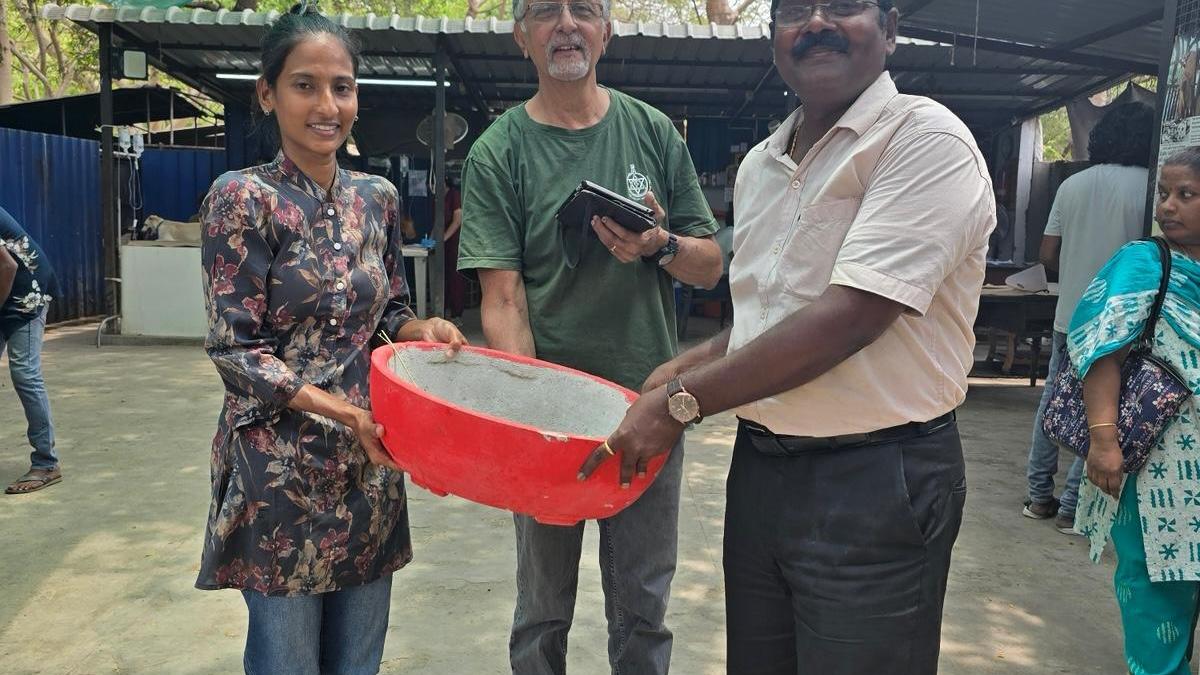
Besant Memorial Animal Dispensary (BMAD) in Besant Nagar is stepping up once again with its free community water bowl initiative. In its fourth year, the initiative distributes cement water bowls free of cost to residents, community feeders and animal lovers keen on placing them outside homes and shops and in street corners.
Bowls for distribution at BMAD in Besant Nagar.
| Photo Credit:
Special Arrangement
The organisation procures the bowls through donations and sponsors, sourcing them from local nurseries and suppliers before distributing them across the city. This year, BMAD initially procured 150 bowls, all of which were claimed within two days.
“We started this because animals on the streets simply have nowhere to access water,” says Neeraja Venkateswaran, Head of Operations at BMAD. “Natural waterbodies have disappeared or become inaccessible because of urban development. What happens then is that these animals end up suffering from dehydration, heat strokes, and many of them do not survive something as basic as the unavailability of water.”
Where kindness swells, strangely, challenges abound. The logistics is daunting, observes Neeraja.
“And sometimes people ask for larger numbers, but we have to make sure everyone gets access fairly. Right now, we are distributing a maximum of one bowl per person. We have now placed another order for 400 more.”
The larger concern lies not in distribution, but maintenance. A neglected water bowl can quickly become unhygienic in Chennai’s summer heat.
“People should ensure that the water is changed regularly because stagnant water becomes a breeding ground for mosquito larvae,” Neeraja explains. “And if larger animals like cows or horses come there often, it is better to create a permanent water trough because the cement bowls can break.”
The water bowls can be picked up from the BMAD office from Monday to Saturday between 09:30 a.m. and 12:00 p.m., and again from 02:30 p.m. to 04:00 p.m. Beyond the bowls themselves, Neeraja believes there are countless small acts that can help animals survive the season. These include offering simple meals such as vegetable broth or chicken broth mixed with leftover rice; creating shaded spaces for animals to rest during peak afternoon heat; if possible, allow community dogs to sit inside gated areas or verandahs for some time during extremely hot afternoons.
For further details, BMAD can be contacted via the official email ID: admin.bmadts@gmail.com. They can also be reached through their official Instagram and Facebook handle: @besantmemorialanimaldispensary.
Coconut bowls for feathered residents
A coconut shell bird feeder workshop was organised by Thuvakkam on May 9 at the NGO’s head office in Valasaravakkam, bringing together constituencies across demographic divides. The exercise splices urban bird care and sustainable living.
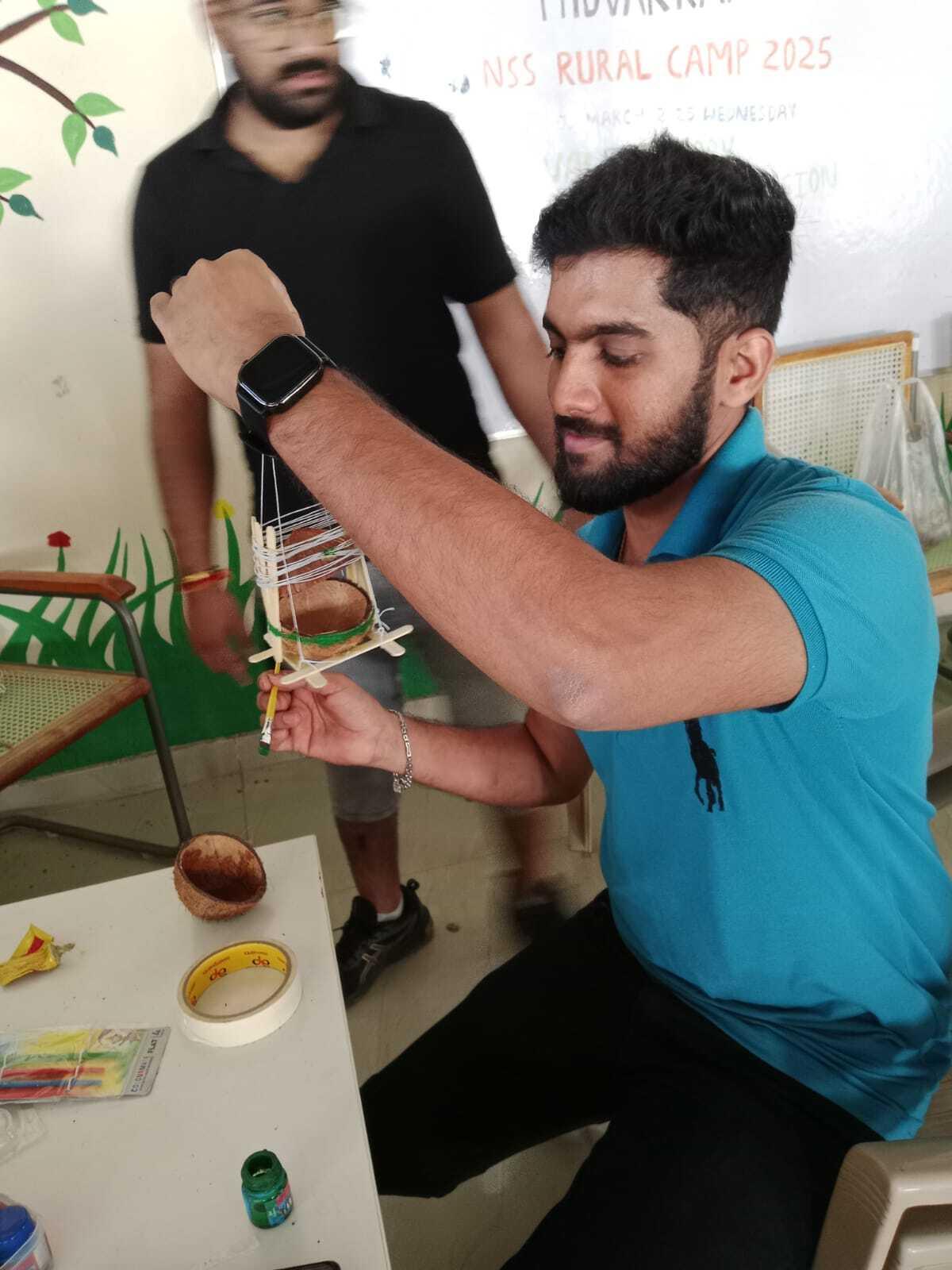
The making of a coconut shell feeder for birds.
| Photo Credit:
Special Arrangement
The workshop introduced participants to the process of converting discarded coconut shells into eco-friendly bird feeders.
“Our main aim is to make sure every terrace has an eco-friendly bird feeder so that birds can also survive during summer,” says Kodama Durga Prasad, executive associate — Programs and Volunteering. He added, “Those who do not have space to hang it on their terrace can make use of the urban forests around the city.”
A DIY project
1. Take a dry coconut shell and remove all the inside flesh
2. Wash and sun-dry it completely
3. Smooth the edges using sandpaper so it is safe for birds
4. Make 2–3 small holes near the rim using a drill or heated nail
5. Pass jute rope or strong string through the holes and tie secure knots
6. Create a loop at the top for hanging
7. Optional: Add a small stick across the shell as a perch
8. Fill it with millets, rice grains, broken wheat or sunflower seeds
9. Avoid salty, spicy or cooked food
10. Hang it in a shaded and safe place away from cats
11. Refill food regularly and clean the shell once a week to maintain hygiene
Published – May 09, 2026 10:22 am IST