




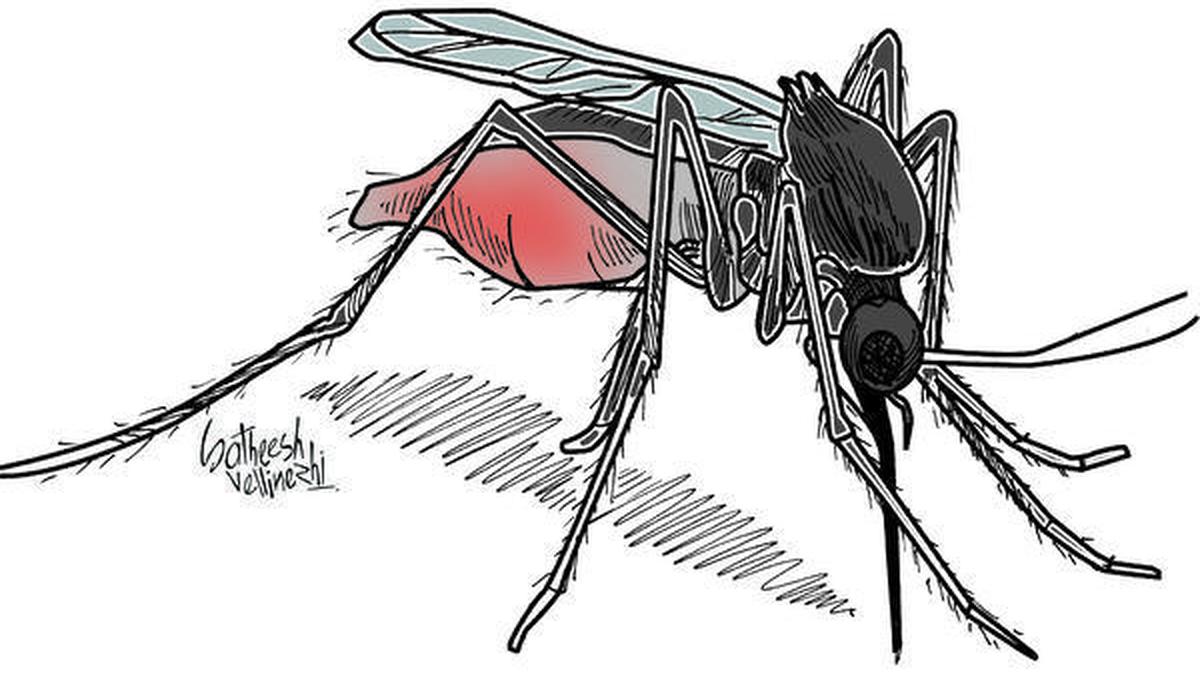
The health authorities have sounded caution on the prevalence of mosquito-borne diseases during the summer months. Ernakulam has reported a total of 239 dengue cases, of which 78 were confirmed cases in April. A case of malaria was reported from Thrikkakkara on April 25.
Mosquito-borne diseases, including dengue, chikungunya, West Nile fever, and malaria, continue to be reported in the district, said Dr. R. Shahirsha, District Medical Officer, Ernakulam.
“Although the incidence is lower compared to last year, vigilance remains crucial in preventing these diseases. Source reduction and preventing mosquito breeding sites must be prioritised. Along with this, observance of the mandatory ‘Dry Day’ is essential at homes and establishments,” he said.
He added that in the case of diseases such as dengue and chikungunya, transovarial transmission could spread the pathogen up to six generations, making source reduction a necessary part of daily life. “Even indoor plants kept in water can become breeding grounds, and they should be avoided. Regular screening for malaria among migrant populations in cases of fever is also important,” he said.
Dr. Reshmi Ramachandran, Associate Professor, Community Medicine, Government Medical College, Ernakulam, said malaria cases had been observed among migrant labourers.
“We need to remain vigilant. There have been no indigenous cases so far. Most are imported. Addressing this is challenging as there is no structured screening process. While efforts are being made to collect samples and conduct screening, tracing patients after diagnosis is difficult as they tend to leave once diagnosed with a disease, which can lead to incomplete treatment and increased risk,” she said.
Vector-borne diseases are not absent during summer, but the focus often shifts to water-borne illnesses, leading to oversight, said Dr. Rajany Jose, Associate Professor in Community Medicine, Government Medical College, Ernakulam. “Kerala remains vulnerable to most mosquito-borne diseases, with malaria cases largely seen among migrant populations. Water storage and intermittent rains can create ideal breeding grounds for mosquitoes thereby increasing the risk,” said Dr. Jose. So, people need to be vigilant during summer also, she added.
“Since we collect water and keep it for consumption during the summer months, especially in areas facing water shortage, it provides an ideal mosquito breeding site. Following hygienic measures and preventing water stagnation are essential,” she said. Consistent field surveillance and control measures are necessary to keep diseases such as malaria at bay, she added.
Published – May 08, 2026 02:21 am IST