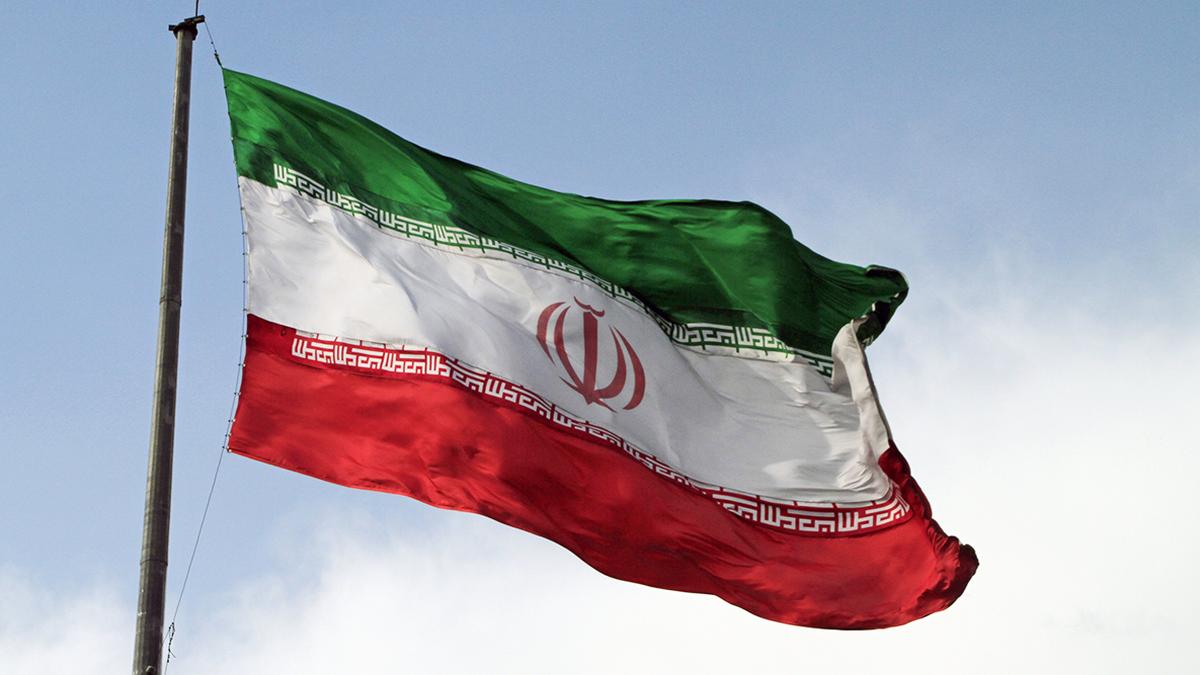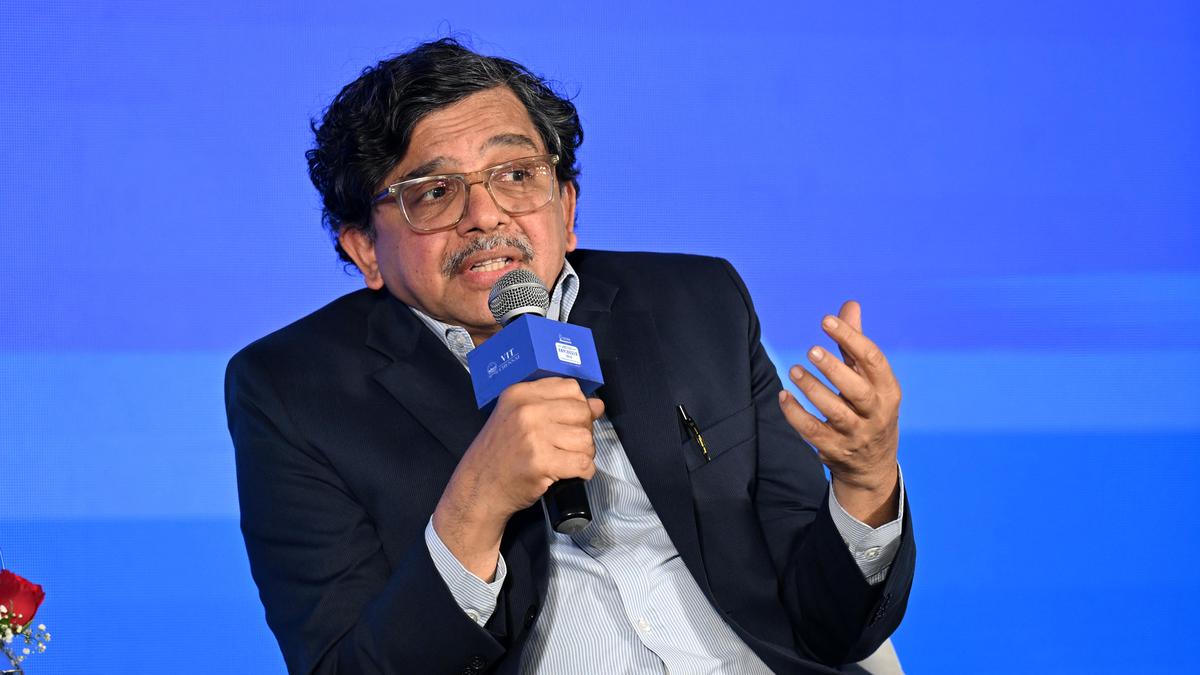




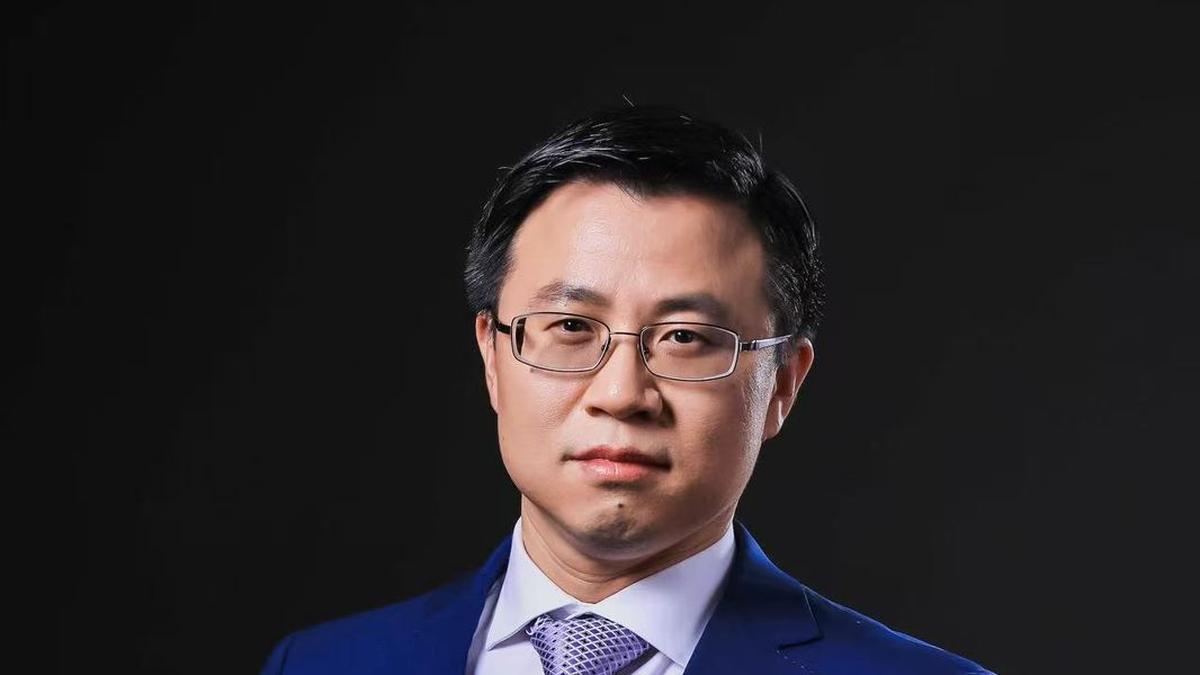
In an interview with The Hindu, Wang Dong, professor at the School of International Studies at Peking University and executive director of the Institute for Global Cooperation and Understanding, who is a leading Chinese expert on global governance and China-U.S. relations, shares a perspective on how the attack on Iran by the U.S. and Israel, and the ongoing crisis engulfing West Asia, is being seen in Beijing.
How do you view the strikes by the U.S. and Israel and the latest developments in Iran? Are you surprised?

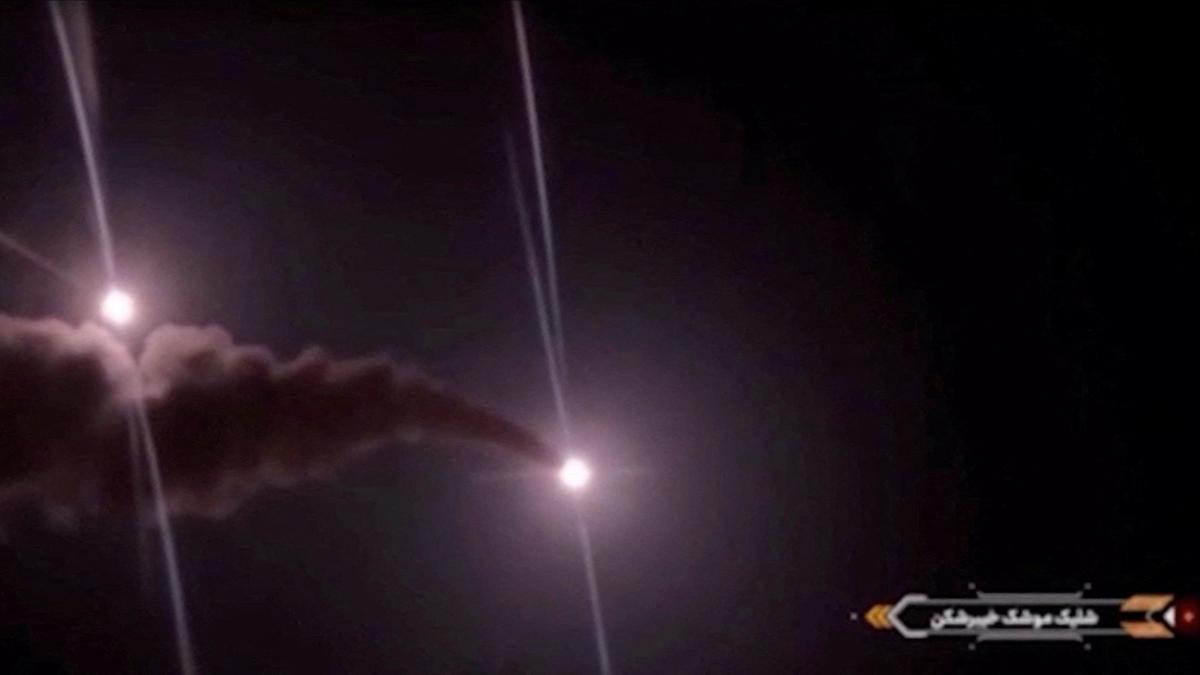
The latest military strikes against Iran have triggered a dangerous escalation in the Middle East [West Asia], pushing the region to the brink of a full-scale conflict. As an observer, I am deeply alarmed, rather than surprised. For years, tensions have been building over regional security, nuclear non-proliferation, and external intervention. What has happened is a reckless breakdown of restraint, violating the sovereignty of a UN member state and disregarding basic norms of international relations. Such moves will not resolve disputes; they will only fuel cycles of retaliation, humanitarian suffering, and wider instability. The international community should recognise that military adventurism carries catastrophic, long-term costs for the entire region and global energy and security systems.

China’s initial official statement on February 28 said it was “highly concerned over the military strikes” and called “for an immediate stop of the military actions”. But it did not condemn the strikes, which struck me as a rather measured response. How did you see China’s statement?
First, I need to correct this factual inaccuracy: China has explicitly and clearly condemned these military strikes. China’s position is consistent and firm. It opposes and condemns the use of force against sovereign states, stresses respect for sovereignty, independence and territorial integrity, and calls for an immediate end to military actions. This is not “measured restraint” but a principled stand anchored in the UN Charter and international law. China’s response is calm, responsible, and focused on de-escalation, not inflammatory rhetoric. It rejects bloc confrontation and power politics, and advocates dialogue as the only viable path. This is what a responsible major power should do.
China is among the biggest importers of oil from Iran. Do you see any impact on China’s energy security? How in your view will Beijing deal with this new situation?
Escalating tensions in the Persian Gulf inevitably create uncertainties for global energy markets and importers like China. Disruptions to production and shipping could push up prices and increase supply volatility, which does not serve anyone’s interest. However, China’s energy security strategy is diversified: it relies on multiple sources, routes and types of energy, reducing over-dependence on any single region. Beijing will continue to pursue normal economic and energy cooperation with Iran on the basis of mutual respect and international law. At the same time, China will step up diplomacy to promote de-escalation, because stability in the Middle East [West Asia] is the fundamental guarantee of energy security. Short-term market fluctuations are manageable; long-term regional chaos is the real risk.
Iran is a member of both the BRICS and the Shanghai Cooperation Organisation. How do you see this crisis as a challenge to the relevance of these groupings, and where do they go from here?
The crisis does pose a test for BRICS and the SCO, as both are platforms for multilateral cooperation that uphold sovereignty, dialogue and collective security. The challenge is whether these mechanisms can translate their principles into coordinated action to cool tensions. Rather than being weakened, these groupings can play a unique role: they are not military alliances, so they can act as honest brokers. They can urge respect for sovereignty, push for ceasefire and negotiation, and help insulate economic and development cooperation from geopolitical confrontation. This crisis actually underscores why such inclusive, rule-based multilateral frameworks are indispensable: they provide an alternative to bloc politics and unilateralism.
President Trump is expected in Beijing in a few weeks. Do you see any impact on the upcoming China-U.S. Summit?
The recent U.S. military operations against Iran have added new uncertainties to regional and global security, and have inevitably affected the external environment for China-U.S. relations. As a scholar, I believe such escalating tensions in the Middle East [West Asia] are not conducive to building a stable and constructive atmosphere for high-level exchanges between major countries.
On the prospect of a possible China-U.S. presidential summit, it should be emphasised that China has not confirmed any relevant arrangements. We have maintained that the two sides are in communication and coordination, and no final decision has been made. Major-country diplomacy requires careful preparation and a sound atmosphere. At a time of heightened regional tensions and complex global dynamics, it is even more necessary to conduct thorough communication and ensure that any high-level meeting will be constructive.
China always advocates resolving disputes through dialogue and diplomacy. We are committed to managing differences with the U.S. in a constructive manner and are open to high-level interactions on the basis of equality and mutual respect. The timing and agenda of any summit should serve the steady and sound development of China-U.S. relations, rather than being disrupted by unexpected regional conflicts.
Have the developments in Venezuela and now Iran changed your view of, firstly, U.S. foreign policy under Trump, and secondly, how we might look at U.S. power in the world today?
Recent interventions in Venezuela and Iran reveal a consistent pattern: a reliance on unilateral coercion, regime-change attempts, and military means as tools of foreign policy. This approach reflects a belief in military primacy and a disregard for international law and sovereign equality. It is also important to note that a majority of the American public actually opposes these military actions.
As for U.S. power, these actions show that the U.S. still possesses strong military and coercive capabilities, but they also expose the limits of military supremacy. Unilateral moves generate strong resistance, damage U.S. credibility, and alienate partners. Hard power alone cannot sustain legitimate leadership; it breeds resentment and counter-balancing. U.S. influence is increasingly contested, and its ability to impose outcomes unilaterally is declining.
Have the past few months changed your view of the world order as it stands today? Do these events speak to a world that’s still very much unipolar, or on the other hand, do these developments in some sense reflect a transition away from a unipolar, U.S.-led world?
The past months have reinforced my judgment: we are in an era of transition from unipolarity to multipolarity, not a still unipolar world. The U.S. still tries to act unilaterally, but it faces stronger pushback from sovereign states, regional groups and global public opinion. More countries refuse to choose sides or accept hegemonic dictates. The very fact that many nations, including major powers, condemn or oppose military strikes shows that the old unipolar system no longer works. These crises are not proof of lasting unipolar dominance; they are the last spasms of a fading order. The trend toward greater pluralism, multipolarity and rule of law is irreversible.
Going back to the U.S. war in Iraq, what impact do you think it had on both China-U.S. relations and China’s rise in the decades since? Do you see any parallels today?
The Iraq War was a turning point. It drained U.S. resources, eroded its moral authority, and diverted its strategic focus, creating a relatively permissive external environment for China’s development. It also deepened global scepticism about unilateral military intervention. For China-U.S. relations, it highlighted the costs of hegemonic overreach and gradually shaped a more competitive yet interdependent structure. There are surface parallels today: reliance on military force, disregard for international norms, and intervention in the Middle East [West Asia]. But the world is fundamentally different. Global multipolarity is deeper, public resistance to war is stronger, and economic interdependence is far more complex. The lesson from Iraq is clear. Military ventures do not bring victory or stability. They bring chaos and long-term decline. That lesson must not be ignored.