


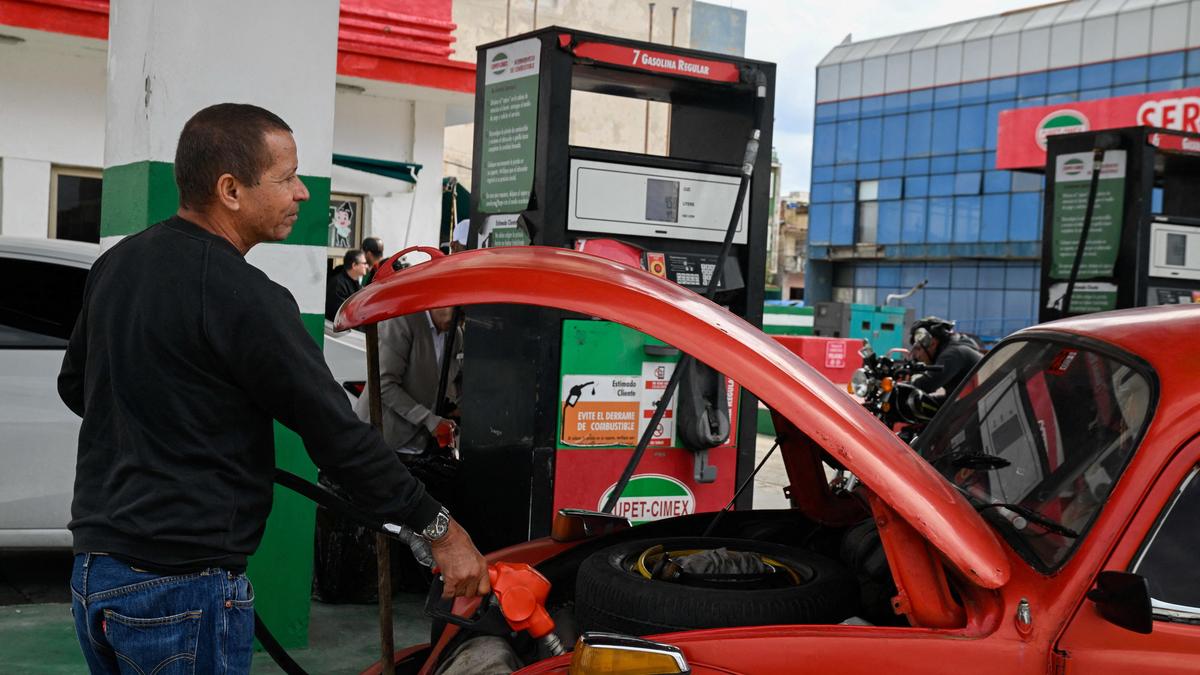
In what is potentially an existential crisis for the socialist nation, Cuba is left with just 15 to 20 days of oil at current levels of demand and domestic production, according to the data analytics firm Kpler. The crisis was triggered by the U.S. military operations in Venezuela that abducted President Nicolás Maduro.
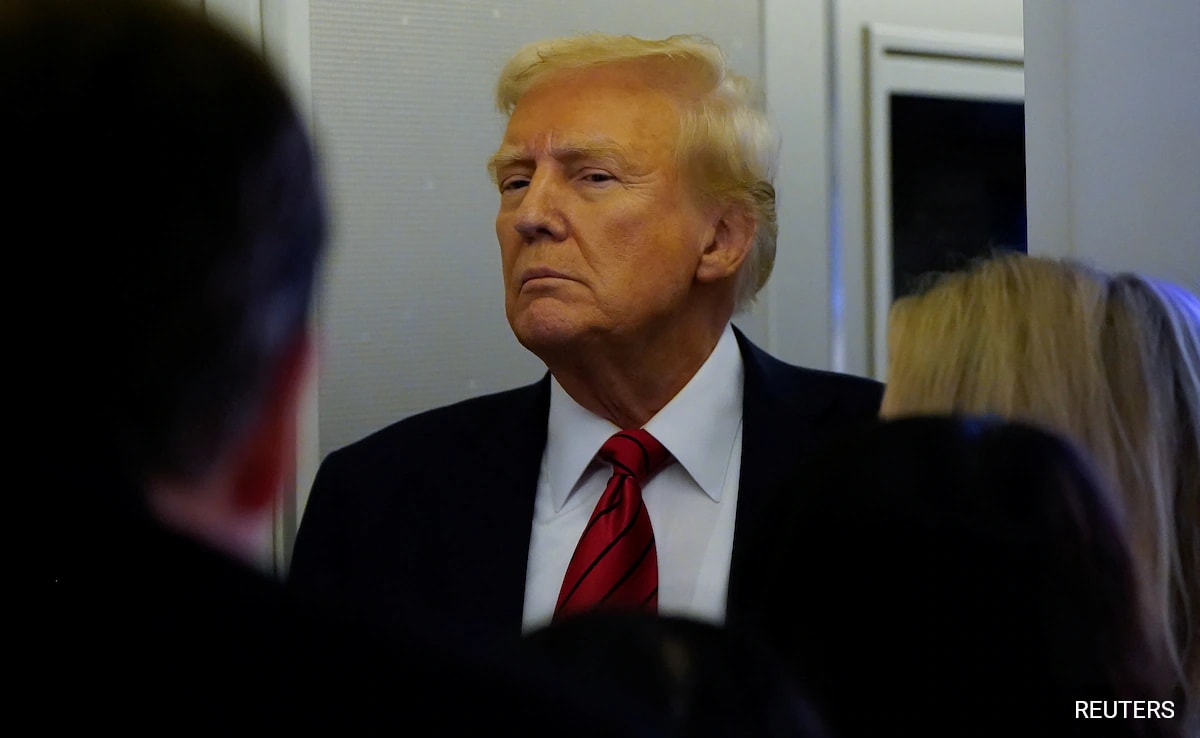
The attack followed a naval blockade that led to the U.S. illegally interdicting ships transporting oil from Venezuela to countries, including Cuba. It has been exacerbated by an executive order signed by U.S. President Donald Trump on January 29, which threatens punitive tariffs on any country selling oil to Cuba.
Cuba’s dependence on oil is structural as it accounts for 83% of total power generation and oil products make up 56% of total energy consumption across industry, transport, agriculture and households. For a country that imports roughly 80% of its food, power blackouts are catastrophic, as they disrupt refrigeration that is vital to preserving perishables.
The Venezuelan oil that flowed to Cuba, under the oil-for-doctors scheme instituted by former Venezuelan President Hugo Chávez, was a major lifeline for the nation and its primary source of imported oil. In 2022, Venezuela supplied 75% of Cuba’s crude oil imports. This dropped to 58% in 2023, when Cuba diversified as Mexico emerged as a significant supplier with a 31% share. By 2025, after Mr. Trump returned to power, oil imports had shrunk drastically. Venezuela still supplied an average of 46,500 barrels of oil per day to Cuba in December 2025, before this dropped to zero following Mr. Maduro’s abduction.
Mexico stepped in to fill the gap, but the January 29 order put enormous pressure on the country and its President Claudia Sheinbaum. She initially called the halting of a planned shipment a “sovereign decision”. But Mr. Trump claimed on Saturday that Ms. Sheinbaum had agreed to stop oil shipments at his request—a claim she explicitly denied, stating, “We never discussed with President Trump the issue of oil with Cuba.”
She later said Mexico was “exploring all diplomatic avenues” to send fuel as humanitarian aid. The threat that Mexico’s crude could be seized if Mr. Trump proceeded with a total oil blockade appears to have constrained Mexico’s options, particularly with a key free-trade pact with the U.S. and Canada up for renegotiation this year.
Economic coercion
The current crisis in Cuba is also the culmination of a six-decade-old policy of economic coercion by the U.S. What Cubans refer to as the “blockade” began in 1962 following the Cuban Revolution and nationalisation of industries, including foreign-owned enterprises. This embargo was later reinforced in 1992 by the “Torricelli Act”, which prohibited foreign subsidiaries of U.S. firms from trading with Cuba and barred ships that had docked in Cuba from entering U.S. ports for 180 days.

The 1996 Helms-Burton Act codified the embargo into law, extended sanctions to foreign companies doing business in Cuba, and allowed U.S. citizens to sue foreign investors using confiscated American property. The first Trump administration redesignated Cuba as a “State Sponsor of Terrorism” in January 2021, days before leaving office, deepening its financial exclusion from world trade. Cuban authorities have documented over 1,000 instances of foreign banks refusing services between 2021 and 2024.
Call for regime change
In the second Trump administration, U.S. policy towards Cuba is fronted by Secretary of State Marco Rubio, the son of Cuban immigrants who left Cuba in 1956. Mr. Rubio grew up immersed in Miami’s Cuban émigré community, where memories of the island and deep hostility towards the Castro government have remained powerful forces. He has openly called for regime change in Havana. “This is our hemisphere,” Mr. Rubio declared on X after the January 3 attack on Venezuela.
Cuba has weathered severe economic crises before. Following the collapse of the Soviet Union—Cuba’s major trading partner, which had provided subsidies averaging $4.3 billion annually—the island endured what it termed the “Special Period” through the 1990s. GDP fell by 35% between 1989 and 1993, and Cubans faced severe food shortages. The government responded with partial economic liberalisation, allowing small businesses and decriminalising the circulation of U.S. dollars. More recently, it has permitted the establishment of micro, small and medium enterprises (MSMEs). But these reforms have proved insufficient against the combined weight of the embargo and subsequent sanctions.
The current crisis may be more severe. The Special Period came with suffering but also with the eventual emergence of Venezuela as an economic lifeline under Hugo Chávez in the 2000s. Today, that lifeline has been severed by U.S. military action, and the executive order explicitly threatens any government contemplating humanitarian relief through fuel supplies.
The January 29 executive order declares Cuba “an unusual and extraordinary threat” to U.S. national security, citing alleged alignment with Russia, China, Iran, Hamas and Hezbollah. It claims Cuba “hosts Russia’s largest overseas signals intelligence facility” and provides “a safe haven for transnational terrorist groups”. No evidence has been provided for these allegations.
Defiant Havana
Cuba’s Foreign Ministry has categorically denied accommodating, supporting, financing, or permitting terrorist groups, and has offered to cooperate with the U.S. on counter-terrorism, anti-money laundering, drug trafficking, and cybersecurity. The executive order also accuses Cuba of “destabilising the region through migration”, an assertion that inverts cause and effect, given that Cuban migration is driven substantially by economic hardship resulting from U.S. sanctions.
The Cuban government has remained defiant. President Miguel Díaz-Canel posted on X: “The harshness of these times and the brutality of the threats against Cuba will not hold us back.” Meanwhile, Mr. Trump has suggested negotiations are underway, stating, “I think we’re going to make a deal with Cuba,” though he offered no specifics. Mr. Trump’s actions suggest this is less an opening than another pressure tactic aimed at bringing down the communist government. One outcome, however, is certain: ordinary Cubans—already enduring 12-hour-plus power blackouts and severe fuel shortages—will bear the brunt of the situation.
Published – February 04, 2026 05:19 pm IST