


The thrill of live performances and the euphoric atmosphere of large music events may leave behind more than just memories. New research published in Scientific Reports suggests that prolonged exposure to loud music can cause long-lasting hearing damage.
The study conducted by Nele De Poortere, a postdoctoral researcher, and her colleagues at Ghent University in Belgium focused on “hidden” hearing damage caused by subtle but irreversible changes in synapses — the small nerve connections within the inner ear. Because this damage doesn’t immediately reduce hearing sensitivity, standard hearing tests often miss it, raising the possibility of an under-recognised public health concern.
“Our study aimed to identify subtle, early-stage forms of noise-related hearing damage and objective markers that could reveal them, to improve early detection, prevention, and clinical care for people at risk who currently fall outside conventional diagnostic criteria,” Dr. De Poortere said.
Hidden damage
The cochlea, a spiral-shaped chamber in the inner ear, converts sound vibrations into electrical signals that the brain can interpret. The synapses connect sensory hair cells in the cochlea to auditory nerve fibres, transforming sound pressure changes into electrical impulses that are relayed to the brain. Conventional noise-induced hearing loss results from damage to hair cells and appears as reduced hearing sensitivity on audiograms.
However, research in animal models and human cadavers has shown that prolonged exposure to loud noise can also damage synapses without affecting hearing thresholds, a condition known as cochlear synaptopathy.
According to Aravindakshan Parthasarathy, assistant professor of Communication Science and Disorders at the University of Pittsburgh, who wasn’t involved in the study, clinical hearing assessments still rely primarily on measuring the softest sounds a person can hear.
“Hidden hearing loss, by contrast, shows up as difficulty understanding speech in noisy or complex environments, even when hearing thresholds are normal,” he said.
Dr. De Poortere described hearing loss as turning the volume knob down on a radio so the sound becomes faint. Hidden hearing damage, she said, is more like signal interference or a damaged cable where the volume may be adequate, but clarity is lost, especially when there’s background noise.
“This challenges the assumption that a normal audiogram means no hearing damage.”
“Since we don’t test for these kinds of difficulties in the clinic today, despite hearing in challenging and noisy environments being the primary complaint of most patients, it has earned the moniker of hidden hearing loss,” Dr Parthasarathy added.
Objective measures
Sound levels are tightly controlled during clinical hearing tests, but at music festivals, peak levels often exceed recommended limits, making objective measurement difficult. By combining personal sound measurements with feedback from people who have attended concerts, the researchers were able to assess noise exposure in real-world settings.
They measured hearing-related parameters and physiological markers of cochlear synaptopathy before and after the participants attended the events. The study found that a substantial proportion of attendees experienced symptoms such as muffled hearing, suggesting their auditory systems had been pushed beyond their capacity. Notably, people who consistently used hearing protection over the years had markedly better hearing than those who did not, highlighting the long-term benefits of preventive measures.
Dr. Parthasarathy said the study’s strength lies in its use of objective measures of cochlear synaptopathy and real-world noise exposure tracked with personal dosimeters, rather than relying on participants’ recollections, which are often unreliable. He also said that a key limitation is the wide variability in responses, with only some participants showing measurable effects despite similar noise exposure.
“This variability likely reflects a complex interaction between multiple factors, including cumulative noise exposure, timing and intensity of exposure, genetic predisposition, age, biological sex, general health, and potentially lifestyle- or environment-related factors,” Dr. De Poortere explained.
Hearing crisis
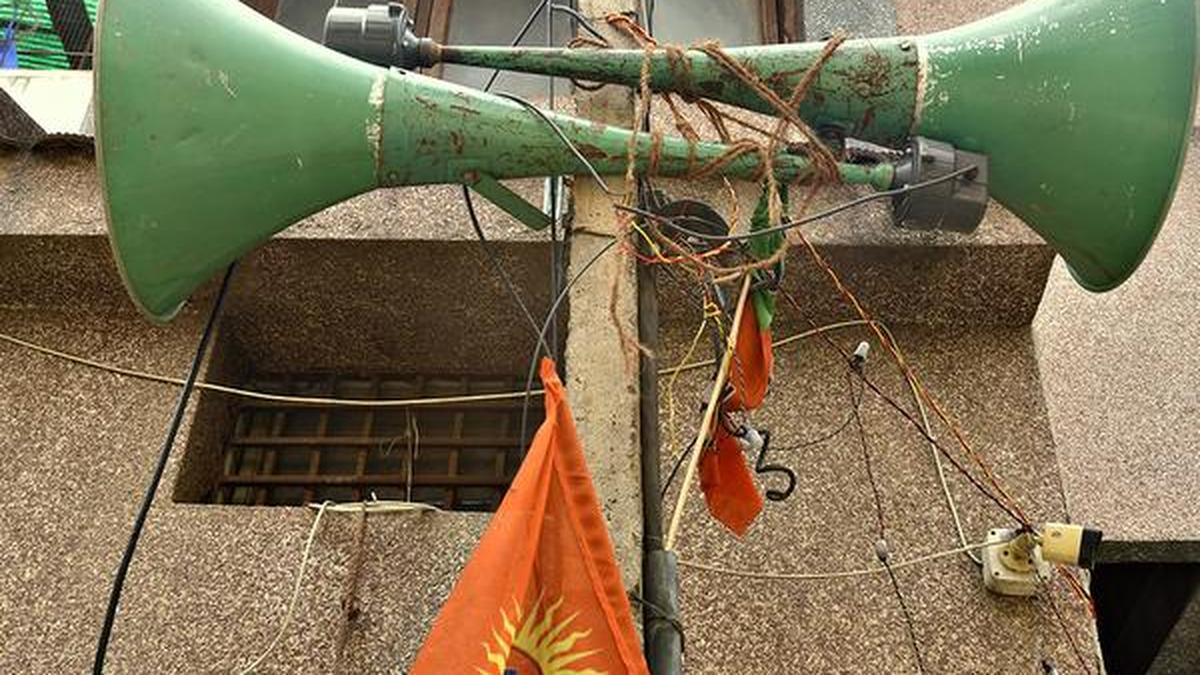
Beyond music festivals, noise levels at public gatherings, political campaigns, and religious events in India often exceed safe limits, adding to daily exposure. According to Prashasti P. Poovaiah, a professor at the Father Muller College of Speech and Hearing in Mangaluru, continuous exposure to noise levels above 80 decibels, particularly steady noise over several hours, can damage hair cells, synapses or both.
“Impulse noises, such as those at weddings or DJ concerts, can have a more severe and immediate impact,” he said.
Even a single episode of intense noise exposure can temporarily reduce hearing sensitivity and cause ringing in the ears, while repeated or prolonged exposure can cause permanent damage.
Dr. Parthasarathy noted that many developed countries enforce strict noise limits in workplaces and residential areas. Yet hidden hearing loss persists, suggesting that current safety thresholds may need to be reevaluated.
“In India, these limits are often poorly enforced or absent, so the extent of damage is likely much greater,” he said.
Many people, he added, notice difficulties only in noisy social or work settings, despite appearing to hear normally at home.
Ananthanarayan Krishnan, emeritus professor at Purdue University in the US and auditory researcher at the All-India Institute of Speech and Hearing, Mysuru, also highlighted the adaptability of the human auditory system.
We know that only about 50% of synapses are needed to maintain normal hearing thresholds. “In India, with people constantly listening to music while navigating traffic and a range of other everyday noises, it is possible that the auditory system has functionally adapted to improve speech perception in background noise and complex listening environments,” he said.

Such adaptations, however, may mask early damage.
“Hearing loss in one ear can go unnoticed if the other ear is normal. In India, stigma around hearing loss may further delay diagnosis,” he said.
Dr. Krishnan added that while cochlear synaptopathy is often identified in children in Western countries, in India, it is more commonly detected in young adults, suggesting a delay in recognition because audiograms appear normal.
Tara Sankar Roy of the All-India Institute of Medical Sciences, Delhi, said studies from other Asian countries link moderate-to-high-decibel exposure with hearing loss whereas Indian data remain scarce.
“We lack studies on how loud, momentary sounds affect auditory pathways in Indian populations,” he said.
Early prevention
Cochlear synaptopathy often precedes hair cell damage and may offer an early sign of hearing loss, but reliable diagnostic markers remain limited. Experts caution that gaps between animal and human data persist, underscoring the need for new experimental and clinical approaches.
“Key unanswered questions include how subclinical auditory damage progresses over time, who is most vulnerable, and whether these early changes can predict later, more obvious hearing loss,” Dr. De Poortere said.
Clinically, she added, the findings reinforce the need for more sensitive diagnostic tools and stronger emphasis on early prevention and education, particularly for younger people who may accumulate damage long before symptoms appear.
Shweta Yogi is a freelance science writer.