
Skip to content
  • Facebook
  • X
  • Linkedin
  • WhatsApp
  • YouTube
  • Associate Journalism
  • About Us
  • Privacy Policy
  • 033-46046046
  • editor@artifex.news
Artifex.News

Artifex.News

Stay Connected. Stay Informed.

  • Breaking News
  • World
  • Nation
  • Sports
  • Business
  • Science
  • Entertainment
  • Lifestyle
  • Toggle search form
  • Access Denied Sports
  • Journalists not employees under Unfair Labour Practices Act as they enjoy special status: Bombay High Court
    Journalists not employees under Unfair Labour Practices Act as they enjoy special status: Bombay High Court Business
  • Expelled Congress Leader Sanjay Nirupam Joins Eknath Shinde-Led Shiv Sena
    Expelled Congress Leader Sanjay Nirupam Joins Eknath Shinde-Led Shiv Sena Nation
  • Telegram CEO Pavel Durov arrest: Elon Musk, Edward Snowden, Lex Fridman criticise France’s treatment of tech billionaire
    Telegram CEO Pavel Durov arrest: Elon Musk, Edward Snowden, Lex Fridman criticise France’s treatment of tech billionaire World
  • Access Denied
    Access Denied Nation
  • Biden Says “Working Every Day” For US Journalist’s Release From Russia
    Biden Says “Working Every Day” For US Journalist’s Release From Russia World
  • Completely Isolated Prince Harry Turns 40, Further From Family
    Completely Isolated Prince Harry Turns 40, Further From Family World
  • Access Denied
    Access Denied Nation
What is futuristic marine and space biotechnology? | Explained

What is futuristic marine and space biotechnology? | Explained

Posted on January 15, 2026 By admin


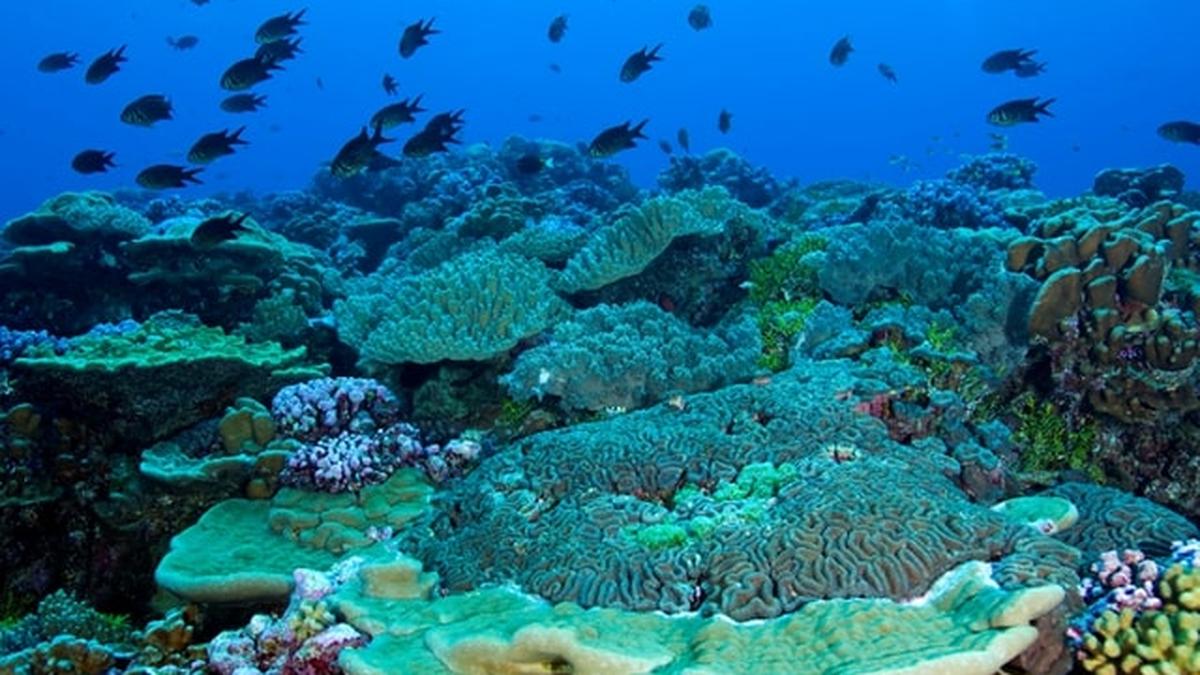
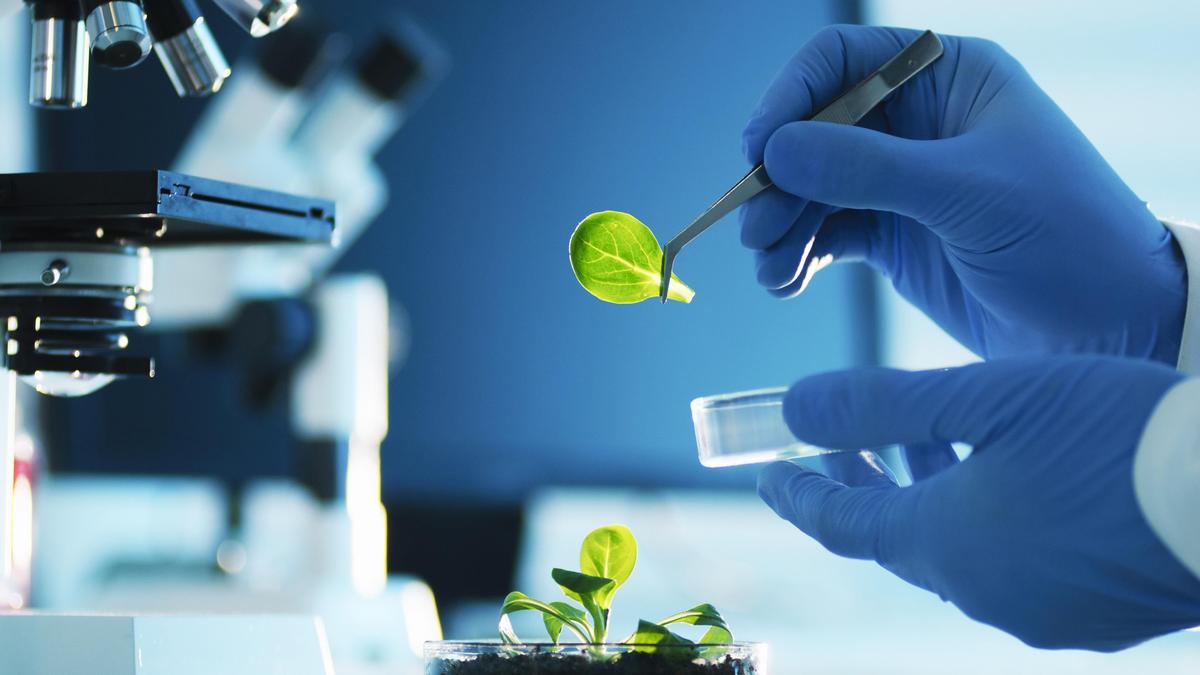
The story so far: Futuristic space and marine biotechnology research focuses on using underexplored environments, such as the deep oceans and outer space, to develop new biological knowledge, materials, and manufacturing processes. Marine biotechnology involves studying microorganisms, algae, and other marine life to discover bioactive compounds, enzymes, biomaterials, food ingredients, and biostimulants. These organisms have evolved to survive high pressure, salinity, low light, and nutrient-poor conditions making them valuable for industrial and climate-resilient applications. Space biotechnology, meanwhile, studies how microbes, plants, and human biological systems behave under microgravity and radiation. This includes microbial biomanufacturing for food, materials, and life-support systems, as well as research on astronauts’ microbiomes to develop health and probiotic interventions for long-duration missions.

Why does India need them?

India’s long coastline of over 11,000 km and a vast Exclusive Economic Zone of over 2 million sq. km give it access to rich marine biodiversity and biomass. Yet its share of global marine outputs remains low, indicating significant untapped potential. Investing in marine biomanufacturing can unlock new sources of food, energy, chemicals, and biomaterials, while reducing pressure on land, freshwater, and agricultural systems. Similarly, space biotechnology is critical for India’s long-term ambitions in space exploration, enabling safe food production, human health management, and biological manufacturing in extreme environments. Together, futuristic marine and space biotechnology can strengthen India’s bioeconomy, enhance strategic autonomy, and position India as a leader in next-generation biomanufacturing.

Where does India stand today?

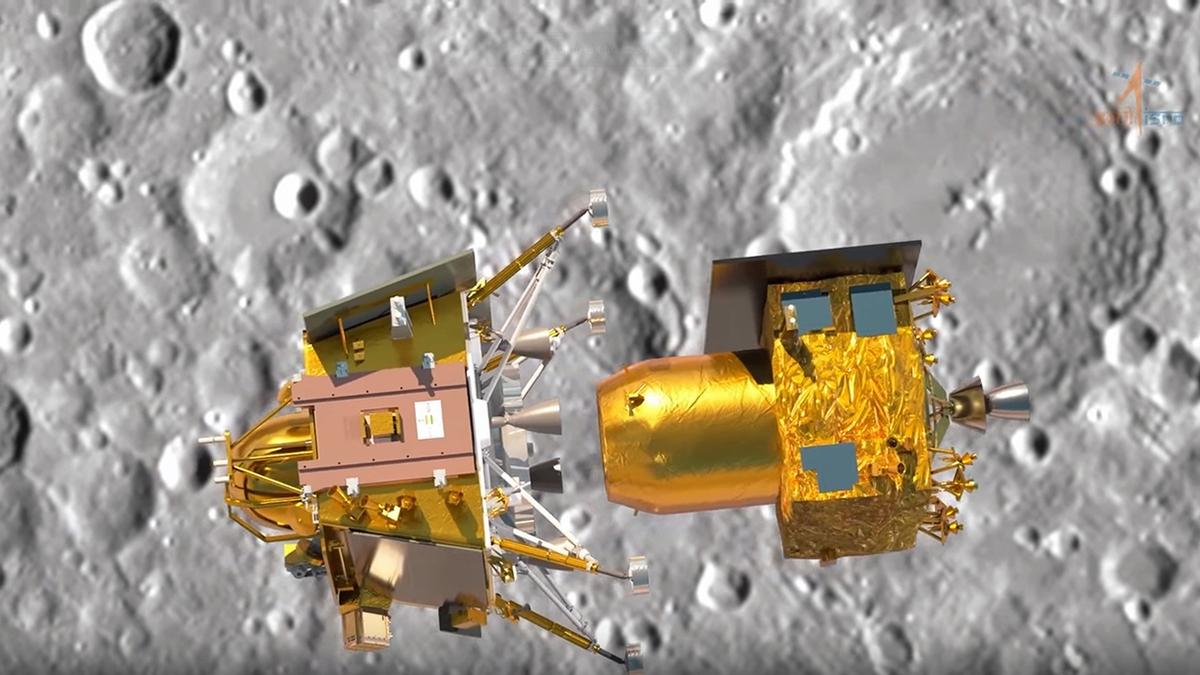
India’s domestic production of marine biomass such as seaweed remains modest, with an annual cultivated output of around 70,000 tonnes. As a result, India continues to import seaweed-derived components such as agar, carrageenan, and alginates for use in food, pharmaceuticals, cosmetics, and medical applications. Targeted initiatives under the Blue Economy agenda, the Deep Ocean Mission, and, more recently, the BioE3 are pushing the sector toward integrated marine biomanufacturing, linking cultivation, extraction, and downstream applications. A small number of private players, such as Sea6 Energy and ClimaCrew, along with ICAR–Central Marine Fisheries Research Institute and state-led initiatives such as the Vibrant Gujarat Regional Conference, are exploring pathways to scale marine biomass into high-value ingredients, and bio-based products. In space biotechnology, ISRO’s microgravity biology programme is conducting experiments on microbes, algae, and biological systems to study food production, life-support regeneration, and human health in space. Research on microbial behaviour and astronaut microbiomes is gaining relevance as India prepares for longer-duration human spaceflight missions. However, private-sector participation is limited as these technologies are still nascent.

What are other countries doing?

The European Union funds large-scale programmes on marine bioprospecting, algae-based biomaterials, and bioactive compounds, supported by shared research infrastructure such as the European Marine Biological Resource Centre. China has rapidly expanded seaweed aquaculture and marine bioprocessing integrating deep-sea exploration with industrial applications in food, pharmaceuticals, and biomaterials. Other countries with vast marine resources such as the United States and Australia also support marine biotech initiatives. In space biotechnology, the U.S. leads through NASA and the International Space Station, where research on microbial behaviour, protein crystallisation, stem cells, and closed-loop life-support systems informs drug discovery, regenerative medicine, and long-duration human missions. The European Space Agency, China’s Tiangong programme, and Japan’s JAXA conduct experiments on plant growth, microbiomes, and biomaterials generation in microgravity.

What next?

Marine and space biotechnology remain relatively unexplored frontiers, where early movers are likely to gain lasting strategic and technological advantages. India’s rich and diverse marine ecology positions it well to emerge as a leader in marine biotechnology. Similarly, India’s ambitions as a space-faring nation require the development of biological technologies that account for the genetic, nutritional, and health profiles of Indian populations, rather than relying solely on externally developed solutions. The primary risk lies in slow and fragmented progress in research and development. A dedicated roadmap that defines timelines and outcomes for marine and space biotechnology would help align investments, coordinate institutions, and channel resources more effectively.

Shambhavi Naik is chairperson, Takshashila Institution’s Health & Life Sciences Policy.

Published – January 15, 2026 08:30 am IST


Source link

Science

Post navigation

Previous Post: Access Denied
Next Post: Access Denied

Related Posts

  • Polar geoengineering projects could cause severe harm, scientists say
    Polar geoengineering projects could cause severe harm, scientists say Science
  • Gene of thrones: genomes of rulers reveal how empires rose and fell
    Gene of thrones: genomes of rulers reveal how empires rose and fell Science
  • The Hindu Daily Quiz | On Indian scientists and discoveries – Feb 28, 2024
    The Hindu Daily Quiz | On Indian scientists and discoveries – Feb 28, 2024 Science
  • Science for all: Moss spores survive space exposure, challenging life’s bounds
    Science for all: Moss spores survive space exposure, challenging life’s bounds Science
  • Why does the ‘brain-eating amoeba’ eat the brain?
    Why does the ‘brain-eating amoeba’ eat the brain? Science
  • Gaganyaan: ISRO all geared up for first test flight
    Gaganyaan: ISRO all geared up for first test flight Science

More Related Articles

Scientists map fruit fly brain in neurobiological milestone Scientists map fruit fly brain in neurobiological milestone Science
Artemis II astronauts preparing for historic lunar flyby Artemis II astronauts preparing for historic lunar flyby Science
New study finds one of the oldest animal mummies is a forged fossil New study finds one of the oldest animal mummies is a forged fossil Science
Genome study reveals prehistoric Ethiopian origins of coffee Genome study reveals prehistoric Ethiopian origins of coffee Science
A kernel of truth – The Hindu A kernel of truth – The Hindu Science
Ultradian rhythms: The cycles of life Ultradian rhythms: The cycles of life Science
SiteLock

Archives

  • May 2026
  • April 2026
  • March 2026
  • February 2026
  • January 2026
  • December 2025
  • November 2025
  • October 2025
  • September 2025
  • August 2025
  • July 2025
  • June 2025
  • May 2025
  • April 2025
  • March 2025
  • February 2025
  • January 2025
  • December 2024
  • November 2024
  • October 2024
  • September 2024
  • August 2024
  • July 2024
  • June 2024
  • May 2024
  • April 2024
  • March 2024
  • February 2024
  • January 2024
  • December 2023
  • November 2023
  • October 2023
  • September 2023
  • August 2023
  • July 2023
  • June 2023
  • May 2023
  • April 2023
  • March 2023
  • February 2023
  • January 2023
  • December 2022
  • November 2022
  • October 2022
  • September 2022
  • August 2022
  • July 2022
  • June 2022
  • May 2022

Categories

  • Business
  • Nation
  • Science
  • Sports
  • World

Recent Posts

  • Philippine President Marcos calls for an emergency meeting after chaos and shooting at Senate
  • Traffic diversions in Darussalam for 45 days for construction work
  • Watch: ‘We’re going to have a fantastic future together’: Trump to Xi Jinping
  • Thoothukudi will see highest Tasmac closures of liquor shops near schools, places of worship
  • Sensex climbs 450 points on positive Asian peers

Recent Comments

  1. CarlosExorb on UP Teacher Who Asked Students To Slap Muslim Classmate
  2. Robertfloup on UP Teacher Who Asked Students To Slap Muslim Classmate
  3. Davidcag on UP Teacher Who Asked Students To Slap Muslim Classmate
  4. OrvalMaync on UP Teacher Who Asked Students To Slap Muslim Classmate
  5. Jeffreyroure on UP Teacher Who Asked Students To Slap Muslim Classmate
  • Access Denied World
  • IND vs AUS, Border-Gavaskar Trophy 2nd Test in Adelaide: Mitchell Starc takes six wickets as Australia dominates India on day 1
    IND vs AUS, Border-Gavaskar Trophy 2nd Test in Adelaide: Mitchell Starc takes six wickets as Australia dominates India on day 1 Sports
  • Justin Trudeau’s Fresh Message To India
    Justin Trudeau’s Fresh Message To India Nation
  • Decade Of No Dialogue, Then A 20-Second Greeting, India, Pak De-Hyphenated
    Decade Of No Dialogue, Then A 20-Second Greeting, India, Pak De-Hyphenated Nation
  • Access Denied Business
  • Use Technology To Drive Progress, Guard Against Misuse: Jeet Adani
    Use Technology To Drive Progress, Guard Against Misuse: Jeet Adani Nation
  • Access Denied
    Access Denied Nation
  • Lt Governor’s Ground Visits Amid AAP’s Poll Campaign
    Lt Governor’s Ground Visits Amid AAP’s Poll Campaign Nation

Editor-in-Chief:
Mohammad Ariff,
MSW, MAJMC, BSW, DTL, CTS, CNM, CCR, CAL, RSL, ASOC.
editor@artifex.news

Associate Editors:
1. Zenellis R. Tuba,
zenelis@artifex.news
2. Haris Daniyel
daniyel@artifex.news

Photograher:
Rohan Das
rohan@artifex.news

Artifex.News offers Online Paid Internships to college students from India and Abroad. Interns will get a PRESS CARD and other online offers.
Send your CV (Subjectline: Paid Internship) to internship@artifex.news

Links:
Associate Journalism
About Us
Privacy Policy

News Links:
Breaking News
World
Nation
Sports
Business
Entertainment
Lifestyle

Registered Office:
72/A, Elliot Road, Kolkata - 700016
Tel: 033-22277777, 033-22172217
Email: office@artifex.news

Editorial Office / News Desk:
No. 13, Mezzanine Floor, Esplanade Metro Rail Station,
12 J. L. Nehru Road, Kolkata - 700069.
(Entry from Gate No. 5)
Tel: 033-46011099, 033-46046046
Email: editor@artifex.news

Copyright © 2023 Artifex.News Newsportal designed by Artifex Infotech.