



Skip to content
  • Facebook
  • X
  • Linkedin
  • WhatsApp
  • Associate Journalism
  • About Us
  • Privacy Policy
  • 033-46046046
  • editor@artifex.news
Artifex.News

Artifex.News

Stay Connected. Stay Informed.

  • Breaking News
  • World
  • Nation
  • Sports
  • Business
  • Science
  • Entertainment
  • Lifestyle
  • Toggle search form
  • Teacher Arrested For Attempting To Sexually Harass Student In Kota: Police
    Teacher Arrested For Attempting To Sexually Harass Student In Kota: Police Nation
  • Delta Airlines Plane Crashes In Canada, 8 People Injured
    Delta Airlines Plane Crashes In Canada, 8 People Injured World
  • Key Remarks Made By Donald Trump About China
    Key Remarks Made By Donald Trump About China World
  • Access Denied World
  • Man Killed, 3 Injured As Speeding Car Rams Parked Vehicle In Gurugram
    Man Killed, 3 Injured As Speeding Car Rams Parked Vehicle In Gurugram Nation
  • Republicans complete power takeover with House majority
    Republicans complete power takeover with House majority World
  • British PM Keir Starmer says no ‘let up’ in moves to stop far-right riots
    British PM Keir Starmer says no ‘let up’ in moves to stop far-right riots World
  • Bangladesh’s Main Opposition Leader Arrested Day After Big Protest: Party
    Bangladesh’s Main Opposition Leader Arrested Day After Big Protest: Party World
For Assam tea, erratic climate and stagnant prices present a crisis

For Assam tea, erratic climate and stagnant prices present a crisis

Posted on November 14, 2025 By admin


By November, as the festival lights of Diwali fade and winter approaches, Guwahati usually enjoys cooler evenings, lower humidity, and a calm that signals the close of the tea-harvesting season. But in recent years, this rhythm has grown uncertain. Persistent heat, delayed rainfall, and muggy air now linger well past October, blurring the boundaries of Assam’s once-distinct seasons.

For tea growers, these shifts from the traditional climatic cycle aren’t just uncomfortable: they’re existential.

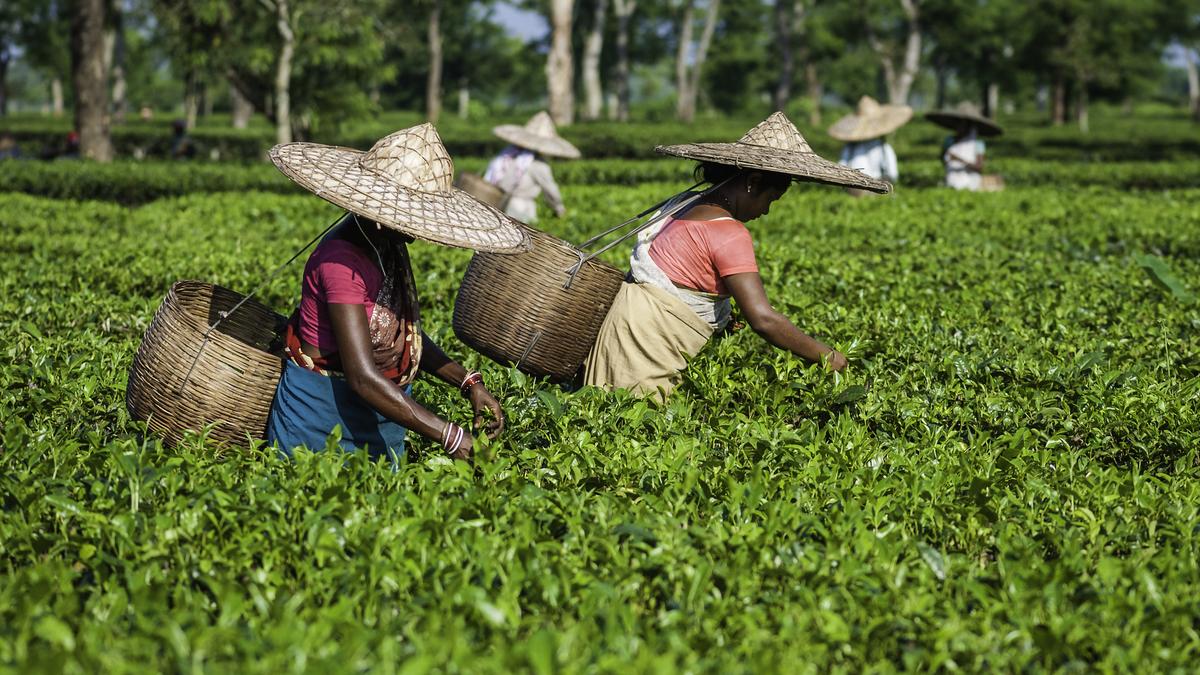
The tea plant was introduced to Assam in the 19th century and has since become both a global commodity and the economic lifeline for over 12 lakh workers, many of them women. Yet its fragile harmony with the local environment is being tested.

Extended dry spells, abrupt downpours, rising night-time temperatures, and new pest patterns are making tea yields increasingly unpredictable. Farmers speak of blackened leaves, wilting bushes, and erratic flush cycles that defy long-trusted weather cues.

“We have not seen such weather-induced stress in 30 years,” Tea Board advisor N.K. Bezbaruah said recently, underscoring how climate change is steadily eroding the ecological and economic stability of the State’s tea heartland.

Despite such hardships, tea prices have barely kept pace with inflation. Auction prices in India have reportedly grown by only 4.8% annually in the last three decades, versus 10% for staples like wheat and rice. In real terms, returns to tea growers remain stagnant, squeezed between climate shocks and rising costs of wages, agrochemicals, energy, logistics, and irrigation. Tea prices have turned volatile and, despite short-lived corrections, the long-term trend shows no gainful improvement.

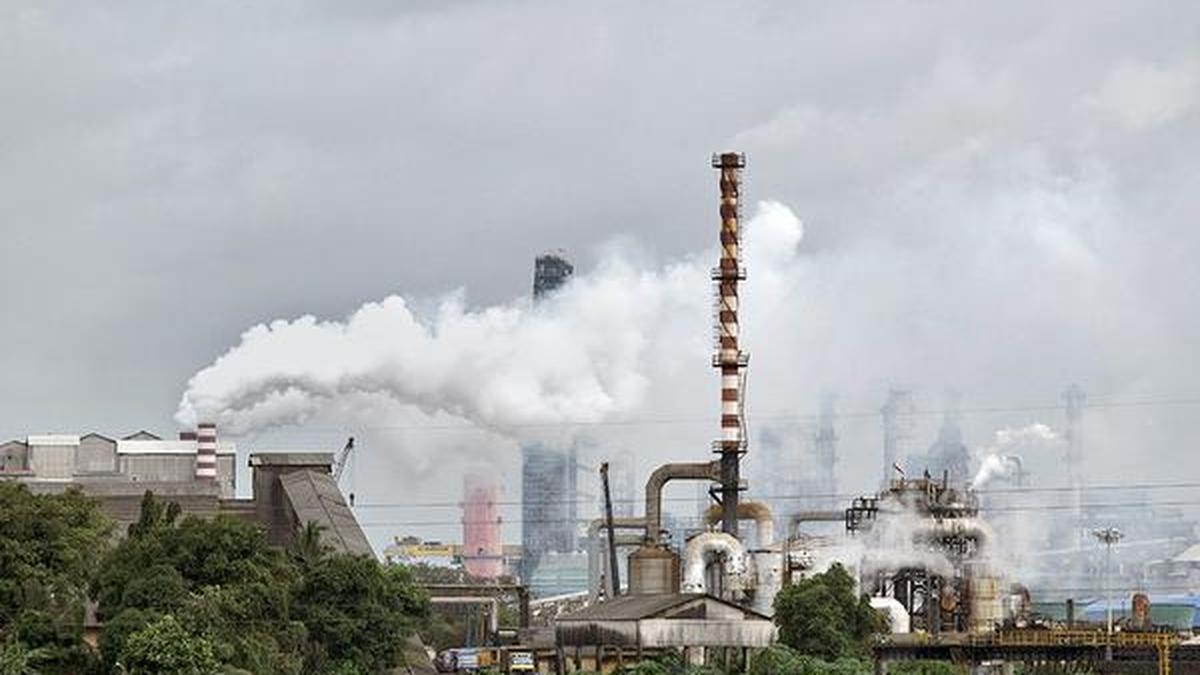
For Assam’s planters, this is a cruel paradox: the weather grows harsher but the market offers no reward for resilience. Many estates now face shrinking margins and ageing bushes, unable to reinvest in climate-resilient varieties. The very regions that power India’s $10 billion tea economy now confront a future where climate unpredictability threatens both livelihoods and the legacy of one of the world’s most popular beverages.

Growing tea

Tea thrives within narrow environmental parameters: an annual temperature range of about 13º to 28º C, with optimal growth occurring when mean temperatures remain close to 23-25º C. Rainfall requirements are equally stringent, averaging 1,500-2,500 mm per year, distributed evenly to keep soils consistently moist but well-drained. Tea also prefers slightly acidic soils (pH 4.5-5.5) that are deep, friable, and rich in organic matter — conditions once abundant across the Brahmaputra valley.

Climate change is altering these thresholds. Rising mean and maximum temperatures, shifts in rainfall seasonality, and declining soil moisture now challenge the very foundation of tea cultivation in the region.

One study by the Tea Research Association and the Ethical Tea Partnership modelled the future of Assam’s tea under future climate scenarios described by the UN Intergovernmental Panel on Climate Change (IPCC). Specifically, the projections for Assam’s tea regions were developed using Global Circulation Models under the IPCC’s RCP 2.6 and RCP 4.5 scenarios.

The researchers combined 50 years of historical climate data, including rainfall, temperature, and bioclimatic variables, with future climate grids generated by the WorldClim database at a resolution of 1 km. Using the MaxEnt species distribution model, they mapped the current suitability of tea-growing regions and predicted shifts by 2050.

They found that both minimum and maximum temperatures are set to climb across all regions, stressing plants and reducing nutrient absorption. Precipitation was projected to decline in winter and pre-monsoon months — critical for plant growth — while increasing erratically during the monsoon. Currently, South Bank, Upper Assam, and Cachar enjoy “very good” suitability for tea, but by 2050 these areas could lose much of their advantage, forcing tea cultivation to shift towards higher altitudes like Karbi Anglong and Dima Hasao.

Flavour and aroma — the hallmarks of premium Assam teas — depend on precise climatic rhythms. Erratic weather will thus disrupt this delicate balance as well, threatening global competitiveness.

The study also found that the average minimum temperature in Assam had risen by 1º C in the last 90 years and that the region also lost around 200 mm of rainfall a year in this time.

Perhaps a more serious problem is the increased incidence of new pests and diseases attacking tea bushes. Extreme heat above 35º C hampers tea plants’ ability to absorb nutrients, stunting leaf growth and making the tea bushes vulnerable to pests. Unlike the paddy farmers of Punjab, the tea growers of Assam receive little government aid when drought or heat strikes.

Adapting to a warmer future

Tea growers, researchers, and corporations have been encouraging climate-resilient practices, such as seed-grown varieties with deep taproots alongside high-yield clones to strengthen resilience to drought. Soil conservation measures such as mulching, cover crops, and organic amendments can help retain moisture while agroforestry through shade trees and companion crops can moderate heat stress and reduce pest pressure.

Innovations in water management, including micro-irrigation, rainwater harvesting, and drainage systems that mitigate both drought and flooding risks are equally important.

Multistakeholder programmes such as ‘trustea’, the India Sustainable Tea Code, are already contributing to a climate resilient supply chain by verifying 1.4 lakh small growers and reaching 6.5 lakh workers through sustainable agriculture practices, efficient water use, and integrated pest management, thus building climate resilience at scale.

Economic diversification into fruits and spices, speciality and organic teas, fisheries and livestock, tea tourism, and direct-to-consumer trade can further cushion the industry against climate risks. The industry also needs policy support that treats tea on par with other crops, sustained investment in research, and capacity building to secure the future of every cup of Assam tea.

The tea tribes that form the backbone of Assam’s plantation workforce, also represent a powerful political constituency. With State elections due in early 2026, their concerns over rising costs, stagnant wages, and climate-driven hardship are likely to feature prominently, turning the State’s tea gardens into a crucial arena of both livelihood and electoral debate.

Anurag Priyadarshi is former Sustainability Director at Tata Consumer Products and a non-executive director at the Rainforest Alliance (USA), the world’s largest sustainable agriculture program.




Source link

Science

Post navigation

Previous Post: Access Denied
Next Post: Access Denied

Related Posts

  • Cyclone Fengal: What is landfall?
    Cyclone Fengal: What is landfall? Science
  • ‘Misperception stops healthcare providers from prescribing life-saving ORS for child diarrhoea’ 
    ‘Misperception stops healthcare providers from prescribing life-saving ORS for child diarrhoea’  Science
  • Gold superheated far beyond its melting point can stay solid
    Gold superheated far beyond its melting point can stay solid Science
  • Are jellyfish randomly moving organisms?
    Are jellyfish randomly moving organisms? Science
  • Send robots into space rather than people, says Britain’s Astronomer Royal
    Send robots into space rather than people, says Britain’s Astronomer Royal Science
  • India to submit updated carbon-curbing targets ‘around’ November
    India to submit updated carbon-curbing targets ‘around’ November Science

More Related Articles

With CRISPR poised to revolutionise therapy, a pause to consider ethical issues With CRISPR poised to revolutionise therapy, a pause to consider ethical issues Science
Chemistry Nobel Prize for trio that made ‘artificial atoms’ Chemistry Nobel Prize for trio that made ‘artificial atoms’ Science
PixxelSpace India-led consortium to establish India’s first commercial earth observation satellite constellation PixxelSpace India-led consortium to establish India’s first commercial earth observation satellite constellation Science
Scientists develop ‘kisan kavach’ to shield farmers from pesticide sprays Scientists develop ‘kisan kavach’ to shield farmers from pesticide sprays Science
If there’s a theory of AI, computer science is unlikely to provide it If there’s a theory of AI, computer science is unlikely to provide it Science
Why do medium-sized land animals like cheetahs tend to be fastest? Why do medium-sized land animals like cheetahs tend to be fastest? Science
SiteLock

Archives

  • November 2025
  • October 2025
  • September 2025
  • August 2025
  • July 2025
  • June 2025
  • May 2025
  • April 2025
  • March 2025
  • February 2025
  • January 2025
  • December 2024
  • November 2024
  • October 2024
  • September 2024
  • August 2024
  • July 2024
  • June 2024
  • May 2024
  • April 2024
  • March 2024
  • February 2024
  • January 2024
  • December 2023
  • November 2023
  • October 2023
  • September 2023
  • August 2023
  • July 2023
  • June 2023
  • May 2023
  • April 2023
  • March 2023
  • February 2023
  • January 2023
  • December 2022
  • November 2022
  • October 2022
  • September 2022
  • August 2022
  • July 2022
  • June 2022
  • May 2022

Categories

  • Business
  • Nation
  • Science
  • Sports
  • World

Recent Posts

  • Access Denied
  • Access Denied
  • Access Denied
  • Palestinian killed by Israeli army in West Bank operation
  • Russia claims to have seized two new villages in southern Ukraine

Recent Comments

  1. dfb{{98991*97996}}xca on UP Teacher Who Asked Students To Slap Muslim Classmate
  2. "dfbzzzzzzzzbbbccccdddeeexca".replace("z","o") on UP Teacher Who Asked Students To Slap Muslim Classmate
  3. 1}}"}}'}}1%>"%>'%> on UP Teacher Who Asked Students To Slap Muslim Classmate
  4. bfg6520<s1﹥s2ʺs3ʹhjl6520 on UP Teacher Who Asked Students To Slap Muslim Classmate
  5. pHqghUme9356321 on UP Teacher Who Asked Students To Slap Muslim Classmate
  • New FASTag Rules To Come Into Effect On August 1: Check Details
    New FASTag Rules To Come Into Effect On August 1: Check Details Nation
  • Massive 125-Million-Year-Old Herbivorous Dinosaur’s Fossil Found In England
    Massive 125-Million-Year-Old Herbivorous Dinosaur’s Fossil Found In England World
  • Painting Behind Sonia Gandhi, Rahul Not Of Jesus Christ
    Painting Behind Sonia Gandhi, Rahul Not Of Jesus Christ Nation
  • Access Denied
    Access Denied Nation
  • Israel War Cabinet Minister Benny Gantz Threatens To Quit Unless Benjamin Netanyahu Approves Gaza Plan
    Israel War Cabinet Minister Benny Gantz Threatens To Quit Unless Benjamin Netanyahu Approves Gaza Plan World
  • Individual & HUF taxpayers beneficiaries of the majority of government tax deductions and exemptions
    Individual & HUF taxpayers beneficiaries of the majority of government tax deductions and exemptions Business
  • First spell of Godavari flood to hit Polavaram-submerged region
    First spell of Godavari flood to hit Polavaram-submerged region Nation
  • Odisha News, Army Officer’s Woman Friend Sexually Assaulted, Bharatpur Police Station, 5 Cops Suspended
    Odisha News, Army Officer’s Woman Friend Sexually Assaulted, Bharatpur Police Station, 5 Cops Suspended Nation

Editor-in-Chief:
Mohammad Ariff,
MSW, MAJMC, BSW, DTL, CTS, CNM, CCR, CAL, RSL, ASOC.
editor@artifex.news

Associate Editors:
1. Zenellis R. Tuba,
zenelis@artifex.news
2. Haris Daniyel
daniyel@artifex.news

Photograher:
Rohan Das
rohan@artifex.news

Artifex.News offers Online Paid Internships to college students from India and Abroad. Interns will get a PRESS CARD and other online offers.
Send your CV (Subjectline: Paid Internship) to internship@artifex.news

Links:
Associate Journalism
About Us
Privacy Policy

News Links:
Breaking News
World
Nation
Sports
Business
Entertainment
Lifestyle

Registered Office:
72/A, Elliot Road, Kolkata - 700016
Tel: 033-22277777, 033-22172217
Email: office@artifex.news

Editorial Office / News Desk:
No. 13, Mezzanine Floor, Esplanade Metro Rail Station,
12 J. L. Nehru Road, Kolkata - 700069.
(Entry from Gate No. 5)
Tel: 033-46011099, 033-46046046
Email: editor@artifex.news

Copyright © 2023 Artifex.News Newsportal designed by Artifex Infotech.