



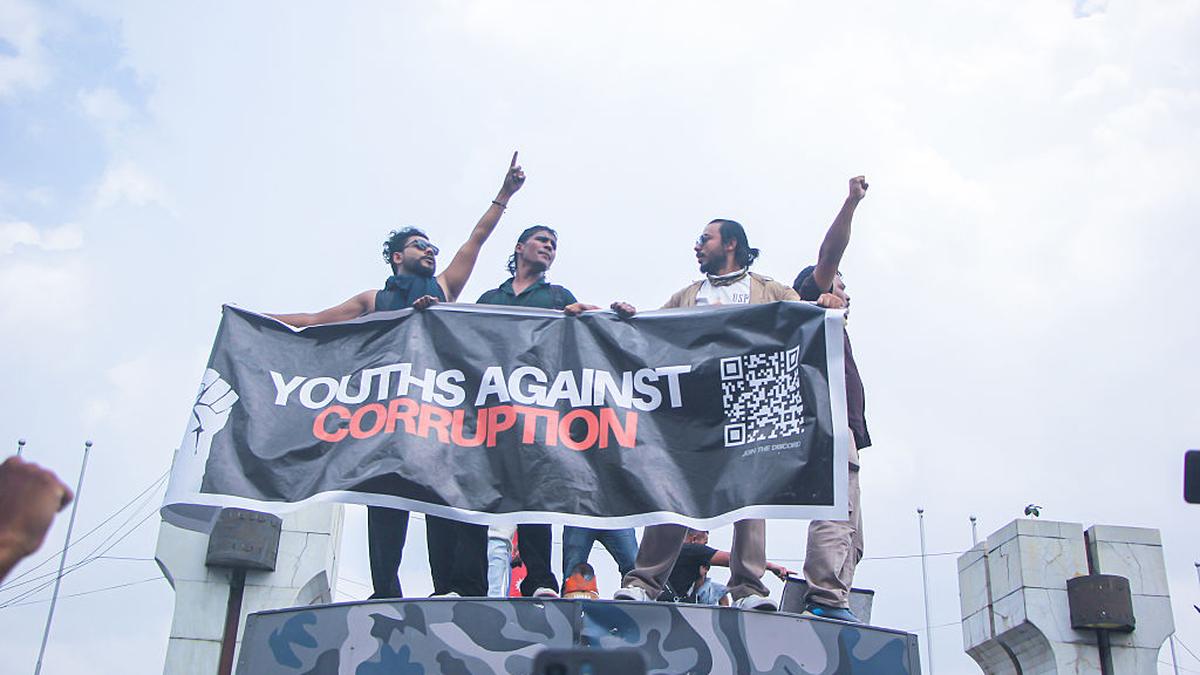
Sitting in his Kathmandu home, 22-year-old Nabim Regmi spent the last days of August scrolling through the furious memes and digital protests capturing the political decay in Nepal.
Studying for a Masters in International Relations, Regmi had his own reasons to be upset. Four years of a job hunt had got him nothing to show for it. His dream? To become a civil servant and fix this decay. “I wanted to work on making my country better from within the system,” he says.
Watching the online uproar escalate, his frustration boiled over. He joined his friends in a social media campaign that soon spilled onto the streets and resulted in the overthrow of Nepal’s government, got the Prime Minister to resign, and left the country’s top offices, including the Supreme Court, charred.
For Regmi, the protests weren’t a rebellion, but a last resort, a different means to the same end: a better Nepal. Regmi isn’t alone, nor is Nepal, in seeing such a youth uprising.

Over the last two years, millions of young people across the world have stood up to popularly-elected governments, and shown their unhappiness, anger and even contempt for the establishment’s politics as well as policies. From the on-campus encampments across the United States and the United Kingdom to protest the government support for the war on Gaza, to anti-establishment agitations in Indonesia, Kenya, Turkey — all led by students and young citizens — to the uprising in Sri Lanka and Bangladesh in 2022 and 2024, respectively, the young are angry and are demanding change.
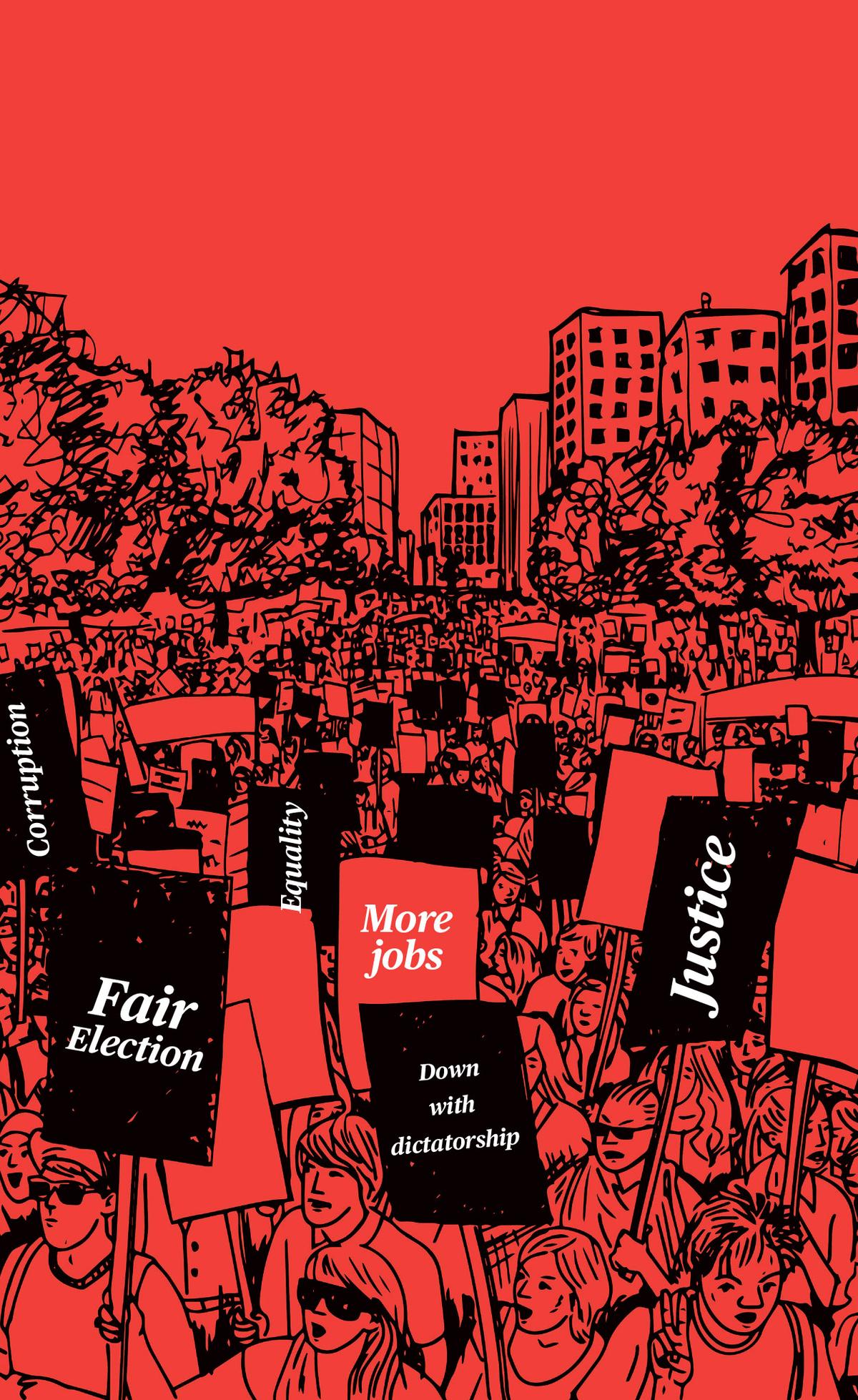
As per a UNICEF report, in the last two decades, protests led by students and youth have risen to record numbers.
| Photo Credit:
Getty Images/ iStock
Like in Nepal, where change came in just two days, the youth are impatient and unwilling to wait for tomorrow.
Disenchanted with democracy
The young have always been a catalyst for change. Think Nelson Mandela, who started off as a student leader and was even expelled from university for his involvement in a protest. Or Aung San Suu Kyi, Bill Clinton, Jacinda Ardern, all of whom started as student politicians.
Youth protesters have also been instrumental in shaping some of the most iconic moments in history — be it the unknown man facing down an army tank in China’s Tiananmen Square (1989), or Hong Kong’s citizens using yellow umbrellas as a symbol of their pro-democracy protests during the Umbrella Movement (2014).
But, of late, something has changed. Young people are taking to the streets, increasingly, and have been impatient with democracy itself. A UNICEF report last year revealed that only 57% of 18- to 35-year-olds across 30 nations were satisfied with democracy, as against 71% of those in the age group of 56 and above. The same report said that student- and youth-led protests in the last two decades have risen to record numbers, with the number of protesters willing to participate at decades-long highs.
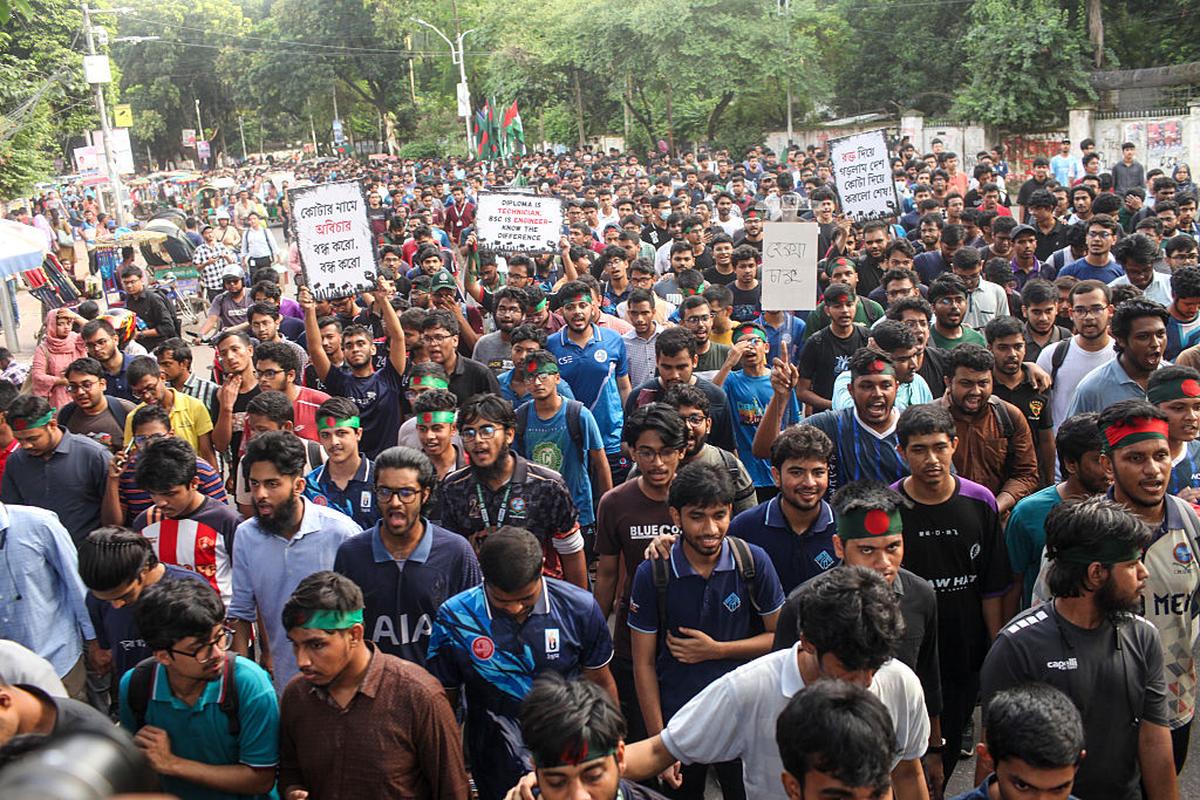
Student protesters in Dhaka on August 28, 2025.
| Photo Credit:
Getty Images
Some of this disenchantment was visible in the streets of Nepal this month, but it has been festering for a while now, say locals. “Over the years, many young people have been exposed to lifestyles abroad, either through their relatives or their own visits, and they keep asking, why isn’t this happening here?” says Santosh Sharma Poudel, co-founder of Nepal Institute for Policy Research, a Kathmandu-based think tank.
The discontent has led them to ask hard questions of the ruling elite. “They saw that the system had been ruled by the same set of leaders for the last 30 years,” Poudel adds, and yet, nothing had changed. In 2022, when Nepal was voting for a new government, online campaigns — including one named ‘No Not Again’ that asked people to not bring back established leaders across parties — tried to mobilise youngsters. Yet, the same parties and the same leaders were voted back to power. Nepal has seen two different alliance governments in the last three years.

Santosh Sharma Poudel, co-founder, Nepal Institute for Policy Research
Fighting the system
Around the same time in 2022, in Sri Lanka, many like 33-year-old Samith Bodhipaksa, an independent filmmaker and journalist in Colombo, had been experiencing similar disillusionment with their established elite — the Rajapaksa family that had been in power for over a decade-and-a-half. Some of it, he says, was pent-up frustration from having been “stuck in our homes for three years” due to the COVID-19 lockdowns. “Many young people had lost crucial years to the pandemic, and when they emerged from their homes, their aspirations rose meteorically but their means to achieve those aspirations didn’t keep pace.”
In 2024, Bangladesh too was roiled by mass agitations led by university students protesting what they believed was an unfair quota system in government recruitment. It snowballed into a nationwide agitation against the Sheikh Hasina government’s authoritarianism. The protests succeeded in uprooting the government and forcing Hasina to flee to India.
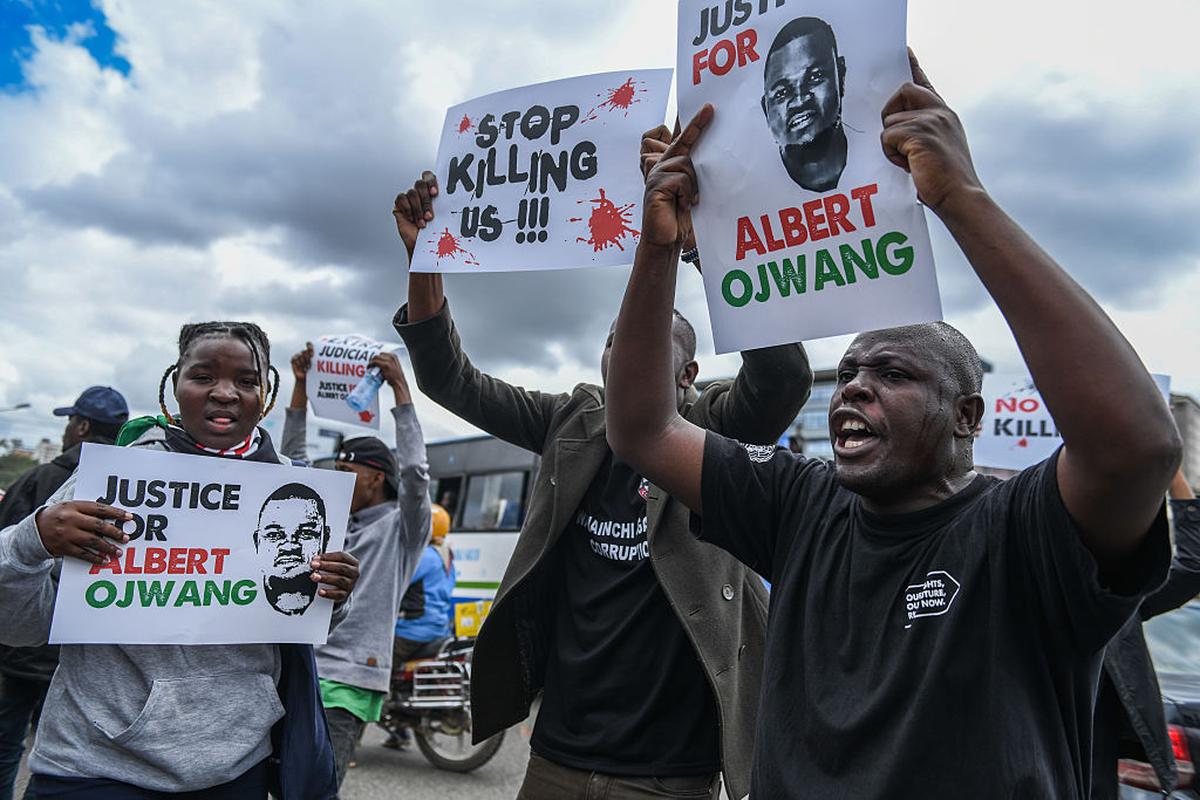
An anti-government protest demanding an end to police brutality and killings, on June 9, 2025 in Nairobi, Kenya.
| Photo Credit:
Getty Images
In June this year, Kenya saw mass protests by students over police brutality, leading to the deaths of dozens of civilians. In August, student-led protesters in Indonesia hit the streets, demanding a repeal of a government move to hike allowances to Parliament members, forcing the government to withdraw the perks. All these protests had angry youth lamenting the economic hardships and difficulties they faced.
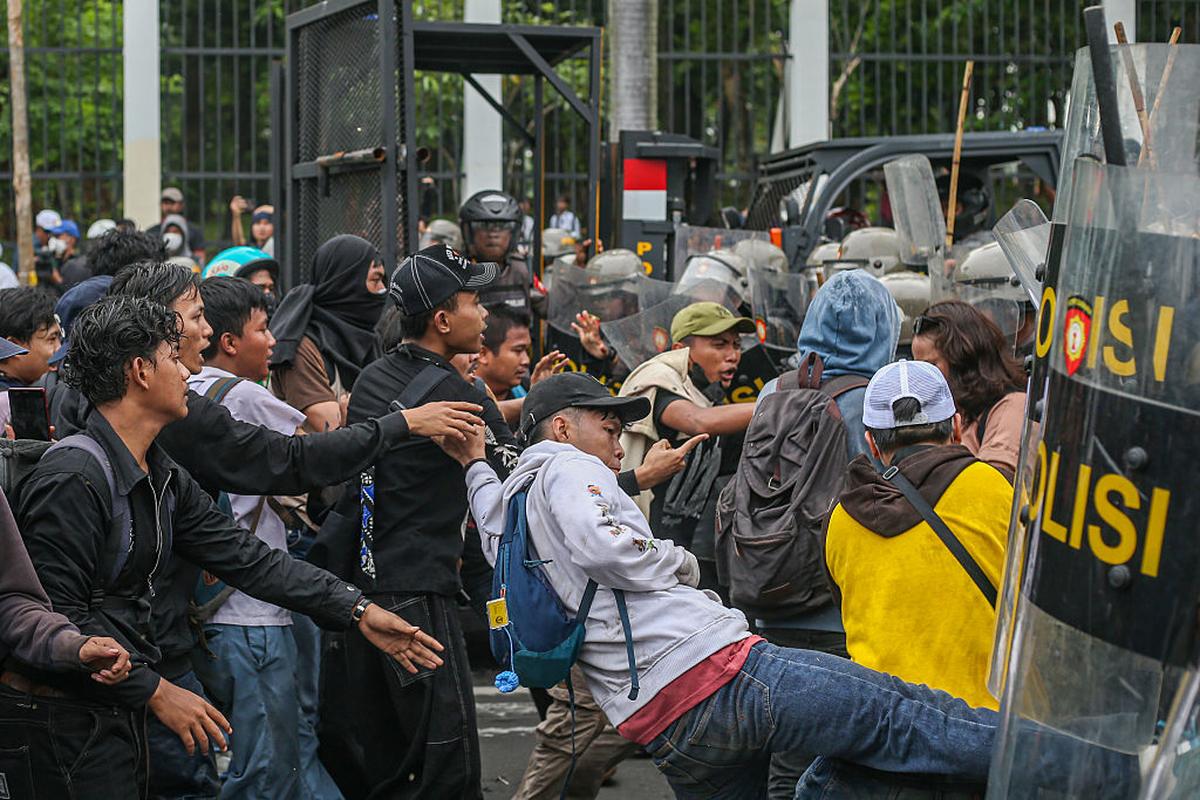
Young protesters clash with the police outside the Indonesian Parliament in Jakarta, August 25, 2025.
| Photo Credit:
Getty Images
Global data concurs with their assertions. The pandemic caused the largest setback to global equality since 1990, according to the World Bank. And even after the pandemic, though the labour market picked up and unemployment rates fell, an International Labour Organisation (ILO) report last year said more than half of the world’s young workers were in informal jobs, without any benefits and job security.
Amidst such a gloomy outlook, it is little wonder that young protesters like Regmi felt enraged when they saw videos and photos of the children of Nepal’s top leaders enjoying a lavish lifestyle, studying abroad, wearing luxurious clothes. “Nearly all my friends have had to emigrate because they couldn’t find any jobs here, but the children of politicians have had no such trouble,” he says.
Felled by capitalism
Much of this resonates in India, where unemployment rate hovers around 7.2%, according to the think-tank Centre for Monitoring of Indian Economy. India’s youth account for 83% of those left jobless, despite obtaining secondary or higher education, according to the ILO’s 2024 India Employment Report.
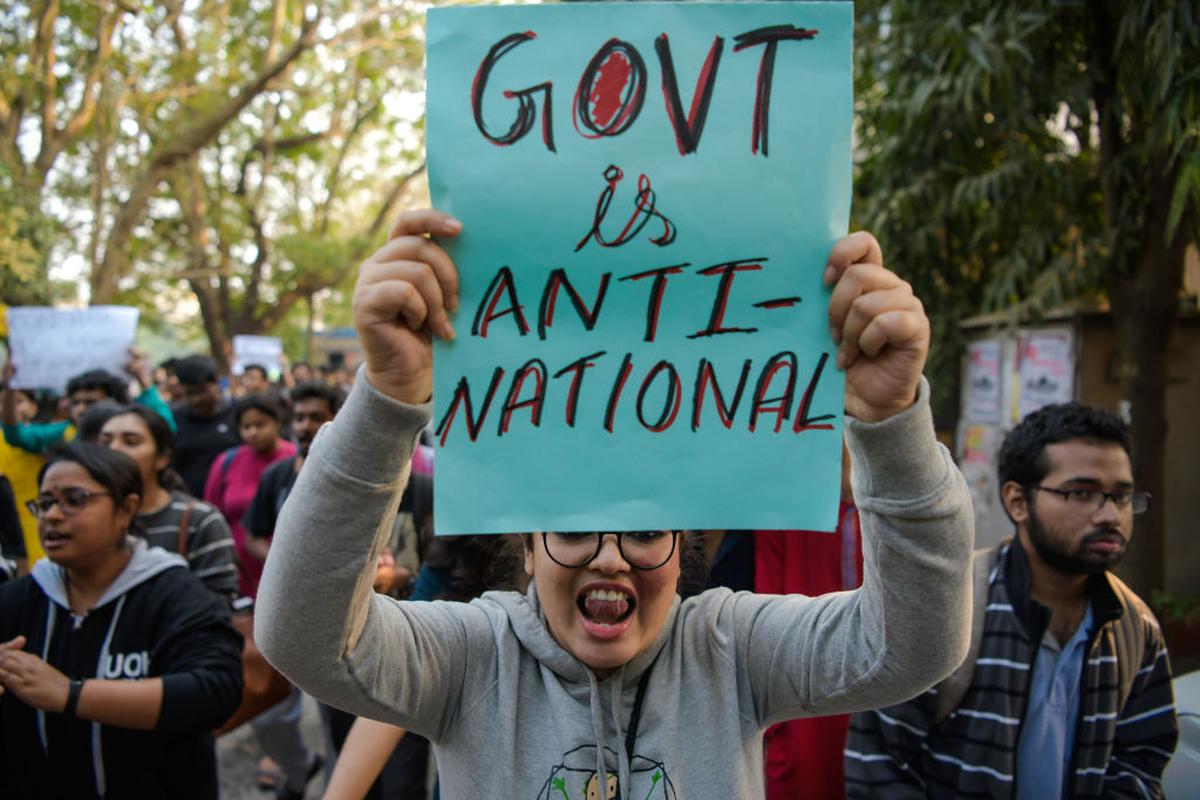
A protest against the Citizenship Amendment Act in Kolkata, December 2019.
| Photo Credit:
Getty Images
India has, historically, had students at the forefront of major protests that have resulted in political change. In recent years, young protesters have been agitating against everything from leaked exam papers and bullying on campus to the rape and murder of a junior doctor in Kolkata. In late 2019, youth protesters also powered the agitation against the controversial Citizenship Amendment Act (CAA) that engulfed the country, bringing out tens of thousands onto the streets.
Harsh Mander, former civil servant, human rights activist and chairperson of the Centre for Equity Studies, a New Delhi think tank, says these protests are the youth’s response to a “deep civilisational crisis” they find themselves in. “Young people are, in the end, saying that you have stolen from us our future. The economic model is just not offering any jobs, inequality is growing to levels higher than in colonial times, the lifestyles of the elite have only grown more outrageously vulgar,” he says.
Many like Dipsita Dhar, a former student leader at Jawaharlal Nehru University who co-edited a book, Education Or Exclusion: The Plight Of Indian Students, agree, and blame the current socio-economic order for the rage that her contemporaries like Regmi feel. “Earlier generations were mobilised by common goals, but now, capitalism has individualised us,” Dhar says. She says this rhetoric works as long as people receive its benefits. “Now, when young people see that the promise of a good life has evaporated and that even good education can’t guarantee jobs, they are mobilising and raging against these systems.”
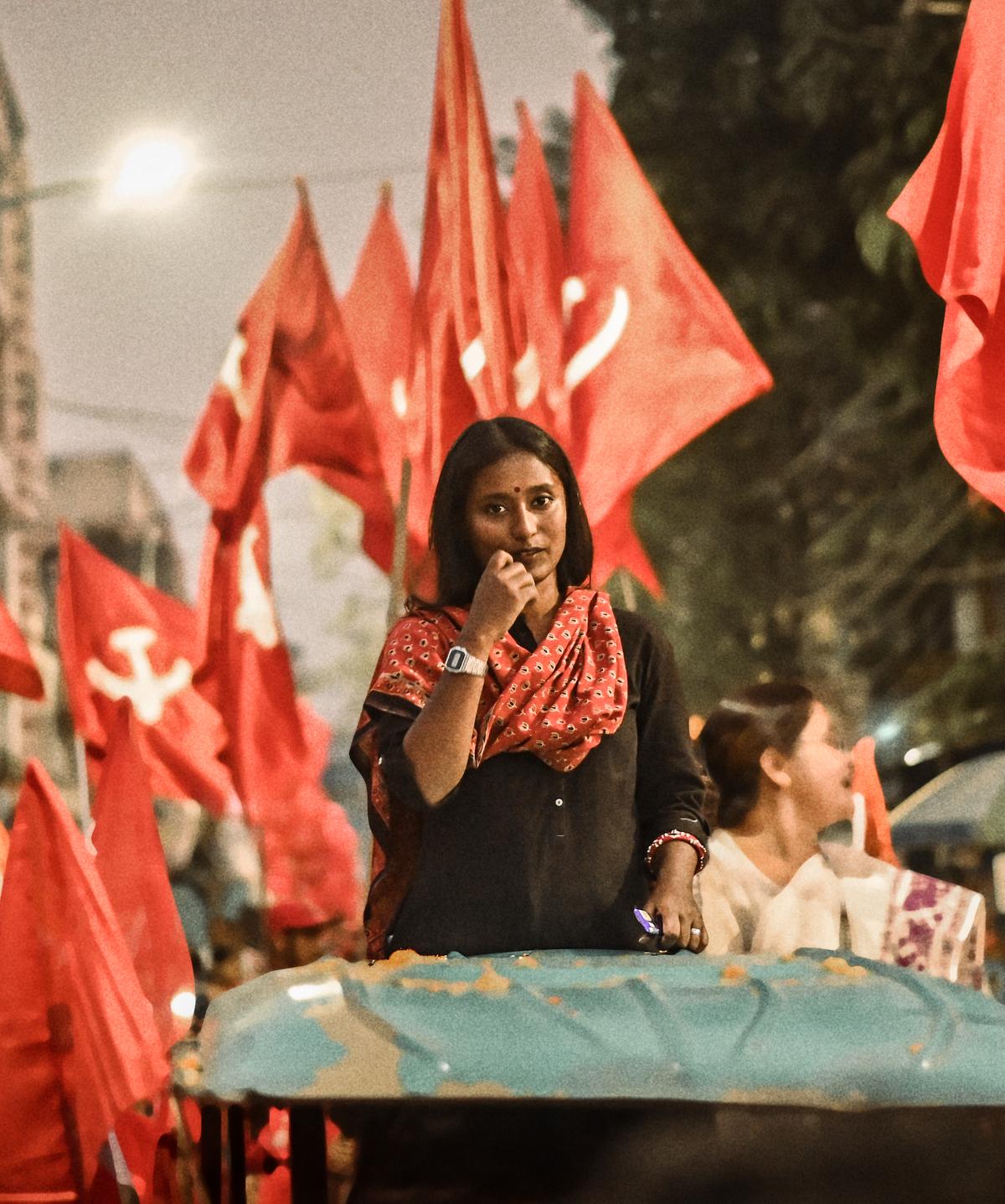

“Political parties often believe that the youth lack maturity. Even though they all claim to want to fix the challenges that young people face, nobody has demonstrated a vision for it.”Dipsita DharPolitician and student activist
After cutting her teeth as a student leader at JNU, Dhar stood for the 2024 Lok Sabha elections as a Communist Party of India (Marxist) candidate from Serampore but lost. Swapping campus with roadshows, she stumbled upon one reason why young Gen Z-ers don’t find politics engaging. “Political parties often believe that the youth lack maturity. And even though they all claim to want to fix the challenges that young people face, nobody has demonstrated a vision for it,” she says.
Yet, Dhar says, India is unlikely to witness youth protests spilling onto the streets. “Structurally, our democracy is stable and people still have faith in the space the opposition occupies, so they don’t feel the need to mobilise on the streets themselves,” she adds.
The road ahead
Globally, these youth uprisings may have grabbed headlines and sparked some developments, but will they result in lasting change? Just a week into the uprising in Kathmandu, hope is starting to dissipate, bit by bit. Scepticism, second nature to many when it comes to politics, is creeping in. Will the Himalayan sun bring a new dawn? Or will the familiar clouds hang over the landlocked country?
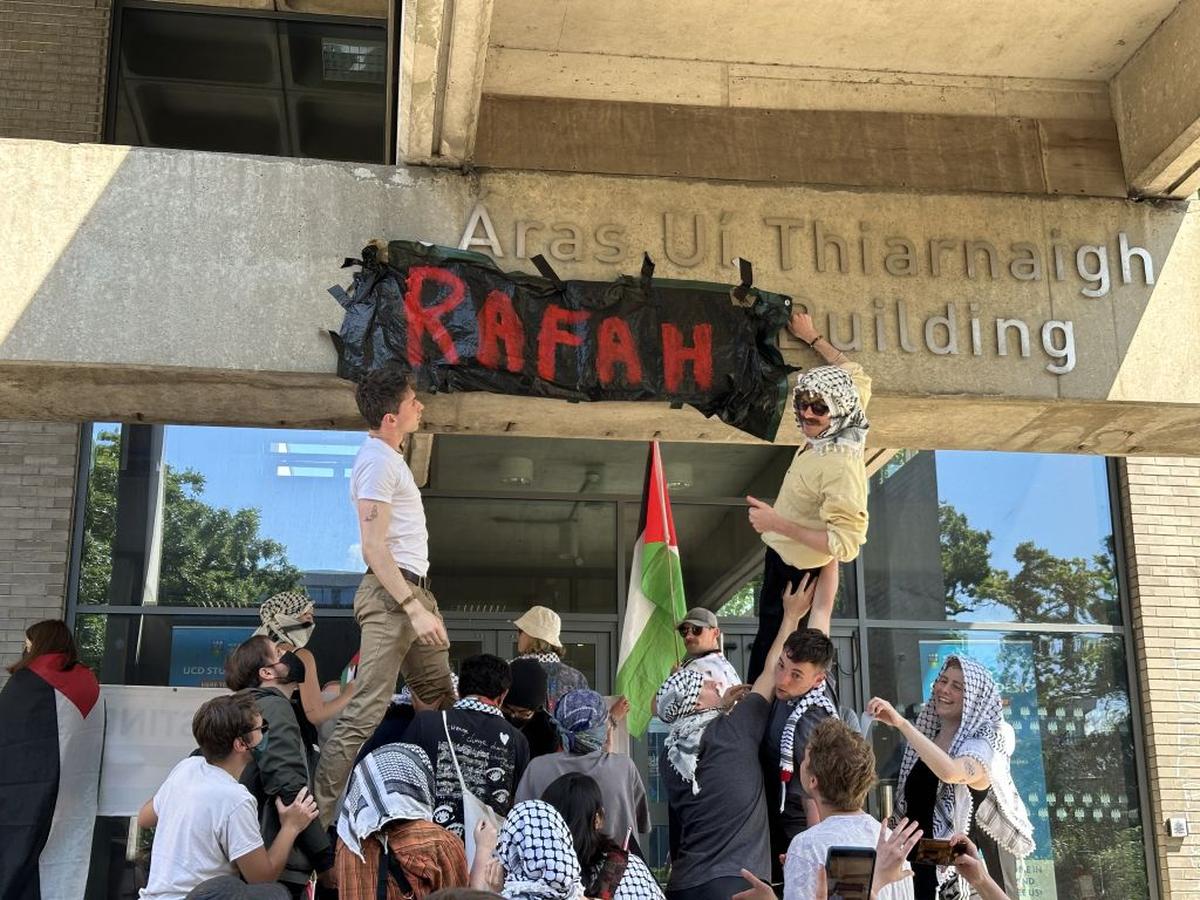
Pro-Palestinian students take part in an encampment to protest against Israeli attacks over Gaza at the University College Dublin in Ireland, May 2024.
| Photo Credit:
Getty Images
Poudel, the Kathmandu think tank co-founder, is cynical already, after the interim government headed by former Nepal Chief Justice Sushila Karki announced that elections will be held in March, just six months from now. The uprising had raised hopes among people initially. “For the interim government to deliver within six months will be very difficult,” he says.
Gen Z protester Regmi does not share Poudel’s scepticism though. “I am certain we will see more young people entering the political fray in the next elections,” he says. “Even within the existing parties, we hope that younger faces are brought forward.”
In Sri Lanka, Bodhipaksa has a word of advice for his Nepali counterparts: patience. When the protests in Sri Lanka began, he and his friends started an outfit called ‘All Party Strugglers’ that pressed for reforms in the system, while also protesting on the streets of Colombo. “The approach paid off, and we are now seeing the slow transformation of the country’s politics,” Bodhipaksa says. His group continues to advocate for change and nudges the government to implement them.
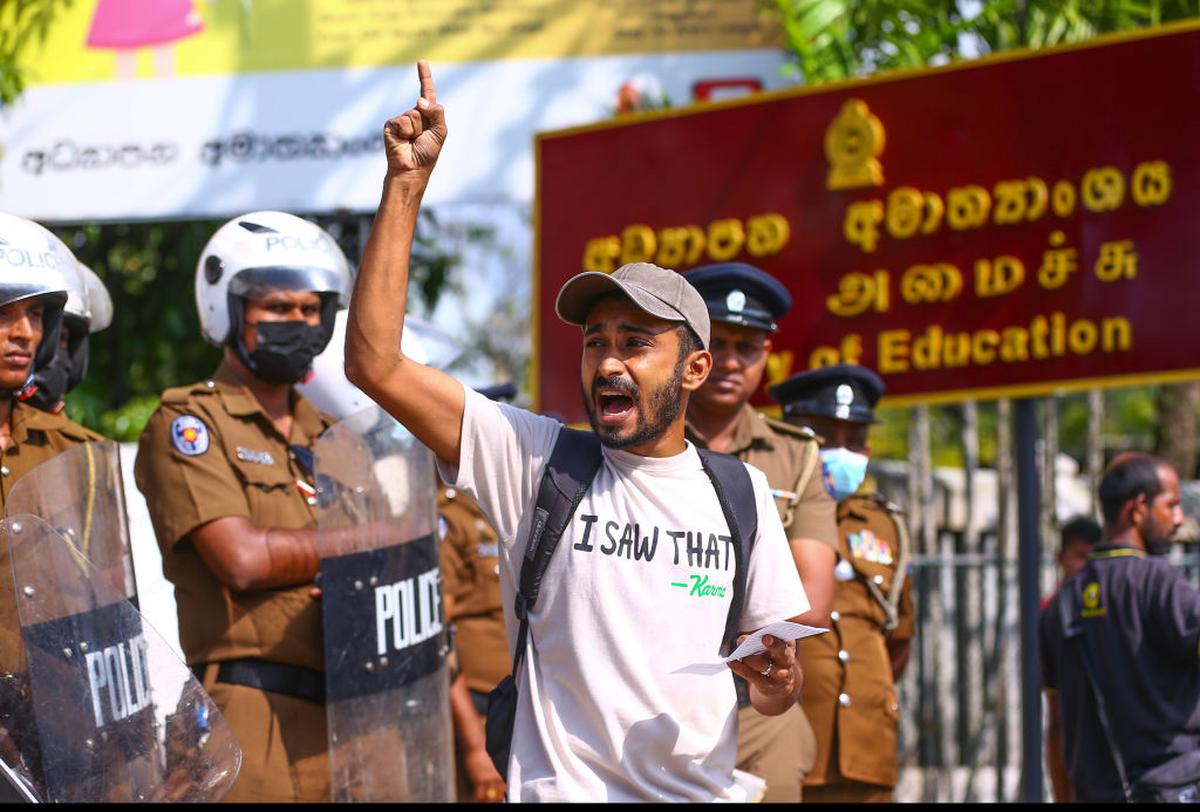
A student at an anti-government demonstration in Colombo, December 2022.
| Photo Credit:
Getty Images
But Bodhipaksa remains critical of the violence that the Gen Z-led protests have caused in Nepal. “We protested on Sri Lankan streets, but we did not torch government properties or damage them,” he says, barring a few instances. “The problem is, Gen Z has knowledge of digital tools, but does not understand the ways of the world. You need to work with the system and engage with it constantly.”
Mander says that the examples — in Bangladesh, where the Islamist Jamaat-e-Islaami has been gaining strength, and in Nepal, where calls for the monarchy to be restored and for the country to be declared a Hindu Rashtra have been circulating for a while — show the dangers of such violent uprisings. “The young protesters are looking for somebody who cares about their future, about public health and education. Instead, these uprisings are souring into scenarios that are worse than before,” he says.
History, Mander adds, serves as an important reminder in this regard. “After all, there is no example of a good society emerging out of such violence.”
The Mumbai-based independent journalist is author of H-Pop: The Secretive World of Hindutva Pop Stars.