



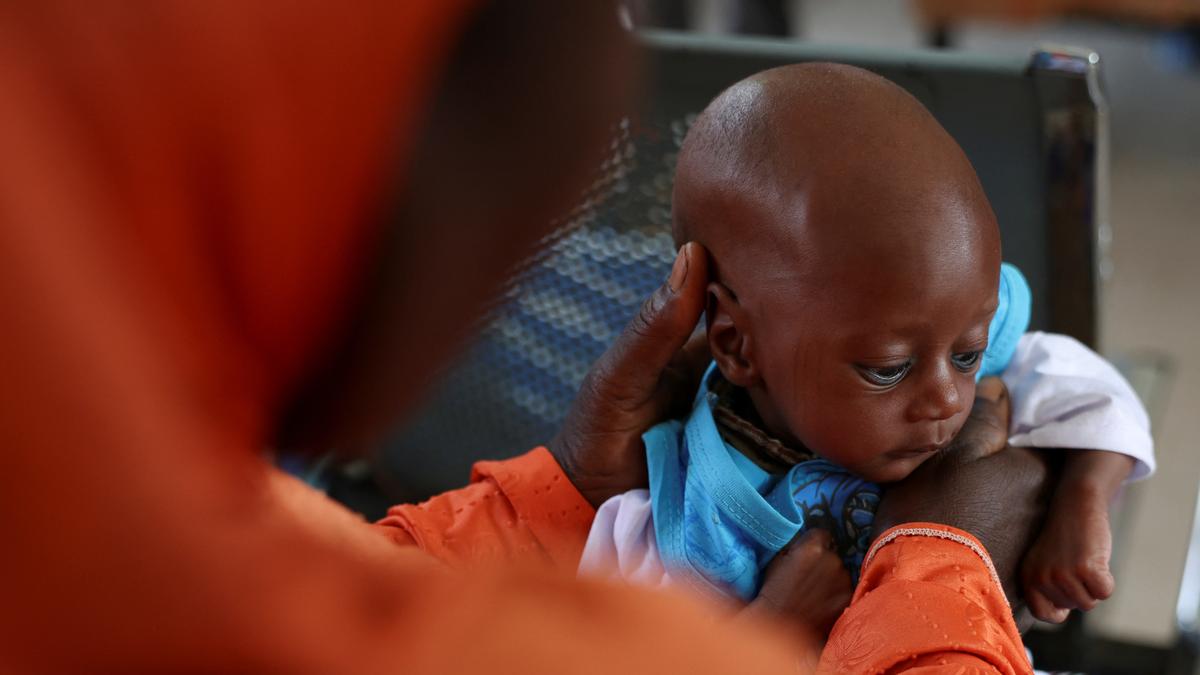
Nigeria is the largest economy in Africa, and one of its largest oil producers. Yet, the northern states of the country are in the grip of an acute malnutrition crisis. Over 600 children have died in northern Nigeria in the last six months due to malnourishment, and according to the medical charity, Doctors Without Borders (MSF), the region is “currently facing an alarming malnutrition crisis”.
Between January and June this year, cases of severe acute malnutrition among children rose by 208% compared with the corresponding period last year, marking a dramatic escalation of an already entrenched emergency.
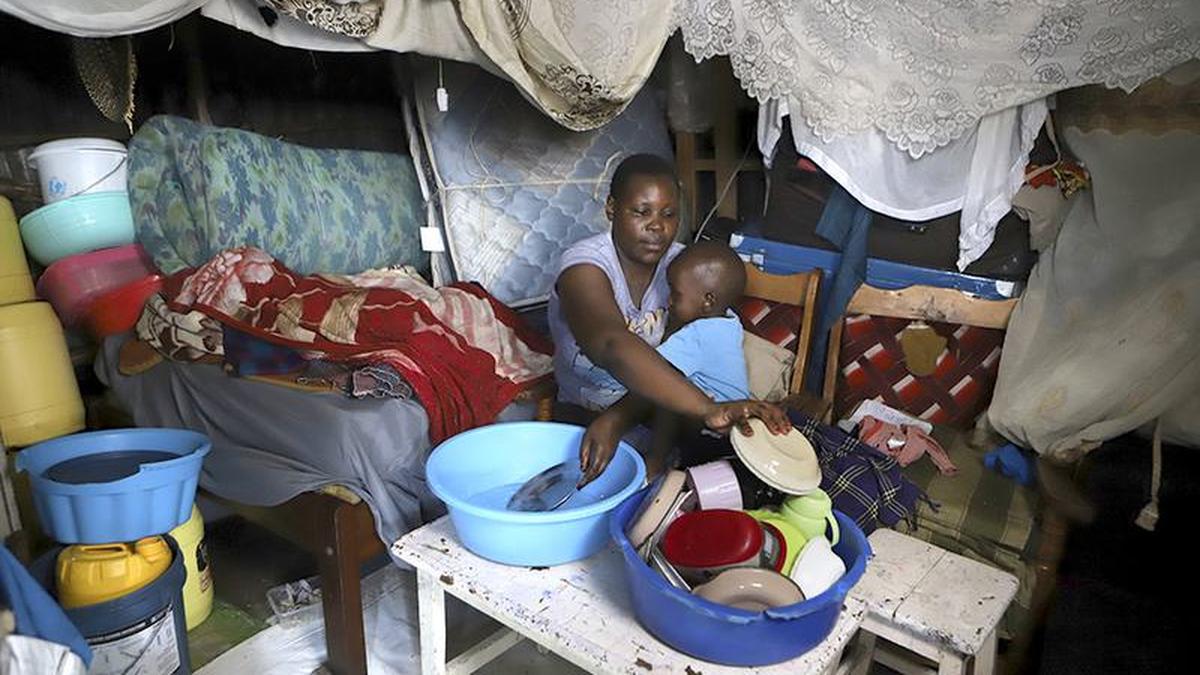
In a statement released on July 25, the charity said: “Unfortunately, 652 children have already died in our facilities since the beginning of 2025 due to a lack of timely access to care”. The statement also noted that adults, especially pregnant and breastfeeding women, are being severely affected by this public health emergency. An MSF survey of 750 mothers showed that “more than half of adult caregivers were acutely malnourished, including 13% with severe acute malnutrition.” According to a study, the nutrition crisis in Nigeria severely threatens the health of pregnant women and their babies, increasing risks of maternal complications, and long-term developmental impairments.
These figures point to more than just a health crisis. They reflect the everyday realities of a region battered by conflict, climate stress, and poverty. Why are children in Nigeria’s north still starving, and what makes this region so vulnerable to hunger?
Conflict and displacement
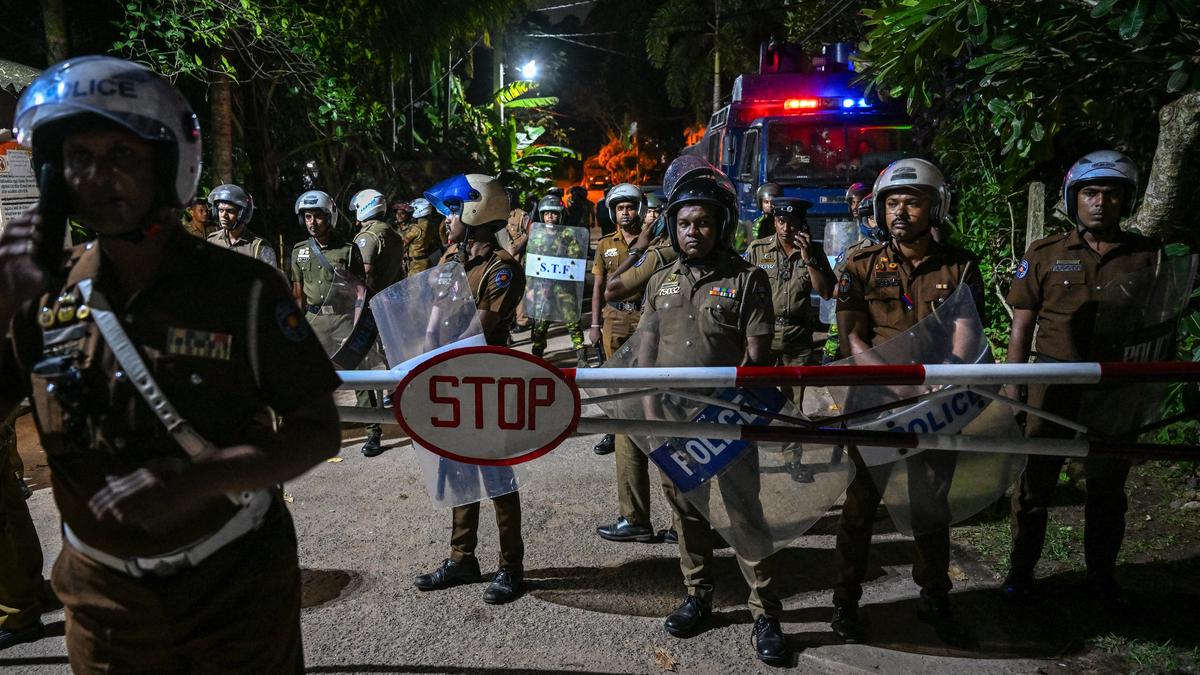
Northern Nigeria is caught in an ongoing crisis of conflict and displacement that has uprooted millions over the years. The northeast continues to reel under the Boko Haram insurgency, while the northwest struggles with banditry and resource-driven clashes, together creating a cycle of instability and forced migration across the region.
Years of such relentless armed conflict have forced millions from their homes, cut families off from farmland and markets, and left civilians as direct victims of violence, creating a cycle of displacement and deepening food insecurity across the region.

Since 2002, the Boko Haram insurgency has torn through northeast Nigeria, displacing millions through waves of killings, abductions, and the destruction of entire communities. Women have borne a disproportionate share of this violence, often targeted in ways that leave lasting social and economic scars. This widespread upheaval has eroded livelihoods, disrupted agriculture, and severed access to essential food and healthcare services. As a result, malnutrition, particularly among children, has surged.
Epidemiological studies have suggested that without the Boko Haram conflict, rates of childhood wasting in affected areas would be up to 13 percentage points lower, a reduction that could have spared thousands of children from malnutrition-related illness and death. The insurgency has eroded basic social services, deepened food insecurity, and pushed an already resource-poor region into a public health emergency.
‘Banditry’ crisis
Nigeria’s “banditry” crisis began as disputes between farmers and herders over scarce land and water in northern Nigeria, and gradually evolved into a full-blown banditry crisis, where armed groups now operate as organised criminal networks, targeting rural communities that have historically been neglected by the state. This violence has devastated farming and food supply chains, further tightening the grip of malnutrition across the region.
This cycle of violence has devastated farming and food supply chains, further intensifying the grip of malnutrition across the region. In the northwest in particular, raids and mass displacement have forced families off their land, leaving them unable to plant or harvest. Combined with the pressures of climate change and dwindling international aid, these conditions have pushed the malnutrition crisis to alarming levels.
According to a recent Nigerian study, with formal safety nets in this part of Nigeria largely absent, food shortage itself risks becoming both a driver and a weapon of conflict. For families facing chronic malnutrition, the promise of food, shelter, or protection can make joining or supporting armed groups seem like a desperate but viable survival strategy. In this way, the absence of adequate nutrition and care does not just deepen human suffering, it fuels the very cycles of violence that continue to destabilise the region.
Climate pressures
According to the Nigerian study, climate change contributes to higher rates of acute child malnutrition, or wasting. As per a UNICEF report, severe wasting is responsible for one in five deaths among children under the age of five globally. Since wasting reflects short-term nutritional stress, it often serves as an early warning indicator that communities are struggling to cope with climate shocks. This is especially relevant in farming communities where people depend on predictable weather to grow food and earn a living.
Nigeria is a country that has faced rising temperatures and recurrent draughts. Northern and northeastern Nigeria are especially exposed to climate shocks, given their fragile food systems, weak public infrastructure, and persistent insecurity. These vulnerabilities compound the risk of malnutrition, as even minor disruptions in rainfall or harvests can quickly translate into widespread food shortages and acute nutritional stress.
These drastic climate events deepen existing vulnerabilities, driving up food prices, and intensifying competition over scarce land and water. These pressures not only fuel displacement and conflict but also directly undermine nutrition and health, particularly among children. Farming groups compete for dwindling land and water, sharpening old rivalries and fuelling the spread of violence. Flooding and drought also intensify displacement, forcing families into overcrowded camps where access to clean water, healthcare, and food is scarce, conditions that accelerate child malnutrition.
Weak health systems
While climate shocks and food insecurity are central drivers of child malnutrition, the crisis is compounded by another layer of vulnerability – the country’s fragile health system. Nigeria’s healthcare system faces deep structural challenges, including inadequate infrastructure, chronic underfunding, and a severe shortage of medical personnel. In northern parts of the country, the poor health system contributes significantly to a severe malnutrition crisis, especially among children. This is also a key factor that results in the death of severely malnourished children in the region. Malnutrition compromises immunity, making children more susceptible to contracting infections or illnesses, resulting in a higher risk of mortality.
According to the 2025 Nigeria Acute Malnutrition Disaster Brief, data from the 2021 Multiple Indicator Cluster Survey shows that more than 6.2 million children across the country had not received any vaccinations. Coverage remains particularly weak in the northeast and northwest, with the northwest recording the lowest levels of child immunisation.
Aid gap
In 2001, Nigeria first introduced its National Food and Nutrition Policy, and later revised it in 2016 with the aim of achieving “optimal nutrition for all Nigerians by 2025”. Yet, nearly a quarter century later, the goals remain unmet. The policy set out ambitious priorities: improving food security, reducing undernutrition in women and children, addressing micronutrient deficiencies, integrating nutrition education, strengthening support for vulnerable groups, tackling diet-related diseases, mainstreaming nutrition into government planning, and developing robust systems for monitoring, early warning, and social protection. Today, with millions of children still malnourished, the policy appears less like a national priority and more like an unfulfilled commitment.

These shortcomings are compounded by significant budget cuts from major donors, including the United States, the United Kingdom, and several European countries – cuts that have a direct impact on malnourished children. For many years, the U.S. Agency for International Development (USAID) played a central role in supporting humanitarian relief in northeastern Nigeria, enabling NGOs to deliver food, shelter, and healthcare to millions. However, foreign assistance was sharply reduced under the Trump administration, which moved to scale back USAID, citing concerns over inefficiency and political bias. Other Western donors have similarly cut back on aid spending, further constraining Nigeria’s humanitarian response.
The United Nations World Food Programme announced that, due to severe funding gaps and depleted supplies, it will halt food and nutrition assistance for nearly 1.3 million people in Nigeria’s conflict-affected northeast by the end of July.
Nigeria’s malnutrition crisis reflects a combination of climate shocks, ongoing conflict, limited health and social services, and reductions in international aid. Despite existing policies and programs aimed at improving nutrition, millions of children continue to experience acute malnutrition, highlighting the persistent challenges in ensuring adequate food, healthcare, and support for vulnerable populations across the country.