



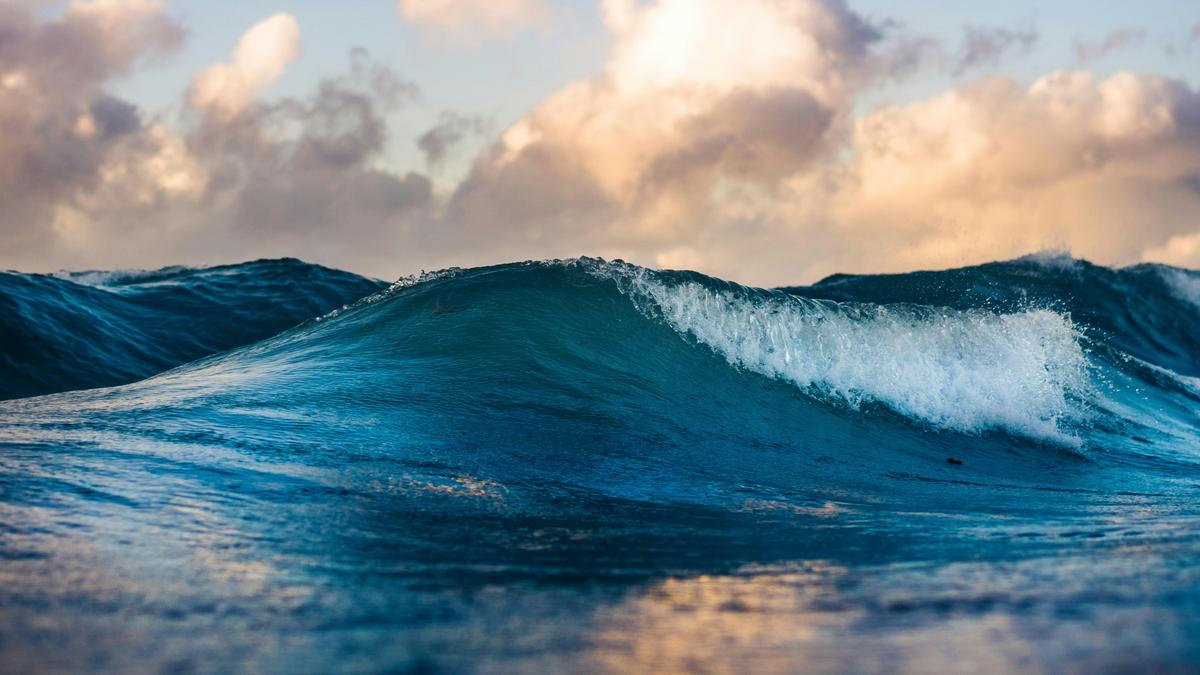
The ocean, the earth’s vast blue lung, has long played a critical but underappreciated role in moderating the planet’s climate. It has absorbed 25% of anthropogenic carbon dioxide emissions and more than 90% of the excess heat generated by greenhouse gases, buying humankind precious time against the worsening effects of climate change.
However, this seemingly boundless capacity comes at a cost: ocean acidification, disrupted biogeochemical cycles, pollution, and profound harm to marine ecosystems. Acidification, for instance, threatens calcifying organisms like coral and shellfish, while warming alters ocean circulation and deoxygenating vital marine habitats. These disruptions cascade through ecosystems, undermining the services they provide — from fisheries to carbon sequestration. The ocean’s natural carbon and heat absorption processes, though crucial, are slow and carry ecological consequences.
A different suite of options
As we grapple with the dual imperatives of decarbonisation and climate resilience, attention is increasingly turning to marine carbon dioxide removal (mCDR) as a strategy to complement emissions reductions and address lingering carbon dioxide burdens. Yet the ocean’s immense surface area and unique chemistry make it a tempting venue for natural and carefully engineered solutions. So far, all our efforts to fight climate change have been land-biased. We have invested heavily on land but ignored oceans, seas, lakes and rivers. Several studies tell us that the land is saturated because soils and rocks are so severely damaged that they no longer support efficient carbon capture.
Ocean, seas, rivers, and even lakes offer a different suite of options. Deep water bodies retain the ability to remove excess carbon rapidly from the atmosphere. They also transport the carbon into depths where it mixes and binds with minerals. As on land, marine carbon capture strategies fall into two categories. (i) Biotic approaches take advantage of living systems like mangroves and macroalgae or of our rivers to carefully calibrate biomass burial at sea. (ii) Abiotic approaches manipulate physical or chemical properties, such as through ocean alkalinity enhancement (OAE), and are more complicated but are also becoming unavoidable. Both these methods promise to capture and store carbon for the long term and potentially transform countries’ contributions to climate goals.
Biotic, or nature-based, solutions rely on the inherent potential of ecosystems to sequester carbon while supporting biodiversity conservation and coastal protection. They are also relatively well-established, with some already integrated into national climate plans. However, their carbon sequestration potential is modest — typically capped at less than one billion tonnes of carbon dioxide every year — and storage durations are limited to hundreds or at best thousands of years.

Schematic representation of the overall perturbation of the global carbon cycle caused by anthropogenic activities, averaged globally for the decade 2012-2021. The uncertainty in the atmospheric CO2 growth rate is very small (±0.02 billion tonnes per year) and is neglected for the figure.
| Photo Credit:
Global Carbon Project
Abiotic techniques, by contrast, offer greater scalability and permanence. For example, biomass burial at sea if done right can sequester seven to 22 billion tonnes of carbon dioxide per year. Reducing the acidic nature of the seas through OAE is another option. Here, alkaline materials are added to sea water to neutralise its carbon dioxide content, locking the carbon away for tens of thousands of years in the form of dissolved inorganic molecules. This method could potentially sequester one to 15 billion tonnes of carbon dioxide per year, an order of magnitude higher than biotic methods.
To put this in perspective, if we wish to keep global warming below 1.5º C (over the pre-industrial average), all our efforts must collectively cap emissions at 570 billion tonnes of carbon dioxide and reach net-zero by 2050. But at today’s relentless pace, this carbon budget will vanish by 2031—a daunting challenge with the clock ticking.
Yet abiotic approaches face hurdles, including public scepticism, regulatory challenges, and the need for extensive energy inputs — particularly in cases involving mineral mining or electrochemical processes.

Promise for deep carbon burial
Despite its promise, mCDR is fraught with uncertainties and potential side effects as well. Techniques like ocean iron fertilisation, which claims to stimulate phytoplankton blooms to capture carbon dioxide, can disrupt other ecosystems and lower the oxygen content of deeper waters. Macroalgae cultivation, another proposed solution, carries similar risks when decaying biomass alters the local chemistry. Even OAE, which experts have touted for its scalability, raises concern about its consequences for marine biodiversity and the energy-intensive processes it may require.
Public perception further complicates deployment. Measuring how much carbon is captured and stays buried also remains a challenge since the open seas are vast, turbulent, and expensive to monitor. Many people view abiotic techniques as unnatural or harmful and favour biotic approaches or terrestrial solutions instead, like direct air capture. Overcoming this scepticism will require transparent communication, rigorous impact assessments, and stakeholder engagement.
Critically, mCDR is not a substitute for reducing emissions. It cannot offset the current scale of fossil fuel combustion, which releases more than 40 billion tonnes of carbon dioxide annually. However, as the world transitions toward net-zero emissions, leveraging the oceans and the seas becomes indispensable.
The careful study of geological and ecological methods offers a chance to harness their power and vastness of oceans. The success of such interventions hinges on rigorous science, robust governance, and societal trust. The Indian Ocean, with its vast arms — the Arabian Sea and the Bay of Bengal — holds untapped promise for deep carbon burial, potentially capturing 25-40% of the marine carbon dioxide. Despite this, India has yet to explore the transformative potential of its rivers and seas.
Harnessing these natural systems in the fight against climate change could provide a critical edge, turning the tide on runaway warming while unlocking a powerful, underutilised climate solution.
Pranay Lal is a biochemist, a natural history writer, and the co-founder of climate group Deep Carbon.
Published – November 29, 2024 05:30 am IST