





Skip to content
  • Facebook
  • X
  • Linkedin
  • WhatsApp
  • YouTube
  • Associate Journalism
  • About Us
  • Privacy Policy
  • 033-46046046
  • editor@artifex.news
Artifex.News

Artifex.News

Stay Connected. Stay Informed.

  • Breaking News
  • World
  • Nation
  • Sports
  • Business
  • Science
  • Entertainment
  • Lifestyle
  • Toggle search form
  • “Hezbollah Playing Very Dangerous Game, Dragging Lebanon Into War”: Israel
    “Hezbollah Playing Very Dangerous Game, Dragging Lebanon Into War”: Israel World
  • Biden, Starmer to discuss Ukraine’s push to ease weapons restrictions
    Biden, Starmer to discuss Ukraine’s push to ease weapons restrictions World
  • ‘Music is a great unifying and connecting factor even today’ 
    ‘Music is a great unifying and connecting factor even today’  Nation
  • UP Man Tries To Kill Woman After Brother Rapes Her: Not My Wife Anymore
    UP Man Tries To Kill Woman After Brother Rapes Her: Not My Wife Anymore Nation
  • Access Denied Sports
  • Kremlin regrets end of nuclear weapons treaty with U.S.
    Kremlin regrets end of nuclear weapons treaty with U.S. World
  • Retired Hindu school teacher, wife, and children killed in Bangladesh; 2 detained
    Retired Hindu school teacher, wife, and children killed in Bangladesh; 2 detained World
  • BBMP to build 12-km flyover to decongest Kanakapura Road at a cost of ₹1,200 crore
    BBMP to build 12-km flyover to decongest Kanakapura Road at a cost of ₹1,200 crore Nation
Mpox clade Ia has evolved to jump from humans to humans: new study

Mpox clade Ia has evolved to jump from humans to humans: new study

Posted on November 11, 2024 By admin


Since the world eradicated smallpox in 1980, scientists have known that the battle against poxviruses was far from over. Of the multiple types that exist, scientists have been wary of one in particular: mpox. In fact, one of the points in the World Health Assembly’s post-eradication policies was the “continuation of monkeypox surveillance in West and Central Africa, at least until 1985”.

In the 2022-2023, the World Health Organisation (WHO) declared the then global outbreak of mpox a ‘public health emergency of international concern’. In August this year, the WHO declared mpox to be a public health emergency for the second time in two years.

(Note: In 2022, the WHO designated “mpox” as a preferred synonym for “monkeypox” disease. The virus is still called “monkeypox” according to the International Committee on the Taxonomy of Viruses. For uniformity’s sake, this article will use “mpox” to refer to both the disease and the virus clades.)

New cause for worry

The declaration ensured multiple countries would pledge vaccines to the 15 African nations affected by the outbreak, six of which had never reported a single case of mpox before. But the paucity of doses has forced countries to prioritise their campaigns. Barely two months since these countries started their targeted vaccinations, scientists have a new cause for worry. A preprint paper uploaded on Virologica, a scientists’ discussion forum online, on October 24 reported evidence that yet another strain of the mpox virus appeared to have achieved human-to-human transmission.

There are two clades of mpox: I and II. Clade I viruses have been shown to cause more severe disease in the mouse model, but that doesn’t mean the same may be true for humans. Both clades are classified into two subclades, making a total of four known variants: Ia, Ib, IIa, and IIb. Of these, clade IIb was responsible for the 2022 outbreak, which is still continuing in certain parts of Africa.

Clade Ib, discovered towards the end of 2023, is the primary cause of infection in central Africa.

Researchers believed these two clades to be the primary contributors of the present mpox problem. They know very little about clade IIa except that it causes infections in western Africa.

When viruses make ‘mistakes’

Clade Ia, on the other hand, is the oldest known variant of the mpox virus. It has been known to cause sporadic infections in humans, mostly children, since 1970. But these infections were always limited to a few families or communities and the transmission was always from animals to humans. There was no proof of sustained human to human transmission — until recently.

The preprint posted on Virologica reported evidence that the DNA of clade Ia viruses sequenced from the present outbreak bears clear signs of human-to-human transmission.

Viruses evolve by introducing changes to their genetic material. Each time a virus infects a new host, an enzyme known as a polymerase makes multiple copies of the virus’s genetic material (DNA or RNA), which is then packed into new viruses. But sometimes the polymerases make a mistake. These mistakes, called mutations, could have a positive, negative or no impact on the virus, meaning the virus can get better or worse or be the same at its job.

The rate at which the polymerases make mutations is different for different viruses. Generally, viruses that have RNA as their genetic material, such as the human immunodeficiency virus (HIV) and influenza, make mistakes much more frequently than those that have DNA, like the human papillomavirus (HPV) and adenoviruses.

This error rate is even lower in some DNA viruses, like the members of the pox family, which also have an error-correction mechanism built into them. This mechanism, called proof-reading, ensures few mistakes are made: around one mistake every three years in a circulating viral strain.

The APOBEC family

However, viral polymerases are not the only source of mistakes in a virus’s genetic material.

The immune system also has a mechanism to introduce random changes in foreign DNA. A family of proteins called APOBEC — short for ‘apolipoprotein B mRNA editing enzyme, catalytic polypeptide-like’ — can introduce changes to the viral DNA while it is being copied in the cells.

By doing so, APOBEC proteins force mistakes, some of which can be lethal to the virus. Importantly, of the four bases that DNA is made of, namely adenine, guanine, cytosine, and thymine, viral DNA polymerases can make a mistake anywhere, but APOBEC’s activity is usually limited to changing a cytosine to a thymine.

In a 2023 paper that appeared in Science, researchers showed that since the mutations made by APOBEC are more numerous than those by the viral polymerase, a sudden surge in the prevalence of mutations in circulating mpox viral DNA can be attributed to the activity of APOBEC. That is, the virus came from human cells and APOBEC must have acted on it. Otherwise those mutations couldn’t have arisen so quickly.

The researchers also estimated that on average, APOBEC activity would introduce around six mutations every year. Based on how many mutations the researchers observed, and the nature of those mutations, they predicted mpox clade IIb had been circulating in Africa from humans to humans since 2016.

The new study described in the preprint used the same method to show clade Ia viruses have achieved human to human transmission as well. This is because 63% of mutations they observed in the clade Ia infections were consistent with changes that could be introduced by APOBEC.

Viruses’ responses to antivirals

The news that clade Ia viruses can spread from humans to humans is not likely to affect the vaccination strategies of the affected countries. However, it is certainly cause for worry because researchers know that the different mpox clades respond differently to certain antiviral drugs used to treat them.

For now, Africa has pinned its hopes on the few doses of vaccines it has and is hoping against odds that its targeted campaign will suffice to stem the rising tide of mpox cases.

Arun Panchapakesan is an assistant professor at the Y.R. Gaithonde Centre for AIDS Research and Education, Chennai.

Published – November 11, 2024 05:30 am IST



Source link

Science

Post navigation

Previous Post: Congress Suspends 7 More Rebel Candidates Ahead Of Maharashtra Polls
Next Post: Israel Strike Kills Hezbollah Commander, 8 Others In Syria: War Monitor

Related Posts

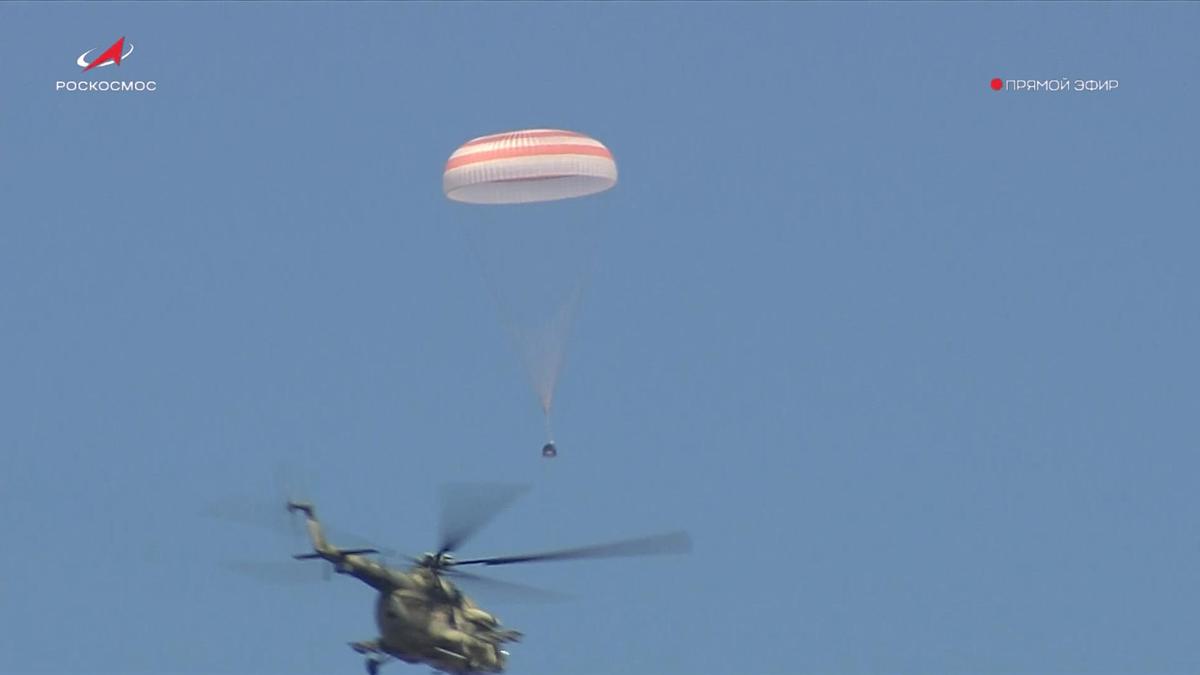
  • The first human-made object recovered from space
    The first human-made object recovered from space Science
  • A guide to COP29 climate jargon
    A guide to COP29 climate jargon Science
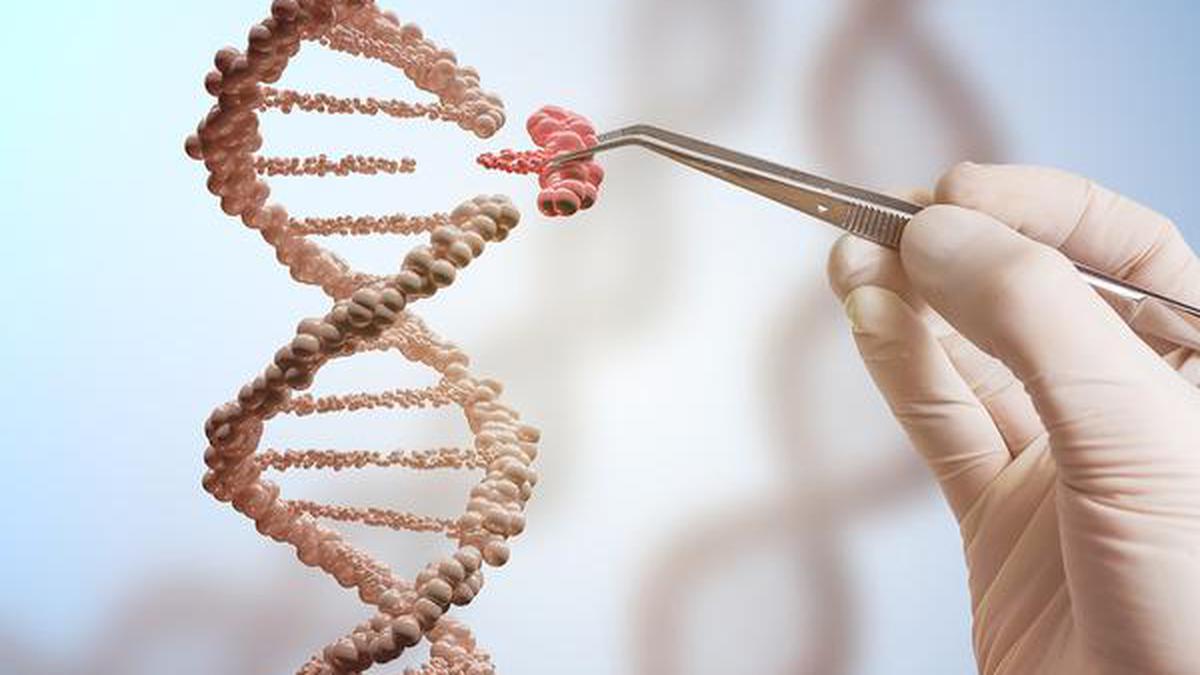
  • Genome-editing is helping us understand hereditary cancers better
    Genome-editing is helping us understand hereditary cancers better Science
  • Storm fears overshadow India coast decades after tsunami
    Storm fears overshadow India coast decades after tsunami Science
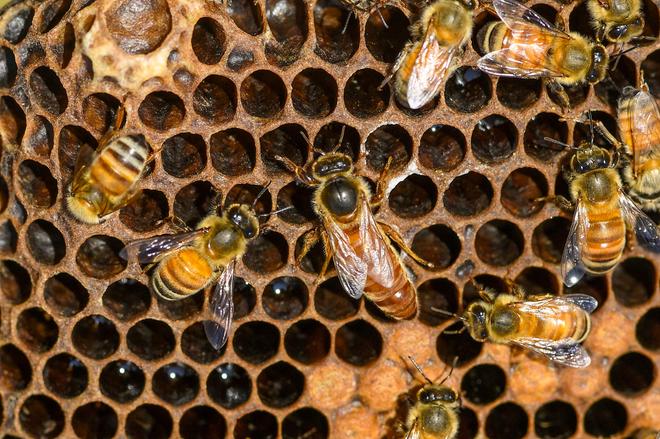
  • Sci-Five | The Hindu Science: On Bees
    Sci-Five | The Hindu Science: On Bees Science
  • V. Narayanan | Rocket scientist
    V. Narayanan | Rocket scientist Science

More Related Articles

Committee to probe ‘systemic issues’ behind repeated failure of PSLV rocket Committee to probe ‘systemic issues’ behind repeated failure of PSLV rocket Science
IITM Pune demonstrates cloud seeding can produce rainfall IITM Pune demonstrates cloud seeding can produce rainfall Science
Getting a closer look at Pluto Getting a closer look at Pluto Science
Publish or perish: making sense of India’s research fraud epidemic Publish or perish: making sense of India’s research fraud epidemic Science
What does a healthy breakfast do for you? What does a healthy breakfast do for you? Science
U.S.-Russian space crew lands safely in Kazakhstan after an 8-month stint on the ISS U.S.-Russian space crew lands safely in Kazakhstan after an 8-month stint on the ISS Science
SiteLock

Archives

  • October 2026
  • September 2026
  • August 2026
  • July 2026
  • June 2026
  • May 2026
  • April 2026
  • March 2026
  • February 2026
  • January 2026
  • December 2025
  • November 2025
  • October 2025
  • September 2025
  • August 2025
  • July 2025
  • June 2025
  • May 2025
  • April 2025
  • March 2025
  • February 2025
  • January 2025
  • December 2024
  • November 2024
  • October 2024
  • September 2024
  • August 2024
  • July 2024
  • June 2024
  • May 2024
  • April 2024
  • March 2024
  • February 2024
  • January 2024
  • December 2023
  • November 2023
  • October 2023
  • September 2023
  • August 2023
  • July 2023
  • June 2023
  • May 2023
  • April 2023
  • March 2023
  • February 2023
  • January 2023
  • December 2022
  • November 2022
  • October 2022
  • September 2022
  • August 2022
  • July 2022
  • June 2022
  • May 2022

Categories

  • Business
  • Nation
  • Science
  • Sports
  • World

Recent Posts

  • Activists allege tender for beach pathway for persons with disabilities is incomplete
  • BOXING | Battle between BFI chief and general secretary intensifies
  • U.S.-Russia deal on diesel is ‘very risky choice,’ says Italy PM Giorgia Meloni
  • Cabinet approves Fairfax’s ₹52,878-crore bid for IDBI Bank; largest FDI ever in India’s financial sector
  • India’s IT exports: Deliver the code, chase the cash

Recent Comments

  1. RobertTes on UP Teacher Who Asked Students To Slap Muslim Classmate
  2. Manuelret on UP Teacher Who Asked Students To Slap Muslim Classmate
  3. RobertTes on UP Teacher Who Asked Students To Slap Muslim Classmate
  4. RobertTes on UP Teacher Who Asked Students To Slap Muslim Classmate
  5. BrentWes on UP Teacher Who Asked Students To Slap Muslim Classmate
  • Access Denied Business
  • Anil Kumble Recommends Maximising Boundary Size, More Pronounced Seam To Save Bowlers’ Future
    Anil Kumble Recommends Maximising Boundary Size, More Pronounced Seam To Save Bowlers’ Future Sports
  • Russian missiles kill at least 14 people in the latest strike on southern Ukraine’s Odesa
    Russian missiles kill at least 14 people in the latest strike on southern Ukraine’s Odesa World
  • Gaza civil defence says toddler among 10 killed in Israeli strikes
    Gaza civil defence says toddler among 10 killed in Israeli strikes World
  • Delhi Court Grants Bail To Separatist Shabir Shah In Money Laundering Case
    Delhi Court Grants Bail To Separatist Shabir Shah In Money Laundering Case Nation
  • Atul Subhash’s Father After Nikita, Others Arrested
    Atul Subhash’s Father After Nikita, Others Arrested Nation
  • Onions made me cry! – The Hindu
    Onions made me cry! – The Hindu Science
  • K. Bhagyaraj: the quintessential man-next-door hero of Tamil cinema
    K. Bhagyaraj: the quintessential man-next-door hero of Tamil cinema Nation

Editor-in-Chief:
Mohammad Ariff,
MSW, MAJMC, BSW, DTL, CTS, CNM, CCR, CAL, RSL, ASOC.
editor@artifex.news

Associate Editors:
1. Zenellis R. Tuba,
zenelis@artifex.news
2. Haris Daniyel
daniyel@artifex.news

Photograher:
Rohan Das
rohan@artifex.news

Associate Journalists
1. Subrata Paul - AN/2020/01
2. Quamruz Zaman - AN/2021/22
3. Ahmed Sha - AN/2021/035
4. Ajay Kumar Shaw - AN/2021/39
5. Tahqiqul Hoda - AN/2021/21

Artifex.News offers Online Paid Internships to college students from India and Abroad. Interns will get a PRESS CARD and other online offers.
Send your CV (Subjectline: Paid Internship) to internship@artifex.news

Links:
Associate Journalism
About Us
Privacy Policy

News Links:
Breaking News
World
Nation
Sports
Business
Entertainment
Lifestyle

Registered Office:
72/A, Elliot Road, Kolkata - 700016
Tel: 033-22277777, 033-22172217
Email: office@artifex.news

Editorial Office / News Desk:
No. 13, Mezzanine Floor, Esplanade Metro Rail Station,
12 J. L. Nehru Road, Kolkata - 700069.
(Entry from Gate No. 5)
Tel: 033-46011099, 033-46046046
Email: editor@artifex.news

Copyright © 2023 Artifex.News Newsportal designed by Artifex Infotech.