




Nature’s bounty has provided humans with a wide diversity of plants that we consume daily as food. In some Indigenous knowledge systems such as Ayurveda the same plants are also recognised as medicines. Throughout the 21st century, researchers discovered novel compounds and drugs from plants used in traditional medicine; today, the world is mining the same plants and knowledge base for wider health benefits.
Sustainable, natural products are increasingly in demand as nutraceuticals: food ingredients with both nutritional and pharmaceutical benefits and which promote wellness. The authors of this article — from the University of Trans-Disciplinary Health Sciences and Technology (TDU), Bengaluru and the ‘Plants for Health’ team at the Royal Botanic Gardens in the U.K. — recently conducted a study funded by the British High Commission. We found that of the 7,564 medicinal species listed in 11 referenced sources, approximately a quarter (1,788) were documented as food as well as medicine.
Safety of foods as medicine
Although centuries of traditional use provides empirical support for the use of plants for medicinal purposes, many and their derivatives can be found in the market today in new combinations, recipes, and applications that are far removed from their prior classical use. For instance, several herbs are available in the form of pills today, but in antiquity a physician may have recommended consuming them in the form of a decoction in warm water. While traditional use is generally safe as food, are these new avatars safe as medicines as well? How will plants be identified for potential nutraceutical benefits? And who will regulate the uses of a plant that is a food as well as a medicine?
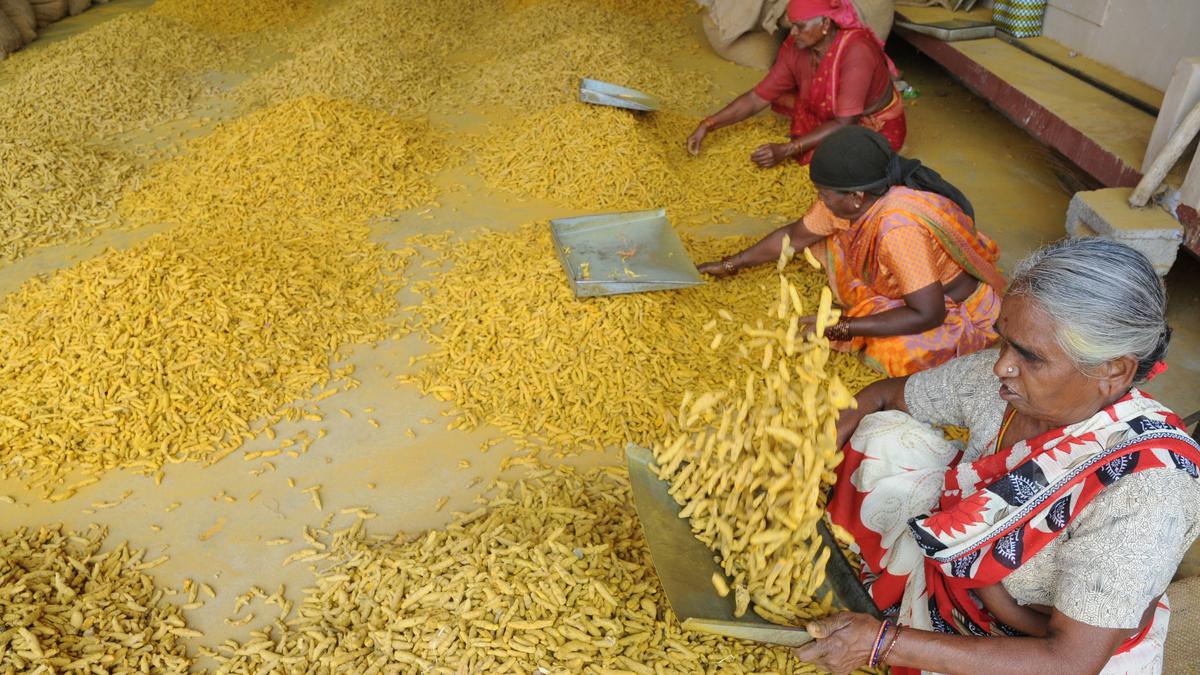
Consider turmeric, the staple spice of the Indian pantry. There is a rich store of information from traditional sources as to its therapeutic value and culinary use, and a large volume of scientific studies of both the whole rhizome as well as of one of its better known bioactives, curcumin. From cancer to inflammation, researchers have explored turmeric’s potential in laboratory tests and clinical trials, with many positive results. What may not be apparent to a layperson, however, is that the dose in which we consume turmeric as a spice is much lower than the dose in which it is used in therapeutic trials. It is uncommon to find warnings attesting to the fact that high daily doses of turmeric can have toxic effects.
Of the 1,788 Indian food plants identified by this work as being used as both food and medicine, just over 5% (or 139 species) are documented in the 2017 Indian Food Composition Table (IFCT), the official reference for the nutrient value of commonly used food ingredients. The Ayurvedic pharmacopoeia cites herbal substances derived from 334 plants. The overlap of plant species between the IFCT and the Ayurvedic pharmacopoeia is more than 90%, underscoring why consumers believe ethnomedicines can be consumed as food.
Discord and conflict
An analysis of the contents of the 11 published references threw up two other problems with the listing of plants: (i) an extraordinary level of discordance and ambiguity in how scientific names are used to refer to plants, and (ii) the lack of information and conflicting evidence about the plant parts to be used. In total, we found 21,033 different scientific plant names were cited in the 11 reviewed publications. But because of synonymy, these names refer to just 7,564 different plants — an issue that extends to the scientific literature as well. These scientific synonyms add to the complexity for regulators; for consumers when they are trying to find the relevant information; and for researchers when they are comparing their findings related to a plant across different scientific studies.
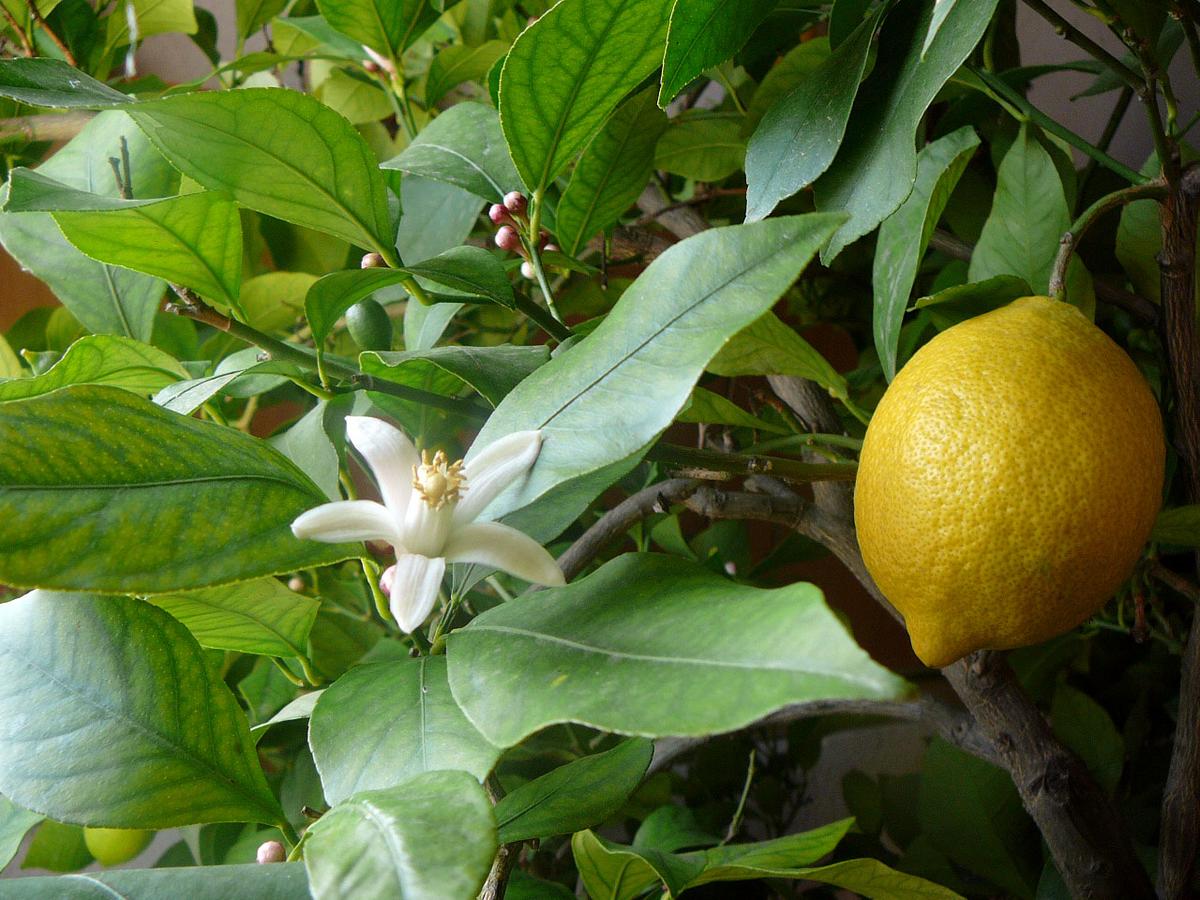
Citrus limon (L.) Osbeck, with a blossom visible.
| Photo Credit:
Elena Chochkova (CC BY-SA 4.0)
The scientific name of many life-forms is binomial: the name of the genusand the name of the species in that genus. For example, in Homo sapiens, ‘Homo’ is the genus and ‘sapiens’ is the species name. For plants the binomial name also includes the name of the person who first published that Latin name. This name however is not fixed.
As researchers collect more DNA and chemical evidence, plant taxonomists are developing better insights into how plants are related to one another and make changes to the taxonomic hierarchy accordingly. In this way, researchers publish more than 10,000 changes to plant scientific names every year. Regulations of the way plants are named also control how their subspecies, varieties, and hybrids are specified in scientific terms.
Thus, what is a ‘lemon’ to an non-expert person would perhaps fully be described as Citruslimon (L.) Osbeck to the botanist. Unfortunately, this precision of labelling and the nuances are rarely captured in food composition tables. For example, the IFCT 2017 catalogues ‘lemon’ simply as Citrus limon, without indicating its hybrid origin or mentioning which variety of the listed species researchers studied. In fact, imprecise or ambiguous plant names were observed to the tune of 100% in IFCT 2017 and 80% in the Ayurvedic pharmacopoeia of India.
Need for standard names for plant parts
This has serious implications for the regulatory process — not just for human health but also biodiversity conservation. Climate change will likely have an unequal impact on different plant varieties and their nutritional value and bioactivity.
To be able to consistently and reliably regulate plants and their derived products, therefore, we need appropriate use of scientific nomenclature. Since plants show little respect for national boundaries and many of the plants consumed in India may have first taken root in other countries, it is important for regulatory and legal purposes to acknowledge international efforts to standardise plant nomenclature.
Thanks to COVID-19, many would have heard about giloy or ashwagandha. These names refer to two plants widely used in Ayurveda. Fewer people, however, will be aware that it is the stem of Tinospora cordifolia (Willd.) Hook.f. & Thomson that is used in giloy, and the root of Withania somnifera (L.) Dunal that is used in ashwagandha — both for medicinal purposes.
In the case of giloy, medicinal uses of the leaves, fruits, and roots are also mentioned in Ayurveda and folk medicine. Such information regarding the relevant parts of each plant are rarely included in the labels of consumer goods, however. Where the scientific name is mentioned, it is often incomplete or misspelt.
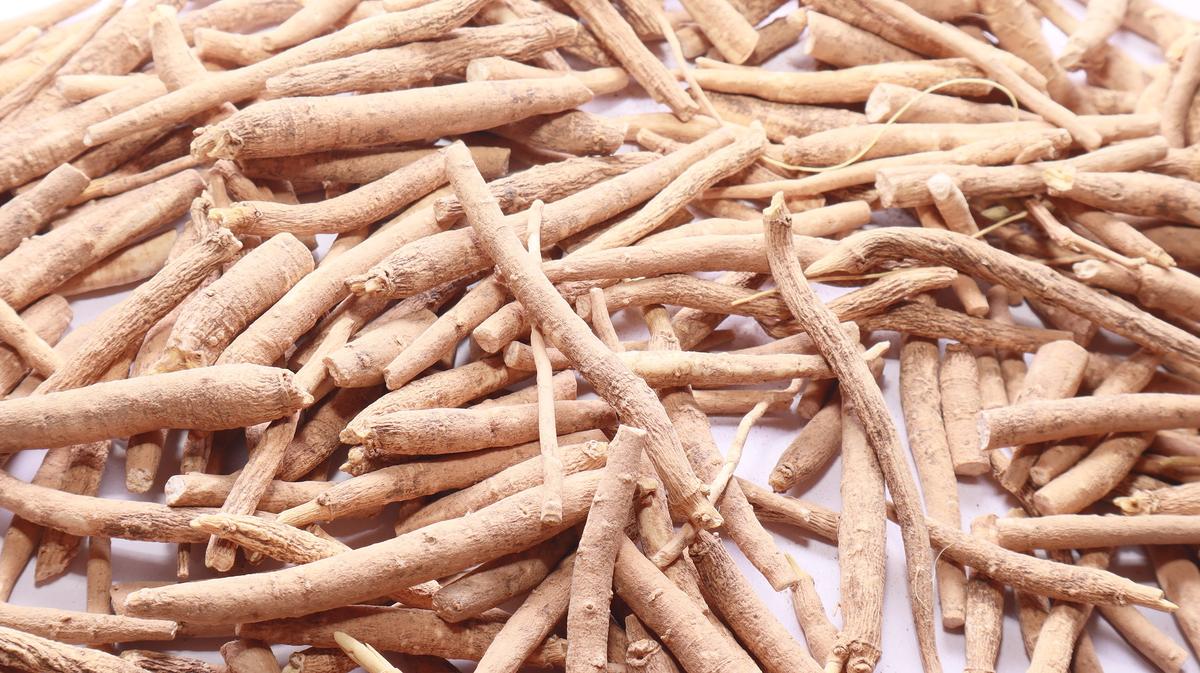
Dried ashwagandha roots.
| Photo Credit:
Piyush Kothari (CC BY-SA 4.0)
Regulation by which regulator?
This is important from a nutritional perspective as well. The leaves of bhringaraj(Eclipta prostrata (L.) L) are celebrated in Ayurveda for their ability to promote good hair health and are marketed as such in several products. The same plant is also consumed as a green leafy vegetable in certain parts of India and yet no nutrient information is found in the IFCT 2017.
Regulators are undoubtedly best placed to address questions regarding the toxicity of plant materials. But then by which regulator: those responsible for food or those with a responsibility for medicines? Further, do we need separate regulations for plant-based medicinal foods?
This is an important question because in a majority of countries, food and medicine are regulated by separate government agencies, and they don’t acknowledge that the same plant can have different uses. In six economies that we examined — Brazil, China, the European Union, India, the U.S., and the U.K. — it was observed that there was a distinct regulator for food and nutrition and another one for drug testing and licensing. There were some exceptions: for example, the Medicines and Healthcare products Regulatory Agency, the health regulator in the U.K., recognises “border products” that straddle the divide between food and medicines.
In India, however, food is regulated by the Food Safety and Standards Authority of India (FSSAI) and drug-licensing by the Central Drugs Standard Control Organisation (CDSCO).
Drug regulators, unsurprisingly, establish far higher requirements for evidence for efficacy and safety than do food regulators. There is no one simple approach to integrate evidence across domains, yet current attempts to share knowledge across regulators is currently also hampered by their use of inconsistent and/or imprecise plant names.

The health and wellness industry is set to grow in the coming years as richer economies age and people’s incomes become more able to support investments in natural plant products, which are derived primarily from traditional knowledge. To benefit producers and consumers alike, the use of a standardised, globally accepted, and regularly updated plant nomenclature list is essential.
Megha is an associate professor of Ayurveda biology and holistic nutrition and Varun Subramanya is a scientist of traditional knowledge, data science, and informatics — both at The University of Trans-Disciplinary Health Sciences and Technology, Bengaluru. Bob Allkin is programme manager in the Department of Digital Revolution at the Royal Botanical Gardens, Kew.
Published – October 29, 2024 05:30 am IST