





Financial literacy is all about knowing how to use money wisely. It means learning how to save, spend, and plan for the future. Just like learning to ride a bike, understanding money can help you make smart choices and achieve your dreams. By getting a handle on your finances early, you’ll be better prepared for big decisions later in life, like buying a car or going to college!
Understanding money
Money is like a special tool we use every day to get the things we need and want. It can come in different forms, such as coins, bills, or even digital currency. You can use money to buy groceries, clothes, toys, and even pay for fun activities like going to the movies. Understanding how money works means knowing where it comes from, how to spend it wisely, and why it’s important to keep track of what you have.
When you learn about money, you also discover the value of different items and how to compare prices. For example, if you want to buy a new video game, knowing how much it costs helps you decide if you can afford it right now or if you need to save up for a little longer.
Importance of saving
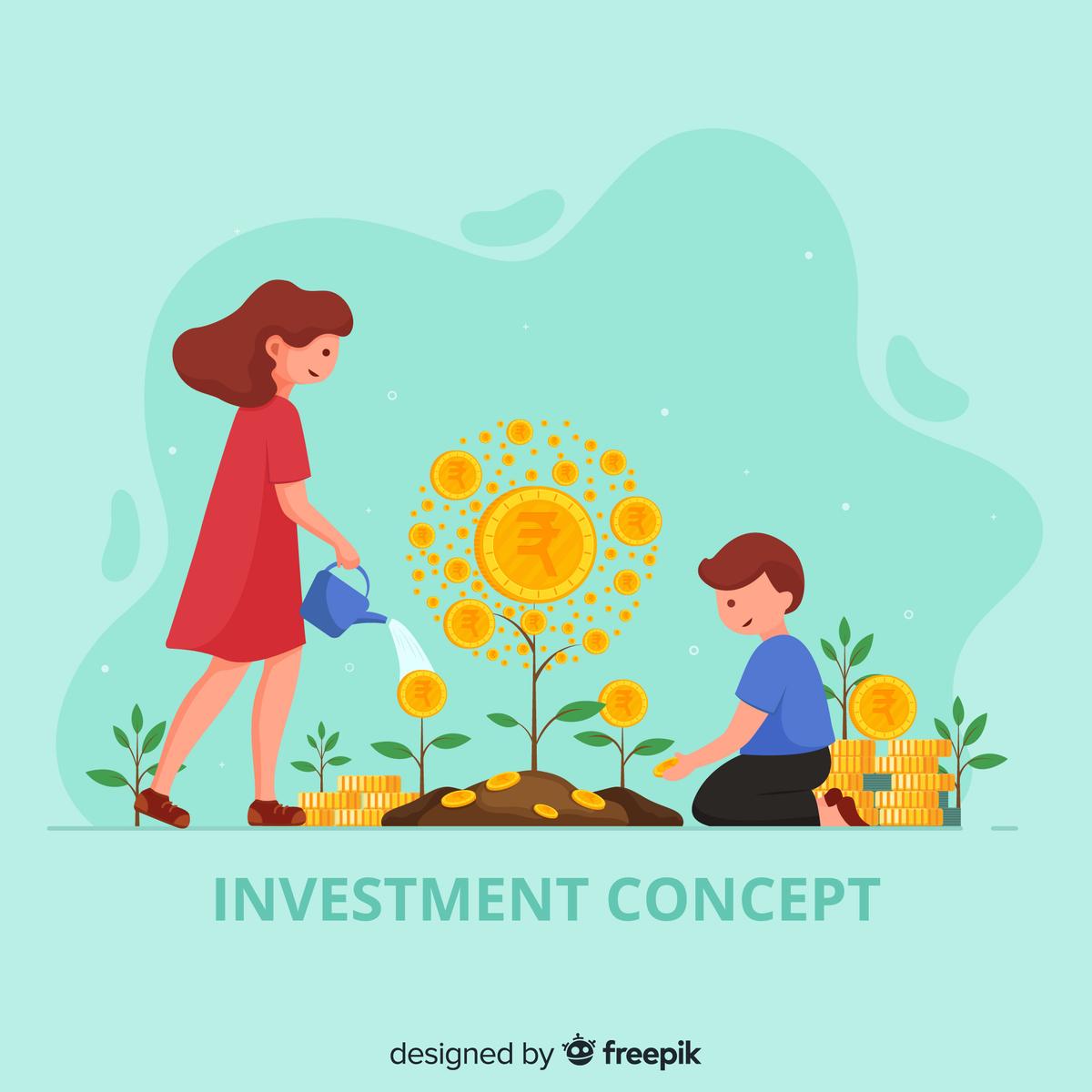
Think of it like planting seeds in a garden; the more seeds you plant (or money you save), the bigger your garden will grow over time. When you save, you learn how to set goals for things you really want, like that awesome toy or a cool new bike.
Saving also helps you make informed choices. When you have some money saved up, you can think carefully about what to buy instead of making impulse decisions. For instance, if you see a toy that you like, but you know you want to save for a special event, you might decide to wait and save instead of spending your money right away.
By developing good saving habits now, you’ll be prepared for bigger financial responsibilities as you grow up, like buying your own things, saving for trips, or even helping out with family expenses in the future.
Illustration of financial success and business growth
Incorporating financial literacy
- Budgeting goals: Learning to set a budget helps you plan where your money should go. Whether it’s buying a small treat now or saving up for something bigger, budgeting keeps you on track. Start by setting short-term goals, like saving for a new book this month, and long-term goals, like getting a new bike by summer. Having these goals helps you focus on saving and gives you something exciting to look forward to. For example, if you get Rs 10 for your birthday, you might decide to save Rs 5 and spend the rest on a small treat.
- Saving in banks: Instead of just keeping money in a piggy bank, you can open a savings account with the guidance of a parent or guardian. Many banks in India, like State Bank of India and Punjab National Bank, let children open accounts to save and learn about banking. Private banks also have kid-friendly options. This way, you know there’s a safe place for your money to grow, and you get a sense of managing money just like adults do. Once you turn 18, you can take control of your savings account and make decisions about your money independently.
- Understanding investment: Investment is when you put your money into something that has the potential to grow in value over time. This means even small amounts you invest can increase in worth as they benefit from growth over the years. Some popular and safer options include government-backed schemes like the National Savings Certificate through postal services, which offer a secure way to invest and watch your savings grow. Another great option for young investors is the Post Office Monthly Income Scheme (POMIS). This is a fixed-income scheme offered by the Indian Post Office. It provides a regular monthly income, making it a suitable option for those seeking a steady stream of income. A minor who is 10 years or older can open a POMIS account, but can only access the funds when they turn 18.

Digital budgeting for smart financial management
Open-source budgeting apps are a great way to track your spending and learn budgeting skills. These apps offer a variety of features, from simple expense tracking to advanced budgeting tools. Here are a few popular options:
Splitwise
This app is ideal for tracking shared expenses, making it perfect for roommates, friends, or family members.
Notion
While primarily a note-taking app, Notion can also be used to create databases for tracking income, expenses, and savings.
Mint
A comprehensive app that connects to your bank accounts, credit cards, and bills, providing a detailed overview of your finances.
PocketGuard
A simple app that categorises your spending and offers insights into your financial habits.
Digital budgeting apps offer a smarter and more advanced approach to financial management. With real-time tracking, automation, accessibility, customization, and educational resources, these apps provide a convenient and personalised way to stay on top of your finances and make informed decisions.
Spending wisely: The concept of Needs vs. Wants
-
Needs are things you must have to survive, like food, water, and shelter.
-
Wants are things you would like to have, but can live without, such as toys, games, or candy.
For example, you need food to grow and stay healthy. But a toy is a want, something you would like to have but can live without.
By understanding the difference between needs and wants, you can make smarter spending choices. It’s okay to have wants, but it’s important to prioritise your needs first.
Resources for financial literacy
Did you know there are easily accessible websites that make it easy to grasp everything from budgeting to investing?
Flab India Activities
This platform offers engaging activities designed to introduce children to essential financial concepts through fun and interactive learning. (https://flabindia.com/)
-
Expect creative games and activities that make learning about money enjoyable.
-
Activities cover budgeting, saving, and basic investment principles.
NISM Financial Literacy Course for Bharat
The National Institute of Securities Markets provides a structured course aimed at enhancing financial knowledge among children and young adults. (https://www.nism.ac.in/financial-literacy-course-for-bharat/)
-
A comprehensive course that covers various aspects of finance, including savings, investments, and financial planning.
-
Interactive modules designed to engage learners with real-life scenarios and practical tips.
RBI Financial Education
The Reserve Bank of India offers a wealth of information on financial education tailored for students and educators. (https://www.rbi.org.in/FinancialEducation/Home.aspx)
-
Expect easy-to-understand content on banking, saving, and smart money management.
-
Resources include educational videos, infographics, and downloadable materials that simplify complex financial topics.

Budgeting games
Monopoly
This classic game teaches players about buying properties, managing money, and making smart investments. As they navigate through the game, they learn to budget their money wisely and understand the value of assets.
The Game of Life
In this game, players make decisions about their education, career, and family life while managing their finances. It helps children understand the importance of making informed choices and planning for the future.
Cashflow for Kids
This is an educational game designed to teach children about money management and investing. Players learn how to manage their income and expenses while aiming to achieve financial freedom.
Expert advice
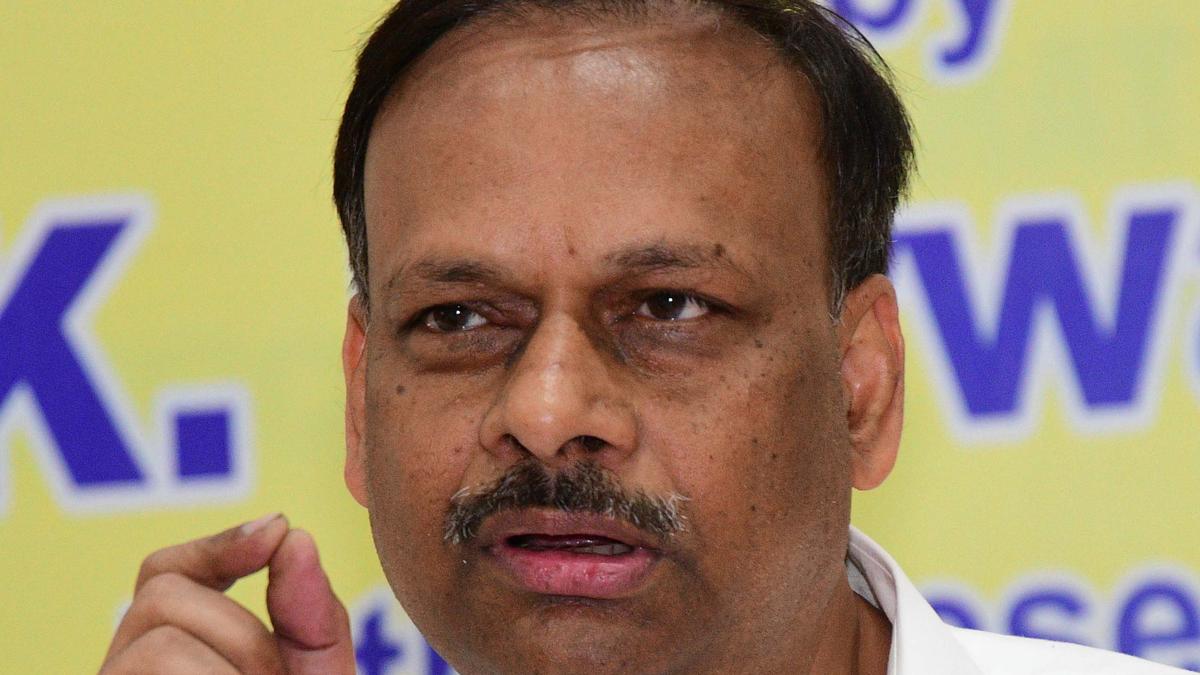
Aniket Dani, Director-Research at CRISIL Market Intelligence and Analytics, offers a compelling perspective on financial literacy for children. In this interview, he highlights the often-overlooked importance of early financial education, exploring how it can shape children’s futures and the collaborative roles parents and schools can play in cultivating these essential life skills.

Aniket Dani
 Why do you believe it’s essential to introduce financial literacy at a young age, and how can it impact children’s future financial well-being?

Financial literacy is crucial for young minds as it builds the foundation for responsible money management. The discipline and ability to plan, manage, and monitor one’s own finances leads to financial well-being. Children, in their formative years, absorb the information and discipline most effectively, which stays with them for life. The world of finance has become increasingly complex in the last few decades, therefore, introducing financial literacy from a young age will prepare them for this ever-evolving information, develop reasoning capabilities, and make better decisions. This, in turn, will help them later in their adult life to make informed decisions independently, in their day-to-day life as well as for life-changing events, without solely relying on others for advice.
In your opinion, what are the most effective ways to teach children about money management, and how parents and schools collaborate to build these skills early on?
Experiential learning is the most effective way to teach about money management. Formal education system should include basic content-related planning, budgeting, reviewing, etc. The teachers and parents then can collaborate to create projects in the house or school to implement this learning. For example, budgeting of the monthly allowance or household expenses or school events. Gamifying such projects could give children an incentive to perform better. These experiential learning and activities should vary across stages of youth considering their ability to process complexity
Published – November 14, 2024 12:18 pm IST