




Skip to content
  • Facebook
  • X
  • Linkedin
  • WhatsApp
  • YouTube
  • Associate Journalism
  • About Us
  • Privacy Policy
  • 033-46046046
  • editor@artifex.news
Artifex.News

Artifex.News

Stay Connected. Stay Informed.

  • Breaking News
  • World
  • Nation
  • Sports
  • Business
  • Science
  • Entertainment
  • Lifestyle
  • Toggle search form
  • Marseille Hit Five To Close Gap On PSG In Ligue 1
    Marseille Hit Five To Close Gap On PSG In Ligue 1 Sports
  • Sci-Five | The Hindu Science Quiz: On Printing
    Sci-Five | The Hindu Science Quiz: On Printing Science
  • Access Denied Business
  • Access Denied
    Access Denied Nation
  • Russia’s gas supplies down by 20% after Ukrainian attacks: Zelenskyy
    Russia’s gas supplies down by 20% after Ukrainian attacks: Zelenskyy World
  • US Open 2023: Rohan Bopanna-Matthew Ebden Enter Men’s Doubles Final With Straight-Sets Victory
    US Open 2023: Rohan Bopanna-Matthew Ebden Enter Men’s Doubles Final With Straight-Sets Victory Sports
  • Tensions escalate in Rajya Sabha over Rahul issue, Opposition stages walkout
    Tensions escalate in Rajya Sabha over Rahul issue, Opposition stages walkout Business
  • Adani merges two green energy subsidiaries with Adani New Industries
    Adani merges two green energy subsidiaries with Adani New Industries Business
Babies in Nigeria being born with antibiotic resistant bacteria

Babies in Nigeria being born with antibiotic resistant bacteria

Posted on August 6, 2024 By admin


Sepsis occurs when one’s immune system has an extreme response to an infection. It’s a life-threatening condition: globally, it accounts for about 11 million deaths – 20% of all deaths per year.

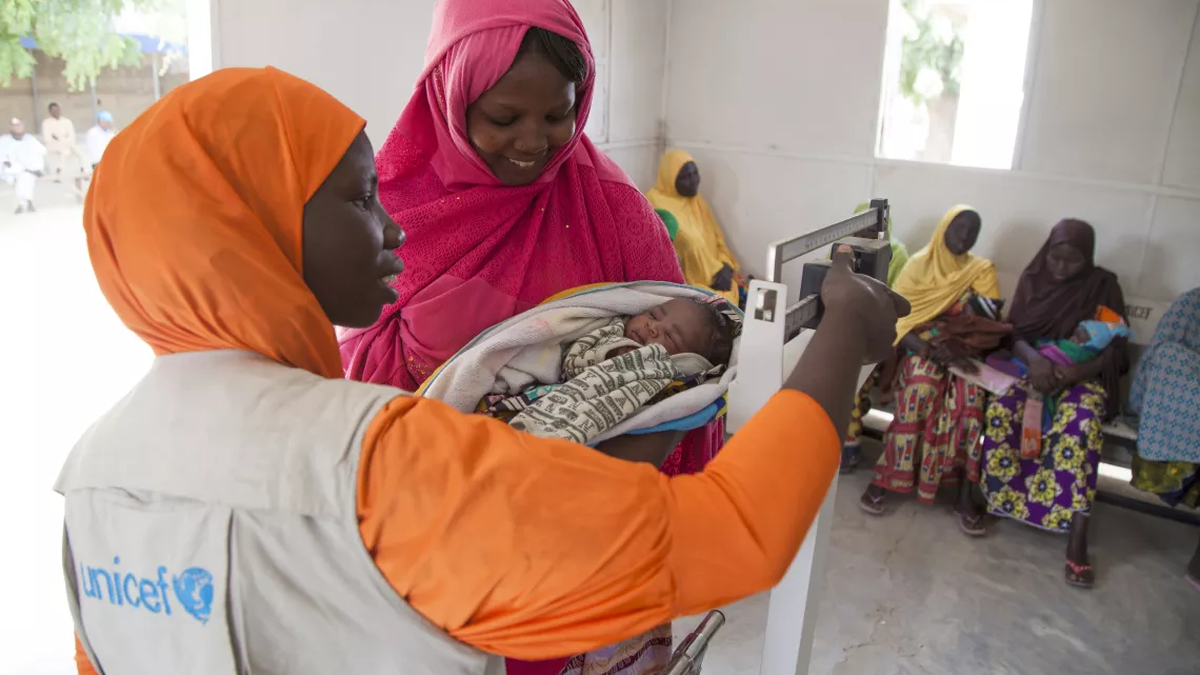
And it doesn’t just affect adults. In 2020, 2.4 million newborn babies died of sepsis in the first month of their lives. Most of these deaths happened in sub-Saharan Africa.

The main treatment for sepsis is antibiotics. However, the overuse and misuse of antibiotics in human medicine and agriculture has led to antimicrobial resistance – a process in which bacteria, fungi and parasites have developed the ability to resist the action of medicines.

The World Health Organization describes antimicrobial resistance as one of the top global public health and development threats.

This growing resistance is due to the overuse and misuse of antibiotics in both human medicine and in farming. They’re used in large quantities to grow crops and in animal feeds to treat and reduce the risk of infection in livestock.

It has been forecast that, by 2050, more people will die from antimicrobial resistance than both cancer and diabetes combined.

Sub-Saharan Africa is one of the regions with the highest rates of deaths associated with antimicrobial resistance (including sepsis) in the world, with 23.5 deaths per 100,000 people.

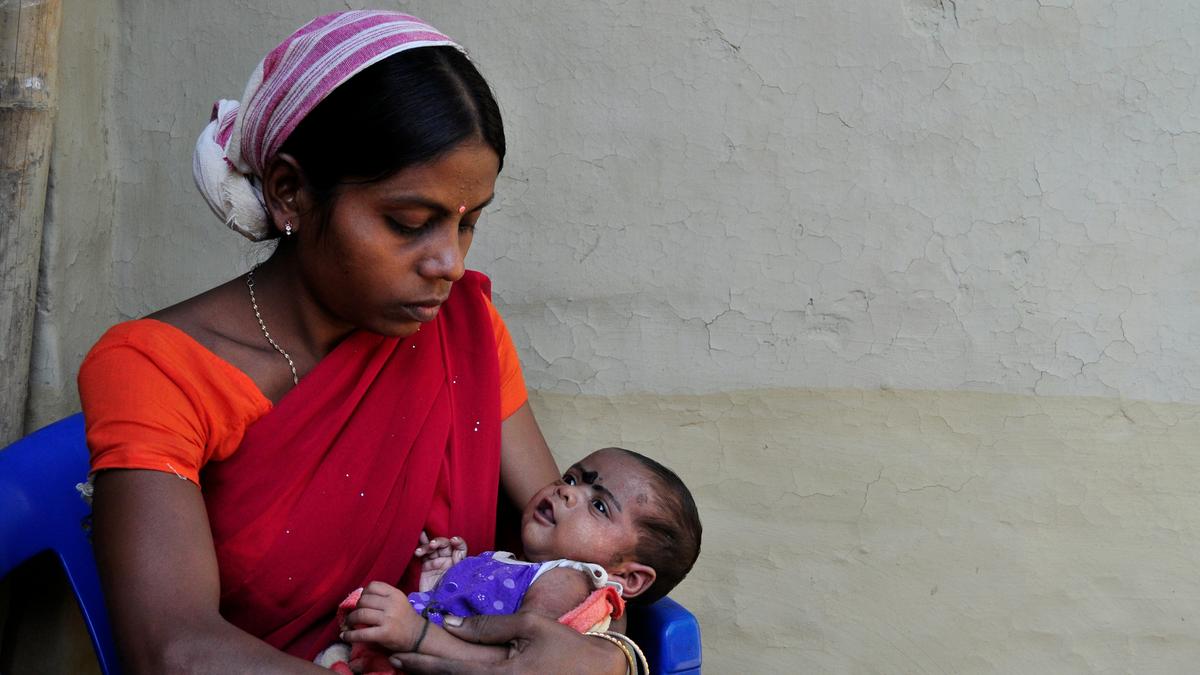
In our latest study we found that samples taken from mothers and newborn babies younger than one week in Nigeria already had colistin-resistant bacteria present in their bodies. But neither the babies nor their mothers had been treated with colistin.

Colistin is one of the last remaining antibiotics that is still effective in killing bacteria and fighting infections such as pneumonia. It is deemed critically important for human medicine by the World Health Organization.

We surmise that mothers may have picked up these colistin resistant bacteria from the environment. We cannot speculate on the specific mechanism. The babies, meanwhile, could have picked up the bacteria from the hospital, the community, or from their mothers. It’s not yet known if these colistin-resistant bacteria stay in the mothers or babies – but if they do this may increase their chances of acquiring future drug-resistant infections.

How we did our study

The samples from newborn babies and their mothers in our study were collected between 2015 and 2017 from three hospitals in Kano and Abuja. This research is the largest ever screening of intestinal microbiota for colistin resistance in Nigeria.

Of the 4,907 samples we analysed in our Cardiff and Oxford laboratories, we found that 1% of samples had genes conferring colistin resistance, across 41 mothers and eight babies. Although this is a low percentage, it is extremely worrying that any babies were carrying colistin-resistant bacteria within their first week of life.

Colistin is rarely used in hospitals and clinics in Nigeria. Therefore, our findings suggest that resistance may have emerged from the increasing use of colistin in agricultural settings in the country. We are continuing our research with collaborators in Nigeria to further understand the levels of resistance in both the healthcare system and more broadly.

Dangers of using antibiotics in agriculture

Globally more antibiotics are prescribed to animals than to humans. Most of this consumption is not to treat infections; rather, it is to prevent infections or promote faster growth in animals.

In 2016 mobile colistin (mcr) genes were discovered in E. coli bacteria from a pig farm in China. These genes carry resistance to the antibiotic colistin, and can spread between bacteria, furthering colistin resistance.

This discovery led to a total ban on colistin’s agricultural use in China.

In February 2022 European laws were expanded to make it illegal to add antibiotics to livestock feeds as a precaution to prevent infections before they start.

However, in a study we published in 2023, we found that, while European countries have banned the use of colistin in farming, paradoxically they still actively export livestock feeds that contain colistin to low- and middle-income countries such as Nigeria for agriculture use.

It seems a highly questionable practice to knowingly profit by selling feedstuffs banned for use in Europe to developing countries that lack these regulations – particularly when these countries already suffer from some of the highest rates globally of endemic antimicrobial resistance for common antibiotics and treatment alternatives are either prohibitively expensive or completely inaccessible.

Estimates suggest that globally almost 100,000 tonnes of antibiotics were used to raise cattle, sheep, chickens, and pigs in 2022. This usage is expected to increase by another 8% by 2030 and will lead to a direct increase in antibiotic-resistant infections.

Call for a total ban

There needs to be a global ban on colistin’s indiscriminate agricultural use to preserve this crucial antibiotic for when it is urgently required.

However, this is a delicate balance. A ban without alternative solutions will likely affect food production and adversely affect farmers’ livelihoods in already challenging climates. And, with the world’s population set to increase by about 2 billion by 2050, demand for affordable meat will only rise.

Urgent investment is also needed in hospital infection prevention and control programmes and improved water, sanitation and hygiene facilities in farms to help to limit the spread of antibiotic-resistant bacteria around these environments.

Animals should be given antibiotics only when they are sick. These antibiotics should be selected from those the World Health Organization has listed as being “least important” to human health rather than from those classified as “highest priority/critically important”.

In September 2024, during the UN General Assembly in New York, leaders from governments, industry, financial institutions and scientific organisations will come together for a UN High-Level meeting on antimicrobial resistance.

This meeting offers a timely opportunity for global leaders to set some targets to reduce antibiotic use in farming and support farmers in low- and middle-income countries to improve farm hygiene practices.

Kirsty Sands is scientific lead, Global Surveillance of Antimicrobial Resistance Research, University of Oxford; Edward A.R. Portal is postdoctoral research associate, University of Oxford; Owen Spiller is head of Medical Microbiology, Cardiff University; and Timothy R. Walsh is professor of medical microbiology, University of Oxford. This article is republished from The Conversation.


The Conversation


Source link

Science

Post navigation

Previous Post: “Sunita Williams In Safest Possible Place In Space”: ISRO Chief S Somanath
Next Post: Hezbollah launches drone attacks on Israel, says more to come

Related Posts

  • What is a GPU? How does it work? | Explained
    What is a GPU? How does it work? | Explained Science
  • IIT Roorkee uses bacterial enzymes to degrade plasticizers
    IIT Roorkee uses bacterial enzymes to degrade plasticizers Science
  • Is BSF’s idea to have reptiles in the water along Bangladesh border sound?
    Is BSF’s idea to have reptiles in the water along Bangladesh border sound? Science
  • India’s newest private physics institute hinges success on ‘less is more’
    India’s newest private physics institute hinges success on ‘less is more’ Science
  • India was a tree planting laboratory for 200 years – here are the results
    India was a tree planting laboratory for 200 years – here are the results Science
  • Muscle, wood, coal, oil: what earlier energy transitions tell us about renewables
    Muscle, wood, coal, oil: what earlier energy transitions tell us about renewables Science

More Related Articles

Ancient spice route may have shaped Keralam’s Malabari goat’s genetic legacy, study shows Ancient spice route may have shaped Keralam’s Malabari goat’s genetic legacy, study shows Science
Quality of active TB case finding suboptimal nationally: study Quality of active TB case finding suboptimal nationally: study Science
A Konkan secret, the sada needs more light A Konkan secret, the sada needs more light Science
When for-profit companies fund research, how is science affected? When for-profit companies fund research, how is science affected? Science
Tiny carbon ‘flowers’ turn light to heat at unrivalled efficiency, IIT team finds Tiny carbon ‘flowers’ turn light to heat at unrivalled efficiency, IIT team finds Science
Six decades since Thumba launch, slew of private cos prep for flight Six decades since Thumba launch, slew of private cos prep for flight Science
SiteLock

Archives

  • September 2026
  • August 2026
  • July 2026
  • June 2026
  • May 2026
  • April 2026
  • March 2026
  • February 2026
  • January 2026
  • December 2025
  • November 2025
  • October 2025
  • September 2025
  • August 2025
  • July 2025
  • June 2025
  • May 2025
  • April 2025
  • March 2025
  • February 2025
  • January 2025
  • December 2024
  • November 2024
  • October 2024
  • September 2024
  • August 2024
  • July 2024
  • June 2024
  • May 2024
  • April 2024
  • March 2024
  • February 2024
  • January 2024
  • December 2023
  • November 2023
  • October 2023
  • September 2023
  • August 2023
  • July 2023
  • June 2023
  • May 2023
  • April 2023
  • March 2023
  • February 2023
  • January 2023
  • December 2022
  • November 2022
  • October 2022
  • September 2022
  • August 2022
  • July 2022
  • June 2022
  • May 2022

Categories

  • Business
  • Nation
  • Science
  • Sports
  • World

Recent Posts

  • Mourinho fumes at referee, Simeone urges respect after fiery Madrid derby
  • Early returns in Russia’s parliamentary election show main Kremlin party leading
  • ICE agent shoots, wounds man in Austin
  • Australia completes cricket series sweep with 1-wicket win against Zimbabwe in third ODI
  • Heavy rains, squally wind likely in West Bengal from September 22

Recent Comments

  1. LarryKef on UP Teacher Who Asked Students To Slap Muslim Classmate
  2. Josephjab on UP Teacher Who Asked Students To Slap Muslim Classmate
  3. LarryKef on UP Teacher Who Asked Students To Slap Muslim Classmate
  4. Jasonnekly on UP Teacher Who Asked Students To Slap Muslim Classmate
  5. Jasonnekly on UP Teacher Who Asked Students To Slap Muslim Classmate
  • Team India Arrival Live: Plane Landed, Hundreds Of Fans Gather At Airport
    Team India Arrival Live: Plane Landed, Hundreds Of Fans Gather At Airport Sports
  • India Becomes World’s 2nd Largest 5G Mobile Market, Surges Past US, Apple Tops: Report
    India Becomes World’s 2nd Largest 5G Mobile Market, Surges Past US, Apple Tops: Report Nation
  • Turkish strikes on northeast Syria kill 29: Kurdish forces
    Turkish strikes on northeast Syria kill 29: Kurdish forces World
  • No Vehicles To Be Stopped At Night In Gurugram, No Challans, Order Police
    No Vehicles To Be Stopped At Night In Gurugram, No Challans, Order Police Nation
  • Access Denied Business
  • Access Denied
    Access Denied Nation
  • Access Denied Sports
  • KKR vs SRH | Shreyas Iyer says he had ‘butterflies in his stomach from 17th over’
    KKR vs SRH | Shreyas Iyer says he had ‘butterflies in his stomach from 17th over’ Sports

Editor-in-Chief:
Mohammad Ariff,
MSW, MAJMC, BSW, DTL, CTS, CNM, CCR, CAL, RSL, ASOC.
editor@artifex.news

Associate Editors:
1. Zenellis R. Tuba,
zenelis@artifex.news
2. Haris Daniyel
daniyel@artifex.news

Photograher:
Rohan Das
rohan@artifex.news

Artifex.News offers Online Paid Internships to college students from India and Abroad. Interns will get a PRESS CARD and other online offers.
Send your CV (Subjectline: Paid Internship) to internship@artifex.news

Links:
Associate Journalism
About Us
Privacy Policy

News Links:
Breaking News
World
Nation
Sports
Business
Entertainment
Lifestyle

Registered Office:
72/A, Elliot Road, Kolkata - 700016
Tel: 033-22277777, 033-22172217
Email: office@artifex.news

Editorial Office / News Desk:
No. 13, Mezzanine Floor, Esplanade Metro Rail Station,
12 J. L. Nehru Road, Kolkata - 700069.
(Entry from Gate No. 5)
Tel: 033-46011099, 033-46046046
Email: editor@artifex.news

Copyright © 2023 Artifex.News Newsportal designed by Artifex Infotech.