





Sepsis occurs when one’s immune system has an extreme response to an infection. It’s a life-threatening condition: globally, it accounts for about 11 million deaths – 20% of all deaths per year.
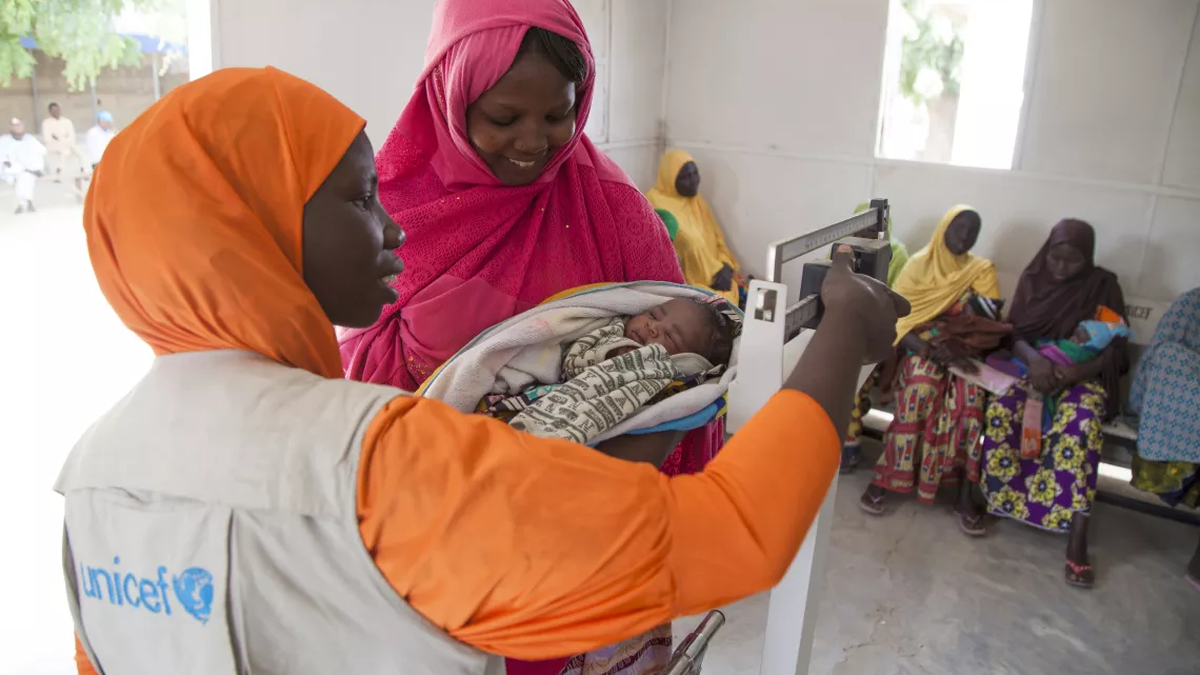
And it doesn’t just affect adults. In 2020, 2.4 million newborn babies died of sepsis in the first month of their lives. Most of these deaths happened in sub-Saharan Africa.
The main treatment for sepsis is antibiotics. However, the overuse and misuse of antibiotics in human medicine and agriculture has led to antimicrobial resistance – a process in which bacteria, fungi and parasites have developed the ability to resist the action of medicines.
The World Health Organization describes antimicrobial resistance as one of the top global public health and development threats.
This growing resistance is due to the overuse and misuse of antibiotics in both human medicine and in farming. They’re used in large quantities to grow crops and in animal feeds to treat and reduce the risk of infection in livestock.
It has been forecast that, by 2050, more people will die from antimicrobial resistance than both cancer and diabetes combined.
Sub-Saharan Africa is one of the regions with the highest rates of deaths associated with antimicrobial resistance (including sepsis) in the world, with 23.5 deaths per 100,000 people.
In our latest study we found that samples taken from mothers and newborn babies younger than one week in Nigeria already had colistin-resistant bacteria present in their bodies. But neither the babies nor their mothers had been treated with colistin.
Colistin is one of the last remaining antibiotics that is still effective in killing bacteria and fighting infections such as pneumonia. It is deemed critically important for human medicine by the World Health Organization.
We surmise that mothers may have picked up these colistin resistant bacteria from the environment. We cannot speculate on the specific mechanism. The babies, meanwhile, could have picked up the bacteria from the hospital, the community, or from their mothers. It’s not yet known if these colistin-resistant bacteria stay in the mothers or babies – but if they do this may increase their chances of acquiring future drug-resistant infections.
How we did our study
The samples from newborn babies and their mothers in our study were collected between 2015 and 2017 from three hospitals in Kano and Abuja. This research is the largest ever screening of intestinal microbiota for colistin resistance in Nigeria.
Of the 4,907 samples we analysed in our Cardiff and Oxford laboratories, we found that 1% of samples had genes conferring colistin resistance, across 41 mothers and eight babies. Although this is a low percentage, it is extremely worrying that any babies were carrying colistin-resistant bacteria within their first week of life.

Colistin is rarely used in hospitals and clinics in Nigeria. Therefore, our findings suggest that resistance may have emerged from the increasing use of colistin in agricultural settings in the country. We are continuing our research with collaborators in Nigeria to further understand the levels of resistance in both the healthcare system and more broadly.
Dangers of using antibiotics in agriculture
Globally more antibiotics are prescribed to animals than to humans. Most of this consumption is not to treat infections; rather, it is to prevent infections or promote faster growth in animals.
In 2016 mobile colistin (mcr) genes were discovered in E. coli bacteria from a pig farm in China. These genes carry resistance to the antibiotic colistin, and can spread between bacteria, furthering colistin resistance.
This discovery led to a total ban on colistin’s agricultural use in China.
In February 2022 European laws were expanded to make it illegal to add antibiotics to livestock feeds as a precaution to prevent infections before they start.
However, in a study we published in 2023, we found that, while European countries have banned the use of colistin in farming, paradoxically they still actively export livestock feeds that contain colistin to low- and middle-income countries such as Nigeria for agriculture use.
It seems a highly questionable practice to knowingly profit by selling feedstuffs banned for use in Europe to developing countries that lack these regulations – particularly when these countries already suffer from some of the highest rates globally of endemic antimicrobial resistance for common antibiotics and treatment alternatives are either prohibitively expensive or completely inaccessible.
Estimates suggest that globally almost 100,000 tonnes of antibiotics were used to raise cattle, sheep, chickens, and pigs in 2022. This usage is expected to increase by another 8% by 2030 and will lead to a direct increase in antibiotic-resistant infections.
Call for a total ban
There needs to be a global ban on colistin’s indiscriminate agricultural use to preserve this crucial antibiotic for when it is urgently required.
However, this is a delicate balance. A ban without alternative solutions will likely affect food production and adversely affect farmers’ livelihoods in already challenging climates. And, with the world’s population set to increase by about 2 billion by 2050, demand for affordable meat will only rise.
Urgent investment is also needed in hospital infection prevention and control programmes and improved water, sanitation and hygiene facilities in farms to help to limit the spread of antibiotic-resistant bacteria around these environments.

Animals should be given antibiotics only when they are sick. These antibiotics should be selected from those the World Health Organization has listed as being “least important” to human health rather than from those classified as “highest priority/critically important”.
In September 2024, during the UN General Assembly in New York, leaders from governments, industry, financial institutions and scientific organisations will come together for a UN High-Level meeting on antimicrobial resistance.
This meeting offers a timely opportunity for global leaders to set some targets to reduce antibiotic use in farming and support farmers in low- and middle-income countries to improve farm hygiene practices.
Kirsty Sands is scientific lead, Global Surveillance of Antimicrobial Resistance Research, University of Oxford; Edward A.R. Portal is postdoctoral research associate, University of Oxford; Owen Spiller is head of Medical Microbiology, Cardiff University; and Timothy R. Walsh is professor of medical microbiology, University of Oxford. This article is republished from The Conversation.