

Skip to content
  • Facebook
  • X
  • Linkedin
  • WhatsApp
  • YouTube
  • Associate Journalism
  • About Us
  • Privacy Policy
  • 033-46046046
  • editor@artifex.news
Artifex.News

Artifex.News

Stay Connected. Stay Informed.

  • Breaking News
  • World
  • Nation
  • Sports
  • Business
  • Science
  • Entertainment
  • Lifestyle
  • Toggle search form
  • Access Denied World
  • U.S., Israeli strikes hit Iran port city near Strait of Hormuz: state media
    U.S., Israeli strikes hit Iran port city near Strait of Hormuz: state media World
  • 5 Convicted For Murder Of Journalist Soumya Vishwanathan In Delhi In 2008
    5 Convicted For Murder Of Journalist Soumya Vishwanathan In Delhi In 2008 Nation
  • Virat Kohli Works On Backfoot Game, Produces Powerful Strokes In Nets. Watch
    Virat Kohli Works On Backfoot Game, Produces Powerful Strokes In Nets. Watch Sports
  • Why Suryakumar Yadav Beat Hardik Pandya To T20I Captaincy: Ajit Agarkar Reveals Truth
    Why Suryakumar Yadav Beat Hardik Pandya To T20I Captaincy: Ajit Agarkar Reveals Truth Sports
  • Access Denied
    Access Denied Nation
  • Three police officers suspended for allegedly taking money from scrap dealer in Kochi
    Three police officers suspended for allegedly taking money from scrap dealer in Kochi Nation
  • Access Denied
    Access Denied Nation
Kerala takes a pioneering step to curb antimicrobial resistance

Kerala takes a pioneering step to curb antimicrobial resistance

Posted on February 24, 2024 By admin


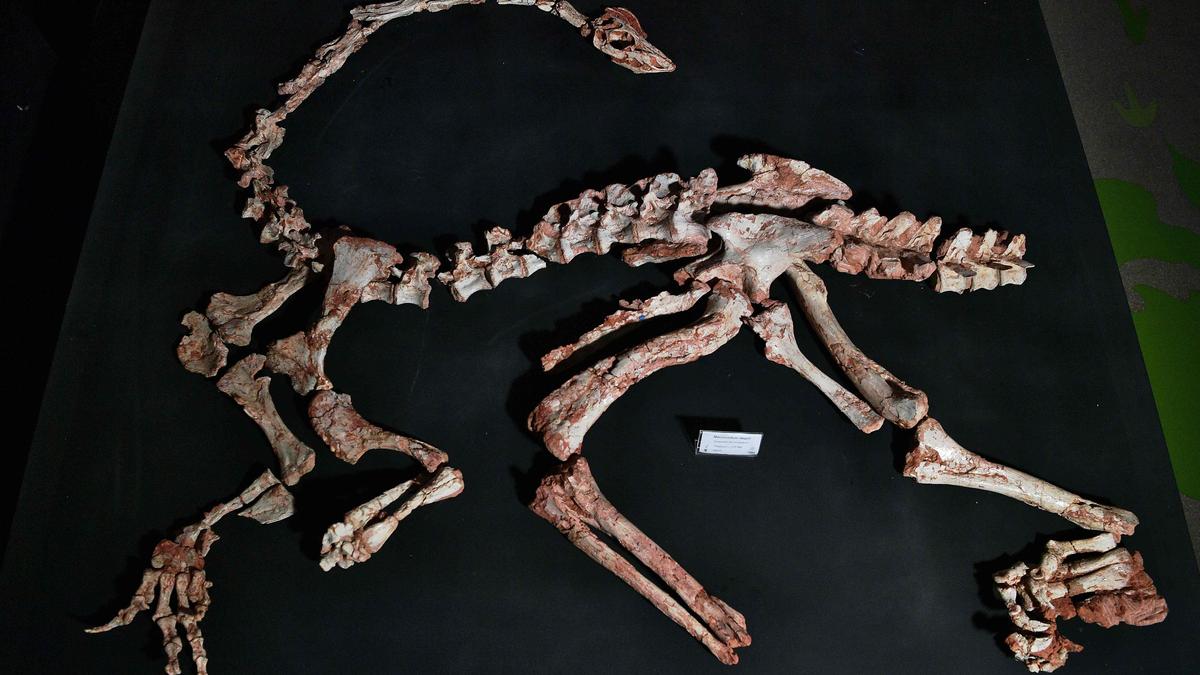
In 2011, the Indian government introduced the H1 rule to prohibit the over-the-counter (OTC) sales of antibiotics without a prescription, responding to the growing concern over antimicrobial resistance (AMR). However, due to the healthcare system’s heterogeneity across the country, the implementation of this rule faced significant challenges. In 2013, following the Chennai Declaration document and initiative by medical societies in India, the Indian government modified the rule to limit the OTC restriction to second- and third-line antibiotics, allowing the sale of first-line antibiotics without a prescription. This modification was aimed to ensure that life-saving antibiotics remained accessible to the public, especially in remote areas of the country where doctors might not be readily available. Despite a decade passing since the rule’s announcement, no State government had adopted it until Kerala recently initiated Operation AMRITH (Antimicrobial Resistance Intervention for Total Health). This programme enforces the original H1 rule, mandating a doctor’s prescription for acquiring any class of antibiotics.

Kerala’s high doctor-patient ratio, even in villages, facilitates the enforcement of this rule. Also, the high literacy rate in the State is poised to contribute significantly to the efficient implementation of the rule. An informed populace is more likely to understand the importance of regulations like these and adhere to them, facilitating smoother execution and compliance. While it is highly commendable that Kerala is implementing the H1 rule to rein in AMR, it is unlikely to have a significant impact on drug-resistant infections in the immediate future. The effects of this initiative may take several years, if not a decade, to manifest. However, it will foster a culture of respecting antibiotics and encourage further actions to combat AMR.

It is critical to acknowledge that over 50-70% of antibiotic prescriptions by doctors are deemed unnecessary and irrational. One of the main reasons for unnecessary antibiotic usage is the unavailability of laboratory facilities to make a correct diagnosis of bacterial infections. Even if they are available, these tests are more expensive than a course of antibiotics. Enhancing laboratory facilities for accurate infection diagnosis, especially with affordable rapid diagnostic tests to determine the necessity of antibiotics, is therefore vital. The other main reason for unnecessary antibiotic prescriptions by doctors is the pressure from patients to receive antibiotics; patients wrongly believe that a course of antibiotics is a quick remedy for a fever episode of any cause. Educating patients about the limitations of antibiotics and discouraging them from pressuring doctors for unnecessary prescriptions is vital.

While it is commendable that the OTC regulation without a prescription has been put into place, what is even more important is that Kerala demand hospitals to disclose the incidence of hospital-acquired infections. Antimicrobial resistance is a socioeconomic problem, and combating it requires measures to improve public health infrastructure, sanitation facilities, and governance in order to decrease the transmission of infections and, therefore, the dependence on antibiotics. The influence of these factors on antimicrobial resistance rates is typically greater than that of the total volume of antibiotics used.

In order to reduce the spread of these infections, healthcare facilities must follow the correct standards for infection prevention. There must be a system where all hospitals report rates of hospital-acquired infections to the State government. Ideally, the data should be made public. Currently, all NABH hospitals collect this data every month and take measures to reduce hospital-acquired infections. But it is crucial that all hospitals follow suit and share the data with the State. There will be greater and immediate long-term benefits of lowering AMR-related fatalities if measures to reduce hospital-acquired infections are successfully implemented.

Other essential measures, including rationalising antibiotic use in hospitals, banning the growth-promotional use of antibiotics in poultry farms, fish farms, and agriculture based on the already existing rules, are of paramount importance. Additionally, Kerala will do well if it supports and promotes the development of new antibiotics, diagnostics, and vaccines by entrepreneurs. Karnataka and Maharashtra-based startups have achieved remarkable progress in this domain. Startups based on novel service delivery models may help us make better use of our human resources when it comes to antibiotic stewardship and infection prevention.

While enforcing the OTC regulation is a welcome step, curbing antimicrobial resistance requires a multipronged approach, including reformations to physicians’ prescribing practices and mandating that hospitals report healthcare-associated infection rates. Strictly enforcing the OTC regulation without addressing the other issues, which are major drivers of antimicrobial resistance, may not help the cause. Enforcing the H1 rule is a relatively easy goal. The real challenge will be tackling the major drivers of AMR.

(Abdul Ghafur is coordinator, Chennai Declaration on AMR, and consultant in infectious diseases, Apollo Hospitals, Chennai)



Source link

Science Tags:Antimicrobial resistanc, antimicrobial resistance, H1 rule, Kerala, Over-the-counter sales of antibiotics

Post navigation

Previous Post: Did neanderthals use glue to create stone tools?
Next Post: “Briefly Crossed My Mind”: Joe Root Wanted To Repeat “Stupidest Shot In English Test History”. Here’s Why He Didn’t

Related Posts

  • Nobel Prize in Chemistry 2024 awarded to David Baker, along with Demis Hassabis and John M. Jumper
    Nobel Prize in Chemistry 2024 awarded to David Baker, along with Demis Hassabis and John M. Jumper Science
  • What is gold?
    What is gold? Science
  • Sprouting a sandalwood sapling – The Hindu
    Sprouting a sandalwood sapling – The Hindu Science
  • How the cereal flakes came to be
    How the cereal flakes came to be Science
  • New physics-based model shows healthy guts resist microbial chaos
    New physics-based model shows healthy guts resist microbial chaos Science
  • Why do faucets drip even when you close them tight?
    Why do faucets drip even when you close them tight? Science

More Related Articles

Gene of thrones: genomes of rulers reveal how empires rose and fell Gene of thrones: genomes of rulers reveal how empires rose and fell Science
Gastrointestinal problems could heighten Parkinson’s disease risk by 76 per cent, study finds Gastrointestinal problems could heighten Parkinson’s disease risk by 76 per cent, study finds Science
Zoopharmacognosy — when animals medicate themselves Zoopharmacognosy — when animals medicate themselves Science
WHO terms pathogens that transmit through air ‘infectious respiratory particles’ or IRPs WHO terms pathogens that transmit through air ‘infectious respiratory particles’ or IRPs Science
Daily Quiz: International Day of Human Space Flight Daily Quiz: International Day of Human Space Flight Science
Deepavali fireworks worsen Delhi’s air quality Deepavali fireworks worsen Delhi’s air quality Science
SiteLock

Archives

  • September 2026
  • August 2026
  • July 2026
  • June 2026
  • May 2026
  • April 2026
  • March 2026
  • February 2026
  • January 2026
  • December 2025
  • November 2025
  • October 2025
  • September 2025
  • August 2025
  • July 2025
  • June 2025
  • May 2025
  • April 2025
  • March 2025
  • February 2025
  • January 2025
  • December 2024
  • November 2024
  • October 2024
  • September 2024
  • August 2024
  • July 2024
  • June 2024
  • May 2024
  • April 2024
  • March 2024
  • February 2024
  • January 2024
  • December 2023
  • November 2023
  • October 2023
  • September 2023
  • August 2023
  • July 2023
  • June 2023
  • May 2023
  • April 2023
  • March 2023
  • February 2023
  • January 2023
  • December 2022
  • November 2022
  • October 2022
  • September 2022
  • August 2022
  • July 2022
  • June 2022
  • May 2022

Categories

  • Business
  • Nation
  • Science
  • Sports
  • World

Recent Posts

  • Davis Cup: Czechs beat USA to qualify for finals
  • Ed Sheeran set to return to stage after Palestinian controversy
  • Asian Games 2026 opens in Japan with 11,000 athletes competing | LIVE updates
  • Union Home Minister Amit Shah falls ill in Hubballi, skips function
  • Raphinha hat-trick maintains Barcelona’s perfect LaLiga start

Recent Comments

  1. AlvinNet on UP Teacher Who Asked Students To Slap Muslim Classmate
  2. AlvinNet on UP Teacher Who Asked Students To Slap Muslim Classmate
  3. Jamesslits on UP Teacher Who Asked Students To Slap Muslim Classmate
  4. MichaelClear on UP Teacher Who Asked Students To Slap Muslim Classmate
  5. Jamesslits on UP Teacher Who Asked Students To Slap Muslim Classmate
  • Rohit Sharma: Axar to miss first two ODIs against Australia; Shreyas is 99 per cent fit
    Rohit Sharma: Axar to miss first two ODIs against Australia; Shreyas is 99 per cent fit Sports
  • Three police officers suspended for allegedly taking money from scrap dealer in Kochi
    SHRC directs authorities to initiate steps to prevent accidents in abandoned quarries Nation
  • Hamas denies U.S. statement on group’s ‘ceasefire violation’
    Hamas denies U.S. statement on group’s ‘ceasefire violation’ World
  • Bangladesh ramps up border vigilance as thousands of Rohingya flee Myanmar
    Bangladesh ramps up border vigilance as thousands of Rohingya flee Myanmar World
  • Petition In Delhi High Court
    Petition In Delhi High Court Nation
  • Let the rupee depreciate past ₹100 to a dollar, 16th Finance Commission chairman advises RBI
    Let the rupee depreciate past ₹100 to a dollar, 16th Finance Commission chairman advises RBI Business
  • Israel-Iran war: Trump says war will end ‘very soon’; U.S. saving some ‘most important’ targets for later
    Israel-Iran war: Trump says war will end ‘very soon’; U.S. saving some ‘most important’ targets for later World
  • Zelenskyy slams oil sanctions relief for Russia
    Zelenskyy slams oil sanctions relief for Russia World

Editor-in-Chief:
Mohammad Ariff,
MSW, MAJMC, BSW, DTL, CTS, CNM, CCR, CAL, RSL, ASOC.
editor@artifex.news

Associate Editors:
1. Zenellis R. Tuba,
zenelis@artifex.news
2. Haris Daniyel
daniyel@artifex.news

Photograher:
Rohan Das
rohan@artifex.news

Artifex.News offers Online Paid Internships to college students from India and Abroad. Interns will get a PRESS CARD and other online offers.
Send your CV (Subjectline: Paid Internship) to internship@artifex.news

Links:
Associate Journalism
About Us
Privacy Policy

News Links:
Breaking News
World
Nation
Sports
Business
Entertainment
Lifestyle

Registered Office:
72/A, Elliot Road, Kolkata - 700016
Tel: 033-22277777, 033-22172217
Email: office@artifex.news

Editorial Office / News Desk:
No. 13, Mezzanine Floor, Esplanade Metro Rail Station,
12 J. L. Nehru Road, Kolkata - 700069.
(Entry from Gate No. 5)
Tel: 033-46011099, 033-46046046
Email: editor@artifex.news

Copyright © 2023 Artifex.News Newsportal designed by Artifex Infotech.