






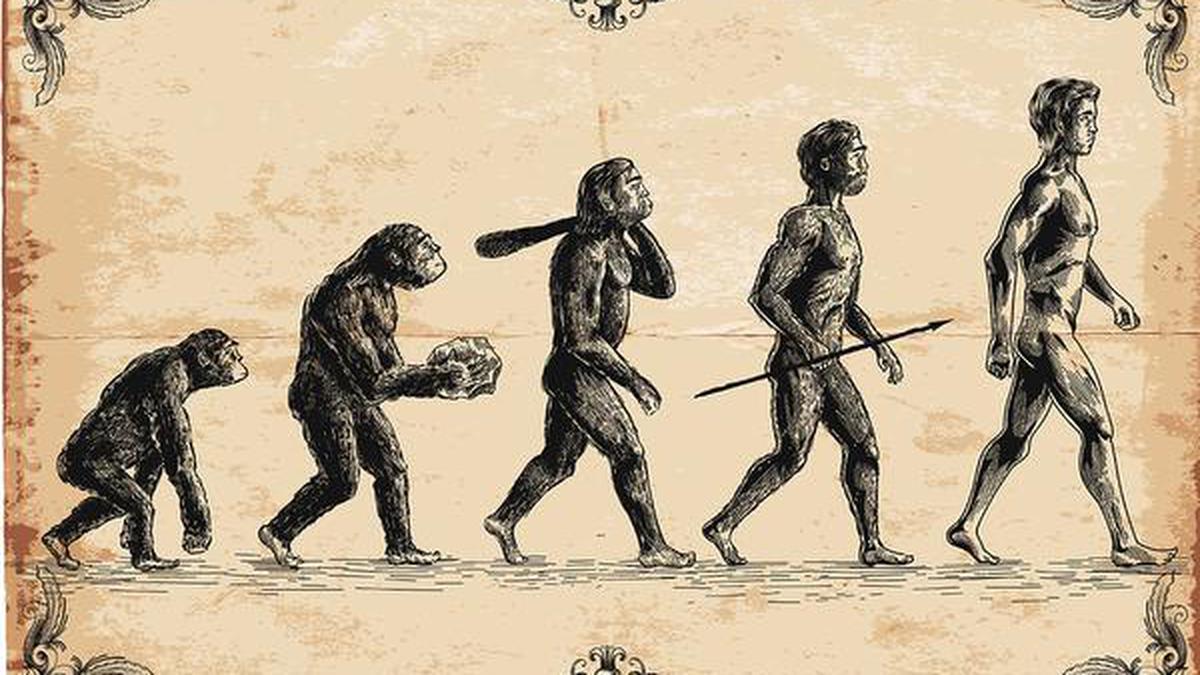
The human population on the earth exceeded eight billion people in November 2022, underscoring our species’ status as the dominant force on our planet, with our unparalleled cognitive abilities and technological prowess, and ability to harness, engineer, and reshape the environment around us.
This dominance has also resulted in some catastrophic outcomes as we have expanded our footprint, resulting in habitat destruction, pollution, and climate change, pushing a number of species to the brink of extinction. It is hard to imagine that we as a species, just like other animals and plants, could have also been pushed to the brink of extinction at multiple points in the entire history of evolution.
Think about a scenario where the whole human species is represented by a few members only, living in a very hostile natural environment where everyday existence is at the mercy of natural forces. This small group, in addition to its extraordinary resilience and creative survival tactics, would have had the enormous responsibility of keeping the entire human species alive. It’s quite possible that our ancestors could have experienced many such species-defining moments on their path to dominating the world as we know it today.
Researchers have been interested in understanding the evolution and history of the human species, and genome sequences have proved to be of tremendous help. Together with evidence like fossils, researchers have been able to piece together parts of human evolution and history in astonishing detail. However, ancient DNA is limited by the timeline: it can offer only recent insights into human evolution; DNA older than that is seldom preserved intact.
Molecular clock
Our ability to sequence human genomes so quickly and computational tools to analyse the data has allowed us a near-pristine view of the past. This is because genome sequences offer a sort of a snapshot of the molecular clock of human evolution. The genome accumulates genetic variations at a constant rate; the recombination and exchange of genetic material also occur at the time of generation of gametes (sperm and ovum).
There have also been insights from the sequences of the mitochondria and the Y chromosome, which are passed on matrilineally and patrilineally, respectively.
Taken together, scientists have developed several computational approaches to piece together how humans evolved, and have been able to extend them to timescales far beyond those afforded by ancient DNA. They have thus been able to identify population bottlenecks and founder events as well as determine the age of many genetic diseases.
For example, in a March 2018 paper, researchers concluded that sickle cell anaemia arose around 7,300 years ago by studying genome sequences from present-day populations.
Bottlenecks and founders
Scientists have also uncovered population bottlenecks in human history. A bottleneck is when a population becomes constricted to a small number of individuals. When they start a new population, their genomic contributions become more pronounced in that sub-population, and are further amplified in subsequent generations, leading to the founder effect.
In the context of genomic sequences, this would manifest as more shared genetic material between individuals of the population. Founder effects arise from population bottlenecks and also due to other factors, including migration, geographic isolation, and even cultural and marriage practices, such as endogamy and consanguinity.
From a biomedical perspective, founder effects and populations could also confer specific diseases and traits, common and shared between members, at a higher frequency than their prevalence in the general population.
The Ashkenazi Jews are one of the most well-studied founder populations, with a bottleneck event suggesting that a small group of around a thousand-odd individuals gave rise to the modern population. So these individuals have a greater frequency of some genetic diseases due to the founder effect.
Similarly, unique matrimonial practices in India have created around 4,000 endogamous groups, many of whom have strong founder effects. Researchers at the CSIR-Centre for Cellular and Molecular Biology analysed genomic data for Indian populations. In a paper in Nature Genetics, they suggested that many endogamous populations have shared stretches of genomes – more often than do the Ashkenazi Jews – after years of inbreeding.
Almost extinct
In a recent paper in Science, researchers from China used a new computational technique to analyse about 3,000 present-day human genomes from 10 African and 40 non-African populations. They concluded that the modern human population likely originated only from about 1,200 founding ancestors.
The finding challenges previous estimates that predicted this number to be about 100,000. The scientists also found that our ancestors went through this bottleneck about 900,000 years ago and that the drastic reduction lasted for over 100,000 years.
To compare, modern humans are only around 300,000 years old, meaning our early hominid ancestors were almost extinct for a long time.
This super-bottleneck in human evolution coincided with drastic changes in climate, including prolonged periods of glaciation and droughts that could have killed off many other species, diminishing food sources our ancestors. The recovery of the human population from the super-bottleneck could’ve been due to development of more hospitable environmental conditions, the control of fire, and, eventually, some form of agriculture practice.
The small number of breeding individuals over a long time would also have had severe consequences for the genetic diversity of humans, and likely shaped humanity in ways we don’t yet know.
Delving into the secrets of our ancestors using genomic analysis is like peering through a time-travelling telescope, discovering profound insights into the future of our species. By decoding the genetic blueprints of our forebears, we gain a deeper understanding of the genetic innovations that allowed us to become the dominant species on the earth.
This is also a roadmap for what lies ahead: as we confront challenges like climate change and infectious diseases, the lessons from our ancestors’ survival can become invaluable.
The authors are senior consultants at the Vishwanath Cancer Care Foundation.