



In an essay in Foreign Affairs magazine in October 2023, U.S. National Security Adviser Jake Sullivan wrote, “…Although the Middle East remains beset with perennial challenges, the region is quieter than it has been for decades… The Israeli-Palestinian situation is tense, particularly in the West Bank, but in the face of serious frictions, we have de-escalated crises in Gaza.” A few days after the piece was sent to press, on October 7, Hamas launched its deadliest attack in Israel, killing at least 1,200 people and taking some 250 people hostage, triggering the latest spell of war in the Israel-Palestine conflict. A year later, West Asia (or the Middle East, as Mr. Sullivan calls it) is deadlier today than it has been in decades.
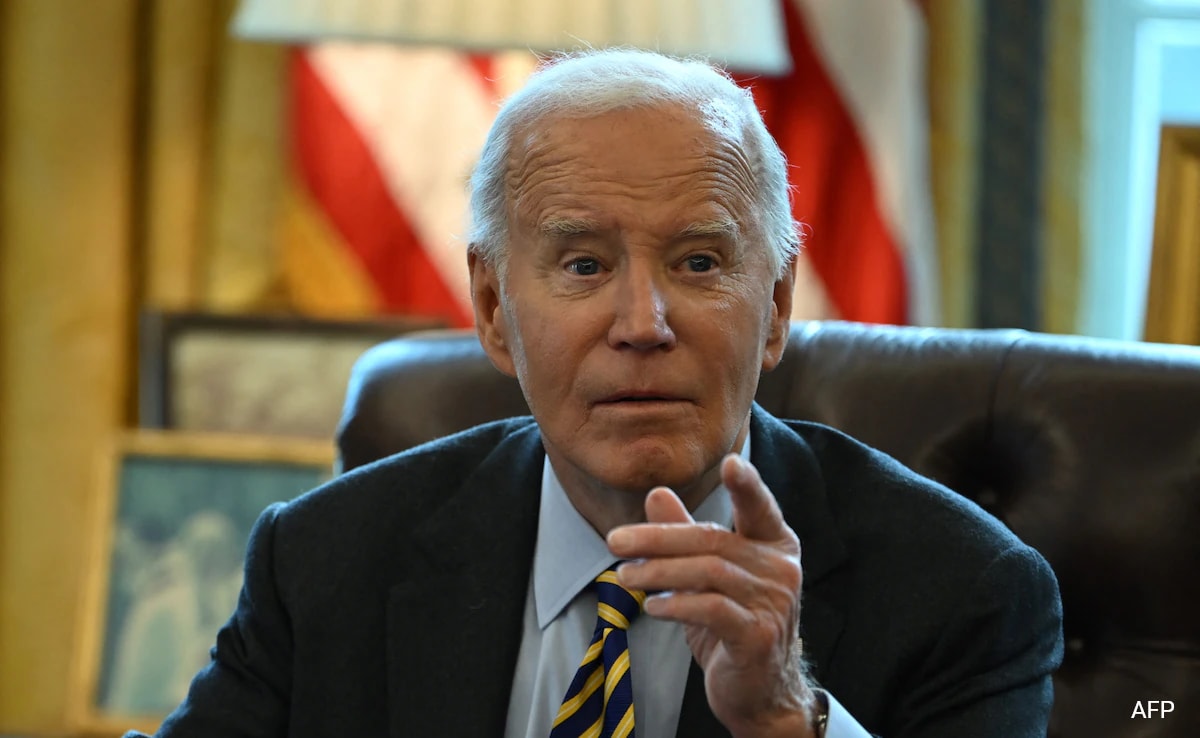
Mr. Sullivan’s October 2023 prognosis was not entirely unfounded if the region is seen from an American perspective. The Abraham Accords, signed in 2020 by Israel, the UAE, Bahrain, and Morocco, announced a new age of Arab-Israel partnership. Saudi Arabia was in an advanced stage of normalising ties with Israel, as Crown Prince Mohammed bin Salman himself put it. At the G20 Summit in Delhi in September 2023, U.S. President Joe Biden announced an ambitious economic corridor that sought to connect India’s western coast to Europe through the Persian Gulf, Jordan, and Israel. But what Mr. Sullivan, the Arabs, and the Israelis overlooked was the Palestine question.
Two narratives
Israel believed that it had established a new status quo — occupation without consequences. The Arabs believed that the Palestine issue had lost its geopolitical currency and that they could go ahead with formalising their decades-long back-room relationship with Israel. The U.S. wanted to bring the Sunni Arabs and the Israelis, two pillars of its West Asia strategy, closer in its bid to reshape West Asia and isolate Iran. But by carrying out a murderous attack in Israel, Hamas not only torpedoed this status quo, but also triggered a chain of events that led to a wider regional conflict, reinforcing the old argument that there will not be peace and stability in West Asia unless the Palestine question is addressed.
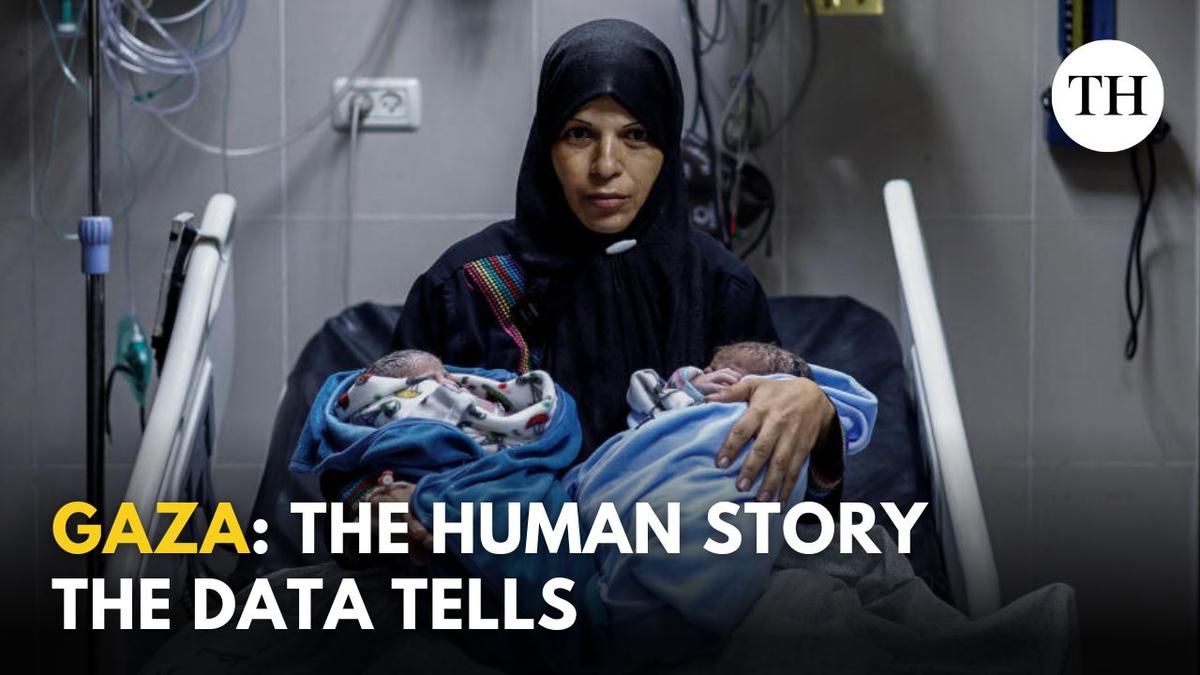
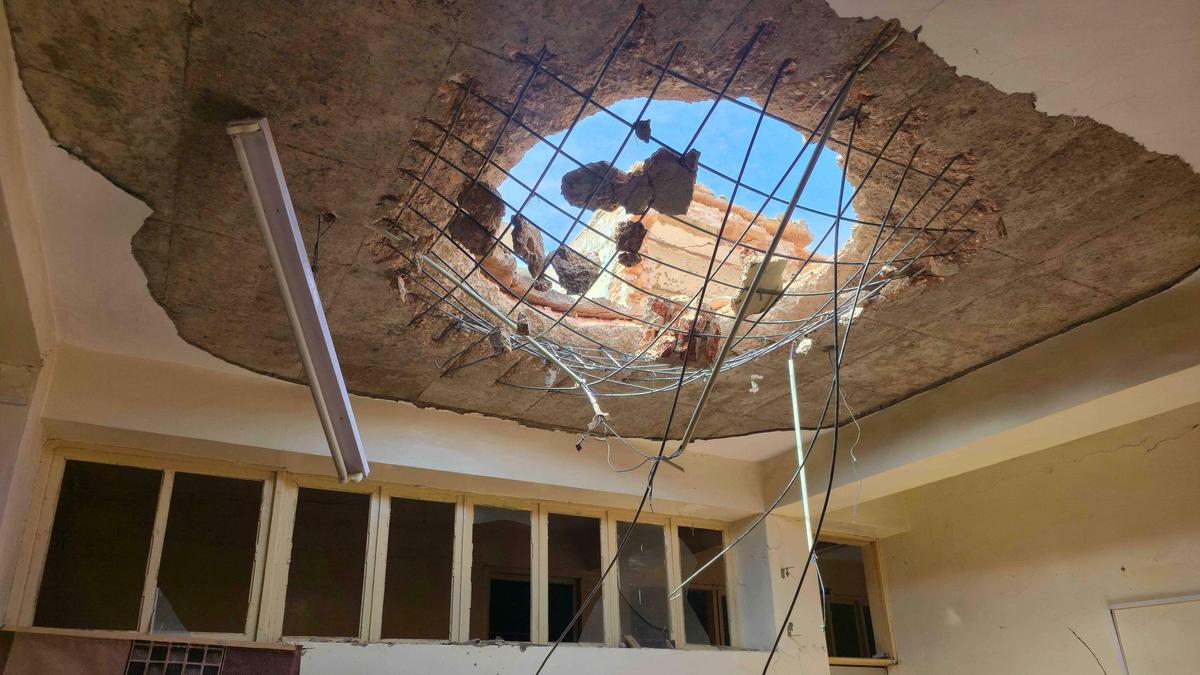
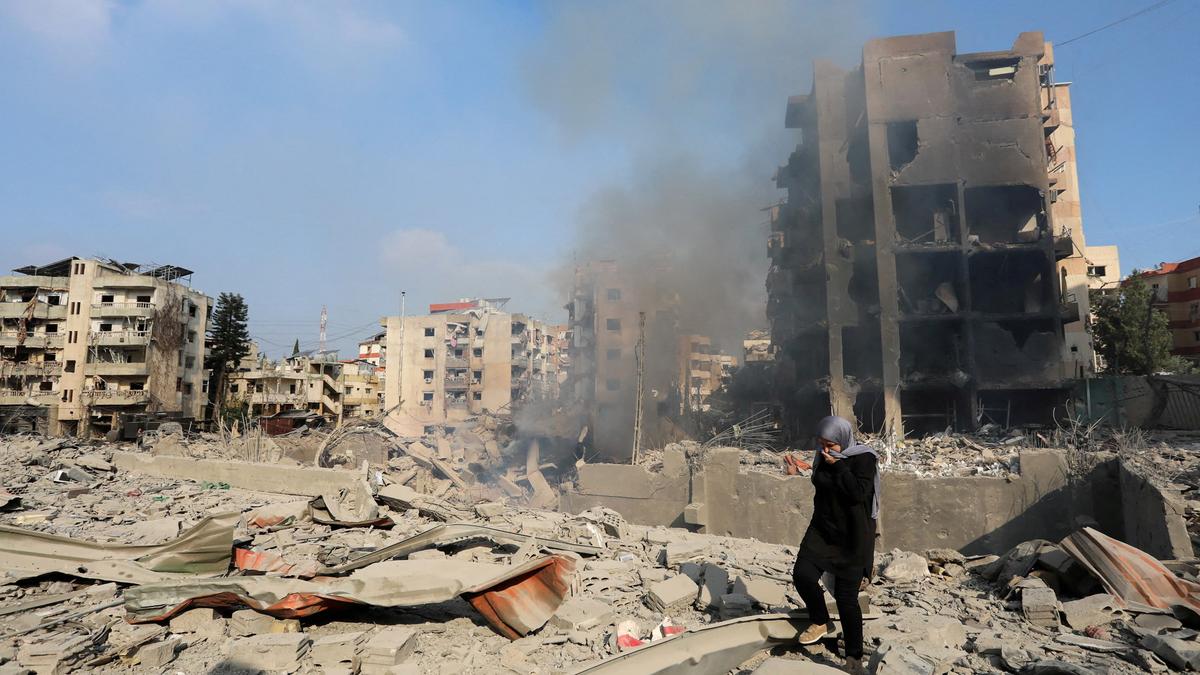
But Israel has a different narrative. It has always sought to delink Palestinian militarism from its occupation of the Palestinian territories. Before October 7, Israel had been treating Palestinian violence as a security nuisance. But after the Hamas attack, the first large-scale one in Israel proper since 1948, the narrative shifted. Now, Israel is fighting an “existential war” against terror. Israel marched to Gaza with fire and fury. Over the past 12 months, the Israel Defence Forces (IDF) have killed more than 41,000 Palestinians (more than 110 every day) and injured nearly 1,00,000 Palestinians. Nearly the whole population of Gaza (2.3 million) has been displaced.

Three-tier war
As the onslaught on Gaza began, Hezbollah, the Iran-backed Lebanese militia group, opened a “support front” in Israel’s north. Israel expanded the war, defying pressure from the U.S., by doubling down on its assault on Hezbollah and taking the war to Iran by attacking its embassy complex in Damascus. In retaliation, Iran launched direct attacks against Israel. Now, Israel is fighting a three-tier regional war in West Asia.
Israel has different objectives at each tier, which collectively make for its strategy to alter the balance of power in West Asia to further its advantage. At the bottom tier, Israel went to Gaza with two declared objectives — to destroy Hamas and secure the release of hostages. In the middle, it wants to push Hezbollah from the border region of Lebanon and stop the Shia militia from launching rockets into Israel so that the displaced residents of the Upper Galilee region can return to their homes. At the top, it wants to weaken Iran, its main regional rival. Israel sees the conflict, as the former Prime Minister Naftali Bennett put it, as a war against a rival octopus. Iran is the head of the octopus and the militias (Hamas, Hezbollah, Houthis, Hashad al-Shabi, etc.) are the tentacles. In the three-tier war, Israel wants to destroy or degrade the tentacles and weaken the octopus and thereby reshape West Asia. Is this an achievable goal?

After 12 months of fighting in Gaza, which has been under an Israeli blockade since 2007 and has been besieged by Israel since October 7, 2023, Israel is yet to meet its objectives in the 365 sq. km enclave, sandwiched between the Mediterranean Sea and Israel proper. Prime Minister Benjamin Netanyahu wants to obliterate Hamas, but now even the IDF says this is not an achievable objective. More than 100 hostages, many of them believed to be dead, are still in Hamas’s captivity. Hezbollah says it will not stop firing rockets into Israel unless Israel ceases fire in Gaza. Israel cannot do this unless it meets its goals in Gaza.
Mr. Netanyahu chose to expand the war to Lebanon not because he is achieveing his objectives, but because he is far from doing so. Granted that Israel’s back-to-back attacks on Hezbollah, including its killing of Hassan Nasrallah, perhaps the second most influential figure in Iran’s axis after Ayatollah Khamenei, was a huge setback for both Hezbollah and Iran. When Hezbollah was in shock after the killing of its leader, Israel launched a ground invasion of Lebanon. Here, Israel faces two questions. First, will the decapitation of Hezbollah’s leadership help Israel finish the war in Gaza? Second, will the decapitation of Hezbollah’s leadership help Israel defeat Hezbollah in Lebanon? The answer to the first question is an outright no. The second question will be answered in the coming weeks, months, or years.
History suggests decapitation hardly works in destroying or deterring militias. Nasrallah took over Hezbollah after Israel killed the group’s co-founder, Abbas al-Musawi. That did not stop Hezbollah from becoming what it is today: the most powerful non-state militia in the region. Israel killed two of Hamas’s founding leaders in 2004. But that did not stop Hamas from driving the Israelis out of the enclave in 2005, capturing the territory in 2007, and carrying out the cross-border attack on October 7 last year. If Israel has not destroyed Hamas in the besieged Gaza in 12 months, how is it going to stop Hezbollah from firing rockets from Lebanon? After Nasrallah was killed, Hezbollah has launched hundreds of rockets into Israel.

The Iran question
This takes us to the third problem: Iran. The IDF has great firepower. Israel has proved in the past that it can carry out pinpointed attacks inside Iran, which shows the deep penetration of its intelligence in the Islamic Republic. Israel is set to carry out a decisive attack in Iran, in retaliation for the October 1 ballistic missile attacks by the Iranians. But will that deter Iran from launching another attack or supporting the axis? If it doesn’t, what Israel, Iran, and the region as a whole will get is a shooting match between the two most powerful actors of West Asia. If Iran’s already porous deterrence is weakened further in the shooting match, there is a high possibility that Iran will change its nuclear doctrine. Israel does not have a clear endgame vis-à-vis Iran, unless there is a regime change in Tehran.
This is a conflict loop where no side is deterring its rival. With no way to break out of the loop, Israel chose to climb up the escalation ladder. To dial down the heat in the region, there has to first be a ceasefire in Gaza. For long-term stability, the Palestine question needs to be addressed. Israel is ready for neither at this point. Instead, it is seeking to reshape West Asia in its favour. The last time a country tried to do so was the U.S. And the world’s most powerful nation failed.
stanly.johny@thehindu.co.in
Published – October 07, 2024 01:46 am IST