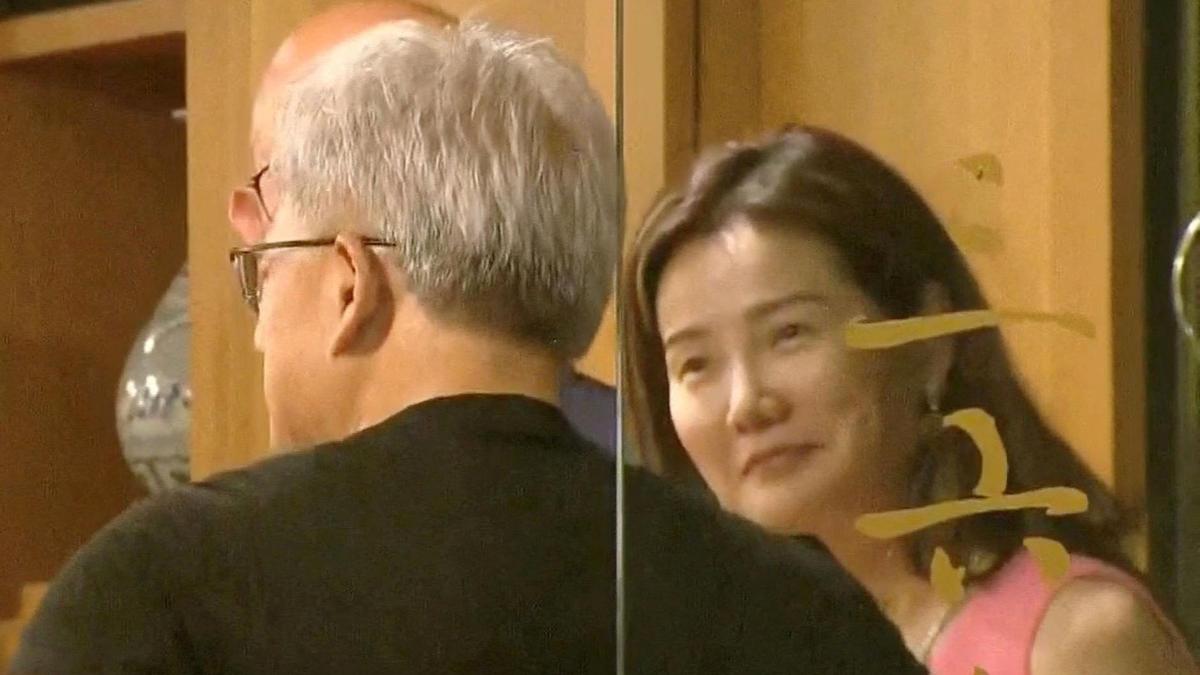



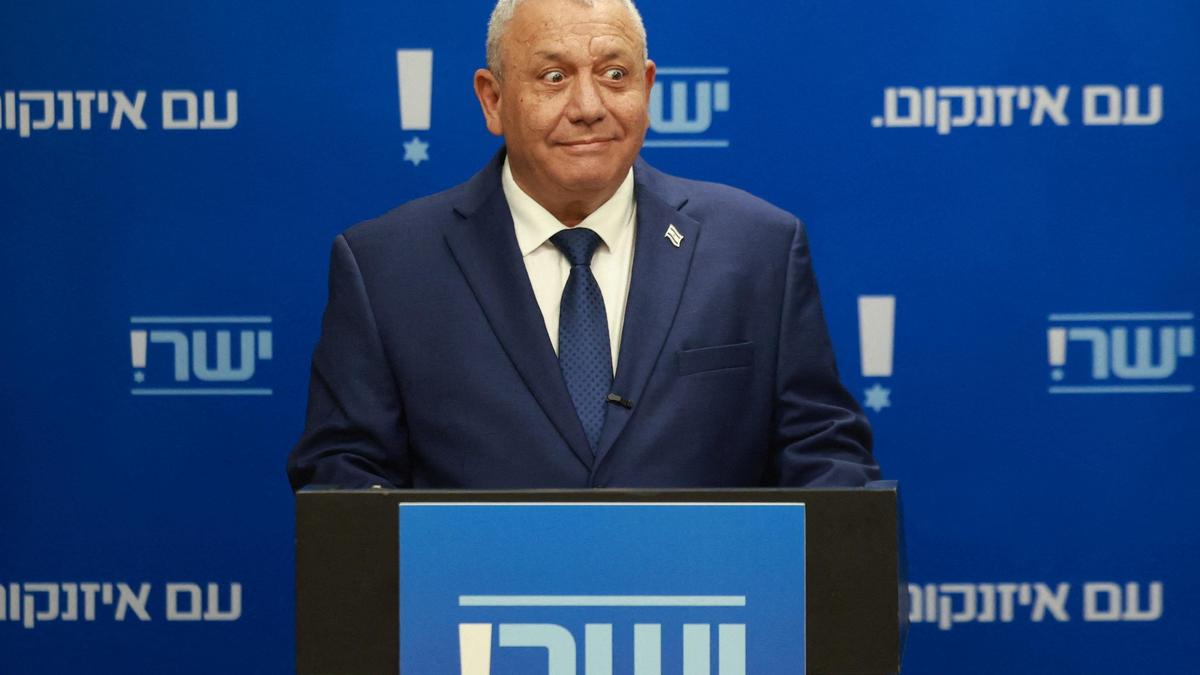
Former Israeli military chief Gadi Eisenkot. File
| Photo Credit: Reuters
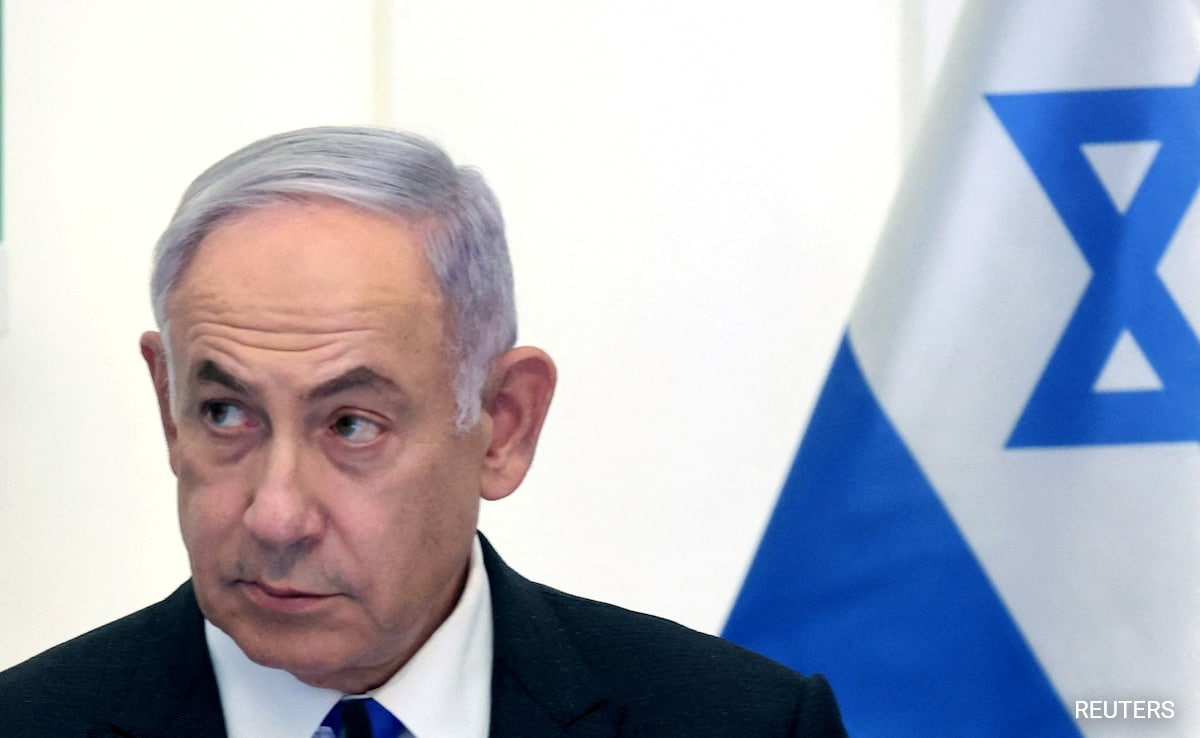
Gadi Eisenkot, leader of Israel’s centre-right Yashar party, appeared to play down the prospects of forming a unity government with Israeli Prime Minister Benjamin Netanyahu after the two men held two-hour talks on Sunday (November 29, 2026) in Tel Aviv.
Rather than an alliance with Mr. Netanyahu, Mr. Eisenkot, a former military chief, seems more likely to form a governing coalition with parties seeking to oust the veteran premier, political analysts have said.
Sunday’s (November 29, 2026) meeting was their second this month, although the first had been described as a security briefing for Eisenkot. The meetings follow an inconclusive October 27 election that left neither man with a clear path to power.
“The discussion was businesslike, with both sides seeking to bridge the substantial differences between them,” Mr. Netanyahu and Mr. Eisenkot said in a joint statement, without elaborating.
Israel’s Channel 12 news later reported there were no plans for any further meetings, and it cited Mr. Eisenkot as telling Mr. Netanyahu: “I’m committed to my partners in the bloc. You’re welcome to join after the government is formed.”
A spokesperson for Mr. Eisenkot confirmed that report.
Mr. Netanyahu said on Saturday (November 28, 2026) he would be willing to temporarily relinquish power in a unity government led by Mr. Eisenkot. Mr. Netanyahu, Israel’s longest-serving premier, offered to go second in a rotation agreement under any deal between his own Likud party and Mr. Eisenkot’s Yashar.
Deadline for talks
Israel’s President tapped Mr. Eisenkot to try to form a government after the election. Mr. Eisenkot has until December 6 to form a government, with the possibility of a 14-day extension.
Last week, Mr. Eisenkot signed coalition deals with the left-wing Democrats and the right-wing Yisrael Beiteinu party, whose support could bring him closer to a majority in the Knesset, Israel’s parliament.
Mr. Eisenkot and his potential partners won a total of 48 seats in the election, well short of a majority in the 120-seat parliament. Netanyahu’s Likud and its alliance of far-right and ultra-Orthodox parties won a combined 53 seats.
If Mr. Netanyahu and Mr. Eisenkot cannot agree on a unity government, Mr. Eisenkot could form a coalition with possible support from ultra-Orthodox Jewish and Arab parties.
Yair Golan, head of the Democrats, said after the Eisenkot-Netanyahu meeting on Sunday (November 29, 202^) that the Israeli public was behind Mr. Eisenkot.
“Now is the time to form a government that will bring real change…,” he said in an X post.
Published – November 29, 2026 10:20 pm IST