

(This article is part of the View From India newsletter curated by The Hindu’s foreign affairs experts. To get the newsletter in your inbox every Monday, subscribe here.)
We just witnessed an incredibly important season of polls — in Brazil, Serbia, Israel — that give us reason for much-needed hope in some cases, as well as persisting concern in others.
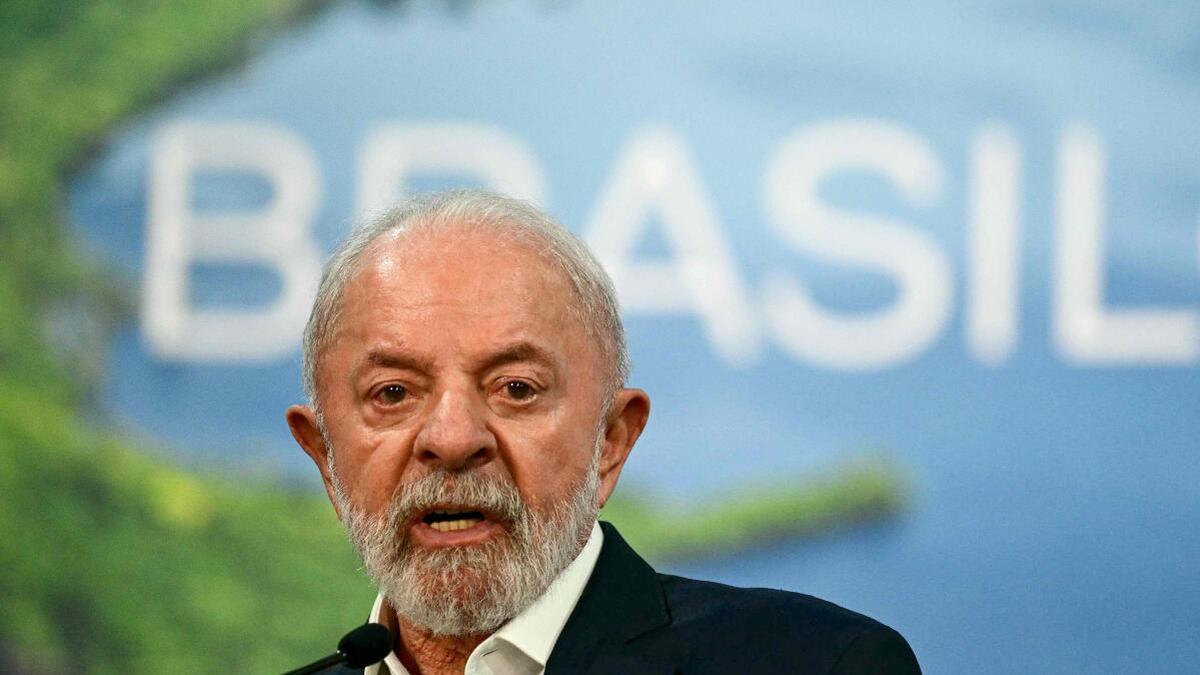
The remarkable comeback of Luiz Inácio Lula da Silva in the second round of Brazil’s presidential race will headline all anti-imperialist struggles for some time to come. The political import of his record fourth term win bears significance not just for Brazil or Latin America, but also for the rest of the world.
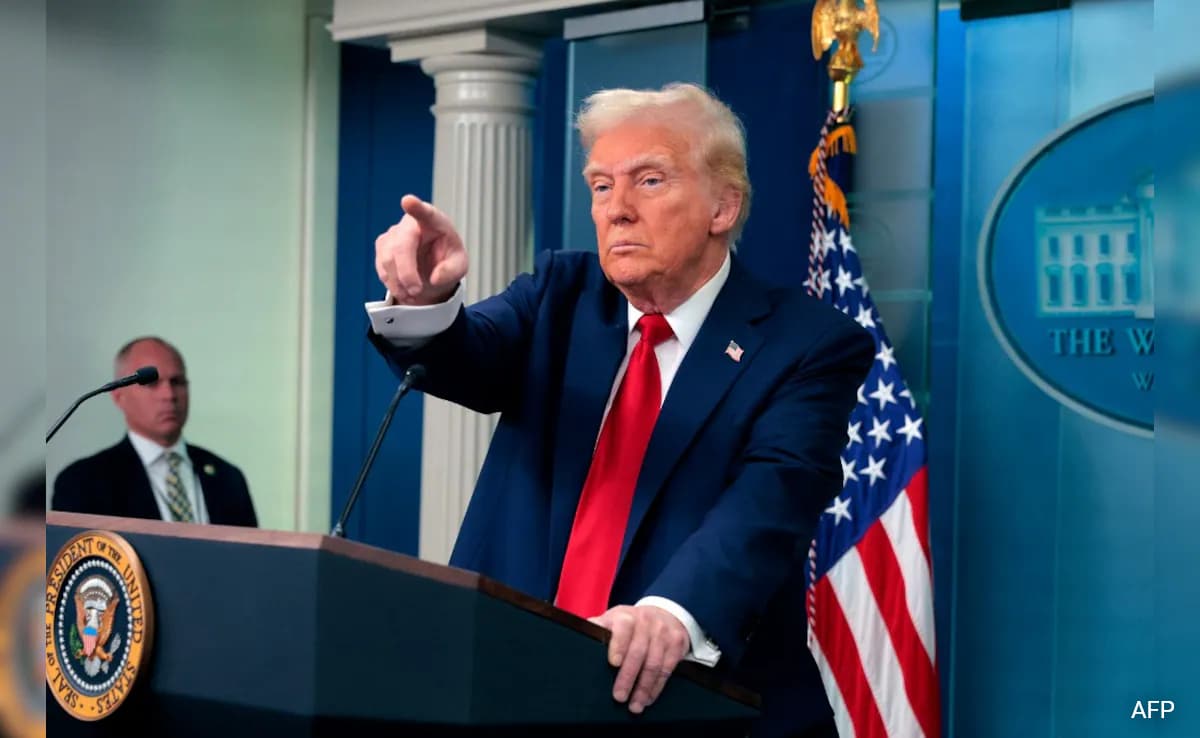
“Brazil is nobody’s backyard,” Mr. Lula declared at a midnight rally on the eve of the polls, challenging U.S. President Donald Trump in a pointed message. At a time of forever wars, mounting death tolls, and endless ambitions of power, Mr. Lula’s story is another reminder that no power is invincible. Profiling the veteran politician in a piece titled ‘Lula, Brazil’s 81-year-old comeback kid’, the Financial Times rightly noted that the four-time president pulled off “one of the greatest, unexpected victories in modern democratic politics”.
Why was it unexpected? The dice was undoubtedly loaded against him. However, a majority of voters, especially young Brazilians, were with him. “His victory bucks the recent trend in South America, where Washington-aligned right-wing and conservative forces have gained ground. While Lula offers predictable stability and social and economic inclusiveness, he could also be, as the President of South America’s largest economy, a voice of resistance to Donald Trump’s imperial ambitions,” The Hindu editorial noted.
My colleagues put together a series of exclusive reports and analytical takes for us to make sense of this watershed election. Shobhan Saxena closely tracked voters’ decisive shift before the polls leading to Mr. Lula’s win. Reporting from Sao Paulo, he wrote about how millions took to the streets on October 18, 2026, with Mr. Lula’s Workers’ Party banners and placards, demanding protection for public education, healthcare, and transport. Likening Mr. Lula to the Brazilian football great, Shobhan Saxena called him ‘The Pele of Brazil’s politics’ in this profile of the leftist leader.
Srinivasan Ramani wrote on Mr. Lula’s historic win and the humungous challenges facing him. In the latest episode of our recently launched podcast series ‘The View from India’, Stanly Johny spoke to Shobhan Saxena to unpack the election outcome both for Brazil and for the Global South more broadly. Watch the conversation here.
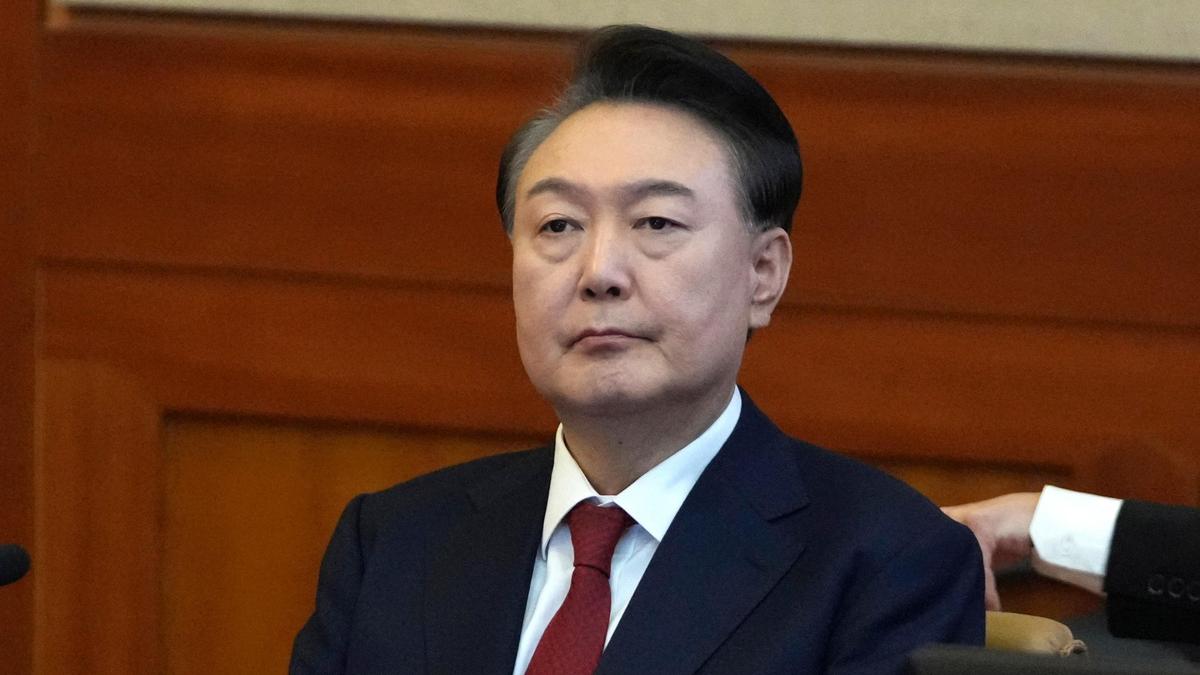
We also tracked the elections in Serbia, where a student-led movement declared victory in parliamentary elections Sunday (October 25, 2026) ending 14 years in power for Aleksandar Vucic’s right-wing populist party. How did a leaderless group of students challenge the Serbian President? Vighnesh P. Venkitesh examines in this explainer.
Deadlock in Israel, precarity in Gaza
Meanwhile in Israel, the October 27 election was framed by the Opposition as a referendum on Benjamin Netanyahu. For the country’s longest-serving Prime Minister, who oversaw the war on Gaza, attacked Iran twice and vowed not to make concessions to Palestinians, the election was a battle for survival. For the Opposition led by former military chief Gadi Eisenkot, this was an opportunity to oust Mr. Netanyahu from power. With almost 90% of the vote counted, Israel is divided into three blocs, none of which can govern alone. “Mr. Netanyahu has lost his majority, his Likud party has shrunk and his claim to be indispensable has been weakened. But the fragmentation of his opponents remains his most reliable asset. He has not won the election, but by denying his opponents an outright victory, he has found a way to cling to power and ensure his political survival, at least for now,” Stanly Johny wrote.
It is early to know if this outcome might offer any respite to Gaza, where a UN Commission of Inquiry has said Israeli authorities and forces have continued to commit war crimes, crimes against humanity and genocide in the occupied Palestinian territory even after the ceasefire agreement. In a report presented to the UN General Assembly, the Independent International Commission of Inquiry on the Occupied Palestinian Territory said Israeli military operations and settler violence in the West Bank were part of a coordinated attack against Palestinians, aimed at entrenching settlements, annexing Palestinian territory and displacing its population.
Poll question
Published – November 02, 2026 02:28 pm IST