



The India Meteorological Department (IMD) is looking to strengthen its existing radar network alongside installing new radars to improve weather observations and track monsoons.
With the onset of Northeast monsoon on Thursday, the IMD’s Regional Meteorological Centre is maintaining the nearly 24-year-old Chennai’s S-band doppler weather radar in working condition. It is likely to be replaced with a new S-band radar by 2027.
Installed as India’s first doppler weather radar in 2002, Chennai’s radar on Rajaji Salai continues to monitor weather up to 400 km.
Officials of the RMC said orders have been placed to replace various radars, including Chennai, Karaikal, Kolkata and Machilipatnam about six months ago. The supplier is awaiting a component from abroad before assembling the new equipment.
In 2022, Chennai radar was indigenously renovated and its functioning is being closely monitored as it would help in cyclone detection.
Four new S-Band and X-band radars would be installed at Kanniyakumari, Tiruchi, Yercaud and Ramanathapuram under the Mission Mausam. Radars are being installed across the country in coordination with the respective State governments. X band radars, which have a weather surveillance range of up to 180 km, would provide accurate observations of extreme weather events, said Sivananda Damodara Pai, Head, RMC.
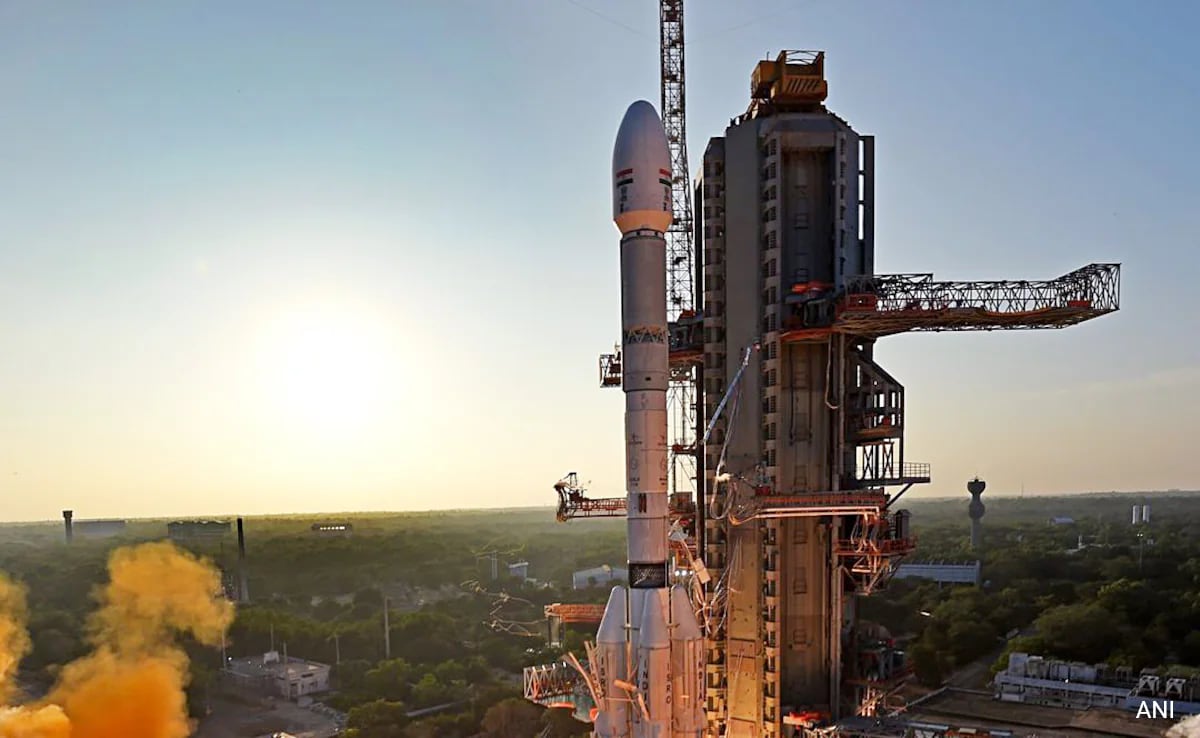
Mrutyunjay Mohapatra, IMD Director General, said besides the existing weather radars in places like Sriharikota, Pallikaranai, Karaikal and Chennai Rajaji Salai, new radars would cover more areas for weather observations. Radars being maintained in the neighbouring States also help in Tamil Nadu’s weather surveillance. The proposed weather radar in Mangaluru, for instance, would help track weather, including coastal Karnataka and parts of Tamil Nadu like Nilgiris district.
Noting that the country now has a network of 52 radars, he said it would be increased to 132 radars by 2028. A total of 16 radars would be added in various States by March 2027. “The place where it is being put up is immaterial; what matters is whether areas are covered,” he said
Some radars may be unavailable due to maintenance or technical issues. But, observations can be obtained from other radars. The aim is to ensure a denser radar network along the coast while improving coverage of hilly and urban areas, he said.
Published – October 15, 2026 12:41 am IST