




The story so far: Leptospirosis is a tropical zoonotic disease — bacterial systemic infection caused by pathogenic Leptospira — which is highly integrated with an environment in which both humans and animals thrive. The disease, which began to be reported in Kerala since 1989, has been endemic in the State since the last three decades or more and has now become the communicable disease with the highest mortality profile.
Leptospirosis is reported throughout the year in Kerala but the cases and mortality begin surging with the arrival of the Southwest monsoon. Since the past three years, the State has been consistently reporting around 5,000 cases and close to 400 deaths (including confirmed and probable) every year. Leptospirosis is yet again in focus now, as the disease has claimed 50 lives just in the month of July this year.
What makes Kerala a hotspot for the disease?
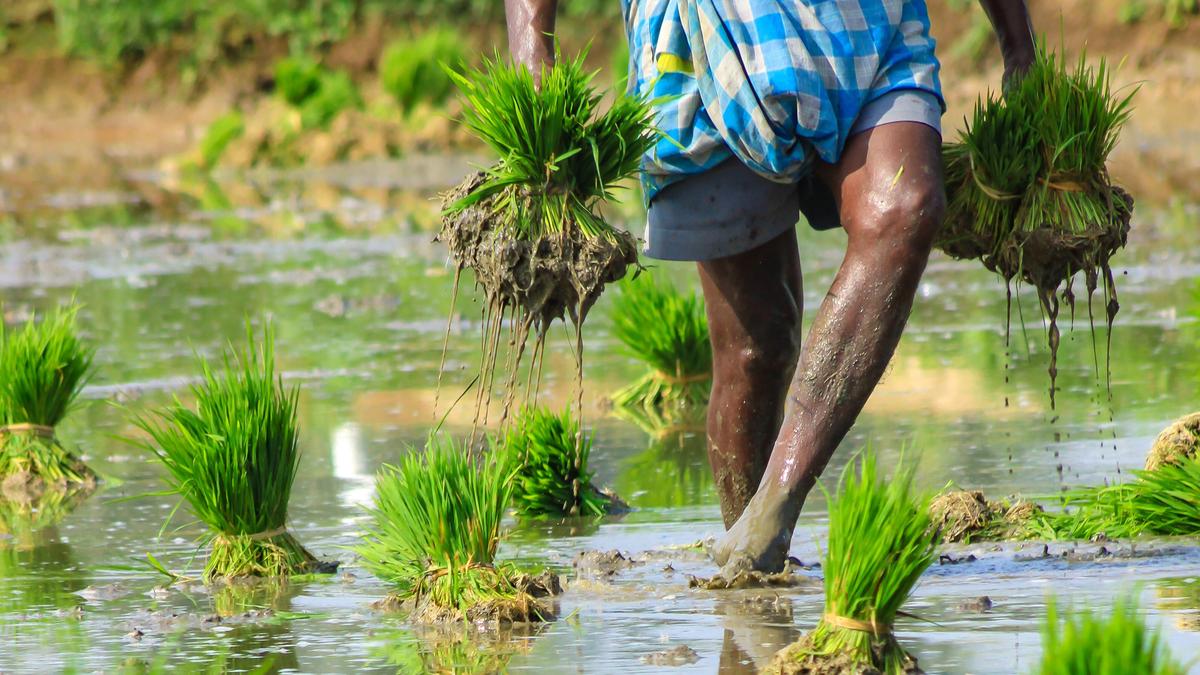
Kerala’s unique environment, with heavy monsoons, frequent floods and year-round moisture and humidity create ideal survival conditions for Leptospira bacteria in soil and waterbodies such as lakes and canals. An abundance of rodent and animal reservoir hosts live in close proximity to human residential areas and farms. Paddy cultivation, pineapple plantations and canal cleaning activities expose large numbers of agricultural and manual labourers in productive ages to contaminated water, leading the leptospira to enter the body through mucosal surfaces or abrasions or broken skin.
The Health Department maintains that according to the data of National Centre for Disease Control, leptospirosis is endemic in at least 12 other States, with high burden of disease. It is better disease surveillance, extensive diagnostic facilities and aggressive logging of both confirmed and probable cases that makes Kerala seem like the State with the highest leptospirosis burden, it is claimed.

Which is the population most affected by leptospirosis?
Traditionally, leptospirosis has remained an occupational hazard, with people engaged in farming, dairy farming, cleaning workers — essentially, people are at high risk of coming into contact with soil and contaminated water — contracting the disease. The disease typically affects those in the low socio economic strata, but there have also been cases in urban areas, where women have contracted the disease following gardening (possibly bare-handed). Health Department has also identified that construction workers — especially the migrant workers who are employed in the road works on the State’s Highways — are at heightened risk of contracting leptospirosis as they are constantly in touch with soil. The proliferation of wayside eateries has increased the chances of soil contamination by rodents.
A data sheet released by the State health authorities just two days ago, showed that in 2025, 36.75% of the deaths owing to leptospirosis had been in manual labourers, followed by agricultural labourers (10.94%) and home makers engaged in gardening (10.16%).
What is making the case fatality rate go up?
Late diagnosis and rapid progression of the disease, leading to a cascade of lethal complications such as pulmonary haemorrhage and multi-organ failure between 4.5 to 5 days, leaving a narrow therapeutic window for clinicians to intervene, has been making leptospirosis a very unpredictable disease with difficult prognosis in recent times. Previously, patients showed signs of complications only by the second week of the illness. Clinicians note that in the post-Covid era, dysregulatory immune response triggering a rapid cytokine storm, with patients requiring mechanical ventilation has been a feature of most infectious diseases.
Leptospirosis is associated with a broad spectrum of severity, ranging from subclinical or mild illness to severe disease, manifesting as fever, myalgia, conjunctival suffusion and gastrointestinal issues. It is only in 5-10% that the disease worsens and the prognosis becomes unpredictable. In the initial days, the symptoms overlap with that of any tropical fever and hence people self-treat themselves with analgesics and remain at home, till the symptoms suddenly worsen.
The laboratory diagnosis of leptospirosis also continues to be a challenge, because current serological tests for antibodies, such as ELISA, do not give confirmatory results in the acute phase of the disease.
Molecular diagnosis (PCR) has been introduced by the State for the early detection of leptospirosis, however, these tests are not widely available across districts. Intensive management and multidisciplinary support is crucial for a patient developing complications but secondary care hospitals often lack round-the-clock emergency management facilities and human resources, all of which adds to the mortality.
What has been Kerala’s strategy to reduce mortality?
Chemo prophylaxis with Doxycycline — 200 mg twice a week — targeting the high-risk groups has been a strategy the State has always relied on to prevent leptospirosis. Clinicians point out that one cannot go wrong in starting doxycycline early on, even when the patients’ symptoms might be hard to distinguish. The strategy is very effective even after one has contracted the infectious organism because when taken as per the protocol, doxycycline prevents the replication of leptospira in the body. However, compliance has been poor and people seldom listen to the advisories issued by the Health Department.
The State’s treatment protocol advised primary care physicians to maintain a high index of suspicion, if a patient presents with fever and myalgia and without any respiratory symptoms and to start antibiotics as early as possible if the patient belongs to high-risk category.
What are the modifications suggested in the strategy?
An experts’ group set up by the Health Department has suggested that disease prevention strategies focussing on the vulnerable categories at high risk of occupational exposure to leptospirosis be devised and that risk communication be taken up as a campaign amongst these groups. Preventive gear, such as gum boots and heavy duty gloves are to be provided to manual labourers and farm workers so that the risk of bare skin contact with contaminated soil and water is minimised.
Published – August 01, 2026 01:46 pm IST