






It is hard to miss the irony. The idea for a new trans-border payment system and a new currency was apparently discussed at the recently concluded BRICS summit in Russia, a country that has earned the reputation for being the world’s most sanctioned nation. Today, global transactions rely on the SWIFT system, with the US dollar reigning supreme. These two pillars are the heavy hitters in the US-led sanctions regime.
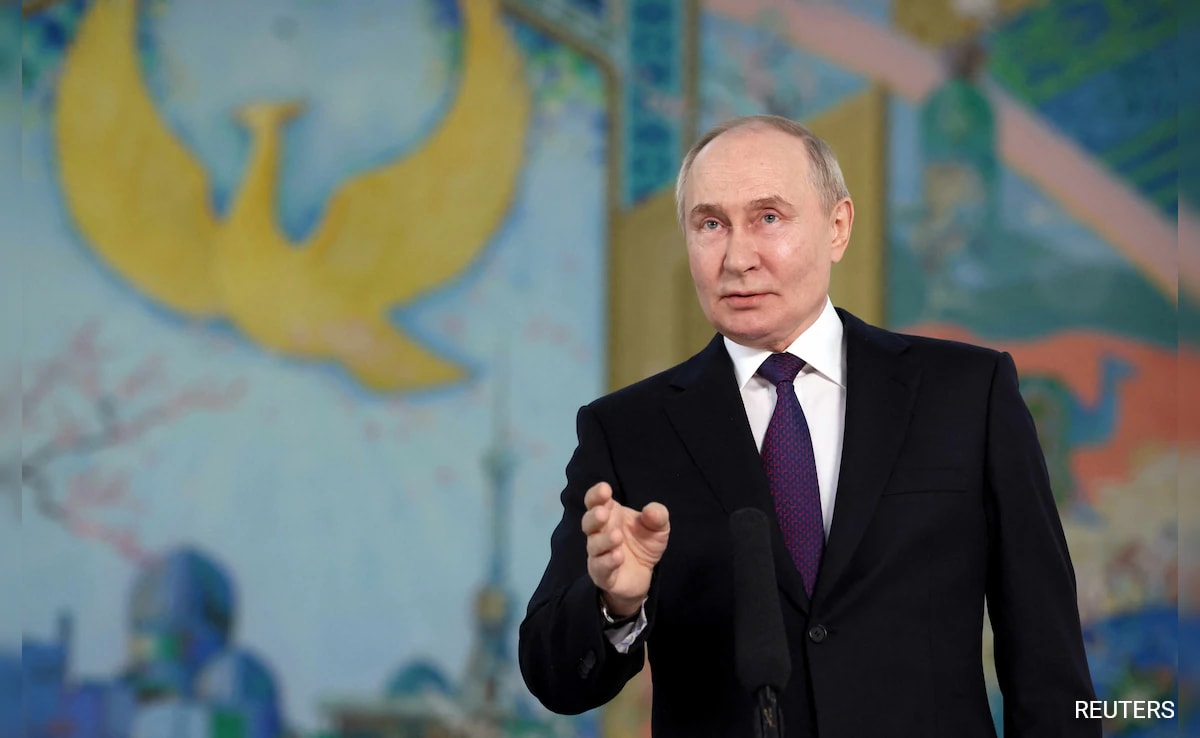
It was also ironic that Vladimir Putin, the world’s most sanctioned politician, whom the Western world believed to be one of the most isolated leaders in the world, played host, with pomp and pageantry, to 36 countries, as well as the United Nations Secretary-General.
Russia Is Far From Isolated
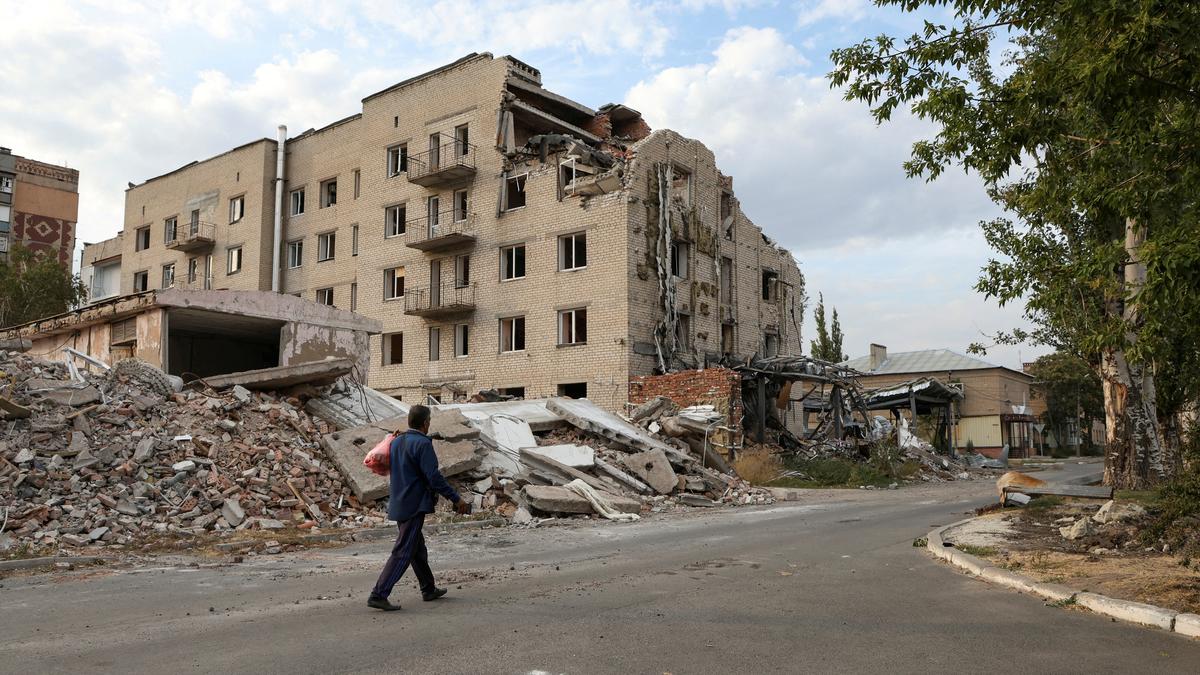
Since Russia’s Ukraine invasion in February 2022, Putin and his country have been smacked with an astounding 19,535 sanctions from the US and its friends. Russia’s assets abroad, in billions of dollars, were frozen. The aim supposedly was to grind the country’s economy and war machine to a halt. And the idea was to make the Russian war against Ukraine so outrageously costly that Putin would be forced to throw in the towel. Western officials and commentators predicted Russia’s economy would collapse under severe sanctions. There was a faint hope that the economic toll might spark a popular uprising against him. But here he is, heavy sanctions notwithstanding, still hosting world leaders with warm hugs and handshakes, and with all the trappings of a grand host.
Against all odds, Russia’s economy has shown surprising resilience. Defying early forecasts, it grew by 3.6% in 2023. In fact, the International Monetary Fund (IMF) projects further growth at 3.2% in 2024, according to its World Economic Outlook update. Ironically, this rate of growth surpasses that of some of the sanctioning countries. Inflation is low and unemployment has hit record lows. Experts point to factors like economic diversification, increased domestic production, strengthened trade ties with countries like India and China, currency controls and well-managed reserves as key to this unexpected endurance.
This isn’t quite the outcome the US and its allies had in mind. Even so, for a trigger-happy America, sanctions are a preferred tool of its foreign policy, despite the evidence that they may no longer be as effective as once believed. From Russia to Iran, and North Korea to Venezuela, many sanctioned nations have resisted both economic collapse and political upheaval. As critics point out, sanctions often weigh most heavily on ordinary civilians, deepening humanitarian crises without delivering the political outcomes they’re intended to achieve.
Iran Is Happy, Too
Iran is another heavily sanctioned country, which faces curbs not just by the US and its Western allies but also by the United Nations. It has been under sanctions since the Islamic Revolution of 1979. The first set of restrictions came in November 1979, after pro-revolution students seized the American Embassy in Tehran and took hostages. Since then, the US and its allies have imposed various sanctions against Iran, ranging from economic and trade to travel restrictions. The US has also frozen Iran’s overseas assets.
The United Nations has imposed dozens of sanctions of its own, which include some that target its nuclear programme, ballistic missile development and alleged human rights abuses. There is no doubt that these sanctions have significantly impacted Iran’s economy and people, but they have not helped topple the regime. They have proven counterproductive in the sense that they have only pushed Iran towards Russia and China, both arch-US rivals.
A Growing Anti-West Sentiment
Sanctions, as it turns out, don’t just punish economies and leaders-often, they seem to breed a kind of defiant patriotism and anti-West sentiments. In places like Russia and Iran, sanctions appear to be doing less to “cripple” governments and more to cement public loyalty against the West. The logic? For Russia, sanctions have been an unexpected rallying point, fueling anti-West rhetoric that plays right into the Kremlin’s hands. They are framed as hurdles Russia has heroically overcome.
Similarly, Iran has leaned into sanctions as proof of Western hostility, using it to stoke national unity and portray itself as a bastion against outside interference. Iran’s leadership projects, quite successfully, decades of resistance against sanctions as a national triumph. Far from driving these countries to a breaking point, sanctions have given them the material for a powerful narrative.
India Is No Stranger
If you take a close look at the US sanctions on Russian companies, you will see a pattern emerging: many Russian companies that are direct competitors of American firms have faced sanctions. The other clear pattern is the commission of Russian companies, on which the US relies heavily. For instance, the US has decided not to sanction Russian agencies that supply titanium for Boeing’s commercial aircraft and rocket engines for NASA. In both these areas, the US has no indigenous capacity.
The US sanctions against Iran have already impacted India in a big way. The sanctions against Russia are also potentially of concern to Indian companies. Russia is India’s strategic partner and a key supplier of defence hardware. Sanctions cast a shadow over this essential relationship. With major Russian defence suppliers on the US sanctions list, Indian companies working with them risk being cut off from the dollar-based financial system that the US commands. Even Indian firms working in areas untouched by sanctions could feel the squeeze.
In the not-so-distant past, even India had been a victim of US sanctions. After India conducted a nuclear test in Pokhran in 1974, the US imposed nuclear-related sanctions under the Symington Amendment. It also put an arms embargo against India. Then, following the 1998 Pokhran-II nuclear test, the US imposed sanctions under the Glenn Amendment. The measures included restrictions on nuclear technology and aid. These sanctions were mostly relaxed and lifted following the India-US Nuclear Agreement in 2008. The US has now also granted India waivers for purchasing the S-400 missile system from Russia.
America’s Double Standards
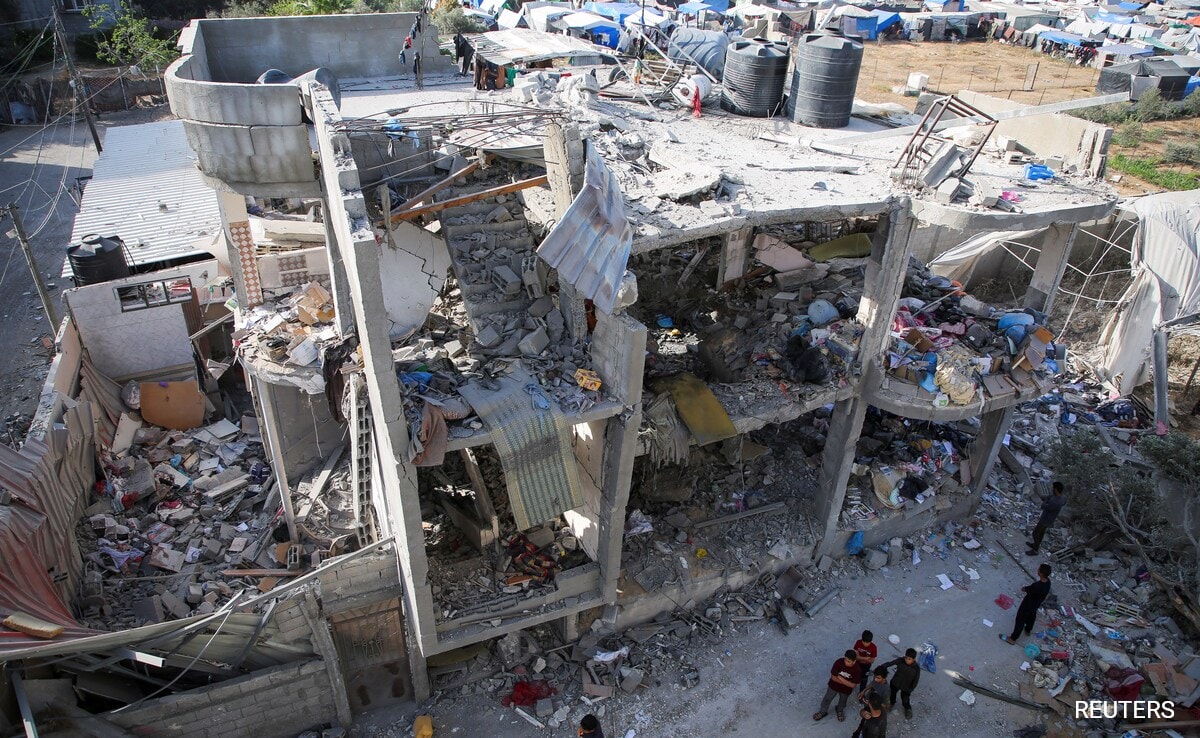
Many experts point out the Western bias when it comes to taking action against friendly countries, such as Israel. They highlight the White House’s reluctance or its inability to sanction Israel or its Prime Minister Benjamin Netanyahu for his alleged human rights violations and breach of international laws. Amidst an escalating humanitarian crisis in northern Gaza and southern Lebanon and reports of Israeli settlers’ attacks on Palestinians being on the rise, the US and its Western allies are coming under increasing pressure to impose sanctions or arms embargoes on Israel. So far, they have done nothing except issue a one-month ultimatum to resort to a weapons embargo against Israel if it did not allow uninterrupted humanitarian aid into northern Gaza. The Biden administration also says it has found reports of possible starvation quite disturbing.
There is, however, little evidence that Israel has complied. What is true is that the US and its European allies have imposed travel sanctions against a handful of hardline Jewish settlers who were allegedly involved in violence against the Palestinians in the West Bank.
How Sanctions Have Emboldened Autocrats
For the US, the question now is not just whether sanctions are effective, but if they are backfiring. Sanctions might weaken economies, but they help autocratic regimes exploit public sentiment in order to stay in power. For example, in Russia, the wave of sanctions since 2014 (when Russia annexed Ukraine’s Crimea region) has led to increased domestic nationalism, enabling President Vladimir Putin to consolidate power and rally public support against what is portrayed as Western aggression. Similarly, Iran has developed a lethal arsenal of ballistic missiles and drones and pursued its nuclear project despite being under the strictest of sanctions.
Is it time for a rethink? If sanctions are less effective than intended and more likely to turn public opinion against the West, then who, exactly, are they benefiting?
(Syed Zubair Ahmed is a London-based senior Indian journalist with three decades of experience with the Western media)
Disclaimer: These are the personal opinions of the author
Waiting for response to load…