
Skip to content
  • Facebook
  • X
  • Linkedin
  • WhatsApp
  • Associate Journalism
  • About Us
  • Privacy Policy
  • 033-46046046
  • editor@artifex.news
Artifex.News

Artifex.News

Stay Connected. Stay Informed.

  • Breaking News
  • World
  • Nation
  • Sports
  • Business
  • Science
  • Entertainment
  • Lifestyle
  • Toggle search form
  • West Bengal Governor CV Ananda Bose Visits Kolkata Rape Victim’s Residence Nation
  • Israel Army Says It Dismantled Hezbollah Tunnel That Crossed Into Israel World
  • 6 Dead, 14 Hospitalised After Allegedly Consuming Toxic Liquor In Bihar Nation
  • 3 Dead As Fire Breaks Out In Residential Building In Delhi Nation
  • England’s Predicted Playing XI vs South Africa, Cricket World Cup 2023: Will Jos Buttler-Led Side Bring Any Changes? Sports
  • Daily Quiz | On World Cups so far Sports
  • TDP Mahila president Anitha locks horns with YSRCP candidate Kambala Jogulu in Payakaraopeta Assembly seat Nation
  • Israel Announces Countermeasures Against Turkey Following Trade Suspension World

The Fall Of Damascus And Lessons In Liberalism For Delhi

Posted on December 11, 2024 By admin


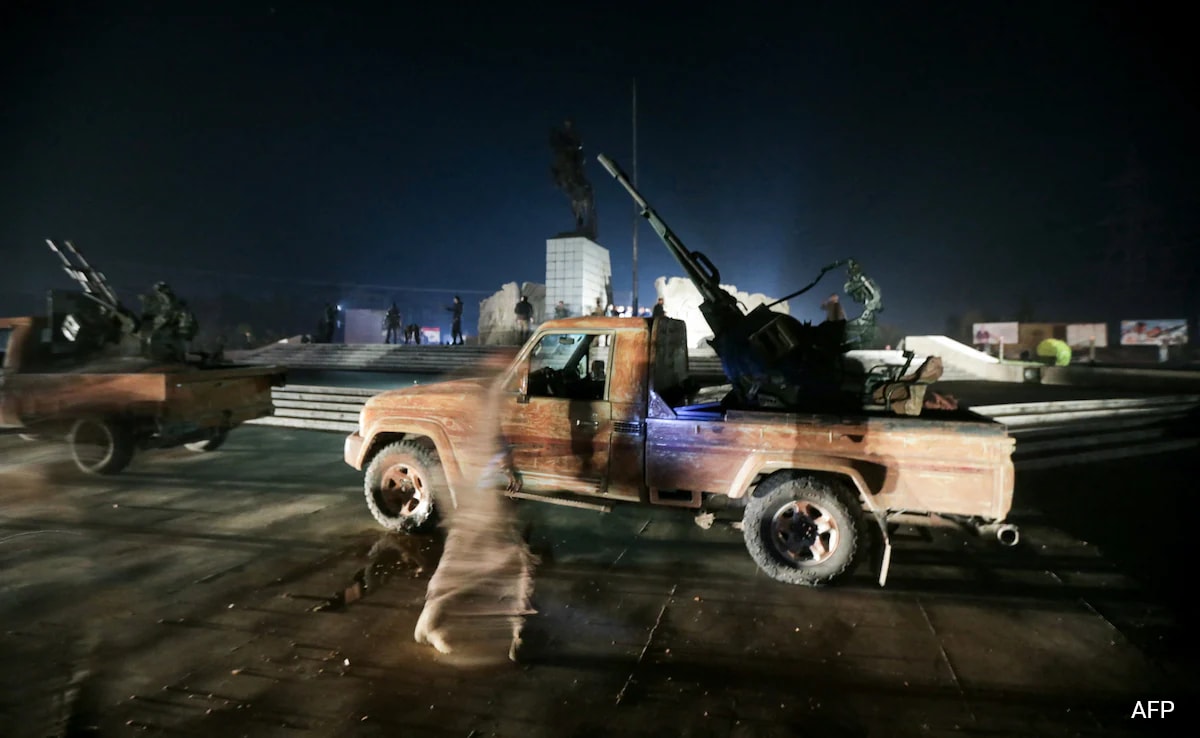
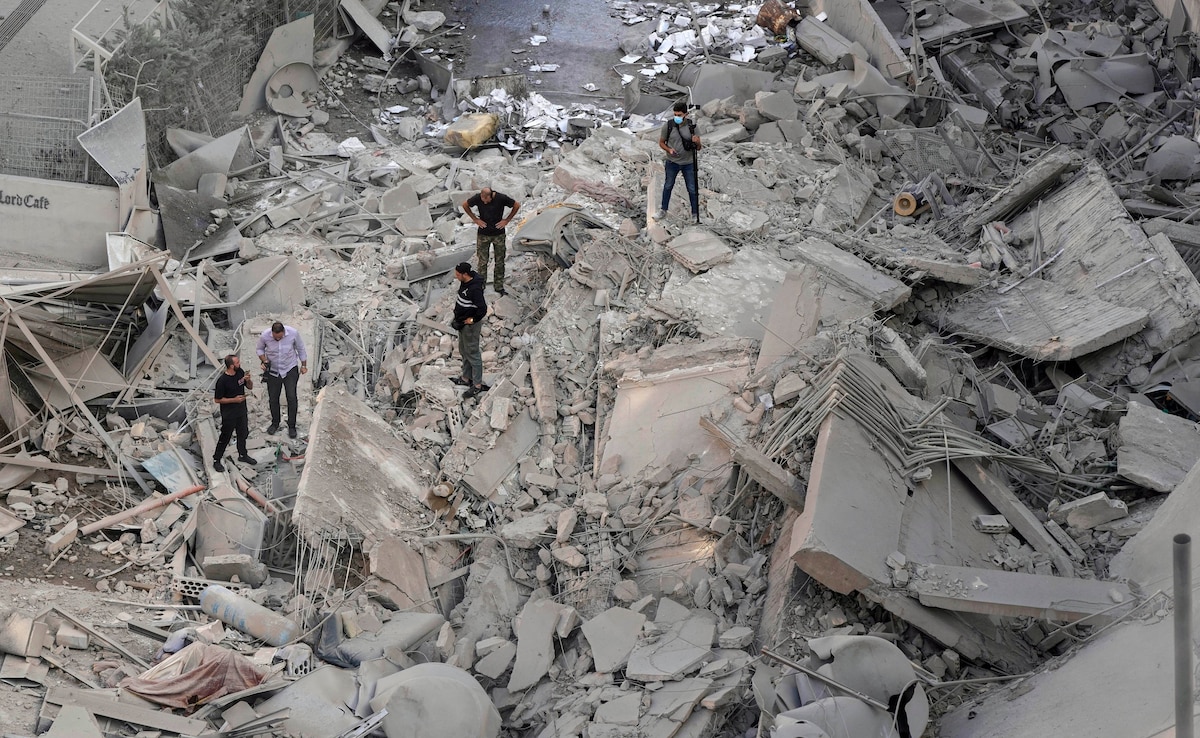
Damascus has fallen. Once again. One of the oldest cities in the world has fallen. To rise again from its rubble, heralding a new order. In its rise and fall, Damascus has lessons for all civilisations, all rebels, and all regimes.

It was in July 2012 that rebels penetrated Damascus, hitherto considered inviolable. Both the regime and the rebels understood its importance—military and symbolic. The rebels advanced to the heavily militarised capital of Syria but did not make any real gains. A year later, in August 2013, the Syrian regime launched Operation Capital Shield. The capital had to be shielded, and any amount of force was acceptable to thwart any rebel attack. The city was safeguarded through the use of disproportionate force against rebels operating from around Damascus. Only temporarily so. Eleven years later, the regime has fallen. For the sixth time, at least, since the 1st century AD Roman conquest of Damascus’s Seleucid empire.

The Cycle Of Power

Not only has Damascus seen violent regime changes, it has also experienced ethnic and religious clashes, including the Crusades. But in almost every significant clash—civilisational or political—one thing has stayed common: recapturing of the lost ground. The cyclical nature of power. The centuries-old unabated contestation on the socio-political turf of Damascus has defined its character. The current developments in Syria, therefore, ought to be examined through a more expansive glass of history and culture.

Peter Frankopan’s The Silk Roads underscores the importance of Damascus as an emporium adjacent to one of the most thriving trade routes of the world. Despite no easy access to the Mediterranean Sea, it was in the league of great cosmopolitan cities such as the Byzantine Constantinople (Istanbul), the Greco-Roman Antioch, and the old Chinese capital city of Chang’an. Its early embrace of agricultural practices owing to the natural inland water systems of the Barada River and investments in irrigation infrastructure made Damascus a land of plenty. 

Even at the peak of Christian-Muslim religious clashes around the 10th century AD, traders had a breezy time in Damascus. Muslim traders from Spain, for example, were protected by the Christians of Damascus. For one of the oldest inhabited cities of the world, with no religious underpinnings originating from any religious text, trade was vital. Traders, the outsiders, were therefore immune to the local political and religious strife. Damascene society depended on the “outsiders” to retain its regional power as a seat of sociocultural dominance. Damascus, as perceived today, is essentially a result of four centuries of Ottoman rule that came to an end with the First World War. The city was the seat of the Turkish Wali. 

Lands Of ‘Outsiders’

Damascus, curiously, wasn’t ruled by a local dynasty ever since the overthrow of the Aram-Damascus kingdom in the eighth century BC. This feature makes Damascus closer to Delhi than its Phoenician, Judean, and Arab neighbours. The “outsiders” soon started becoming the insiders, and the city evolved. Delhi has this in common with Damascus and lessons from the latter are, therefore, pertinent to us.

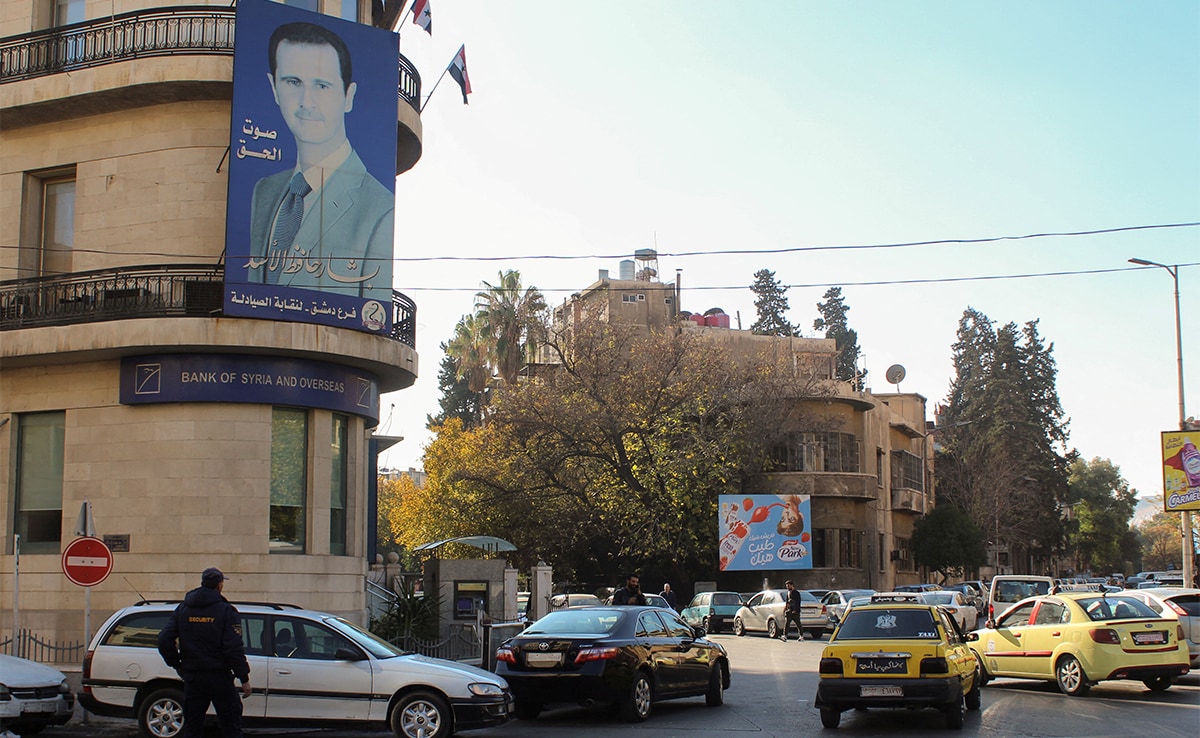
The Assad regime’s rise and fall alerts us to the limitations of liberalism when it stays within the elite confines. It is always prone to crumbling under the weight of popular mobilisation. The mainstay of Syria’s multicultural nature was consociational engagements between different ethno-religious groups at different times in history. The Assad regime’s politicisation of the Syrian society’s multiculturalism was self-serving. After the military coup of 1970 that installed Hafez al-Assad as a totalitarian ruler, all forms of dissent began to be crushed, ironically, by the ruling Ba’ath Party, the regional champion of dissenters in the Arab world.

When liberalism gets weaponised thus, it spells doom for not just the conservatives but also the quintessential liberal values. Bashar al-Assad carried forward this legacy of his father with more zeal and ruthlessness. The rebellion against him, therefore, needs to be seen as not only political but also socio-religious. The Sunni Muslims of Syria, the majority group, clearly had had enough of the marginalisation heaped on them by the Alawite (Shia) Assad family and their acolytes. 

Liberalism And Liberals

This should appear familiar to us. The undermining of liberal values by liberals themselves, the ascent of conservative forces, the politics of exclusion, and the many fires of violent ethno-religious clashes, we have seen it all. Politics of exclusion, even when the most inclusionary players indulge in it, never ends well. The civil war in Syria needs to be seen as another element in the continuum that has the return of the Taliban in Afghanistan, the Islamic Revolution of Iran of 1979, the reactionary overthrow of the Kemalist order in Turkey by Erdogan, and the fall of Sheikh Hasina in Dhaka as landmark events.

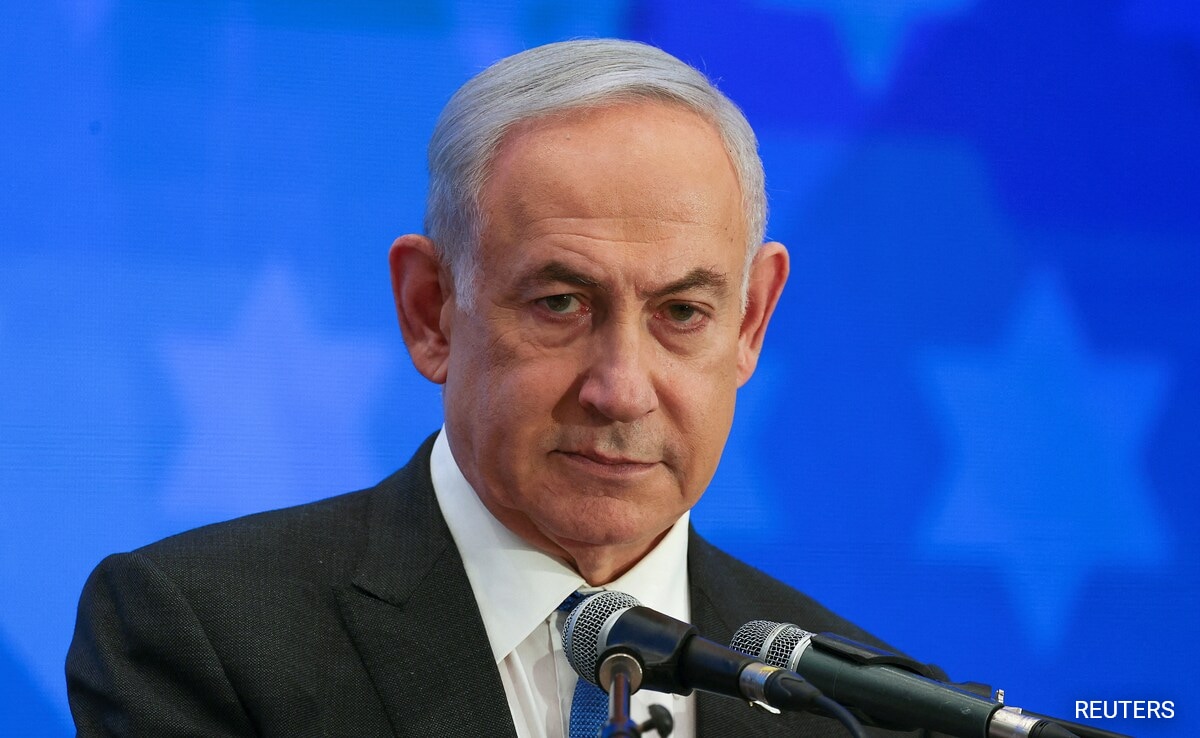
Immediately after the fall of Damascus, scenes of celebrations (and looting) started flooding the news and social media. Impervious to them, Israel moved to plant its flag beyond the earlier buffer zone. And this is the lesson Delhi’s regime and rebels must pay heed to.

(Nishtha Gautam is a Delhi-based author and academic.) 

Disclaimer: These are the personal opinions of the author

Waiting for response to load…



Source link

World Tags:Assad, Damascus, Delhi, Gaza, iran, israel, Middle East, palestine, Syria, West Asia

Post navigation

Previous Post: Inside The Wealthy Mangione Family Linked To US CEO’s Alleged Killer
Next Post: MIT student Prahlad Iyengar: Student coalition campaigns against MIT’s suspension of Indian-origin student

Related Posts

  • Sikh Mayor In US Ravinder S Bhalla Receives Death Threats World
  • Smoke Seen On Singapore Airlines Plane During Landing In Japan, Runway Shut World
  • Biden commutes roughly 1,500 sentences and pardons 39 people in biggest single-day act of clemency World
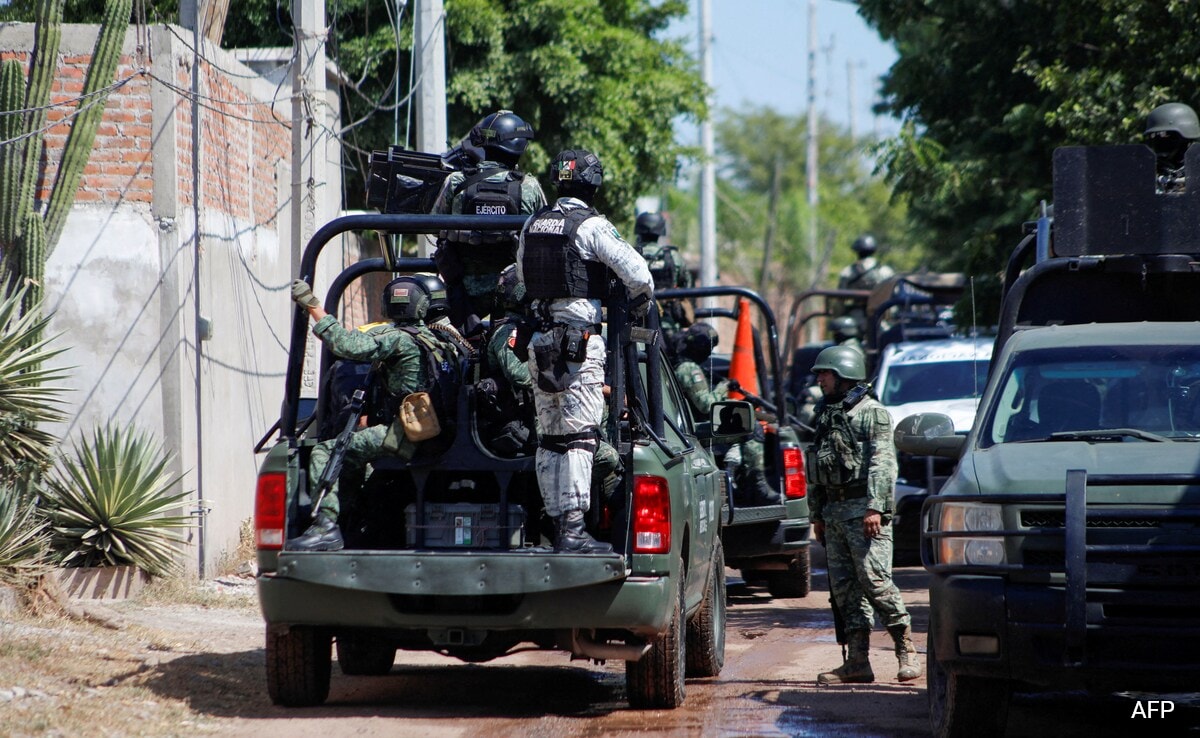
  • 10 Dead, 7 Injured As Gunmen Open Fire At Mexico Bar World
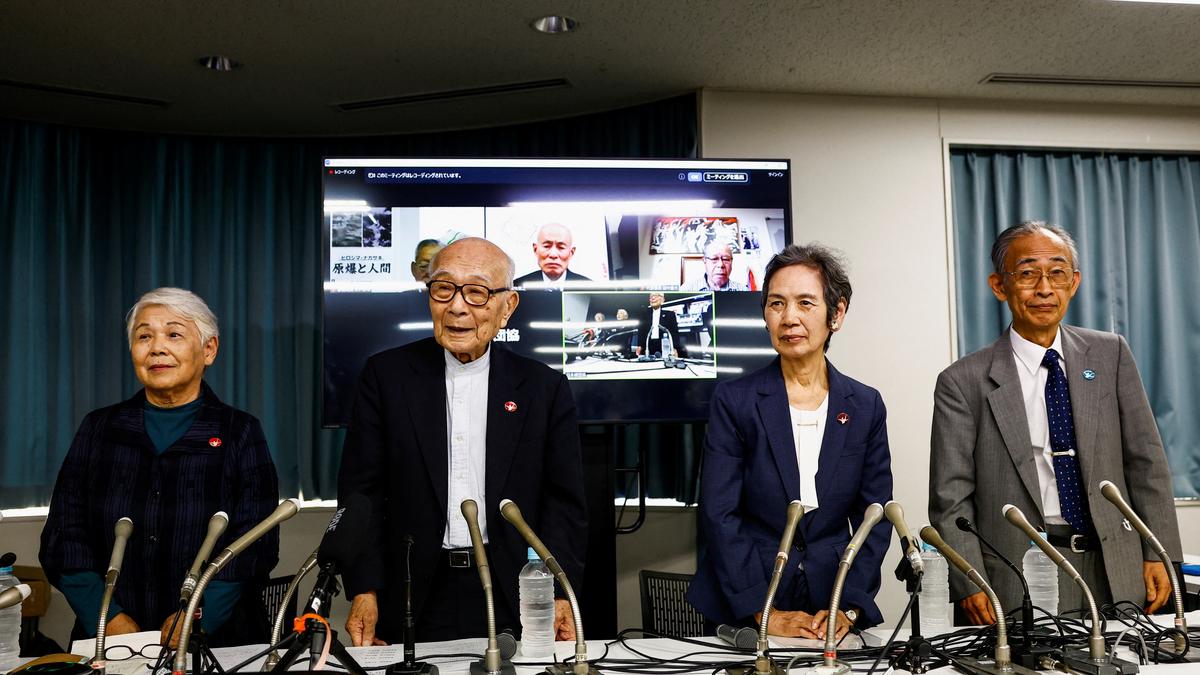
  • Bomb survivors use Nobel Peace Prize 2024 win to share their anti-nuke message with younger generations World
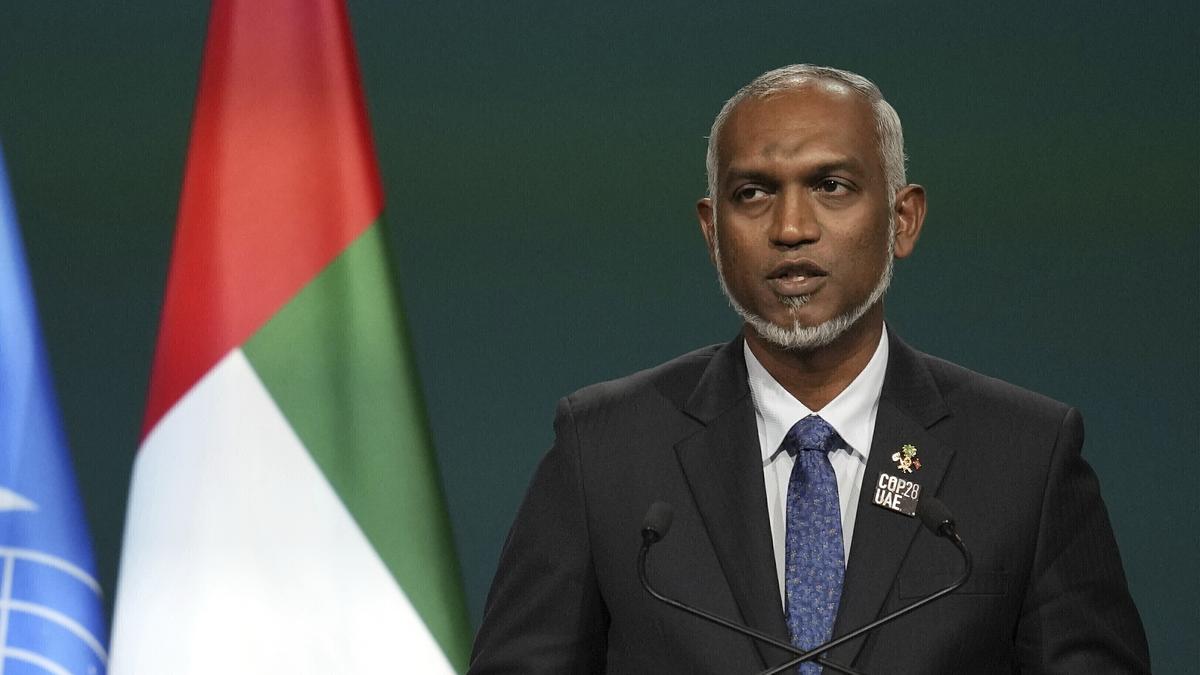
  • Maldivian President Muizzu to visit India ‘very soon’, says spokesperson World

More Related Articles

Renewed Russian offensive on Kharkiv in northeast Ukraine forces 1,700 civilians to flee World
A nuanced and compassionate understanding of Rohingya’s flight is the need of the hour World
Philippine authorities detain more than 160 people over suspected cybercrime operation World
Jim Jordan Falls Short Again In Second US House Speaker Vote World
Syria’s Aleppo Airport Closed As Rebel Group Reaches Heart Of City World
Death Count Rises To 197 In Vietnam After Typhoon Yagi World
SiteLock

Archives

  • December 2024
  • November 2024
  • October 2024
  • September 2024
  • August 2024
  • July 2024
  • June 2024
  • May 2024
  • April 2024
  • March 2024
  • February 2024
  • January 2024
  • December 2023
  • November 2023
  • October 2023
  • September 2023
  • August 2023
  • July 2023
  • June 2023
  • May 2023
  • April 2023
  • March 2023
  • February 2023
  • January 2023
  • December 2022
  • November 2022
  • October 2022
  • September 2022
  • August 2022
  • July 2022
  • June 2022
  • May 2022

Categories

  • Business
  • Nation
  • Science
  • Sports
  • World

Recent Posts

  • Akash Deep Saves Boundary But Australia Still Get 4 Runs During 3rd Test – Video Goes Viral
  • WPL 2025 Auction: Full List Of Sold Players With Price
  • World falls short of UN drought deal at Saudi talks
  • US, China renew stalled scientific cooperation agreement
  • Sri Lankan President Anura Kumara Dissanayake To Begin 3-Day India Visit Today

Recent Comments

  1. dfb{{98991*97996}}xca on UP Teacher Who Asked Students To Slap Muslim Classmate
  2. "dfbzzzzzzzzbbbccccdddeeexca".replace("z","o") on UP Teacher Who Asked Students To Slap Muslim Classmate
  3. 1}}"}}'}}1%>"%>'%> on UP Teacher Who Asked Students To Slap Muslim Classmate
  4. bfg6520<s1﹥s2ʺs3ʹhjl6520 on UP Teacher Who Asked Students To Slap Muslim Classmate
  5. pHqghUme9356321 on UP Teacher Who Asked Students To Slap Muslim Classmate
  • Assam Chief Minister Himanta Biswa Sarma Nation
  • Watch: Challenges ahead for Indian diplomacy World
  • Which Indian Players Can Bat 11 Hours To Save A Test Match? Gautam Gambhir Replies Sports
  • Hamas, Islamic Jihad Claim Responsibility For Bomb Blast In Tel Aviv World
  • Cristiano Ronaldo Poised For Euro Record As Portugal Name Squad Sports
  • 6 MLAs Disqualified By Congress, 3 Independents Join BJP In Himachal Nation
  • Asian Games: India Win Bronze In Women’s Hockey, Beat Defending Champions Japan 2-1 Sports
  • Nitish Kumar Reddy Sees India A Games As Vital Learning Opportunity Before Border-Gavaskar Trophy Sports

Editor-in-Chief:
Mohammad Ariff,
MSW, MAJMC, BSW, DTL, CTS, CNM, CCR, CAL, RSL, ASOC.
editor@artifex.news

Associate Editors:
1. Zenellis R. Tuba,
zenelis@artifex.news
2. Haris Daniyel
daniyel@artifex.news

Photograher:
Rohan Das
rohan@artifex.news

Artifex.News offers Online Paid Internships to college students from India and Abroad. Interns will get a PRESS CARD and other online offers.
Send your CV (Subjectline: Paid Internship) to internship@artifex.news

Links:
Associate Journalism
About Us
Privacy Policy

News Links:
Breaking News
World
Nation
Sports
Business
Entertainment
Lifestyle

Registered Office:
72/A, Elliot Road, Kolkata - 700016
Tel: 033-22277777, 033-22172217
Email: office@artifex.news

Editorial Office / News Desk:
No. 13, Mezzanine Floor, Esplanade Metro Rail Station,
12 J. L. Nehru Road, Kolkata - 700069.
(Entry from Gate No. 5)
Tel: 033-46011099, 033-46046046
Email: editor@artifex.news

Copyright © 2023 Artifex.News Newsportal designed by Artifex Infotech.