







For almost a year, Israel and Hezbollah have engaged in increasingly provocative cross-border skirmishes as onlookers warn that this escalating war of attrition could land the region in an all-out conflict. The past few days have made that devastating scenario closer to a reality.
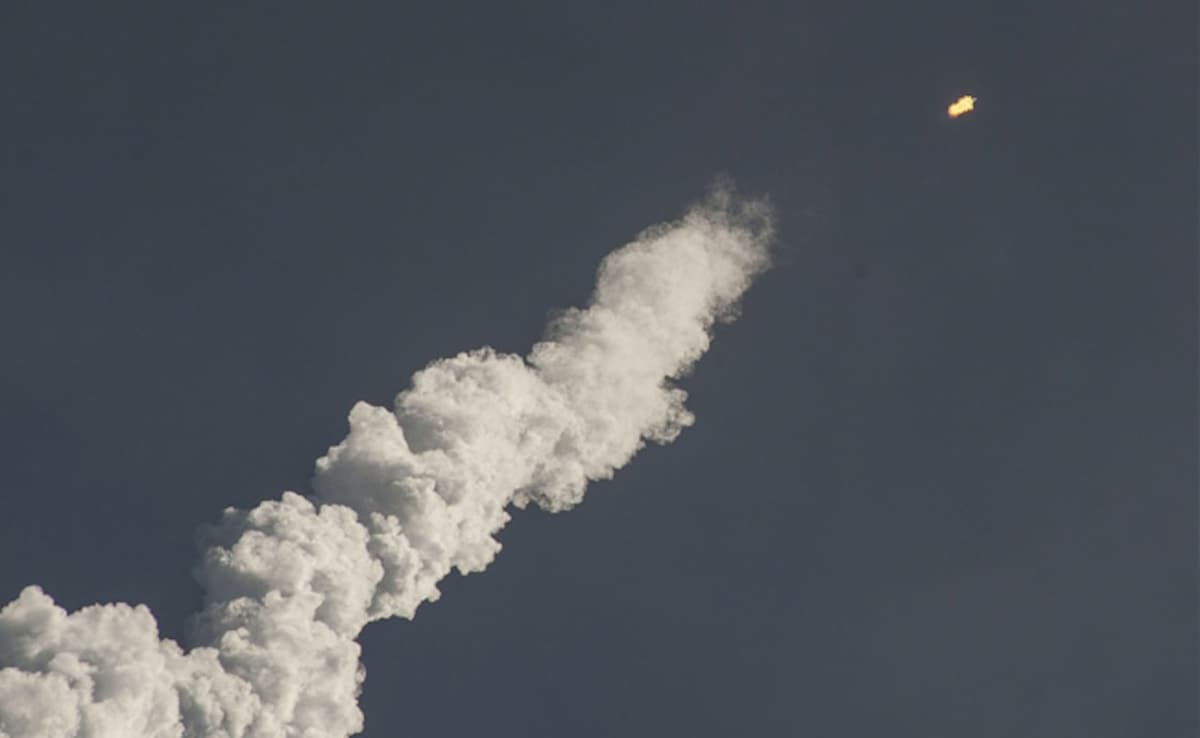
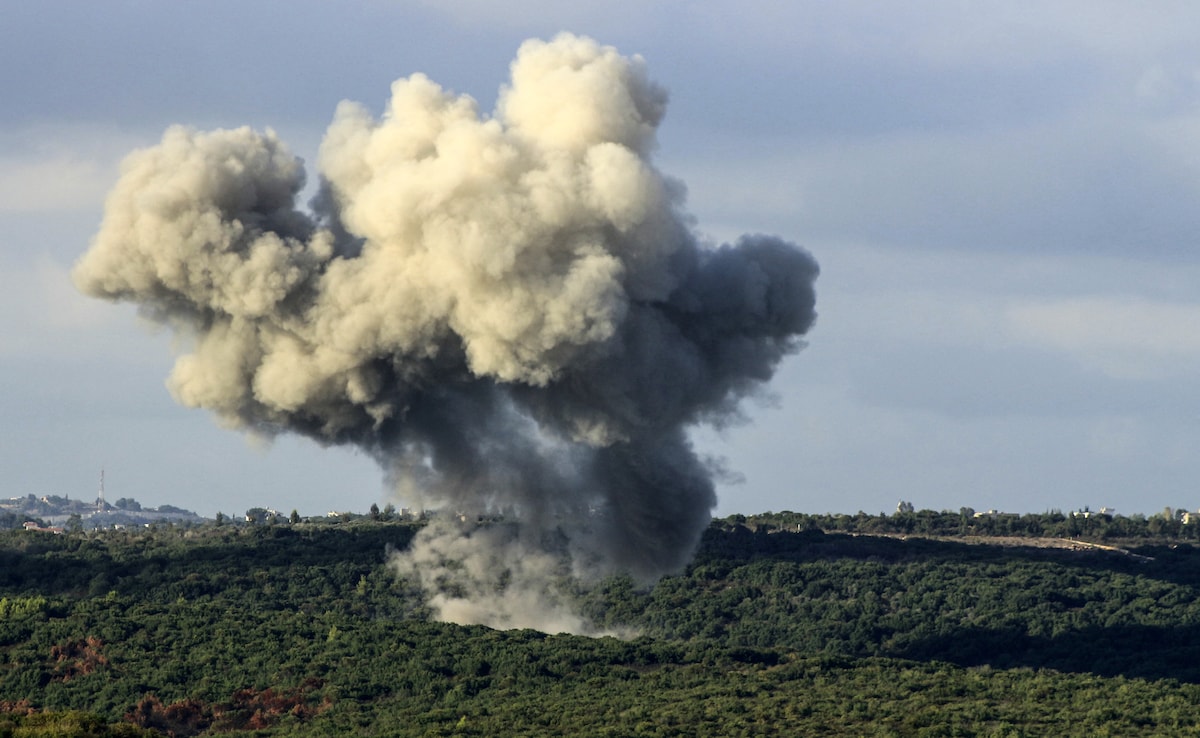
First came Israel’s pager and walkie-talkie attack, an unprecedented assault on Hezbollah’s communications that injured thousands of the organization’s operatives. It was followed by the assassination of Ibrahim Aqil, a key Hezbollah leader, who died in an airstrike that also killed other senior commanders of the militant group, as well as some civilians. Hezbollah responded by extending the geographical range of its rockets fired at Israel, targeting both military facilities and civilian neighbourhoods across northern Israel. Israel then launched a fresh air assault in which more than 270 people were killed, according to Lebanese health authorities, leading also to the flight of thousands of residents from South Lebanon to the north of the country.
As a scholar of Lebanon and Israel, I have followed the dynamics of this war of attrition since Oct. 8, 2023, the day after Hamas executed an unprecedented and deadly attack on Israel, which responded by bombarding the Gaza Strip. Hezbollah then began firing rockets into northern Israel in solidarity with Hamas in Gaza.
Despite the high rhetoric and mutual threats of destruction, until recent days neither Israel nor Hezbollah, nor the latter’s sponsor Iran, have shown an interest in a full-scale war. All parties surely know the likely destructive consequences of such an eventuality for themselves: Israel has the military power to devastate Beirut and other parts of Lebanon as it did in Gaza, while even a weakened Hezbollah could fire thousands of missiles at Israeli strategic sites, from the airport to central Tel Aviv, water supply lines and electricity hubs, and offshore gas rigs.
So instead, they have exchanged fire and blows along their shared boundary, with somewhat agreed-upon red lines concerning the geographical scope of attacks and efforts not to intentionally target civilians.
But Israel’s recent attacks in Lebanon may have turned the page of this war of attrition into a new and far more acute situation, putting the region on the brink of a full war. Such a war would wreak havoc in Lebanon and Israel, and might also drag Iran and the United States into direct confrontation. In doing so, it would also fulfill the apparent of the Hamas gunmen who murdered around 1,200 Israelis on Oct. 7 in the hope that a heavy-handed Israeli response would draw in more groups across the region.
A dangerous ‘new phase’
Hezbollah’s secretary general, Hassan Nasrallah, has insisted throughout the near-yearlong hostilities that his organization would hold its fire only if a cease-fire agreement is reached between Israel and Hamas. In recent weeks, however, Israel has taken the conflict in the opposite direction.
The country’s defense minister, Yoav Gallant, described the coordinated attacks on Hezbolah targets as a “new phase,” adding that the “center of gravity” in the war was moving north into Lebanon. The Israeli government has added the “return of the residents of the north securely to their homes” as an additional war goal.
The assault on Hezbollah’s communications system targeted the organization’s operatives but hit many civilian bystanders, leaving Lebanese in shock, trauma, anger and desperation.
It demonstrated Israel’s tactical military advantage over Hezbollah. The unprecedented penetration into the heart of the organization’s command and rank-and-file structures has never been seen before in any conflict or war globally. It struck Hezbollah in its most vulnerable places and even exposed its coordination with Iran – one of the injured persons from the pager explosions was the Iranian ambassador in Lebanon.
The killing of Akil two days later was another signal that the Israeli government had now decided to try to change the rules of this risky game of reprisals and counter-reprisals. It is clear that rather than the uneasy status quo that defined this war of attrition for nearly a year, Israel’s intent is now to pressure Hezbollah to concede.
Getting out of control
Nasrallah delivered a gloomy and defiant speech in the aftermath of the pager attack. While acknowledging that Hezbollah was severely undermined by this operation, he defined the Israeli attack as a continuation of “multiple other massacres perpetrated by the enemy over decades.”
By doing so, he framed it within a popular historical narrative among many Lebanese and Palestinians who regard Israel as a criminal entity that regularly carries out massacres against innocent civilians.
Nasrallah also insisted that his commitment to supporting Hamas in Gaza remains unwavering.
While stating that Israeli actions have “crossed all red lines” and could amount to a declaration of war, Nasrallah also reiterated a point he had made in previous peaks of this ongoing conflict: that retribution is coming, the only question being of timing and scale. By doing so, Nasrallah hinted that he may still not be interested in a full war.
Israel, on the other hand, appears less circumspect. After almost a full year of contained tension with Hezbollah, Israel’s leaders appear willing to risk an escalation that might get out of control.
It is hard to determine what the strategy behind Israel’s actions is: Since Oct. 7; as the Biden administration has noted, Israel has not displayed a coherent strategy with clear political goals.
Rather, critics of Prime Minister Benjamin Netanyahu suggest that he is mainly motivated by his own political survival and the retention of power as the head of state, tying Israel’s interests to his own.
Uniting the ‘axis of resistance’
So where does this leave Nasrallah as he weighs Hezbollah’s response, surely in consultation with Iran? After such devastating blows to Nasrallah’s organization, it is hard to think that Hezbollah would be willing to scale down, stop its cross-border attacks and retreat away from the Israeli border, or give up its commitment to support Hamas in Gaza.
On the other hand, opting for a full-scale war, after spending a year avoiding it, is fraught with risk – both Nasrallah and his sponsors in Tehran know well the high costs of such a war for Hezbollah, Lebanon and potentially also for Iran.
If Hezbollah went to war now against Israel, it would embark on its most consequential move since its foundation in 1982. But it would do so with crippled communications systems and without much of its leadership – some of whom had worked for decades side by side with Nasrallah, building with him the military capacity of the organization.
In some respects, Israelis under Netanyahu’s leadership, and Lebanese in a country increasingly held hostage by Hezbollah’s interests, face similar predicaments: Their well-being is being sacrificed for other priorities.
Netanayhu’s recent statements about concern for Israeli citizens in the north sound hollow after 11 months of pursuing policies that put them more in danger, as well as opposing a Gaza cease-fire deal that would also end hostilities between Hezbollah and Israel.
In Lebanon, Hezbollah has dragged the country into this war against the will of most Lebanese – a decision that has led to significant devastation in parts of a country already suffering extreme political and economic duress.
Nasrallah’s speech described Hezbollah’s predicament as that of all Lebanon – while sending a veiled threat that dissent would not be tolerated. Many Lebanese are undoubtedly sympathetic to the Palestinian cause and resent Israel’s war in Gaza. But at the same time, they may balk at the idea that their own well-being has to be sacrificed in the process.
In the meantime, Yahya Sinwar, the Hamas leader and mastermind behind the Oct. 7 massacre, may well be looking on at the unfolding events between Israel and Hezbollah with satisfaction. His plan was designed to trigger the unification of all fronts of the so-called “axis of resistance,” which includes the Houthis in Yemen as well as Hezbollah and other Iran-backed groups with the hope for a regional war against Israel.
A year later, we are closer than ever to that scenario.
Editor’s note: This story was updated on Sept. 23, 2024 to include the latest developments in the region.
Asher Kaufman, Professor of History and Peace Studies, University of Notre Dame
This article is republished from The Conversation under a Creative Commons license. Read the original article.
(Except for the headline, this story has not been edited by NDTV staff and is published from a syndicated feed.)