



Hours after Iranian missiles rained down on Israel on October 1, President Joe Biden’s administration sent an urgent message to Israel: Take a breath.
Israel, Washington argued, owned the clock and had time to decide on how to best respond to an Iranian strike that the United States assessed could have killed thousands if Israel, with US military support, hadn’t been able to defeat the attack from its long-time foe.
Such a massive Iranian attack had the potential to trigger a sharp, rapid Israeli response that, weeks before the US presidential election, could push the Middle East closer to an all-out regional conflagration, officials feared.
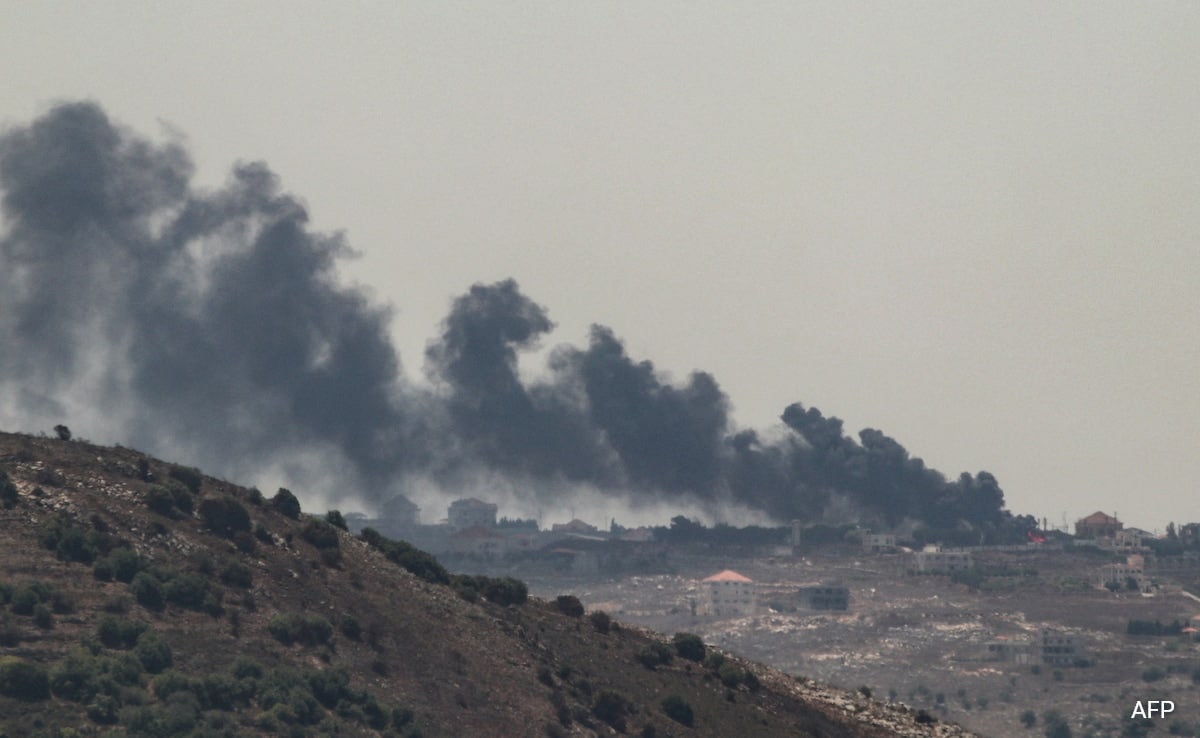
This account from current and former US officials explains how the United States sought to influence Israel during the more than three weeks before its military finally retaliated on Saturday with airstrikes that were far more tailored toward military targets than Washington initially feared.
They destroyed key Iranian air defenses and missile production facilities, weakening Iran’s military. But, importantly, they avoided Iran’s sensitive nuclear sites and energy infrastructure, meeting Biden’s two top demands.
“US pressure was critically important,” said Jonathan Panikoff, a former deputy US national intelligence officer for the Middle East.
“Israeli decision-making would have been far different had the Biden administration not taken measures to push Israel not to strike nuclear or energy sites.”
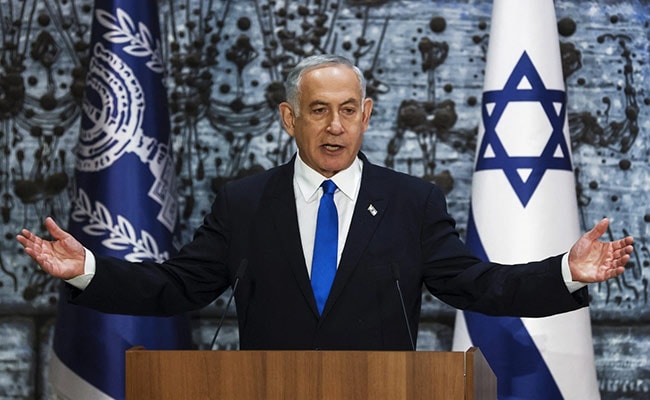
Israeli Prime Minister Benjamin Netanyahu has denied that Israel avoided striking Iranian gas and oil facilities because of US pressure.
“Israel chose in advance the attack targets according to its national interests and not according to American dictates,” he said.
The first move by Biden’s administration was to acknowledge that Iran would have to pay for the October 1 attack, officials say.
“In the hours after that attack, we promised serious consequences for Iran,” according to one senior Biden administration official.
US Defense Secretary Lloyd Austin held around a dozen calls with his Israeli counterpart, Yoav Gallant, since October 1. Austin, a retired four star Army general, and Gallant would discuss the possible response.
“We knew they were getting ready to do something, and he was pushing for it to be proportional,” one US official said of Austin’s conversations with Gallant.
US Secretary of State Antony Blinken, like other senior administration officials, worked the phones, speaking with European and Arab allies in the days after Iran’s October 1 attack, explaining that Israel would have to respond but assuring them that Washington was working to calibrate it.
But what would be a proportional response that could deter another Iranian attack?
Although Iran’s October 1 strike only killed one person, a Palestinian who died from falling debris, many of Iran’s missiles were not intercepted by Israeli or US air defenses.
Jeffrey Lewis, a non-proliferation expert at the Middlebury Institute of International Studies, said that analysis of satellite imagery showed at least 30 impacts at Israel’s Nevatim Airbase alone.
That could suggest that Israel was either trying to conserve dwindling air defenses or simply thought that the hardened facility would be less expensive to repair than to repel each projectile fired by Iran, Lewis said.
“Israel may have decided that the stockpiles were running low or that interceptors were just too expensive to use on ballistic missiles,” Lewis said.
AIR DEFENSES
When the administration first started speaking with the Israelis, among their potential targets were Iran’s nuclear sites and oil sites, one US official said, although underscored that Israel had not definitively decided to go ahead with these targets.
But US officials worked to present an alternative option that included a set of different measures: Washington worked to impose oil sanctions targeting Iran’s so-called “Ghost Fleet” to offer an alternative measure to the Israelis who wanted to damage Iran’s oil revenues with a kinetic strike.
The senior Biden administration official said the United States worked to bolster Israel’s air defenses ahead of its Saturday strike on Iran. That includes a rare US deployment of the Terminal High Altitude Area Defense system, or THAAD, to Israel along with about 100 US soldiers to operate it.
Before deploying the system, the United States wanted to know Israel’s attack plans.
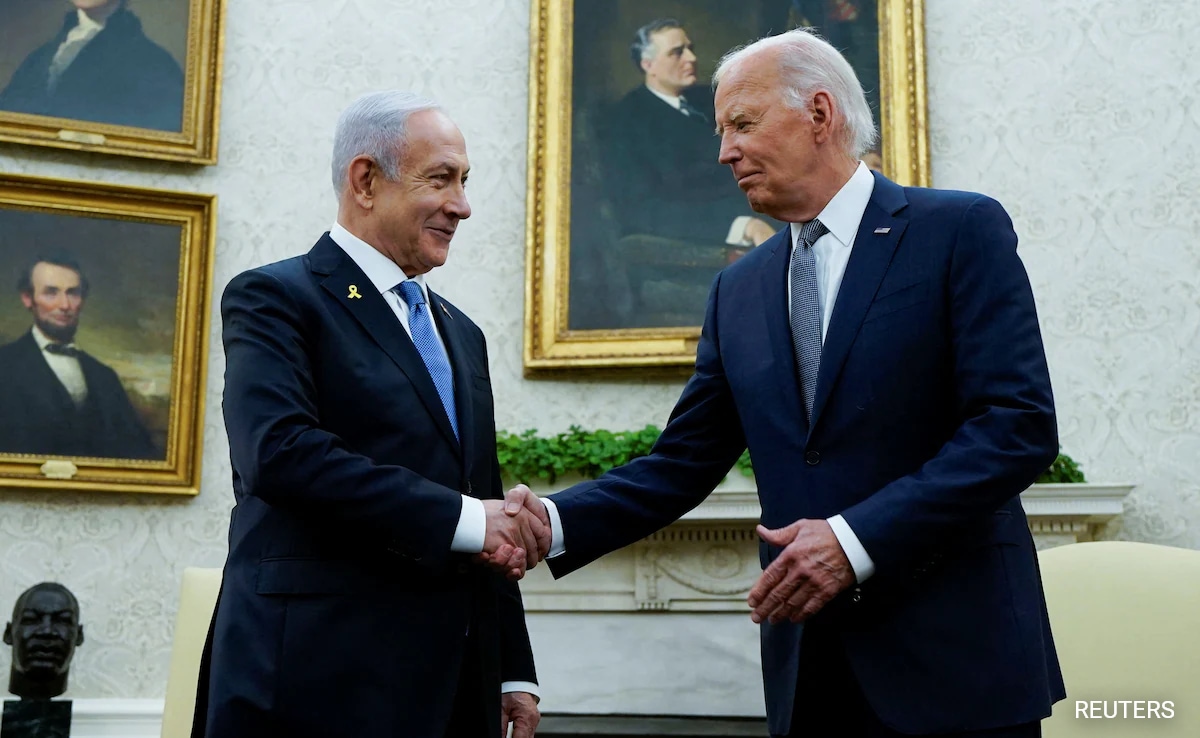
Biden held a call with Netanyahu on October 9, which gave the United States an understanding of what the Israeli response would look like, allowing the THAAD deployment to go forward, officials said.
As Iran warned Israel’s supporters could be targeted in response to any Israeli strike, Gulf states emphasized their neutrality.
Saudi Arabia has been wary of an Iranian strike on its oil facilities since a 2019 attack on its key refinery at Abqaiq briefly shut down more than 5% of global oil supply. Iran denied involvement.
To address Israel’s desire to punish Iran’s oil sector, the Biden administration rolled out sanctions. That included an October 11 expansion of US sanctions against Iran’s petroleum and petrochemical sectors.
Encouraging the European allies to impose penalties on Iran Air, while at the same time deploying the THAAD system as a deterrent and showing the world that US had Israel’s back were other key elements of this “package” of alternative measures.
And this option, the administration argued, would still be a powerful deterrent and effective in imposing costs on Iran without engulfing the region into a wider war Washington believed Israel does not want, officials said.
NUCLEAR NO-GO
In what many experts saw as a message to Iran, the US military also carried out a strike against the Iran-aligned Houthis in Yemen with long-range B-2 stealth bombers.
Austin said at the time the strike was a unique demonstration of the Pentagon’s ability to strike hard-to-reach facilities, “no matter how deeply buried underground, hardened, or fortified.”
As speculation swirled over whether Israel might strike Iran’s nuclear sites, Washington’s message to Israel was that it could count on its help should Tehran ever choose to build a nuclear weapon, something the US intelligence community does not believe it has done yet.
Now was not the time.
“The implication was that if in the long term they want US help to destroy such targets – if a decision is made to do so – they’d have to be more measured this time,” Panikoff said.
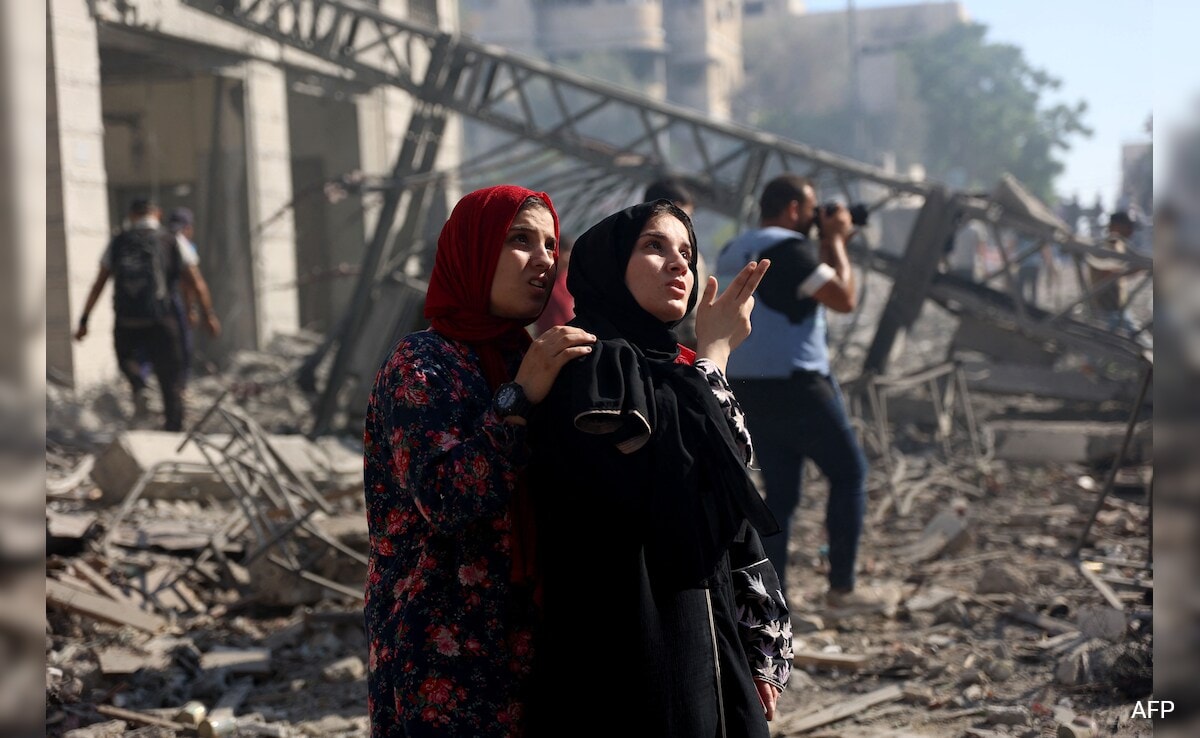
For Blinken, a calibrated Israeli counter-attack against Iran could open the chance for long elusive diplomatic goals in a regional already convulsing from a year-old war in Gaza between Israel and Iran-backed Hamas and an escalating war between Israel and Lebanese Hezbollah, another Iranian ally.
During a trip to the Middle East last week, Blinken told Arab foreign ministers that US discussions with Israel had gotten to a place where Israel will only strike military targets. Iran, in turn, should not do anything else, Blinken said, in a message he hoped would make its way to Tehran.
On Sunday, as the dust settled on the attack, neither side signaled further escalation. Netanyahu said his airstrikes “hit hard” at Iran’s defences and missile production. Iranian Supreme Leader Ayatollah Ali Khamenei said the damage from Saturday’s attack should not be exaggerated.
While it’s impossible to predict whether Israel and Iran will de-escalate, US officials say the Biden administration worked hard to create an opportunity for breaking the unprecedented cycle of direct attacks and counter-attacks that began in April.
“If Iran chooses to respond once again, we will be ready, and there will be consequences for Iran once again. However, we do not want to see that happen,” the senior Biden administration official said.
Biden’s strategy of trying to restrain Israel has its critics, including opposition Republicans in the United States like Mike Turner, a Republican congressman who chairs the House Intelligence Committee.
“They’ve limited the ability for Israel to really impact Iran and its ability to continue to threaten Israel,” Turner told Fox News.
Aaron David Miller, a senior fellow at the Carnegie Endowment for International Peace, said the result of the back-and-forth strikes is, however paradoxically, an expansion of potential risk tolerance in Israel that could further widen if Republican candidate and former US President Donald Trump wins the November 5 presidential election.
“If Trump wins this election, I think that the Israelis will perhaps even look for opportunities in the months ahead, now that they’ve demonstrated that they can get away with dismantling Iran’s air defense systems and essentially doing a good deal of damage,” Miller said.
(Except for the headline, this story has not been edited by NDTV staff and is published from a syndicated feed.)