


Skip to content
  • Facebook
  • X
  • Linkedin
  • WhatsApp
  • Associate Journalism
  • About Us
  • Privacy Policy
  • 033-46046046
  • editor@artifex.news
Artifex.News

Artifex.News

Stay Connected. Stay Informed.

  • Breaking News
  • World
  • Nation
  • Sports
  • Business
  • Science
  • Entertainment
  • Lifestyle
  • Toggle search form
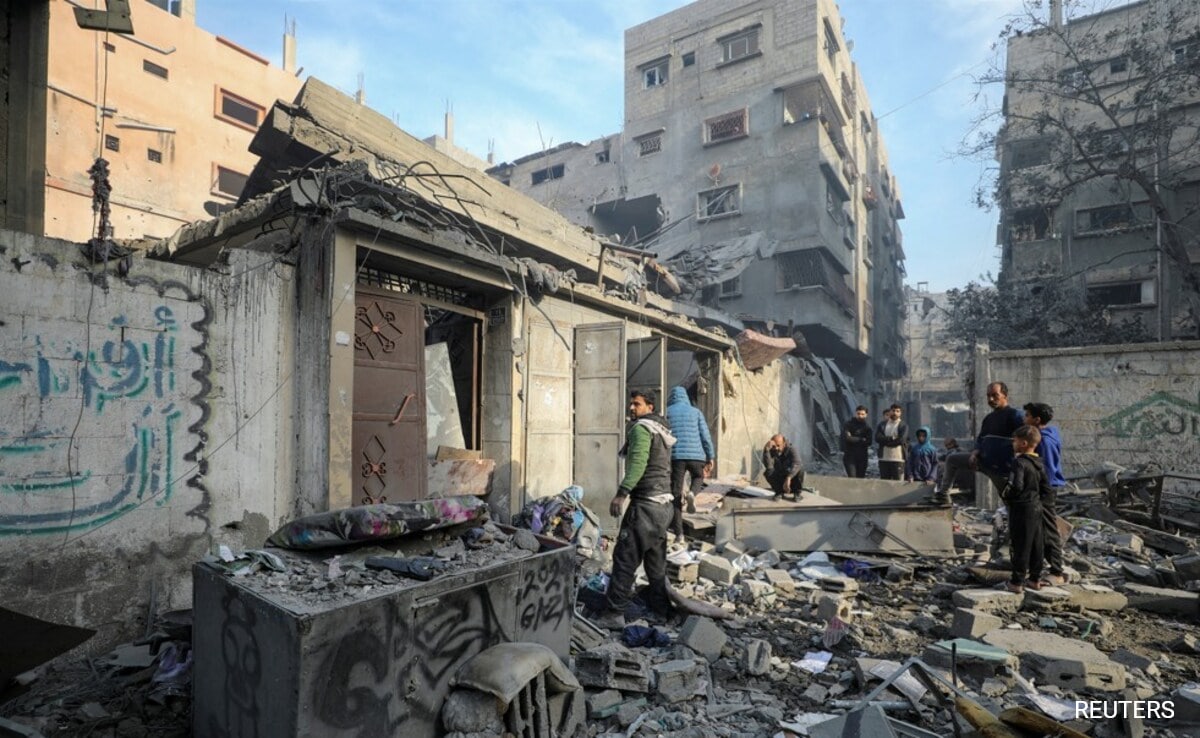
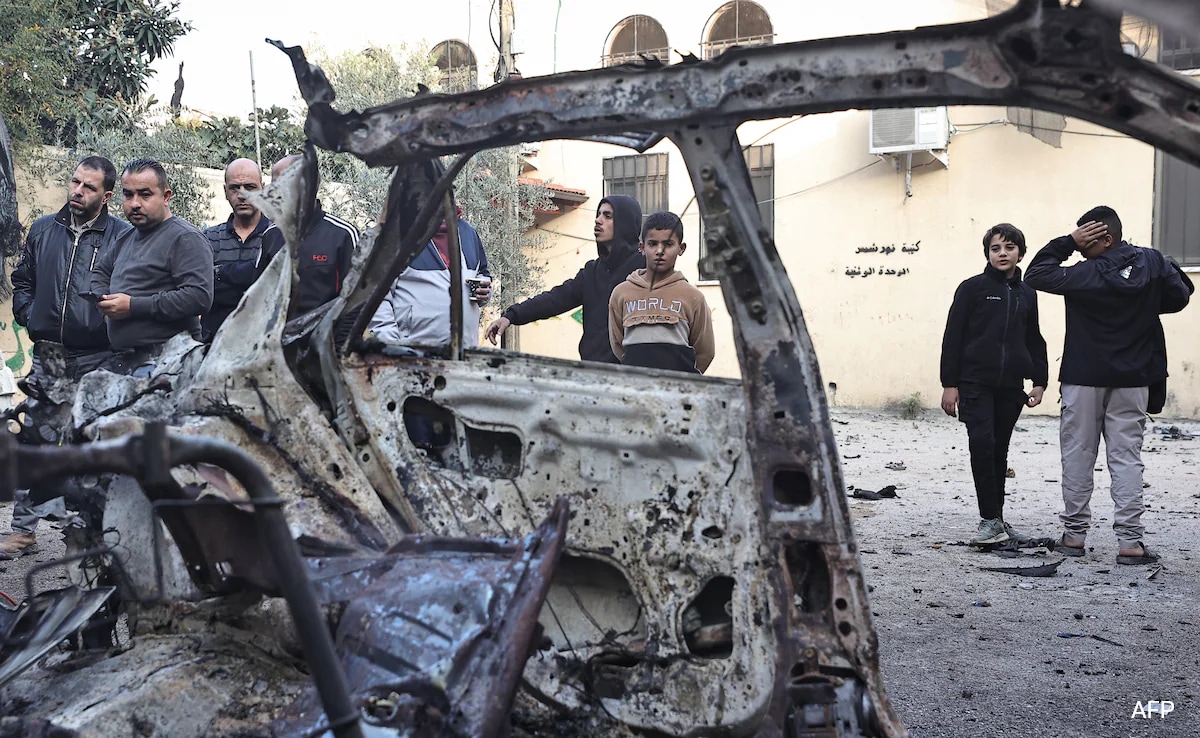
  • Israeli Airstrike Kills 7 Palestinians In West Bank, Says Red Crescent
    Israeli Airstrike Kills 7 Palestinians In West Bank, Says Red Crescent World
  • Azharuddeen to lead South Zone in Duleep Trophy semifinals
    Azharuddeen to lead South Zone in Duleep Trophy semifinals Sports
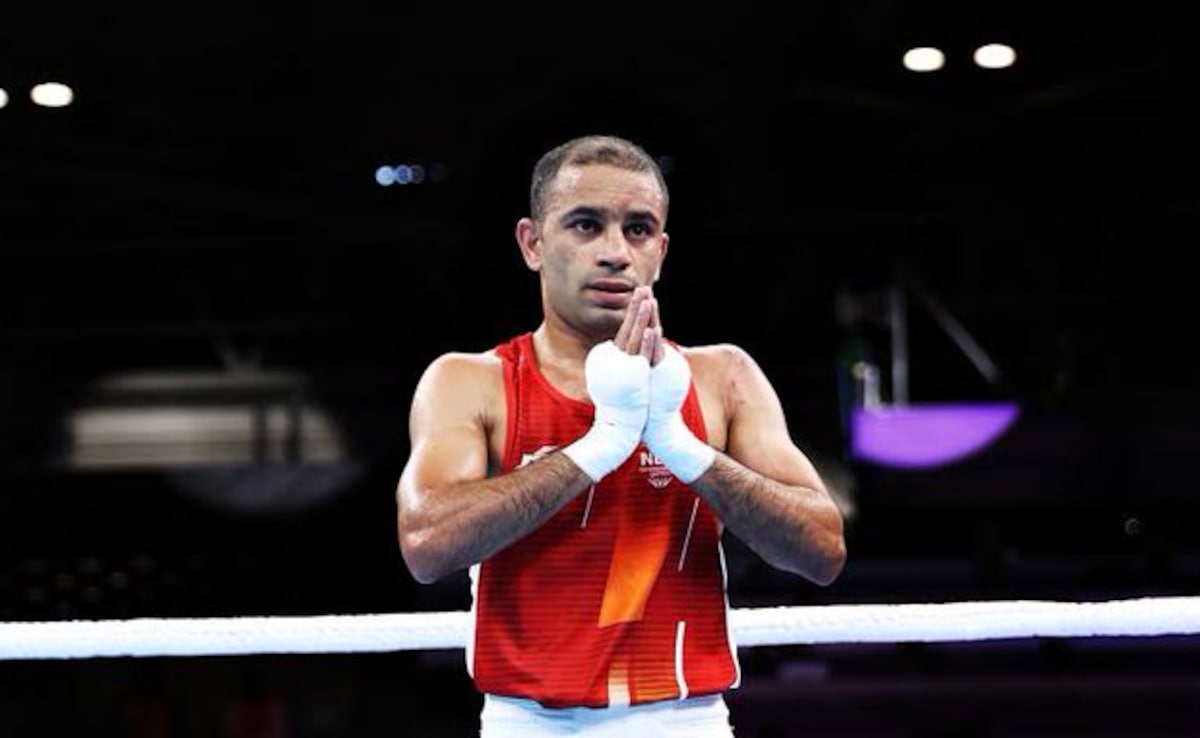
  • World Championship Silver-Medallist Boxer Amit Panghal Turns Professional
    World Championship Silver-Medallist Boxer Amit Panghal Turns Professional Sports
  • Live: SRH Score Fastest Team Fifty In IPL History, Cruise In Chase vs CSK
    Live: SRH Score Fastest Team Fifty In IPL History, Cruise In Chase vs CSK Sports
  • U.S. Senate confirms private astronaut, Musk ally Jared Isaacman as NASA chief
    U.S. Senate confirms private astronaut, Musk ally Jared Isaacman as NASA chief World
  • World Court To Begin Hearings That May Shape Global Climate Litigation
    World Court To Begin Hearings That May Shape Global Climate Litigation World
  • Body Of Missing 22-Year-Old Indian Student Found In Scotland River
    Body Of Missing 22-Year-Old Indian Student Found In Scotland River World
  • BBC “Urgently Looking” Into Issues Raised By Charges Against Russell Brand
    BBC “Urgently Looking” Into Issues Raised By Charges Against Russell Brand World
India’s ‘Neighbourhood First’ policy has largely failed: Roman Gautam

India’s ‘Neighbourhood First’ policy has largely failed: Roman Gautam

Posted on February 12, 2026 By admin


As Bangladesh and Nepal hold crucial elections — on February 12, 2026, and March 5, 2026, respectively — following dramatic youth-led uprisings, the outcomes will be closely watched, for they will not only reshape domestic politics in the two countries but also impact regional dynamics. Speaking to The Hindu, Roman Gautam, Editor of Himal Southasian, reflects on the political churn in the region, India’s role, and the prospects for regional cooperation.


The region has seen three uprisings in recent years — Sri Lanka in 2022, Bangladesh in 2024, and Nepal last year. When you look back, what was most striking? 


The most obvious take away was the depth of discontent that has existed in all of these countries. While some say it is all social media — social media certainly played a significant role — it is the economic drivers that we must pay more attention to.  

In Sri Lanka you had an outright economic crisis that was in many ways more than the political discontent. It was economic desperation that was driving so many people out onto the streets. In Bangladesh, the focus was on the authoritarianism and the brutality of the Sheikh Hasina regime. But if you remember in the lead up to these uprisings in both Bangladesh and Nepal, cost of living was a big question that kept coming up. 

The fixation on politics in the near-term is because it is easier to make sense of, especially when there is an election. The economic dynamics evolve over a longer term. The frustration with corruption was such a universal theme. 

In Sri Lanka, the presidential and general elections were held [after the uprising] and we saw a pretty thorough sweeping out of the old political order and the first real opportunity at governance for the JVP [Janatha Vimukthi Peramuna]. I remember conversations back home in Kathmandu, where when [the uprisings in] Sri Lanka and then Bangladesh happened, on a few occasions I heard people saying “we have the same problems, our turn will come too”, and it did, very shockingly and violently. 


Both Bangladesh and Nepal are going to the polls. What does the political landscape look like now? 


With the elections, it is now the consolidation phase. The question is how much of an overhaul are we likely to see. In Bangladesh, was the uprising against the entire old order or much more against the Awami League? The BNP [Bangladesh Nationalist Party] is the front runner, the favourite in the election right now, which is not a complete root-and-stem overhaul of the system. The BNP has its own, very problematic history. The BNP’s record shows many of the same sins that the Awami League was castigated for. 

The big question in Bangladesh now is what is the BNP? With Khaleda Zia’s passing, there is a generational shift and [emerging] dynamics within the party, including over exactly how the new leadership takes shape. So what kind of BNP are we likely to get and what is the BNP now going to stand for? 

There are fears within Bangladesh of a return to some of the old ways. The security apparatus that Hasina inherited and built up remains largely intact. The students-led party [National Citizen Party], born out of the July revolution, has tied up with the Jamaat [Jamaat-e-Islami], which some people saw coming, but a lot of people were surprised and shocked. Women leaders, who were at the forefront of the July revolution, are asking if this party is really going to represent the spirit of what they came out onto the streets for. The Jamaat is making statements that it will not throttle women’s rights. Given its record, that needs to be taken with a big grain of salt. 


What about Nepal? The old actors are still in the fray, isn’t it? 


In Nepal, it is that process of reconsolidation. It is fair to predict that the old parties, the traditional three for us in recent times, the Nepali Congress, the UML [Communist Party of Nepal (Unified Marxist–Leninist)], and also the Maoists, will take a beating at the polls. 

Even within each of those parties, there has been a process of trying to reinvent themselves, certainly within the UML and the Congress. Voters are trying to understand what kind of party each of them will emerge as. 

The frustration and the memory of the revolt remain very fresh. We have seen some consolidation among the newer political forces. Especially now, the two newer faces of Nepali politics, Rabi Lamichhane and Balen Shah, have come together under a single party structure. That in itself has its own contradictions and clashes, and we will have to wait and see how long it lasts. There is a very good chance that we see a very scattered mandate in Nepal. Compared to Sri Lanka or Bangladesh, Nepal is more unpredictable because of the sheer number of little parties. 

India is avowedly pursuing a ‘Neighbourhood First’ policy. How would you evaluate that? 


A realistic assessment of ‘Neighbourhood First’ from the time the slogan was launched is that it has been little more than a slogan. Whatever efforts there have been out of New Delhi, they have largely failed because overall New Delhi’s relationships and ties with its neighbours are not better than they were back then [2014]. In many cases, they are severely worse. Bangladesh is a stark example. Anti-India sentiment has become an increasing part of the political landscape in the Maldives and in Nepal. 

There is a process underway of the subordination of New Delhi’s regional interests to the domestic needs of the BJP [Bharatiya Janata Party], rather than the bilateral interests or regional interests. For New Delhi, the greater metric of success right now is perhaps whether the complexities of the region can be saffronised in a way that becomes palatable to the domestic audience. The BJP does have a lot of domestic electoral and political gain to harvest from pushing this narrative on Bangladesh, as much as that narrative is deeply injurious to Bangladesh-India ties. 

The amount of damage that does to India’s standing and goodwill towards India cannot be overstated. Indian aid in the wake of the economic crisis or the natural disaster in Sri Lanka, for instance, is enormously to India’s credit. In Nepal, too, we are in India’s debt after the earthquake. And yet you have all these positives in the balance sheet, and you have this massive negative that very often wipes out a lot of the positives. We must also ask where is India trading the most? India’s biggest trade partner in terms of materials being imported is China and yet you have New Delhi coming to Kathmandu or Dhaka and putting pressure on the governments there to throttle trade with China. The hypocrisy of that is noticed and known, and it counts as a massive negative in that balance sheet of bilateral and multilateral regional ties with India.  


Where does that leave regional cooperation? 


Things are in many ways quite bleak politically for any kind of South Asian regionalism. That is not the ultimate goal to pursue. The ultimate goal for each of our countries to pursue independently is the well-being of their own citizens. The logical course of that will lead to and will pass through greater regional integration simply because of the economic logic. With that frame in mind, it is tragic the way that politics is standing in the way of that. For all its regional and global ambitions, India is not taking a hard enough look at the extent to which its domestic politics is poisoning the well regionally and beyond. 


Source link

World Tags:bangladesh election, Editor of Himal Southasian, India’s ‘Neighbourhood First’ policy, Nepal Election, Roman Gautam

Post navigation

Previous Post: Access Denied
Next Post: Access Denied

Related Posts

  • Hamas Will Attack Us Again If We End War Now, Says Israeli PM Netanyahu
    Hamas Will Attack Us Again If We End War Now, Says Israeli PM Netanyahu World
  • Access Denied World
  • First Aid Delivery In Gaza To Begin “The Next Day Or So”: UN
    First Aid Delivery In Gaza To Begin “The Next Day Or So”: UN World
  • Prematurely released online, U.K. Budget increases child welfare allowance, taxes
    Prematurely released online, U.K. Budget increases child welfare allowance, taxes World
  • Journalists turn in access badges, exit Pentagon rather than agree to new reporting rules
    Journalists turn in access badges, exit Pentagon rather than agree to new reporting rules World
  • Egypt, U.S. agree to send aid through Israel’s Kerem Shalom until Rafah crossing reopens
    Egypt, U.S. agree to send aid through Israel’s Kerem Shalom until Rafah crossing reopens World

More Related Articles

9 Dead And Many Buildings Torched As Fresh Unrest Erupts In New Caledonia 9 Dead And Many Buildings Torched As Fresh Unrest Erupts In New Caledonia World
Why rate cuts by the U.S. Federal Reserve matter to world markets Why rate cuts by the U.S. Federal Reserve matter to world markets World
Pakistan’s military says its forces killed 30 militants involved in an attack that killed 11 soldiers Pakistan’s military says its forces killed 30 militants involved in an attack that killed 11 soldiers World
Israeli Strikes Kill Nine People In Gaza As Truce Talks Resume In Qatar Israeli Strikes Kill Nine People In Gaza As Truce Talks Resume In Qatar World
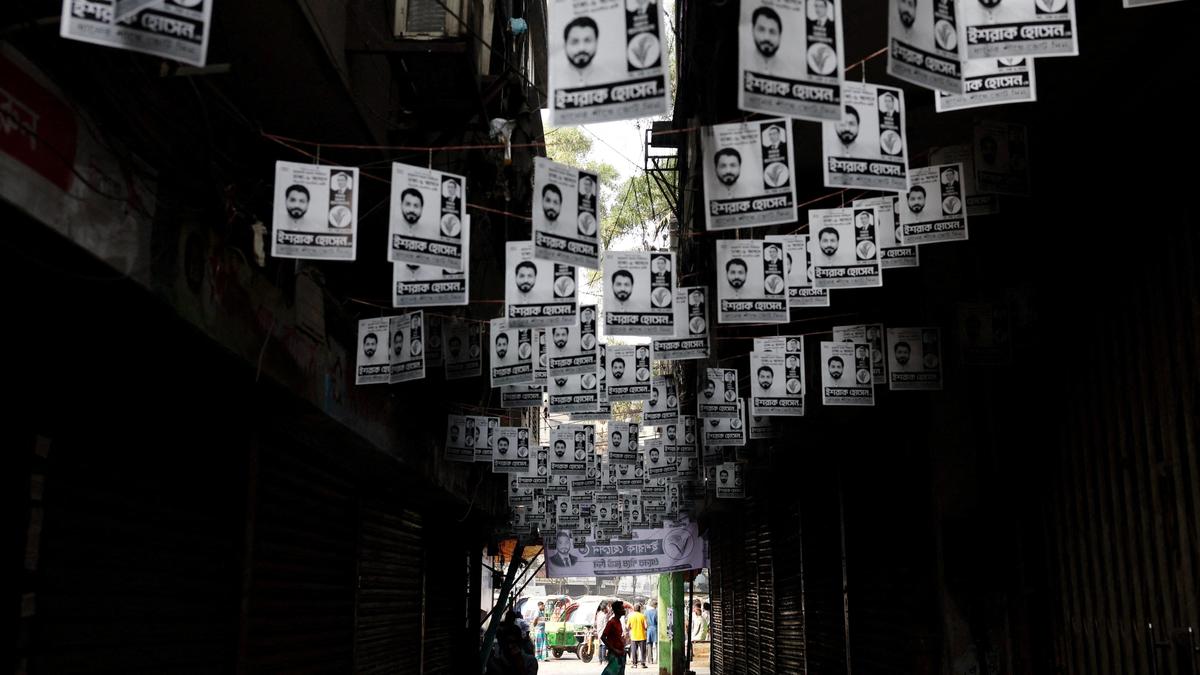
Elections in Bangladesh: looking towards the future | Explained Elections in Bangladesh: looking towards the future | Explained World
No ‘median line’ in Taiwan Strait: China asserts after sending 103 warplanes around Taiwan No ‘median line’ in Taiwan Strait: China asserts after sending 103 warplanes around Taiwan World
SiteLock

Archives

  • February 2026
  • January 2026
  • December 2025
  • November 2025
  • October 2025
  • September 2025
  • August 2025
  • July 2025
  • June 2025
  • May 2025
  • April 2025
  • March 2025
  • February 2025
  • January 2025
  • December 2024
  • November 2024
  • October 2024
  • September 2024
  • August 2024
  • July 2024
  • June 2024
  • May 2024
  • April 2024
  • March 2024
  • February 2024
  • January 2024
  • December 2023
  • November 2023
  • October 2023
  • September 2023
  • August 2023
  • July 2023
  • June 2023
  • May 2023
  • April 2023
  • March 2023
  • February 2023
  • January 2023
  • December 2022
  • November 2022
  • October 2022
  • September 2022
  • August 2022
  • July 2022
  • June 2022
  • May 2022

Categories

  • Business
  • Nation
  • Science
  • Sports
  • World

Recent Posts

  • 3 killed, including suspect, in shooting at hockey rink in U.S.’s Rhode Island
  • Access Denied
  • Obama shuts down alien buzz and says there’s no evidence they’ve made contact
  • Bangladesh no longer a ‘submissive country’: Yunus in farewell address
  • Access Denied

Recent Comments

  1. Willardgoosy on UP Teacher Who Asked Students To Slap Muslim Classmate
  2. MichealMiz on UP Teacher Who Asked Students To Slap Muslim Classmate
  3. MichealMiz on UP Teacher Who Asked Students To Slap Muslim Classmate
  4. Alfreddrump on UP Teacher Who Asked Students To Slap Muslim Classmate
  5. BrandonVop on UP Teacher Who Asked Students To Slap Muslim Classmate
  • Access Denied Business
  • Sri Lanka’s Dhananjaya De Silva And Kamindu Mendis Defy England In Third Test
    Sri Lanka’s Dhananjaya De Silva And Kamindu Mendis Defy England In Third Test Sports
  • Access Denied
    Access Denied Nation
  • 4,6,4,6,6,4 – KKR Star Sets T20 World Cup Super 8 On Fire With Explosive Batting
    4,6,4,6,6,4 – KKR Star Sets T20 World Cup Super 8 On Fire With Explosive Batting Sports
  • 6 Bodies Found Days After Family Taken Hostage By Suspected Kuki Militants From Manipur’s Jiribam, Say Sources
    6 Bodies Found Days After Family Taken Hostage By Suspected Kuki Militants From Manipur’s Jiribam, Say Sources Nation
  • Religiophobia against Hinduism, Sikhism must also be acknowledged: India abstains in UNGA on Pakistan’s resolution on Islamophobia
    Religiophobia against Hinduism, Sikhism must also be acknowledged: India abstains in UNGA on Pakistan’s resolution on Islamophobia Nation
  • Bank of India raises ₹2,690 crore through Infra Bonds
    Bank of India raises ₹2,690 crore through Infra Bonds Business
  • Fiscal discipline improved ‘progressively’; States having better tax positions: CEA in Economic Survey
    Fiscal discipline improved ‘progressively’; States having better tax positions: CEA in Economic Survey Business

Editor-in-Chief:
Mohammad Ariff,
MSW, MAJMC, BSW, DTL, CTS, CNM, CCR, CAL, RSL, ASOC.
editor@artifex.news

Associate Editors:
1. Zenellis R. Tuba,
zenelis@artifex.news
2. Haris Daniyel
daniyel@artifex.news

Photograher:
Rohan Das
rohan@artifex.news

Artifex.News offers Online Paid Internships to college students from India and Abroad. Interns will get a PRESS CARD and other online offers.
Send your CV (Subjectline: Paid Internship) to internship@artifex.news

Links:
Associate Journalism
About Us
Privacy Policy

News Links:
Breaking News
World
Nation
Sports
Business
Entertainment
Lifestyle

Registered Office:
72/A, Elliot Road, Kolkata - 700016
Tel: 033-22277777, 033-22172217
Email: office@artifex.news

Editorial Office / News Desk:
No. 13, Mezzanine Floor, Esplanade Metro Rail Station,
12 J. L. Nehru Road, Kolkata - 700069.
(Entry from Gate No. 5)
Tel: 033-46011099, 033-46046046
Email: editor@artifex.news

Copyright © 2023 Artifex.News Newsportal designed by Artifex Infotech.