



The Greenland shark can live up to 500 years. The kind of longevity that probably has something to do with its home: cold, dark depths of the North Atlantic Ocean and Arctic Ocean. Scientists have been studying the sharks’ biology — from its slow metabolism to cellular repair — to find answers for healthy ageing in humans.
Humans, meanwhile, navigate infectious bacteria and parasites, chaos, greed and grief. At a time when most of us feel powerless over world events, emergent from the pandemic with broken dreams and spirits, the Silicon Valley biosciences and tech elite of Silicon Valley are attempting the ultimate form of control: over our mortality and the body’s decay.
Then there is longevity that looks effortless even in bad air — inside a Mumbai park with unruly grass. Reporting on new directions in geroscience and longevity over the past couple of years, I’ve met two sanguine centenarians. K.M. Mathappan, 101, who lives with his daughter Mary Mathappan, 54, a finance professional. And his neighbour and friend, Antony J. Mundane, 104, who lives nearby with his son. Both centenarians grew up in rural Kerala. They are well-cared-for, and are regulars at a 7am laughter club at their neighbourhood park. I first met Mathappan one such boisterous Mumbai-winter morning at the laughter club. In his 100th year, Mathappan, a former real-estate lawyer and active contributor to his church’s community work, adducted with surprising ease, and smiled his way through a gentle exercise routine.
Centenarian K.M. Muthappan.
| Photo Credit:
Courtesy Sanjukta Sharma
Further still from the Greenland shark’s safe abyss, and centenarians in busy cities, thriving despite air pollution and ageist mindsets, are the new imaginations and breakthroughs in longevity science — on magnificent display at the 2025 Global Wellness Summit (GWS) in Dubai.

The science behind longevity
Themed ‘Longevity Through a Wellness Lens’, the conference in November was a feast of ideas and inventions — some real and effective, some wild even to the pathological optimist. The GWS is hosted annually by the Global Wellness Institute (GWI), a New York-based non-profit. At the summit, the GWI released the Global Economy Monitor, which estimated the global wellness industry at $6.8 trillion in 2024 (for India, it was $156 billion). The study projects it to grow by 7.6% annually over the next five years, reaching an estimated $9.8 trillion in 2029.
As a media delegate attending the five-day summit, by the end of Day 1, it was obvious to me that longevity wellness is more than tech billionaire Bryan Johnson urging us “not to die”, or making biohacking a performative spectacle like he does.
Biohacking is any incremental change to a human being’s body, diet, and lifestyle to improve their health and well-being, and is a cornerstone of longevity science. Often, illness and tragedy force us to biohack — it’s just that we have a name for it now. Nine years ago, after a dire cancer diagnosis, two surgeries and chemo-misery as primary treatment, longevity had a very different meaning for me. How best to bring my body and mind back to normal, avoid hospitals, and keep that recurrence at bay — I embraced biohacking purposefully. It meant a new lifestyle and new ways of feeding and nurturing myself. It eventually led me to start The Slow Fix, an IP for a knowledge and awareness platform for preventive health and mindful living. Immersing myself in the world of longevity as a journalist and cancer survivor has been a way to understand my journey overcoming what’s possibly the worst the human body can be subjected to — when cells in your own body go rogue.
But this new world of longevity also makes me question why the entire focus is on how to live up to 100 and beyond — the promise and celebratory lens on the future — and not even a little on how well the ill and the terminally ill can live, for however long that is possible. Palliative longevity, I call it.

Looking for a fix
Today, everything that has a promise to upgrade your body, mind or spirit in some way is a longevity solution — even if that means the lines between hope, belief and scientific data blur. At the Dubai summit, when “the father of biohacking” Dave Asprey presented his life story of healing and age-reversal using everything from meditation to wearables and supplements, the thought that popped in my head was: That face isn’t botoxed? The 52-year-old author (Heavily Meditated, 2025) even displayed his washboard abs as proof of biohacking success.
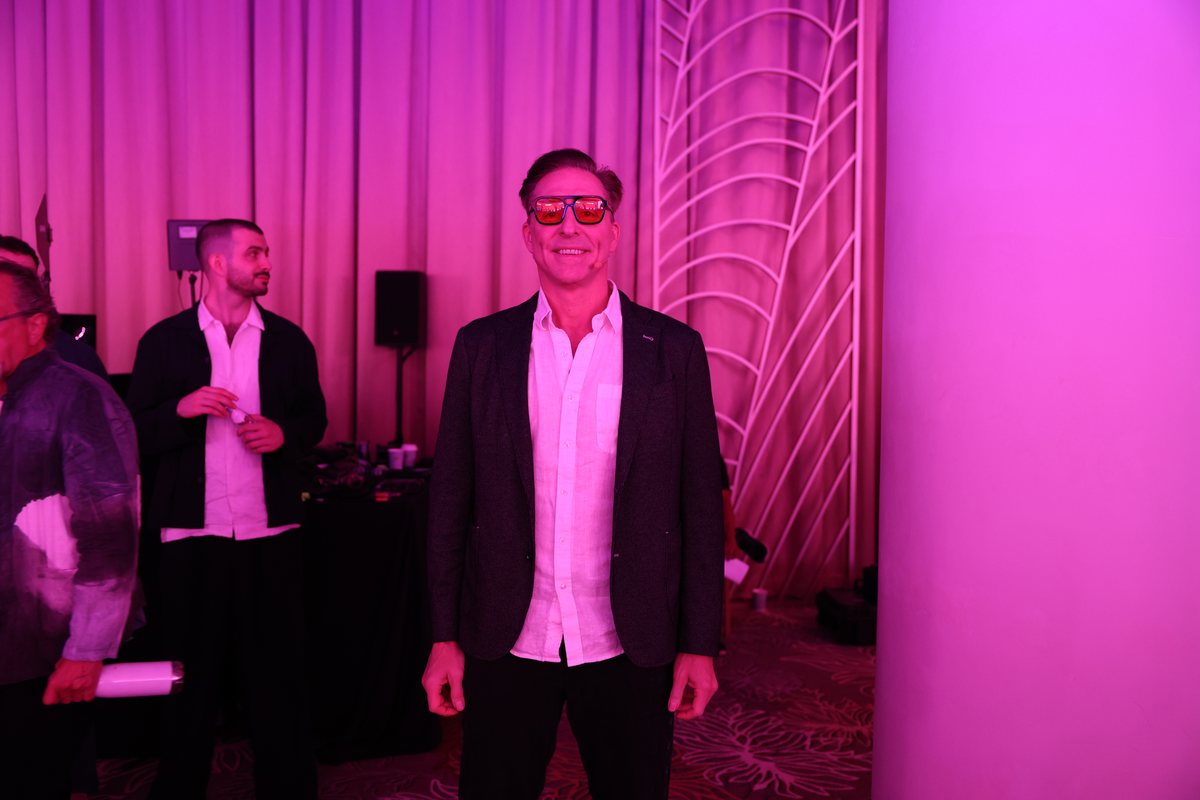
‘Father of biohacking’ Dave Asprey at the Global Wellness Summit, Dubai, in November 2025.
| Photo Credit:
Courtesy Global Wellness Summit 2025
Elsewhere at GWS, there were instances of Artificial Intelligence (AI) diagnostics urging humans to pay heed to what their liver is telling them, mood-elevating longevity skincare, and multi-sensory wellness architecture. The brain solutions were particularly fascinating — and movie-like. Sat Randhawa, founder-CEO of One Hype, a brain-mapping technology company, guided me through a wearable they have developed: The Brain X360. A helmet with octopus-like tentacles, it can tell you how tired or aged or foggy your brain is, and then proceed to offer interventions and treatment strategies. “Imagine this being connected to your device, and when your brain is tired, automatically blurring your screen so you stop looking and scrolling,” Randhawa told me. Do we need to wear a helmet to tell us when to put a stop to the brain rot?
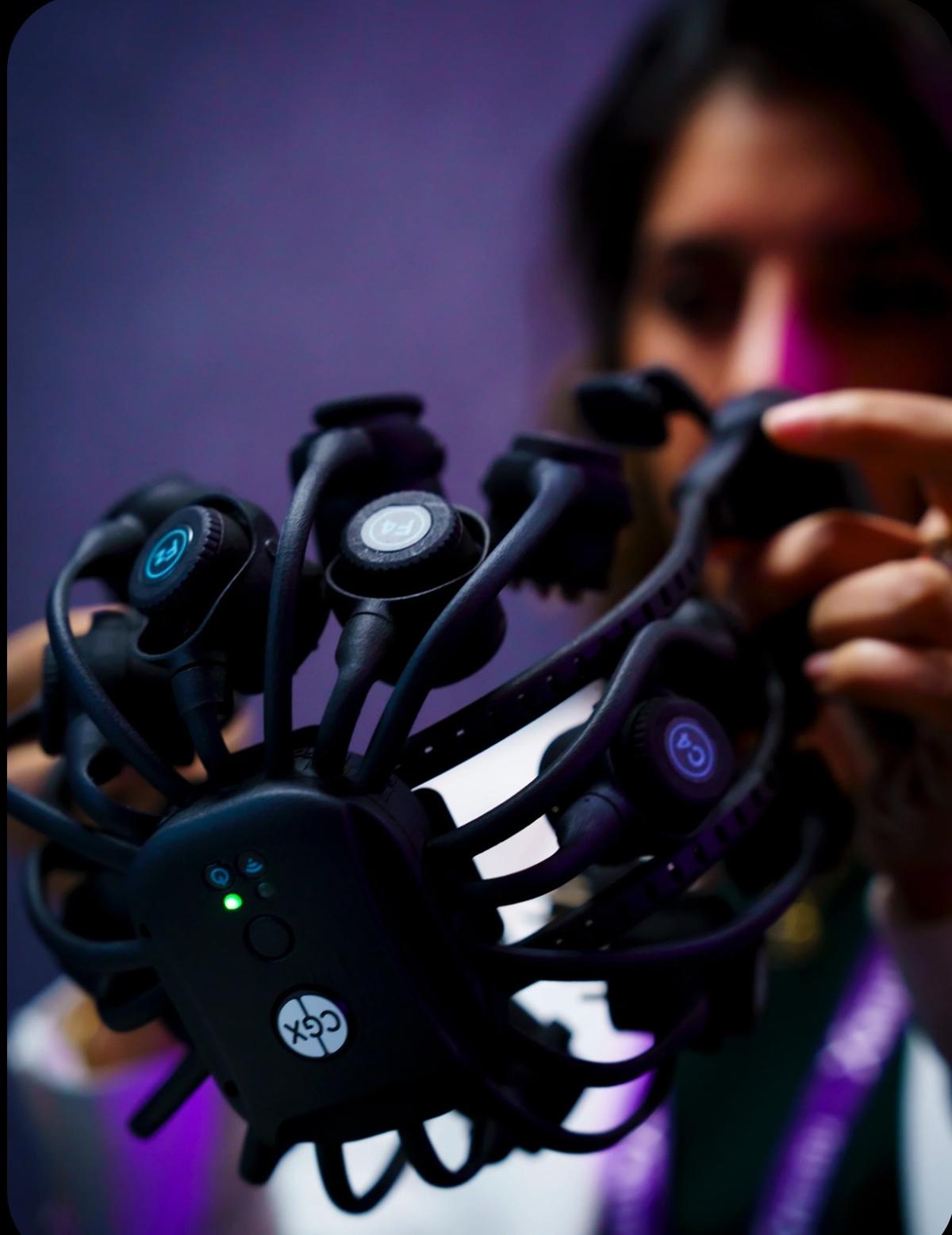
The Brain X360 developed by One Hype.
| Photo Credit:
Courtesy Global Wellness Summit 2025
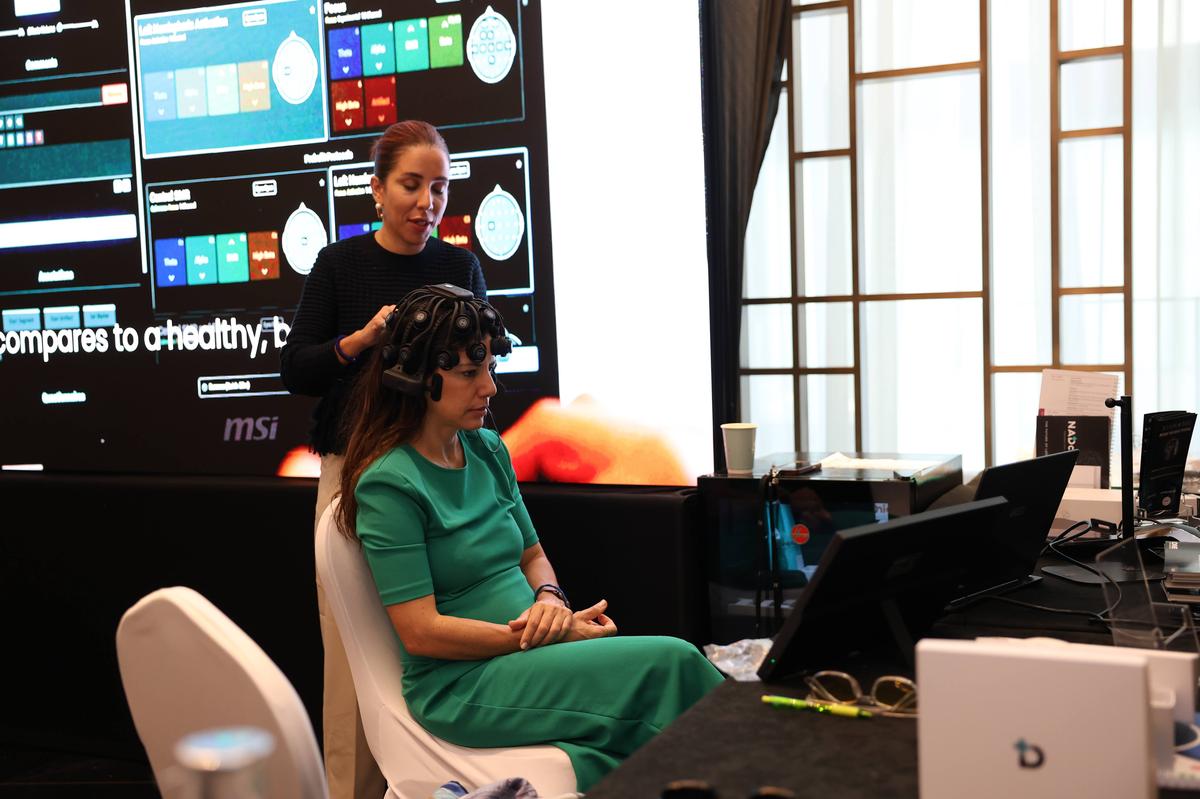
The Brain X360 is a helmet with octopus-like tentacles that maps how tired or foggy your brain is.
| Photo Credit:
Courtesy Global Wellness Summit 2025
I tried the breath-analysis metabolic test by the Greek company PNOĒ — it analyses 23 biomarkers through breath — with “clinical-grade precision,” say the company representatives. You breathe normally with a scuba-diving kind of gear over your nose and mouth, and a few days later, you get a report in your inbox laying out your metabolic blueprint. I received mine, seemingly with no exceptional findings. I have no idea though who can interpret the finer points of that report and suggest remedies for what’s not optimal.

A breath-analysis metabolic test by the Greek company PNOĒ.
| Photo Credit:
Courtesy Sanjukta Sharma
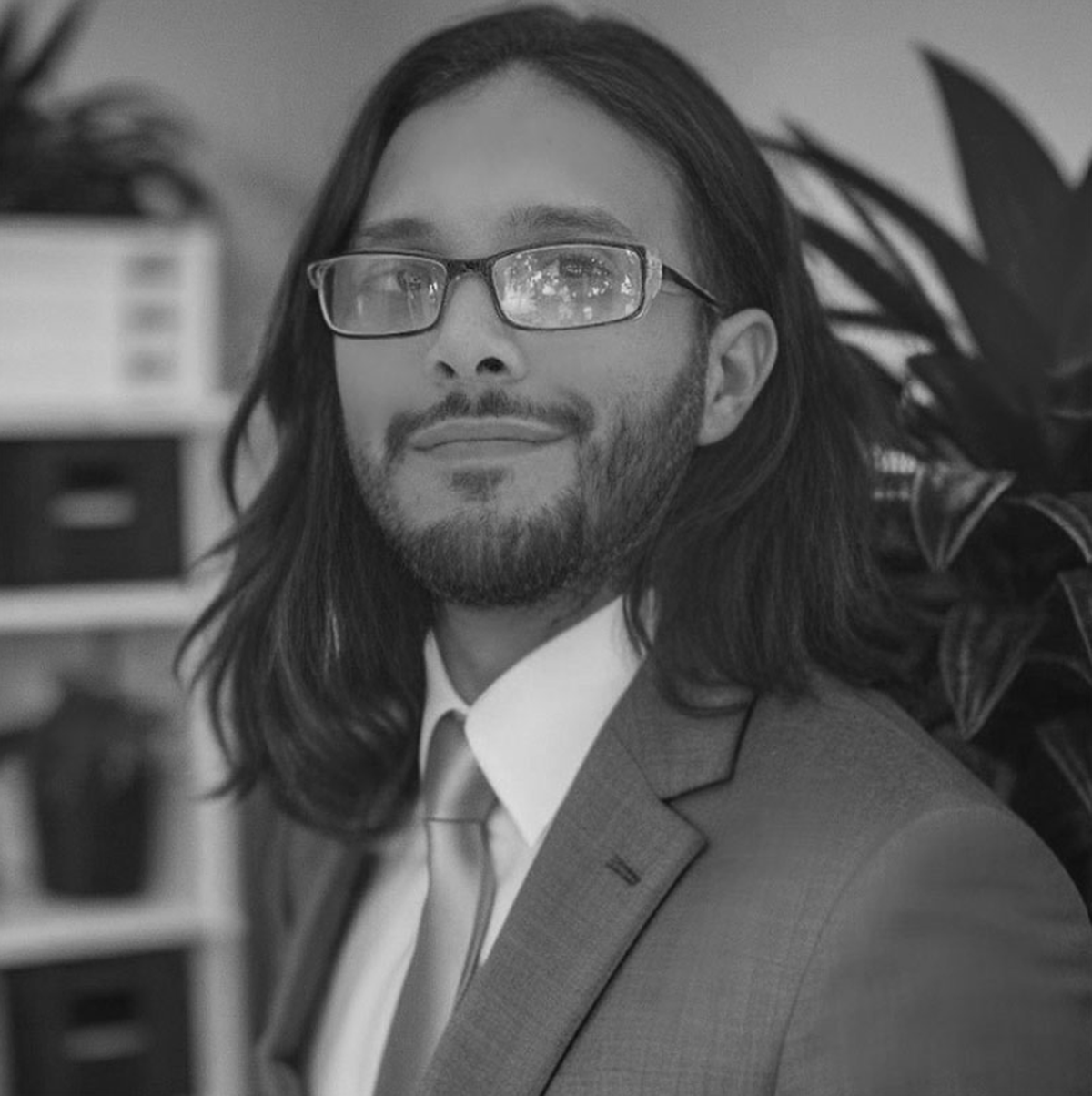
Harvard neuroscientist Ari Peralta.
| Photo Credit:
Courtesy Global Wellness Summit 2025
At the same event, experts in neuroaesthetics, the science of what happens to our brain when we experience art and beauty, shared insights on the power of optimising sensory stimulus. Ari Peralta, a neuroscientist from Harvard who is known for his expertise on multi-sensory design, told me over a hummus-abundant lunch, “Our body receives about 11 million signals every second, and the senses are responsible for transforming that information into valuable insights in the brain, shaping our experiences and emotions.”
Enter the blue zones
Longevity evangelists want us to live longer, beyond 80 or 100 (lifespan). And live well (healthspan). We see grandparents resigned to live in their 70s, 80s or 90s without work, with diabetes and bad knees, waiting for death. Longevity efforts want to change that narrative. Imagine 80-year-olds earning money, contributing to society, and effortlessly walking their pets.

This is not a far-fetched idea, for there are geographic areas with lower rates of chronic diseases and longer life expectancy. These are called blue zones, which are expanding around the world. Besides the original five in Dan Buettner’s book Blue Zones (2012) — Okinawa (Japan), Sardinia (Italy), Nicoya (Costa Rica), Ikaria (Greece) and Loma Linda (California) — Singapore is now considered one, and Oulu (Finland), expected to be one soon. Mathappan’s Kerala is often considered the Indian Blue Zone due to better health and education infrastructure, but because accurate data related to birth and age in large swathes of Indian population are unavailable, categorising a Blue Zone poses unique challenges in India.
Indian marketing-research firm Data Bridge brought out one of the first studies on the longevity economy in the middle of the pandemic in 2020 — estimating it at $15 trillion, projected to grow to $27 trillion by 2030. In India, one of the definitive studies came out in May 2025. “Longevity: A New Way of Understanding Ageing” by Rohini Nilekani Philanthropies, Dalberg and Ashoka, concludes that by 2067, India will have the largest population of older adults in the world. This report calls for a shift in how we think about growing old. Swetha Totapally, study co-author and regional director for Dalberg Asia-Pacific, says, there’s a false perception that “ageing is something we can just deal with later after we’ve gotten richer as a nation.”
Turning back time
Every nation, culture and society, and their epics and mythologies have had something to say about immortality — chiranjeevis like Hanuman in the Ramayana, for example. But as a scientific or self-improvement movement, the pandemic catapulted the names of two bio-scientists and efforts in biosciences into what we now know as the longevity movement. Latvia-born, Massachusetts-based Alex Zhavoronkov and Evelyn Bischof, who lives between Israel, China and Switzerland, are credited to be pioneers, based on their research on how data and AI can increase lifespan and quality of life. Then came the GLP-1 category of drugs, hyped like a moonshot. The repurposed diabetes drug is being used for genuine metabolic disorders and clinical obesity, and also as a pre-wedding quick-fix to look thin. Doctors and pharmaceuticals are promising miracles with this drug, including healthspan extension.
A longevity movement makes sense at this moment because of population sciences: Everywhere in the world, birth rates are falling and lifespans are increasing. Several studies and reports by the UN and the World Health Organization project that the number of people aged 60 and over globally will nearly double to approximately 2.1 billion by 2050. At the same time, birth rates are falling dramatically. In India, Tamil Nadu, Kerala, and Delhi are seeing birth-rate drops at nearly double the national rate, according to the latest Sample Registration System (SRS) data. Tamil Nadu’s decline (2.35% annually) is steeper than the national average.

So, we are certainly moving to a world that will have less youthful curiosity than ever in human history. People above 60 will be a significant demographic. So, How do cultures and nations remain active, productive and happy?
The tough Indian market
Some of the biggest hurdles to achieving aspirational healthspan present themselves in India. The most expansive longevity project in India so far is Longevity India, a multi-disciplinary initiative by The Indian Institute of Science (IISc) which introduced its flagship project, the BHARAT Study, in 2024. Dr Deepak Saini, Longevity India convener, says, “The study is not for the affluent, it is for everyone. However, as always, when the impact occurs, the affluent will have access earlier because it’s the scale that makes things democratically accessible. Once the technical challenges are ironed out and the affluent ones ‘show’ that the approach works, it will become accessible to the masses. Just like the cell phone revolution.” Saini says the need is “India-specific science”: building biomarkers, risk scores and health status indicators and care pathways from and for Indian cohorts instead of importing cut-offs and algorithms for high-income Caucasian populations.
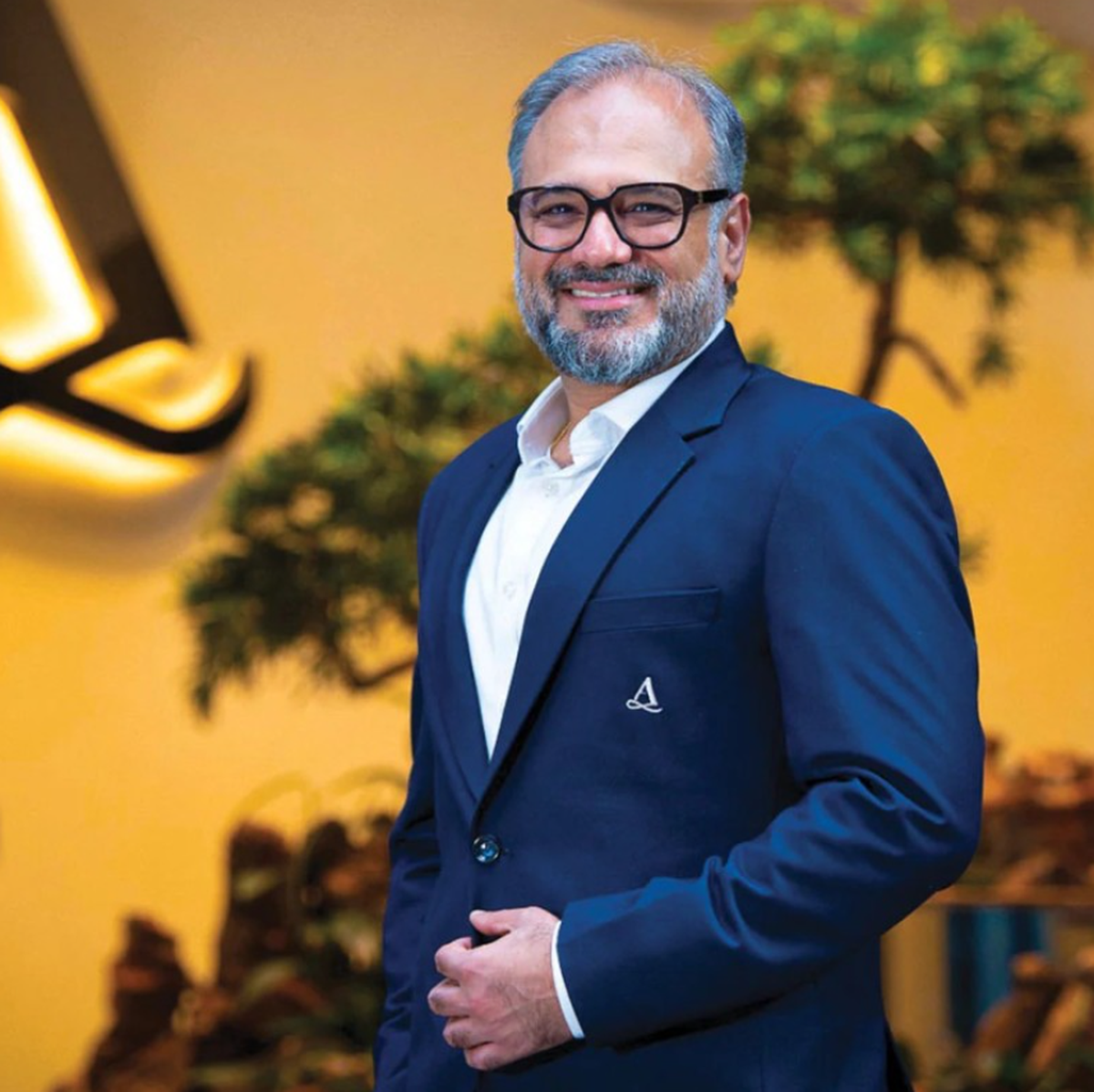
Rishi Pardal, co-founder and CEO of Biopeak.
| Photo Credit:
Courtesy Global Wellness Summit 2025
The toughest challenge so far, according to most longevity startup owners, is the Indian mindset of seeking only symptom-addressing healthcare models. Rishi Pardal, co-founder and CEO of Biopeak, says, “Most people are used to engaging with healthcare only when something goes wrong. The second challenge is building a collaborative ecosystem for preventive, personalised care. These models work effectively only when diagnostics, specialists and therapies come together around the individual.”
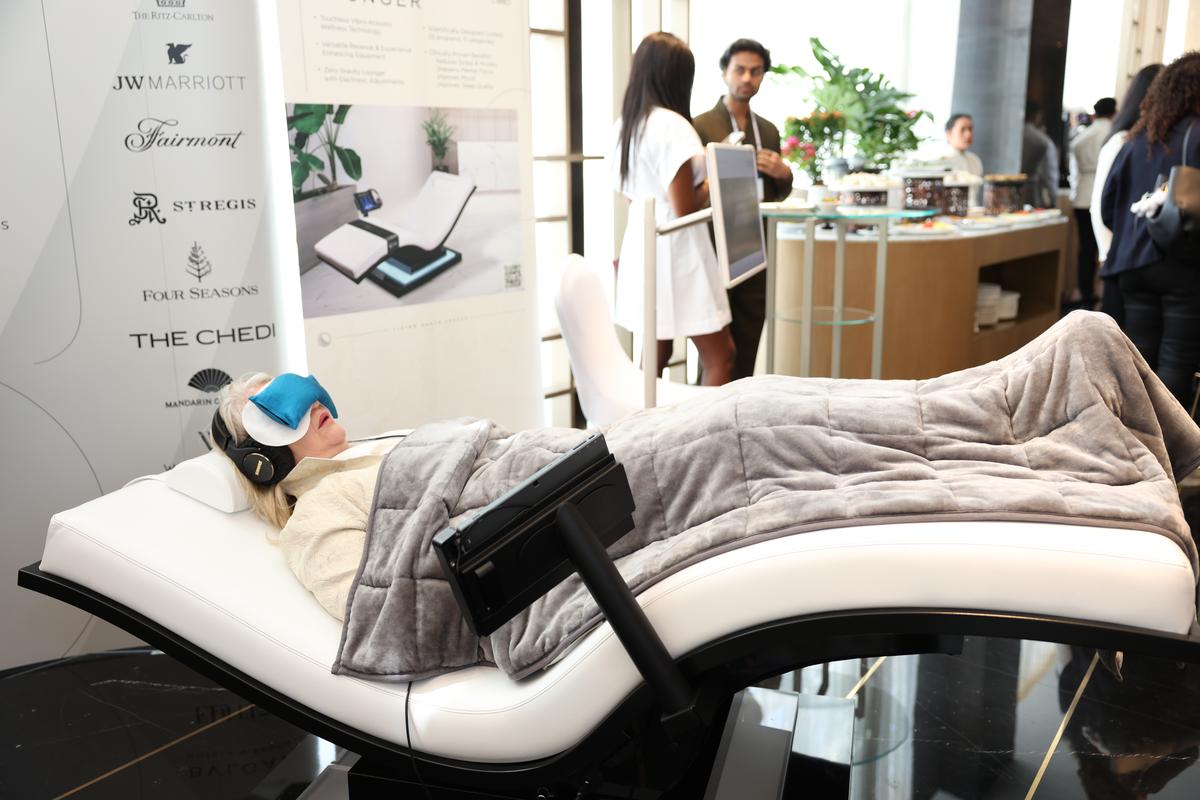
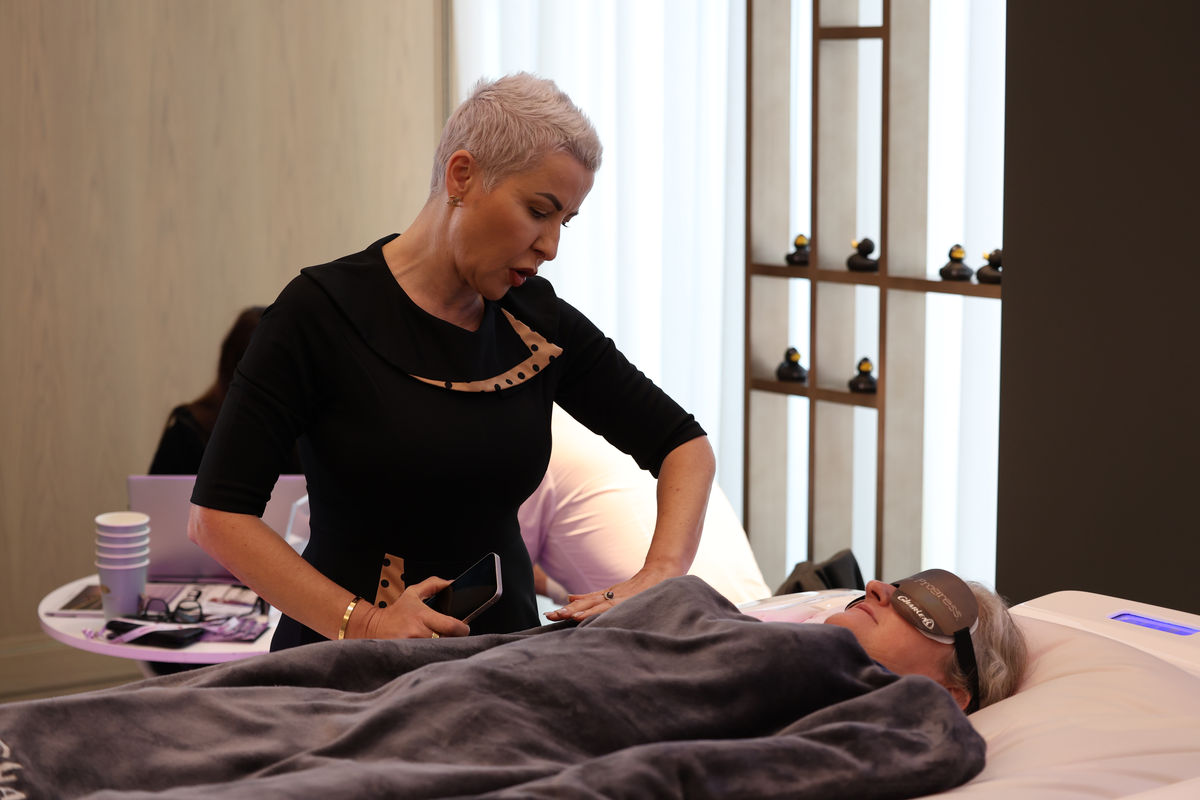
Personalised longevity consultations in India can cost anything between Rs 10,000 and Rs 1 lakh. Meanwhile, new-age wellness centres are mushrooming, with IV therapies and other biohacking mechanisms like cryotherapy and hyperbaric oxygen chambers on offer. In Mumbai, an IV drip of NAD, a crucial coenzyme found in all living cells, essential for metabolism, energy production, DNA repair, and gene regulation, costs anywhere between Rs 30,000 and Rs 50,000. Lying still for half an hour inside a barrel-like hyperbaric oxygen chamber while high-density oxygen flows through your body could cost lesser. The oxygen chamber experience certainly isn’t for claustrophobics.
What is Noctourism?
In Europe, a travel trend this winter is Noctourism, hotels and wellness centres with packages for downtime, sleep therapies, sound baths and stargazing. In August 2025, Swiss-headquartered multinational hospitality chain Aman Resorts introduced the Longevity Pathways programme curated by the group’s wellness advisor, tennis champion Novak Djokovic — a longevity era poster boy.

Part of Longevity Pathways programme of Aman Resorts.
| Photo Credit:
aman.com

Amanbagh, Aman Resorts property in Rajasthan.
| Photo Credit:
aman.com
At Amanbagh, one of their properties in Rajasthan, the programme’s detox protocol includes Ayurvedic treatments like Shirodhara, vegan food cooked with source-investigated ingredients, hatha yoga and pranayama, and a fire meditation. As the resort’s in-house Ayurveda expert tells me, the Longevity Pathways programme channels, in spirit, what ‘Ayurveda’ literally means — the knowledge of longevity. After living without noise and stimulus for three days, I returned with sharper focus and a feeling of lightness, which the Mumbai grind quickly eroded, and I was back to my basic biohacking ways.
Goal of modern healthcare
Private healthcare is also taking baby steps in longevity. Mumbai’s Sir HN Reliance Foundation Hospital recently launched its Centre for Well-being and Longevity. The initiative brings together global expertise in functional and integrative medicine. Dr Mukesh Thakur, director of Internal Medicine, Acute Medicine and Clinical Transformation, says, lifestyle-related chronic illnesses are appearing far earlier in Indians — often in their 30s and 40s — compared to Western countries where they typically manifest a decade or two later. Emphasising early detection and root-cause treatment, Dr. Thakur advocates an integrative approach. “Holistic health goes beyond organs to include the mind and behaviour,” he says, adding that the extending of healthspan — not just lifespan — must be the central goal of modern healthcare.
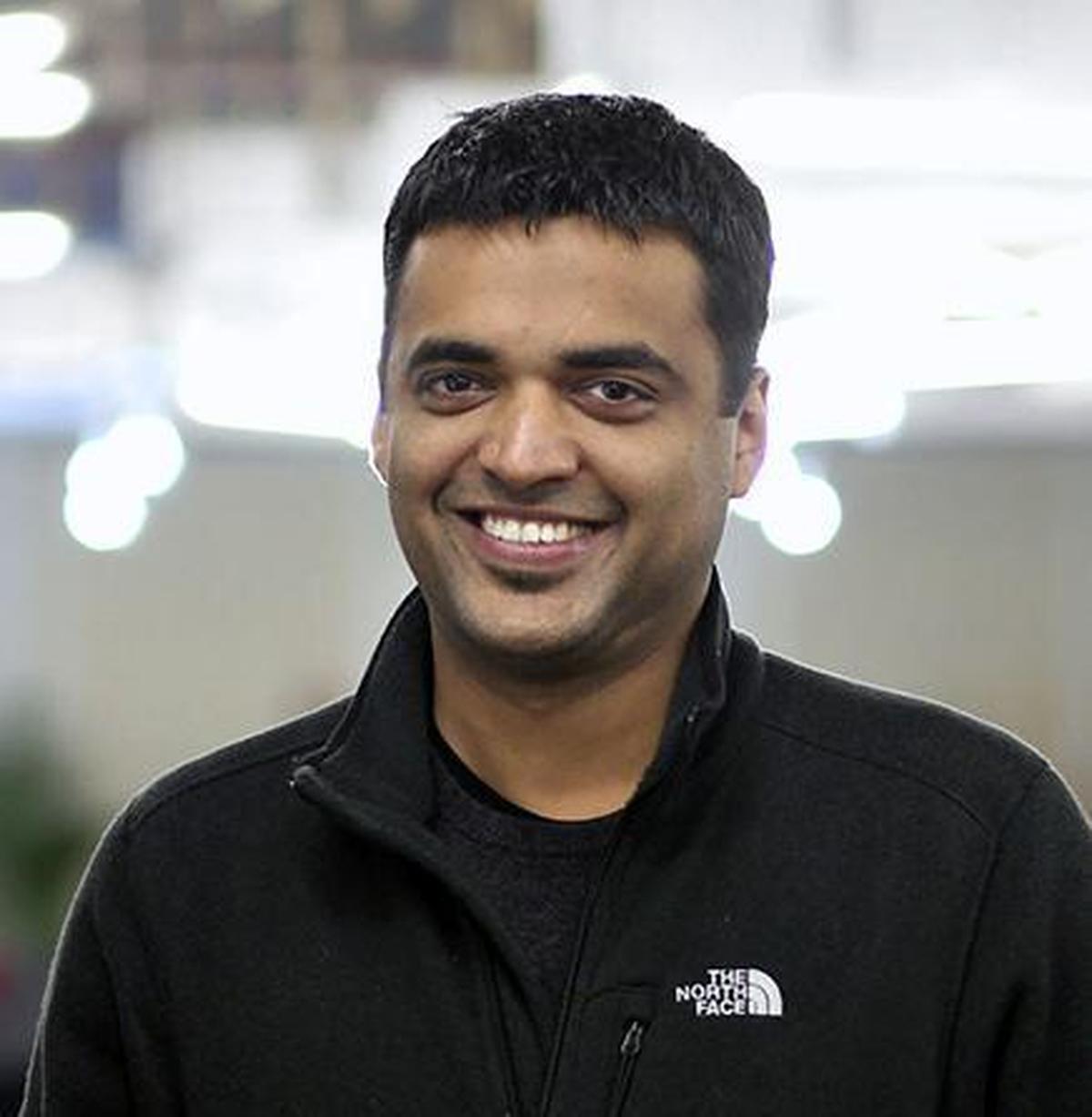
Deepinder Goyal, founder & CEO, Zomato, started Limber Life Sciences company and ‘Continue’ longevity-research project.
| Photo Credit:
The Hindu
Food-delivery service Zomato founder Deepinder Goyal, whose latest venture is a longevity company, called Limber Life Sciences, it sets out to use multi-disciplinary approach to extending healthspan. Goyal also recently announced ‘Continue’, an open-source longevity-research project aimed at decoding the science behind human ageing. Instead of building a startup, Goyal says he is stepping into the world of biological research, exploring how environment, molecular changes — and believe it or not, gravity! — shape how long we live. Nitin Jaiswal, founder of Age-Tech Leadership Labs (ALL), which aims at bridging gaps for a new generation he calls “Gen E” or “Generation Experienced”: “This identity allows us to clearly articulate their needs, aspirations, policies, and solutions. You may be born into any generation, but your eventual identity is Gen E.”
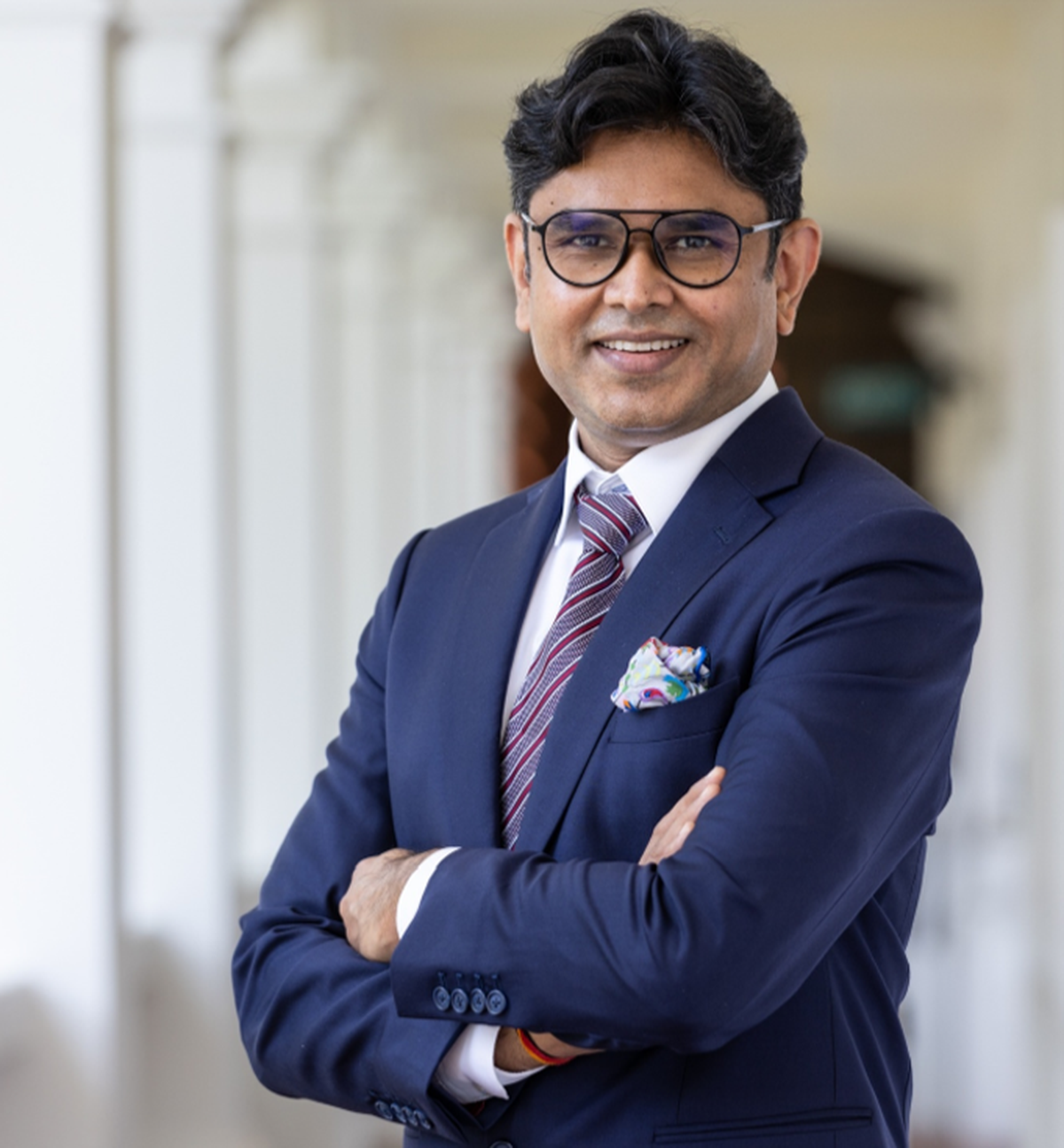
Nitin Jaiswal, founder of Age-Tech Leadership Labs.
| Photo Credit:
Courtesy Global Wellness Summit 2025
The real longevity intervention for millions, however, is not biohacking but managing the triple burden of earning money, battling a disease through robust, accessible public health systems and basic elderly care, says Dr. Srinivas Goli, associate professor at International Institute of Population Sciences, Mumbai. He adds, “India is critically unprepared.” The consensus among economists studying longevity, including Prof. Andrew Scott, an authority on longevity through the lens of public policy and economics, author of The 100-Year Life (2016) and The Longevity Imperative (2025), told me during an interview in 2024 that if a nation wants longevity dividend, and not longevity burden, it must redesign its savings, retirement and AgeTech frameworks now. Longevity science’s promise of bringing preventive health to the forefront of healthcare is as vital as the dream of 100-year-olds basking in their second spring is fantastical.

Longevity is not just about lifespan but to live fully and meaningfully.
| Photo Credit:
Getty Images
For a country ill-equipped with even the basics of public health, the primary tenets of preventive healthcare will likely make the biggest impact. Living in rural Kerala and rowing from an early age, Matthapan often speaks of his tensile muscles since childhood. He eats what he has been eating all his life — local, seasonal vegetables and fruits, rice, fish and chicken cooked the Malayali way. The friendly centenarian never misses a chance to go out, to meet someone familiar — sometimes, just to shoot the breeze. He embodies what longevity, in a practical sense, can be at this moment in human evolution — not simply lifespan but the idea of living fully and meaningfully.
The writer is a Mumbai-based journalist and founder of The Slow Fix (@the_slow_fix).