

Skip to content
  • Facebook
  • X
  • Linkedin
  • WhatsApp
  • Associate Journalism
  • About Us
  • Privacy Policy
  • 033-46046046
  • editor@artifex.news
Artifex.News

Artifex.News

Stay Connected. Stay Informed.

  • Breaking News
  • World
  • Nation
  • Sports
  • Business
  • Science
  • Entertainment
  • Lifestyle
  • Toggle search form
  • Disqualified Himachal Congress MLAs Threaten To “Expose” Sukhvinder Sukhu
    Disqualified Himachal Congress MLAs Threaten To “Expose” Sukhvinder Sukhu Nation
  • Access Denied
    Access Denied Nation
  • AAP, Opposition To Take Delhi Streets Against Arvind Kejriwal’s Arrest
    AAP, Opposition To Take Delhi Streets Against Arvind Kejriwal’s Arrest Nation
  • Rohan Bopanna, Matthew Ebden Suffer Second Straight Loss In ATP Finals 2024, Semis Hopes All But Over
    Rohan Bopanna, Matthew Ebden Suffer Second Straight Loss In ATP Finals 2024, Semis Hopes All But Over Sports
  • BJP On Sonia Gandi’s “Silence” On Sanatan Dharma Row
    BJP On Sonia Gandi’s “Silence” On Sanatan Dharma Row Nation
  • “Brothers, Can You Relate?”: Irfan Pathan Shares Hilarious Meme After On-Field Spat With Brother Yusuf
    “Brothers, Can You Relate?”: Irfan Pathan Shares Hilarious Meme After On-Field Spat With Brother Yusuf Sports
  • Access Denied
    Access Denied Nation
  • Rishabh Pant Handed One Match Suspension By BCCI Over Code Of Conduct Breach
    Rishabh Pant Handed One Match Suspension By BCCI Over Code Of Conduct Breach Sports
David Szalay’s Booker Prize win and the role of literary awards in building bridges

David Szalay’s Booker Prize win and the role of literary awards in building bridges

Posted on November 14, 2025 By admin


Hungarian-British writer David Szalay’s Flesh, this year’s Booker Prize-winning novel, is a narrative of displacement, masculinity, and the weight of moral choices. A Hungarian teenager, Istvan, drifts through life — a physical relationship, an older woman, juvenile detention, the Iraq war, and finally a job as a driver for the extremely wealthy in London.

Globalisation is not an abstract concept in Flesh — it is felt in the teeth. Some citizens are more equal than others. The novel probes spaces, however close to the bone, where human feeling survives — including in the face of mortality. “There’s still something there,” says a woman about her dying husband. On a train to see his mother, in a rare, poetic moment, Istvan glimpses the landscape of his youth: “Deer flee across flooded fields. In the distance are low hills the colour of smoke.”

Coincidentally, this year’s Nobel Prize in Literature was also awarded to a Hungarian writer — the 71-year old László Krasznahorkai — for his work which, in the words of the Swedish Academy, “in the midst of apocalyptic terror, reaffirms the power of art”. The small and land-locked nation of Hungary in Central Europe has produced some remarkable writers. The nation has also had a tumultuous history. After World War I, in the Treaty of Trianon, Hungary lost more than two-thirds of its territory and its people — compelling a turn to a past that has always seemed larger than the present.

Hungarian novelist László Krasznahorkai who was awarded the Nobel Prize in Literature 2025.
| Photo Credit:
Getty Images

Questions of diversity and access remain

Krasznahorkai’s university thesis was on the anti-fascist and anti-communist writer Sandor Marai, who left Hungary to live in exile. In the 1930s, Marai had been one of Hungary’s leading literary figures. In 1944, when the Nazis invaded, he decided to stop writing; and in 1948, when the Russians arrived, he left. Ironically, he died by suicide in 1989, the very year when Hungary began cutting through its barbed wire border with Austria — within months, bringing down the Iron Curtain in Europe.

In a 2025 interview with novelist Hari Kunzru for The Yale Review, Krasznahorkai described art as “humanity’s extraordinary response to the sense of lostness that is our fate”. If Hungary’s literary history reflects loss and renewal, Szalay brings these themes into a globalised, unequal world. Flesh explores themes of migration and human connection. Yet, the institutions that celebrate such writing invite their own scrutiny. Does literary prize culture build bridges in the wider community, or is it out of touch, perceived as elitist — culturally or economically — and restricted to a certain type of well-heeled reader? Whom does it include — and whom does it exclude?
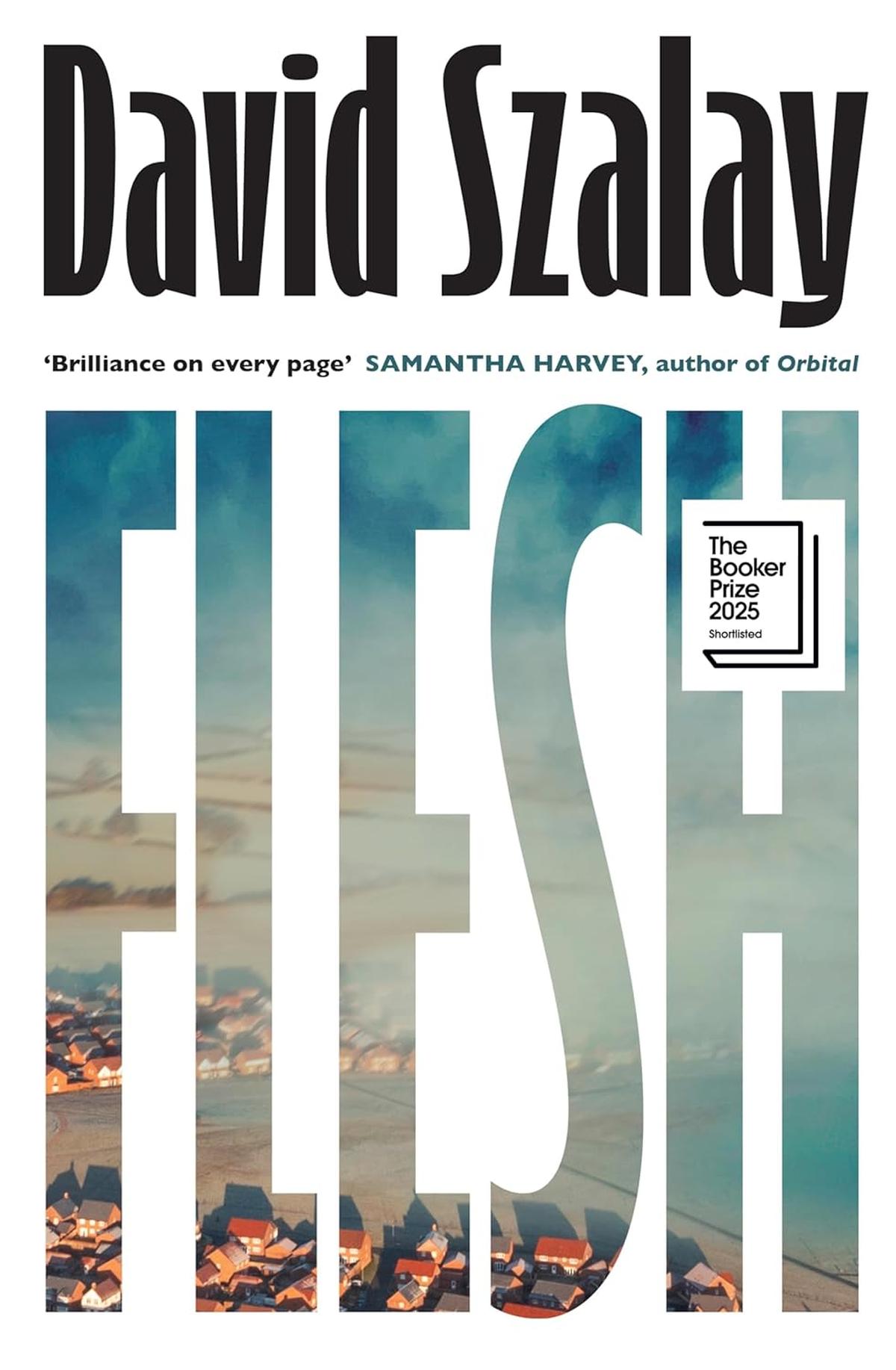
Literary culture reflects the ongoing tension between creative expression, access, and inequality. The Booker Prize website announces that it is the “leading literary award in the English-speaking world”. The longlist, shortlist, and award process have the power to transform writers’ careers with global audiences and surging book sales. Nevertheless, questions of diversity, readability, and gatekeeping persist.

Literary prizes have their histories of omission and oversight. Tolstoy, who was repeatedly nominated for the Nobel, but never awarded, remarked that he would decline even if offered, for he believed money was the greatest source of evil. Writers like Chekhov, Proust, Borges, Woolf, and Premchand were overlooked. Sartre declined, unwilling to be institutionalised. More recently, in 2019, Austrian novelist Peter Handke — who denied the Bosnian genocide (1992-95) — was awarded the Nobel prize, provoking outrage.

Training the imagination to care

Booker Prize 2025 shortlisted authors (L-R) Ben Markovits, Katie Kitamura, Susan Choi, David Szalay, Andrew Miller and Kiran Desai ahead of the announcement of the winner in London, November 9, 2025.

Booker Prize 2025 shortlisted authors (L-R) Ben Markovits, Katie Kitamura, Susan Choi, David Szalay, Andrew Miller and Kiran Desai ahead of the announcement of the winner in London, November 9, 2025.
| Photo Credit:
Getty Images

While the benefits of literary prizes are clear — sales, visibility, readership — we should look for more ways to achieve these outcomes. Organisers of literary events should also hold book discussions in local community spaces, universities, libraries, and parks, where a more diverse public can participate. Public libraries should offer these books, and conversations, to less privileged readers. Access can take the conversation beyond what can sometimes feel like self-congratulatory echo chambers.

Another, larger question remains: when attention spans diminish and people are always scrolling, does the novel still matter?

On my desk is a reminder why the answer is a clear ‘yes’. Since September, I have been re-reading Tolstoy’s War and Peace, first published nearly 160 years ago. I have been reading on flights and trains, at bus stops, park benches, and cafes — and I am still reading it. It is, as the publishing world likes to say, unputdownable. It is alive, and contains multitudes.

Not least of all, there is the question of how we read. The activity of reading a novel is a slow, thoughtful process. A novel is not a commodity to be “consumed” like a social media reel; it must be experienced reflectively, in an unhurried manner. When we read, we bring to the act of reading everything that makes us what we are — our contexts, personal experiences, and questions.

Reading is personal, yes; but literary prizes help to sustain the conditions in which writers can produce books and readers can read them. Novels are one of the ways in which we can make sense of the world, and train the imagination to care. As Szalay reminds us, “Fiction can take risks — aesthetic, formal or even moral.”

The writer is in the IAS.

Published – November 14, 2025 06:10 am IST



Source link

World Tags:david szalay booker prize novel Flesh literary awards nobel László Krasznahorkai

Post navigation

Previous Post: Access Denied
Next Post: Access Denied

Related Posts

  • Netanyahu suggests Israel might not complete its withdrawal from Lebanon by ceasefire deadline
    Netanyahu suggests Israel might not complete its withdrawal from Lebanon by ceasefire deadline World
  • German warships await orders on crossing disputed Taiwan Strait
    German warships await orders on crossing disputed Taiwan Strait World
  • Brain Ageing Could Be Fault Of Mothers, Study Suggests
    Brain Ageing Could Be Fault Of Mothers, Study Suggests World
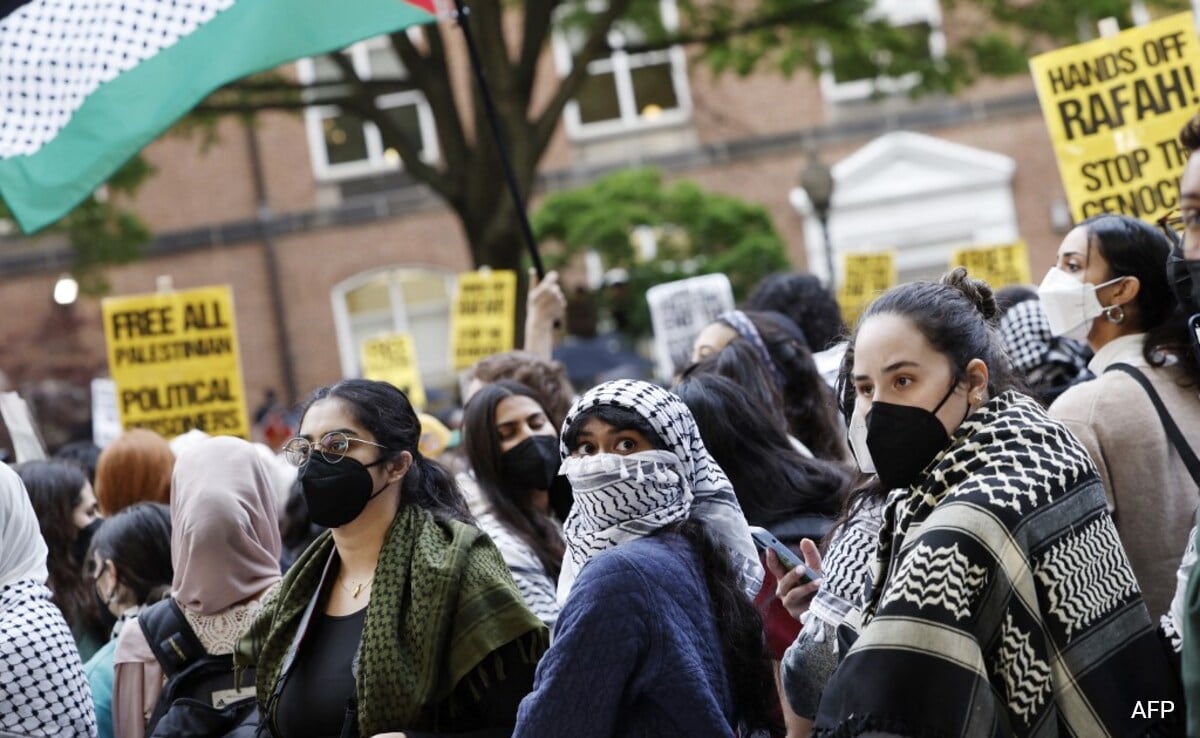
  • Columbia University Takes Back Deadline Set For Protesters To Leave Campus
    Columbia University Takes Back Deadline Set For Protesters To Leave Campus World
  • Global conflicts in 2024: A year of intensifying wars in Ukraine and Gaza amid global turmoil
    Global conflicts in 2024: A year of intensifying wars in Ukraine and Gaza amid global turmoil World
  • Access Denied World

More Related Articles

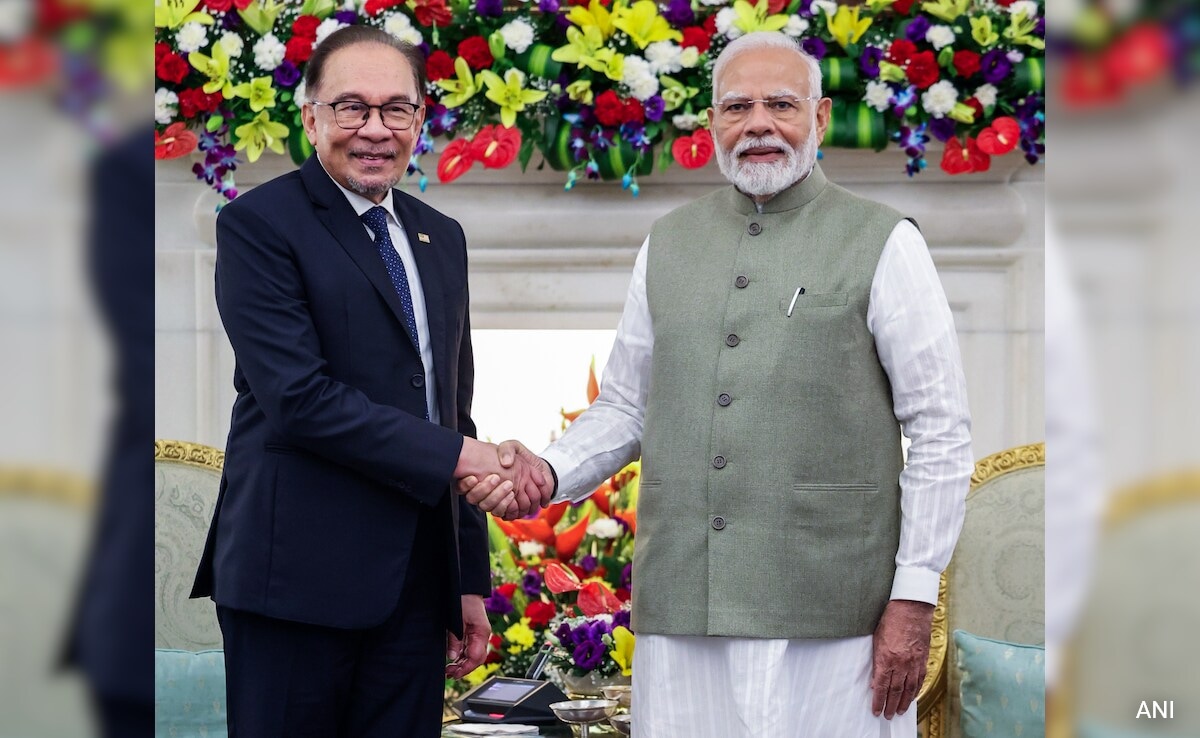
Modi 3.0 Is Leaving Nothing To Chance With Southeast Asia Modi 3.0 Is Leaving Nothing To Chance With Southeast Asia World
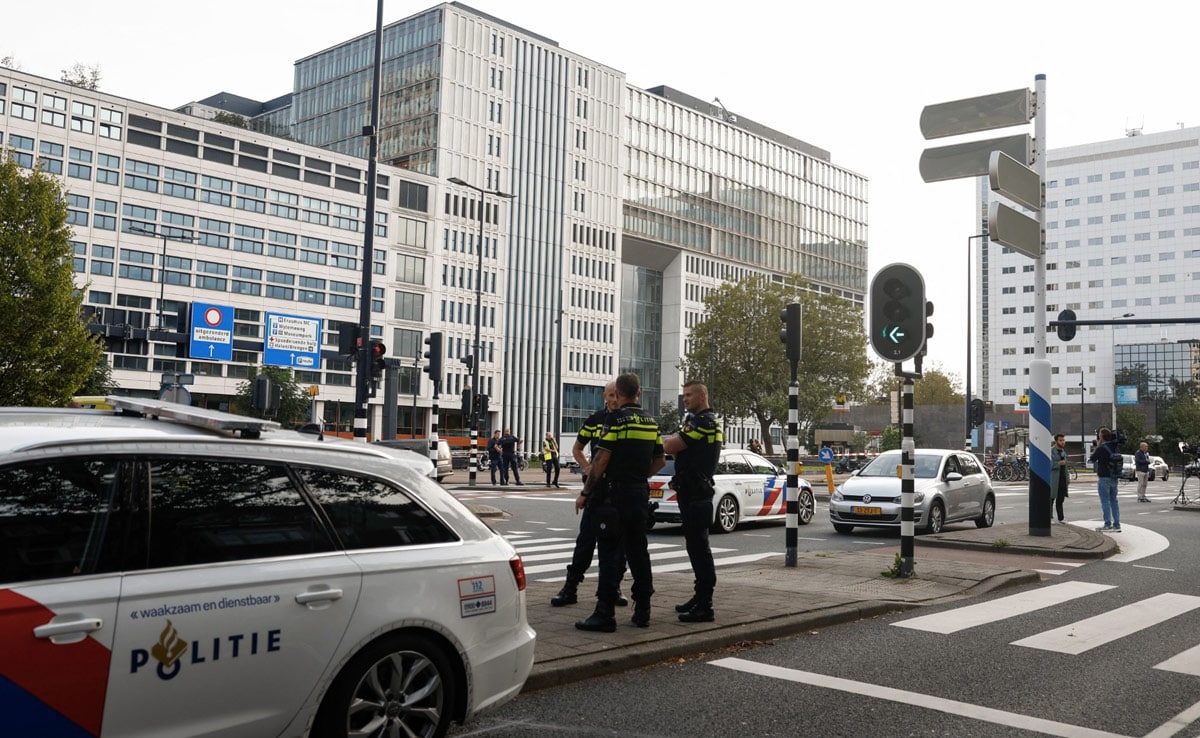
Multiple People Killed In Shooting At Netherlands City: Police Multiple People Killed In Shooting At Netherlands City: Police World
How India Plans To Build Global, AI-Driven Solutions How India Plans To Build Global, AI-Driven Solutions World
Helicopter Crashes Into Roof Of Australian Hotel, Hundreds Evacuated Helicopter Crashes Into Roof Of Australian Hotel, Hundreds Evacuated World
Will Israel’s Gaza offensive stop Hamas? | Explained Will Israel’s Gaza offensive stop Hamas? | Explained World
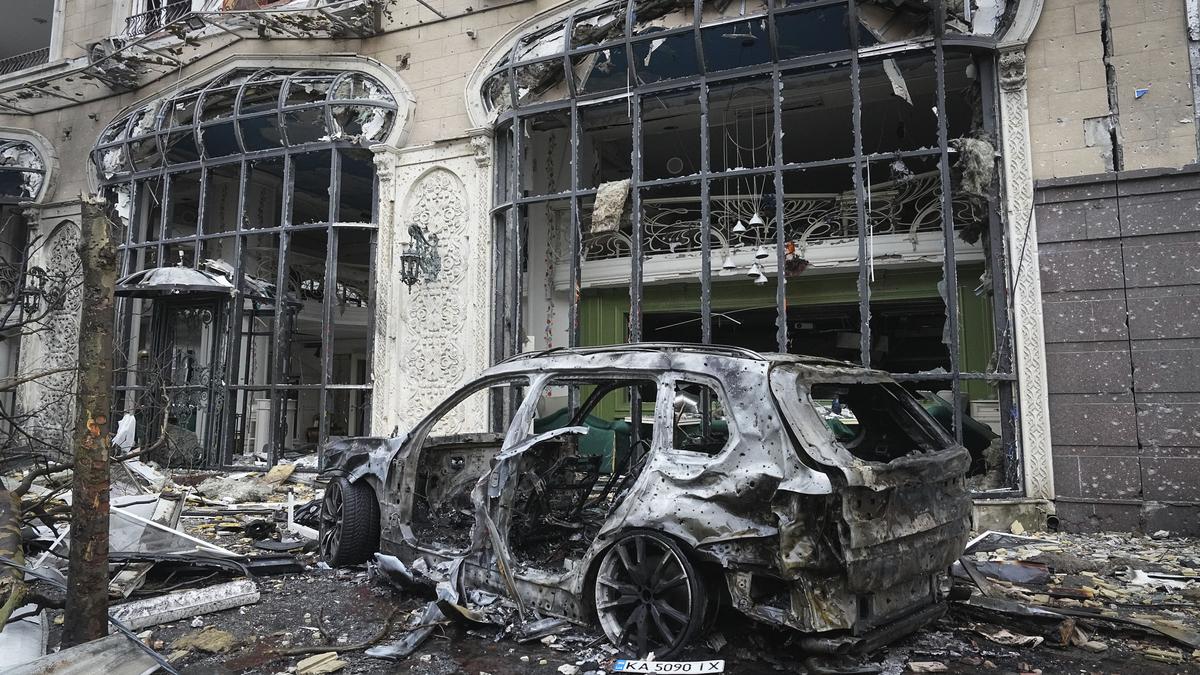
Putin Vows Retribution For Moscow Attack Putin Vows Retribution For Moscow Attack World
SiteLock

Archives

  • November 2025
  • October 2025
  • September 2025
  • August 2025
  • July 2025
  • June 2025
  • May 2025
  • April 2025
  • March 2025
  • February 2025
  • January 2025
  • December 2024
  • November 2024
  • October 2024
  • September 2024
  • August 2024
  • July 2024
  • June 2024
  • May 2024
  • April 2024
  • March 2024
  • February 2024
  • January 2024
  • December 2023
  • November 2023
  • October 2023
  • September 2023
  • August 2023
  • July 2023
  • June 2023
  • May 2023
  • April 2023
  • March 2023
  • February 2023
  • January 2023
  • December 2022
  • November 2022
  • October 2022
  • September 2022
  • August 2022
  • July 2022
  • June 2022
  • May 2022

Categories

  • Business
  • Nation
  • Science
  • Sports
  • World

Recent Posts

  • Climate talks veer away from ‘implementation’
  • Access Denied
  • Israeli strikes hit Lebanon after evacuation warnings
  • Access Denied
  • Access Denied

Recent Comments

  1. dfb{{98991*97996}}xca on UP Teacher Who Asked Students To Slap Muslim Classmate
  2. "dfbzzzzzzzzbbbccccdddeeexca".replace("z","o") on UP Teacher Who Asked Students To Slap Muslim Classmate
  3. 1}}"}}'}}1%>"%>'%> on UP Teacher Who Asked Students To Slap Muslim Classmate
  4. bfg6520<s1﹥s2ʺs3ʹhjl6520 on UP Teacher Who Asked Students To Slap Muslim Classmate
  5. pHqghUme9356321 on UP Teacher Who Asked Students To Slap Muslim Classmate
  • Special Rail Coach Dedicated To Mahatma Gandhi Unveiled At Rajghat
    Special Rail Coach Dedicated To Mahatma Gandhi Unveiled At Rajghat Nation
  • China’s Xi Jinping calls for Taiwan reunification in national day speech
    China’s Xi Jinping calls for Taiwan reunification in national day speech World
  • “Who The Hell…”: Virat Kohli’s Priceless Reaction To R Ashwin’s Iconic ‘Leave’ vs Pakistan
    “Who The Hell…”: Virat Kohli’s Priceless Reaction To R Ashwin’s Iconic ‘Leave’ vs Pakistan Sports
  • Obsessions Of Japan’s Next PM Shigeru Ishiba
    Obsessions Of Japan’s Next PM Shigeru Ishiba World
  • Pak Minister On Man Pushed From Container
    Pak Minister On Man Pushed From Container World
  • Tennis World Rallies Around Aryna Sabalenka At Miami Open After Boyfriend’s Death
    Tennis World Rallies Around Aryna Sabalenka At Miami Open After Boyfriend’s Death Sports
  • Access Denied
    Access Denied Nation
  • Family Of 9 Shot Dead In Their House In Russia-Occupied Ukrainian Town
    Family Of 9 Shot Dead In Their House In Russia-Occupied Ukrainian Town World

Editor-in-Chief:
Mohammad Ariff,
MSW, MAJMC, BSW, DTL, CTS, CNM, CCR, CAL, RSL, ASOC.
editor@artifex.news

Associate Editors:
1. Zenellis R. Tuba,
zenelis@artifex.news
2. Haris Daniyel
daniyel@artifex.news

Photograher:
Rohan Das
rohan@artifex.news

Artifex.News offers Online Paid Internships to college students from India and Abroad. Interns will get a PRESS CARD and other online offers.
Send your CV (Subjectline: Paid Internship) to internship@artifex.news

Links:
Associate Journalism
About Us
Privacy Policy

News Links:
Breaking News
World
Nation
Sports
Business
Entertainment
Lifestyle

Registered Office:
72/A, Elliot Road, Kolkata - 700016
Tel: 033-22277777, 033-22172217
Email: office@artifex.news

Editorial Office / News Desk:
No. 13, Mezzanine Floor, Esplanade Metro Rail Station,
12 J. L. Nehru Road, Kolkata - 700069.
(Entry from Gate No. 5)
Tel: 033-46011099, 033-46046046
Email: editor@artifex.news

Copyright © 2023 Artifex.News Newsportal designed by Artifex Infotech.