





The recent outbreak of Guillain–Barré syndrome (GBS), a rare neurological condition in Pune, Maharashtra, has led to panic among the public in Maharashtra and other parts of India. While GBS-like disorders have been known in scientific literature for centuries, this eponymous term was first coined in 1916. Outbreaks of GBS of the magnitude reported from Pune, have been rather uncommon. A few examples however, have been higher incidences of GBS reported in French Polynesia in 2013-2014 and Latin America as well as the Caribbean in 2015-2016 due to outbreaks of Zika virus infection. An unusually large outbreak of GBS was reported in Peru between May 20 and July 27, 2019, where over a period of two months and seven days, 683 cases of GBS were reported.
The first case of GBS in Pune was reported on January 9, 2025 and as on January 28, 111 cases and one death have been reported. The incidence of GBS in Pune is quite alarming given the fact that the outbreaks of GBS have not crossed a three-digit number in the past except during the above two instances.
What is GBS?
GBS is a neurological disorder that causes abnormal tingling, numbness, pain and muscle weakness. Some patients may experience difficulty in talking, closing eyes tightly, chewing, swallowing, and sometimes even breathing, as well as abnormal heart rate and fluctuating blood pressure. The annual global incidence of GBS is approximately 1-2 per 100,000 person-years. The lifetime risk of developing GBS is less than 1%. The diagnosis of GBS is established through a series of neurological, electrophysiological and biochemical (blood and cerebrospinal fluid) analyses. GBS progresses rapidly and most of the patients attain the maximum disability within two weeks. The current literature suggests that about 20% of GBS patients develop weakness of respiratory muscles and require mechanical ventilation, while about 3-7% patients succumb even with the best available medical care. Thus, GBS is a medical emergency and can be potentially fatal, albeit in a small proportion of the affected patients. While GBS is a one-time illness, recurrences do occur very rarely in about 2-5% of patients.
Risk factors of GBS
GBS has been categorised as a post-infectious immune-mediated disorder where the immune cells and molecules attack and damage the protective covering of the peripheral nerves. Several studies across the world suggest an association between an antecedent infection and the risk of developing GBS in upto 70% of the cases. The symptoms of GBS usually begin to appear after a few days or weeks of a gastrointestinal or respiratory infection. It has been reported that various factors other than infections, such as recent surgery, certain vaccinations, immunocompromised states, etc. could also serve as triggering factors.
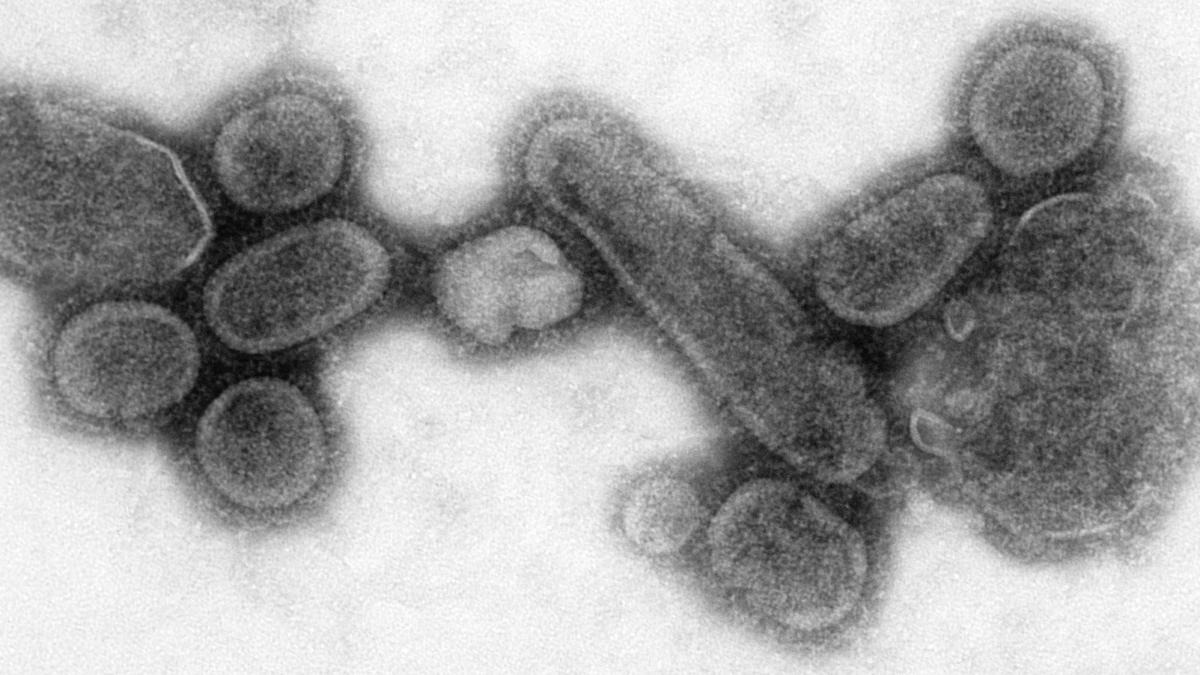
Among the several micro-organisms, Campylobacter jejuni has been reported to be the most predominant infectious trigger of GBS. Other bacterial and viral pathogens that are associated with GBS include Cytomegalovirus, Dengue virus, Influenza virus, Japanese encephalitis virus, Chikungunya virus, Mycoplasma pneumoniae, Epstein-Barr virus, and Zika virus. Though a majority of the studies suggest that 30-50% of the patients with GBS have antecedent Campylobacter jejuni infection, lower percentages of Campylobacter jejuni infection have also been reported. For instance, during the large GBS outbreak in Peru, only 5.2% of the cases had Campylobacter jejuni infection. It is noteworthy that approximately only one in 1,000 people infected with Campylobacter jejuni go on todevelop GBS. This suggests that infection alone is not adequate to induce the development of GBS. Not all patients with infection develop GBS, and similarly not all patients with GBS have a preceding infection.
We carried out a study on the impact of antecedent infections such as Campylobacter jejuni, Influenza virus, Dengue virus, Japanese encephalitis virus and Zika virus in 150 patients with GBS between July 2014 and June 2019 at NIMHANS, Bengaluru. In our cohort, 79.3% showed evidence of prior infections, of which 32% tested positive for Campylobacter jejuni. Interestingly, in our study, co-infection by multiple pathogens was more common, seen in about 65%. This suggests a complex interplay among various bacteria and viruses that confer the risk of developing GBS.

Etiopathology of GBS
GBS develops as a result of aberrant immune functions, either due to an autoimmune reaction or an exaggerated inflammatory response. Infectious risk organisms can mount an autoimmune reaction through ‘molecular mimicry’ where the protective antibodies generated against the cell surface antigens of the bacteria bind to the functionally relevant molecules on the surface of nerve cells, due to the similarity between the molecules of bacteria and nerve cells. The infectious risk organisms can also lead to inflammatory responses by activating the immune cells. Our research over the past 10 years on the immunobiology of GBS at NIMHANS, Bengaluru, suggests the involvement of multiple types of immune cells such as T lymphocytes, especially the Th1 and Th17 lineages and a unique mucosal associated invariant T (MAIT) cell in GBS.
Further, inflammatory cytokines of Th1 and Th17 pathway are also involved in GBS. The most notable finding in GBS was the alteration of an alarmin, a molecule that alerts immune system to the presence of an infection or injury. Further, our on-going research suggests a pivotal role of gut microbiota in perturbing the immune homeostasis and elevating the risk of GBS. Though a precise mechanistic basis of GBS is yet to be established, we suggest a combined, concerted and additive effects of multiple cells and molecules within the immune system.
Who is affected?
GBS affects people of all age groups, however, the incidence increases with age. GBS is more common in men as compared to women, the precise reason for the male preponderance is not known. There is a clear lack of data on the epidemiology and burden of GBS at a global level, and it is suggested that probably, people living in low-income and middle-income countries are more vulnerable owing to poor hygiene and high exposure to infections. Arboviral infections such as Dengue, Chikungunya, Zika, etc. are more common in tropical and sub-tropical areas. Therefore, people living in these areas are likely more prone to developing GBS.
Treatment
There are only two established treatment options for GBS – plasma exchange and intravenous immunoglobulin (IVIg). Plasma exchange involves filtering out the harmful antibodies from the body. On the other hand, IVIg acts by neutralising the deleterious effects of the immune system on the peripheral nerves. Both treatment options are considered to be equally effective. Patients with severe GBS require additional ICU care for mechanical ventilation and managing other inter-current complications, on a case-to-case basis. Though a majority of the patients recover fully from GBS with treatment and rehabilitation, a small number are left with disability for months to years.
Preventive measures
GBS is not a contagious disease. Nevertheless, people should avoid consuming undercooked poultry, meat and milk. It is advisable to drink treated/ purified and/or boiled water. Foods that are susceptible to bacterial growth due to high moisture content should be cooked thoroughly before consumption. One needs to maintain proper and adequate personal as well as food hygiene. These measures will reduce respiratory and gastrointestinal infections and may mitigate the risk associated with infection-induced GBS.
(Dr. Monojit Debnath is a Professor in the Department of Human Genetics, NIMHANS, Bengaluru. He has more than 12 years of research experience in the field of immune-genetics of GBS monozeet@gmail.com)
(Dr. Madhu Nagappa is a Professor in the Department of Neurology, NIMHANS, Bengaluru. She has more than 13years of clinical experience in caring for GBS patients madhu_nagappa@yahoo.co.in)
Published – January 30, 2025 12:10 pm IST