




According to the Ministry of Health and Family Welfare, approximately 5,30,000 people died of the COVID-19 pandemic in India, the maximum in the second wave. The pandemic showed both vulnerabilities and strengths within the nationâs healthcare framework, offering invaluable lessons on preparedness, response, and resilience. In an increasingly interconnected world, the threat of contagious diseases transcends borders with unprecedented speed and impact. Indiaâs vast and diverse population, coupled with its unique socio-economic dynamics, makes it particularly susceptible to the rapid spread of infectious ailments. Â
As the global community grows with the evolving nature of pathogens, from novel viruses to antibiotic-resistant bacteria, Indiaâs role is pivotal not just for its citizens but also for regional and global health security. According to experts, preparing for future contagions is not just a reactive endeavour but a proactive commitment. It demands an integrated approach encompassing surveillance systems, enhanced healthcare infrastructure, community engagement, and forward-thinking policies.Â
Dr. Gagandeep Kang
| Photo Credit:
SPECIAL ARRANGEMENT
Devastating consequences
In a recent talk titled Outsmarting Outbreaks: The Future of Contagion, at Bangalore International Centre (BIC), microbiologist and virologist Dr. Gagandeep Kang talked about how India in the past has had infectious diseases and continues to have them, with devastating consequences.
Dr. Kang was based at the Christian Medical College (CMC), Vellore, for three decades, and built national rotavirus and typhoid surveillance networks to estimate disease burden, test vaccines and inform policy. She is now the Director of the Global Health team at the Bill and Melinda Gates Foundation, responsible for the enterics, diagnostics, epidemiology and genomics portfolio. She is the first Indian woman to be elected as a Fellow of the Royal Society, an Infosys Prize winner in 2016, and co-author of the bestseller, Till We Win: Indiaâs Fight Against The COVID-19 Pandemic.Â
In the lecture, she explained how the extension of the human lifespan in the 20th century came from our ability to control the scourges of the past, smallpox, tuberculosis, plague and malaria through safer water and sanitation, drugs and vaccines. Dr. Kang, a physician scientist who has worked on vaccines and public health, particularly focused on children and enteric infectious disease in India said that science has transformed society, but with climate change, new threats can and will emerge. She explained why with data and modelling to emerging technologies, as the worldâs most populous country, India needs to be prepared for its people and the world.Â
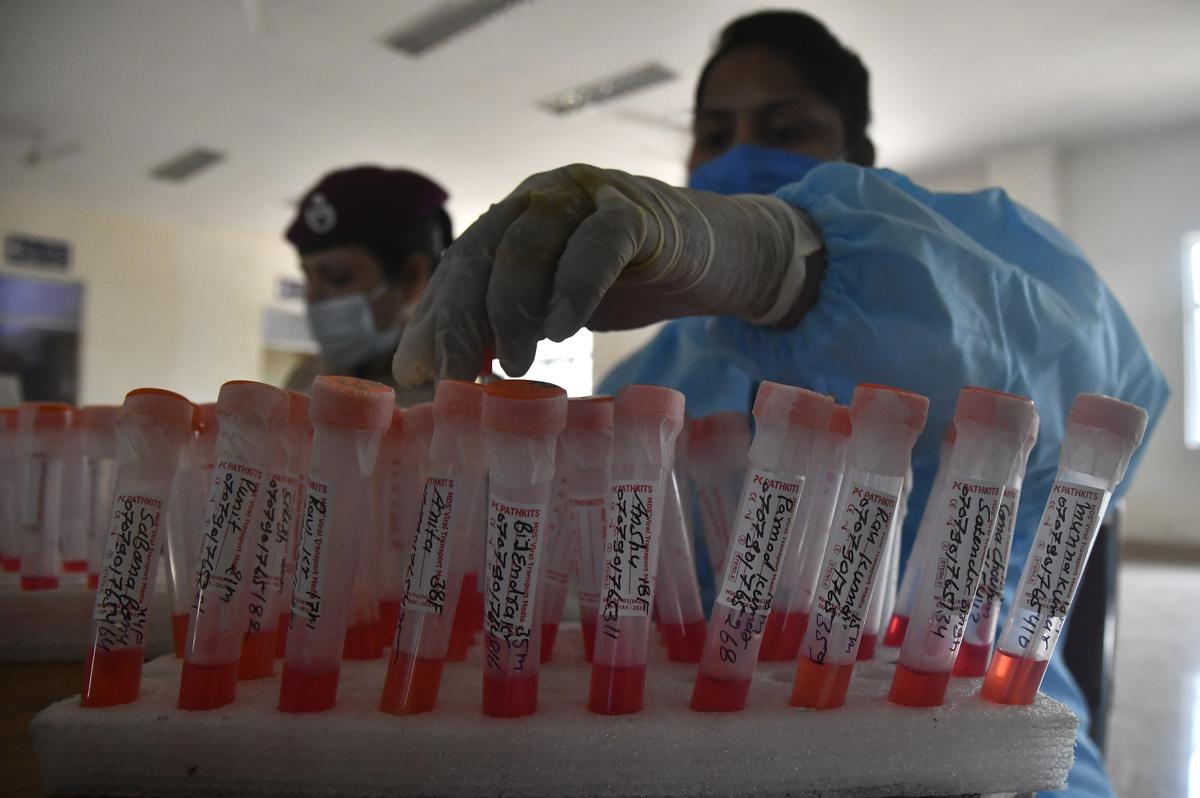
A healthcare worker and Delhi civil defence volunteer arranging collected swab samples of passengers for RT PCR test during the Covid-19 pandemic at Delhi Cantt Railway Station in New Delhi.
| Photo Credit:
Shiv Kumar Pushpakar 5331
Pandemic and epidemic
Dr. Kang said the list of outbreaks has increased over the years to such an extent that there is a virus named after all 26 letters of the alphabet in English.
âEndemic diseases are those constantly present in a population or region, with relatively low spread. In contrast, an epidemic refers to a sudden increase in cases spreading through a large population, while a pandemic involves a sudden increase in cases across several countries, continents, or the world. Over the past 30 years, the number and diversity of outbreaks have risen dramatically, from A to Z, that is AIDS to Zika. This increase is driven by factors such as growing trade, travel, population density, human displacement, migration, deforestation, and climate change, signalling a new era of heightened epidemic risk. Notably, most large outbreaks that spread easily are caused by viruses,â she added.
Explaining the epidemics and pandemics India and the world has had in the past, Dr. Kang explained how to establish a disease caused by an infectious agent. âWhen we had smallpox there was no understanding of the differences between bacteria, viruses or parasites. Even malaria was called âmal ariaâ or âbad airâ because people thought it was travelling in swamps in the air that gave you malaria and did not understand that it was mosquitoes that spread the disease. Â It was only until Robert Koch, popularly called the father of microbiology, came up with âKochâs Postulateâ, that had a set of rules which helped establish a relationship between a microbe and a disease,â she said.
Father of epidemiology John Snow was responsible for identifying a pump on a road street as the cause of Cholera in London. He created a map of all the cases of Cholera being described in London, took his map to see what the water sources of all the houses with Cholera were. He found that everybody was collecting water from the street pump, and those households that did not have cholera had other sources of water. âJohn Snow immediately removed the handle of the pump, and the outbreak stopped. We still follow the principles that he laid down and must continue to, to be able to connect diseases with what happens in populations and think about methods for control,â Dr. Kang explained.
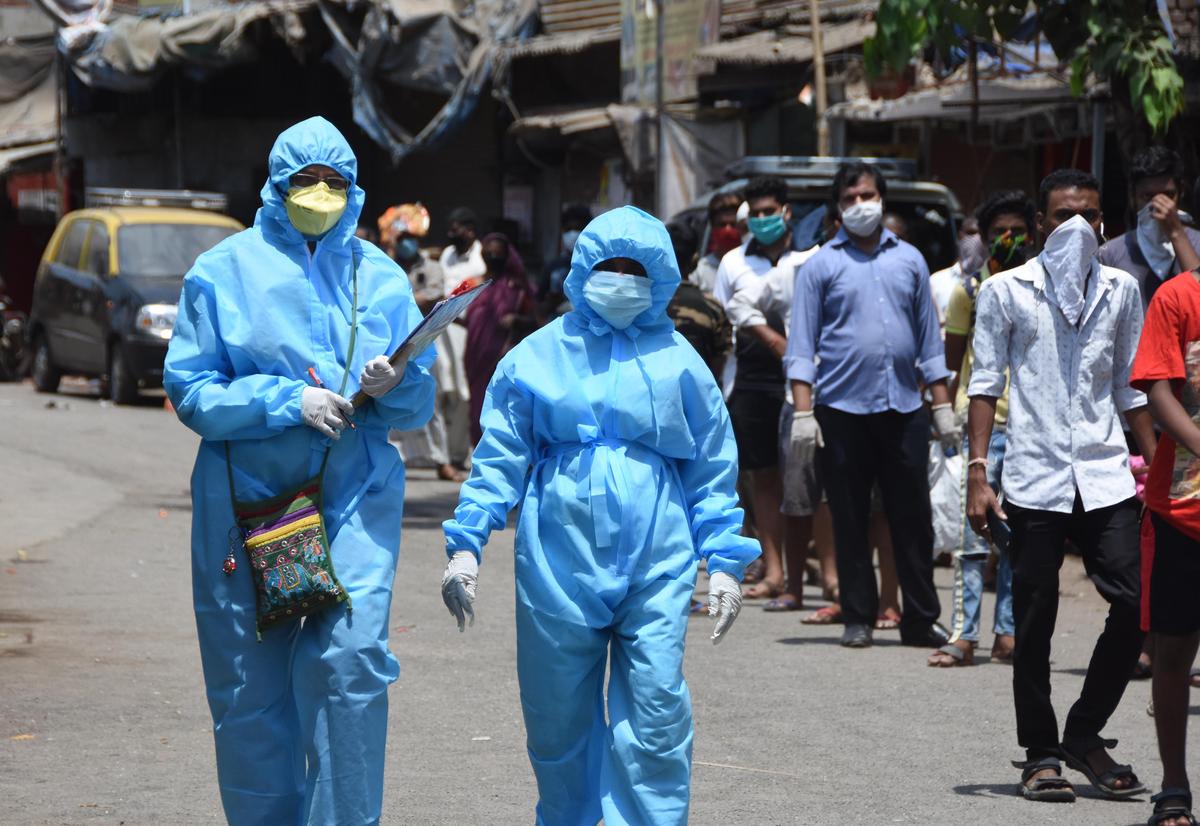
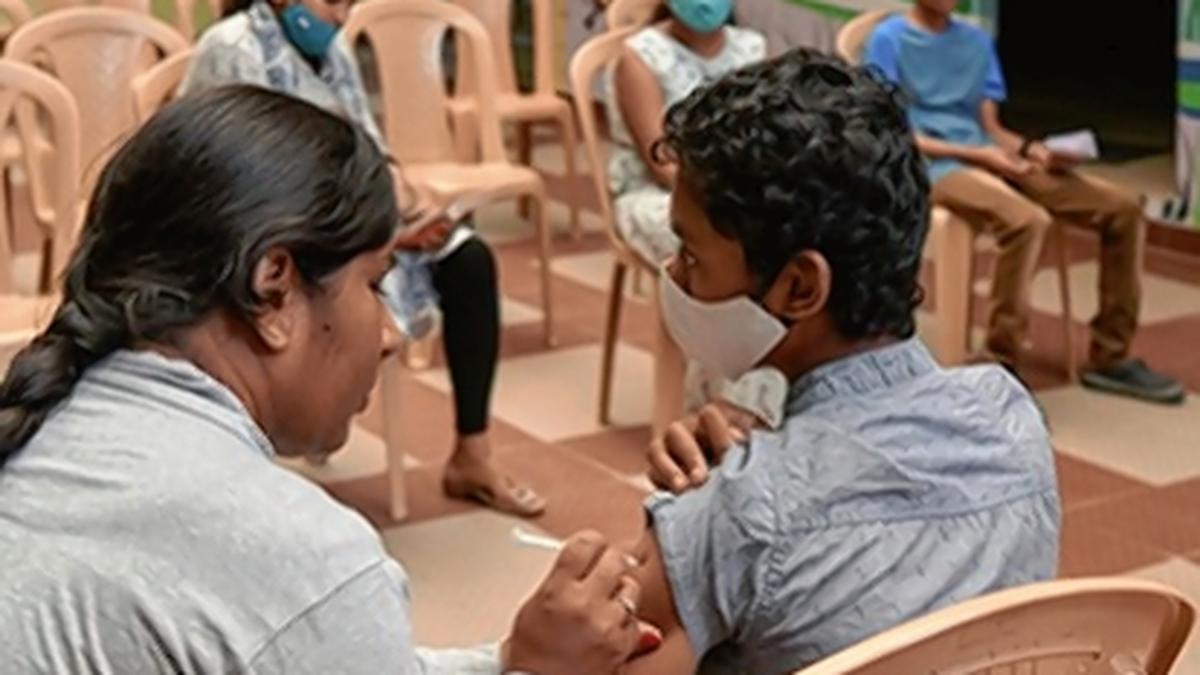
Healthcare workers doing door-to-door check up of COVID-19 tests in the Mukund Nagar, Dharavi slum area of Mumbai, during nationwide lockdown.
| Photo Credit:
VIJAY BATE
Where does India stand?
Asked why there is hesitation towards vaccines among some, even during a pandemic like COVID-19, Dr. Karg said, âThere is hesitation and lack of confidence in vaccines in India for a long time. There are people who believe in vaccines, people who are a little hesitant but can be convinced and some who are rabid and can not be convinced no matter what you do. The important part is figuring out where on the spectrum most people are and whether it is worthwhile to invest time in them and convince them to take vaccines is the question.â
Dr. Kang said that infectious diseases will continue to be a threat. âThere will be endemic diseases, emerging and re-emerging diseases and bioterrorism in the future too. Infectious diseases, especially those that transmit from people without illness can spread rapidly around the globe. There will be a threat to antibiotics. The combination of infectious and non-communicable diseases lowers the ability of our tools to prevent and treat disease. All of this is something we already know,â she said.
How, when and where?
âHowever, what we know we donât know is when, where and what our next disease outbreak will be. How big will it be? What does it take for countries to cooperate and share data and resources? This is something both India and countries across the globe must work on,â Dr. Kang said.