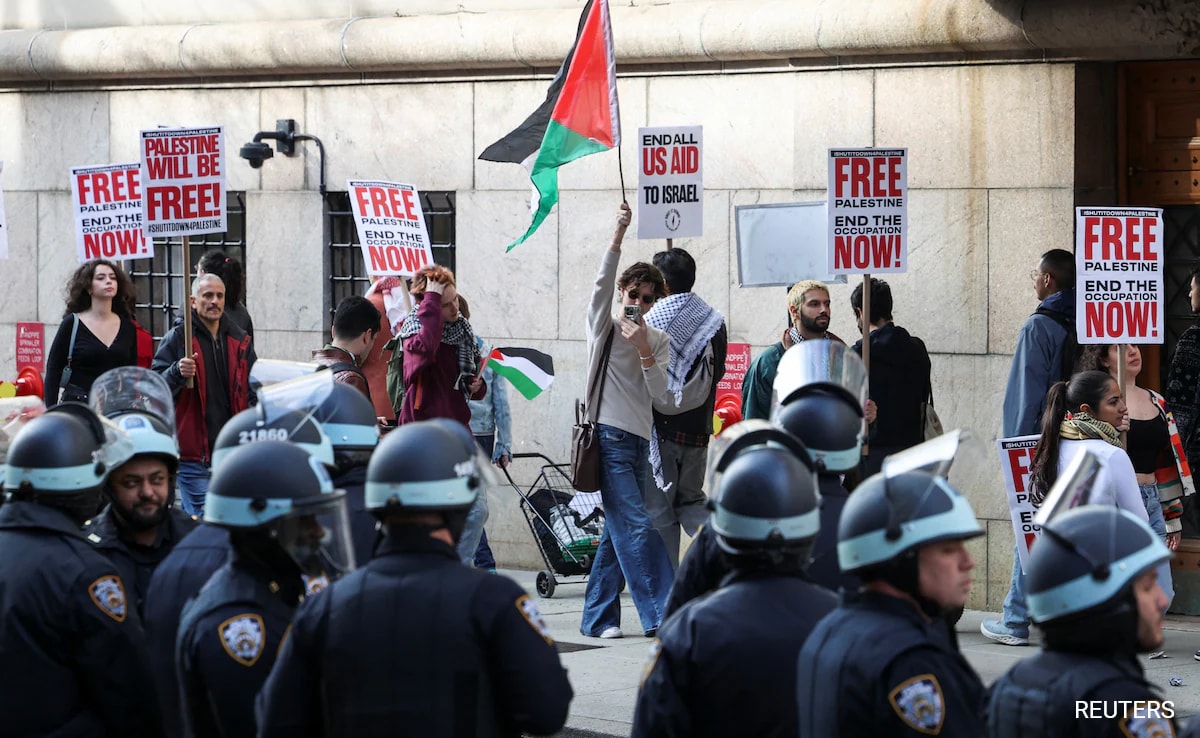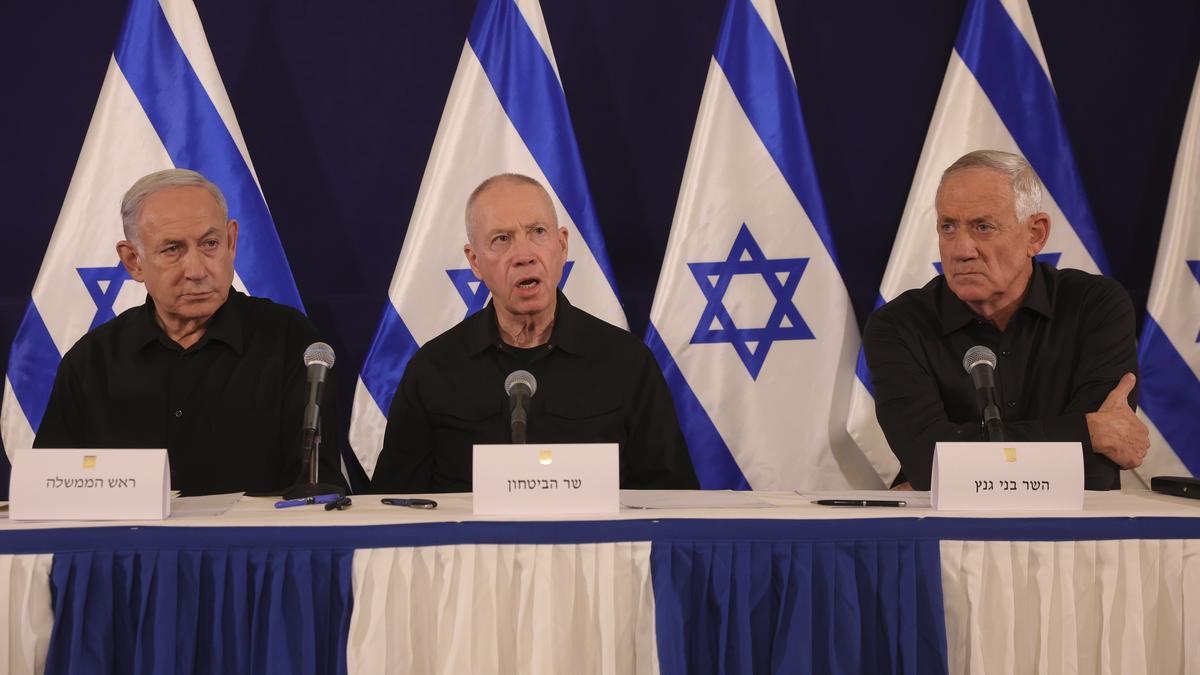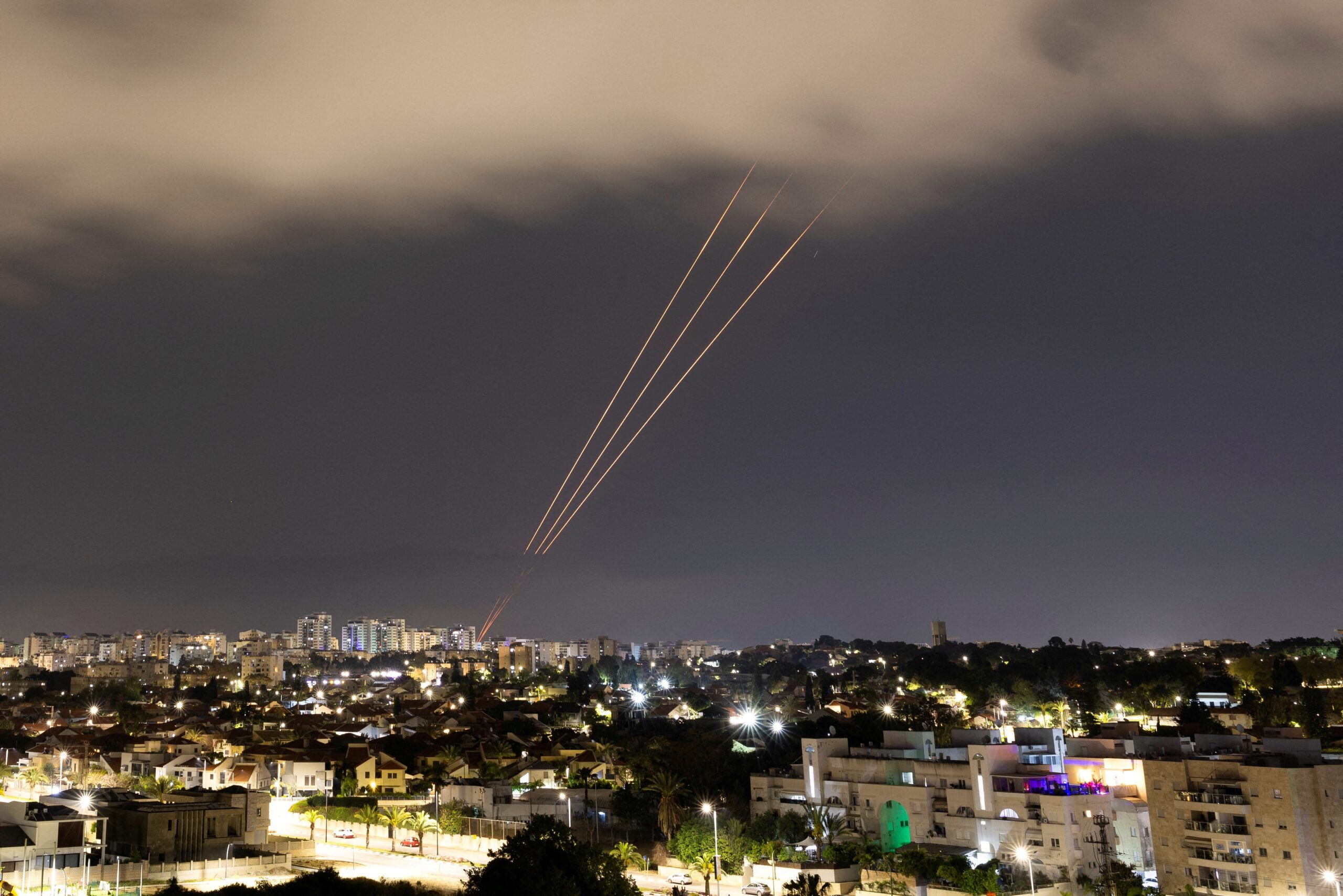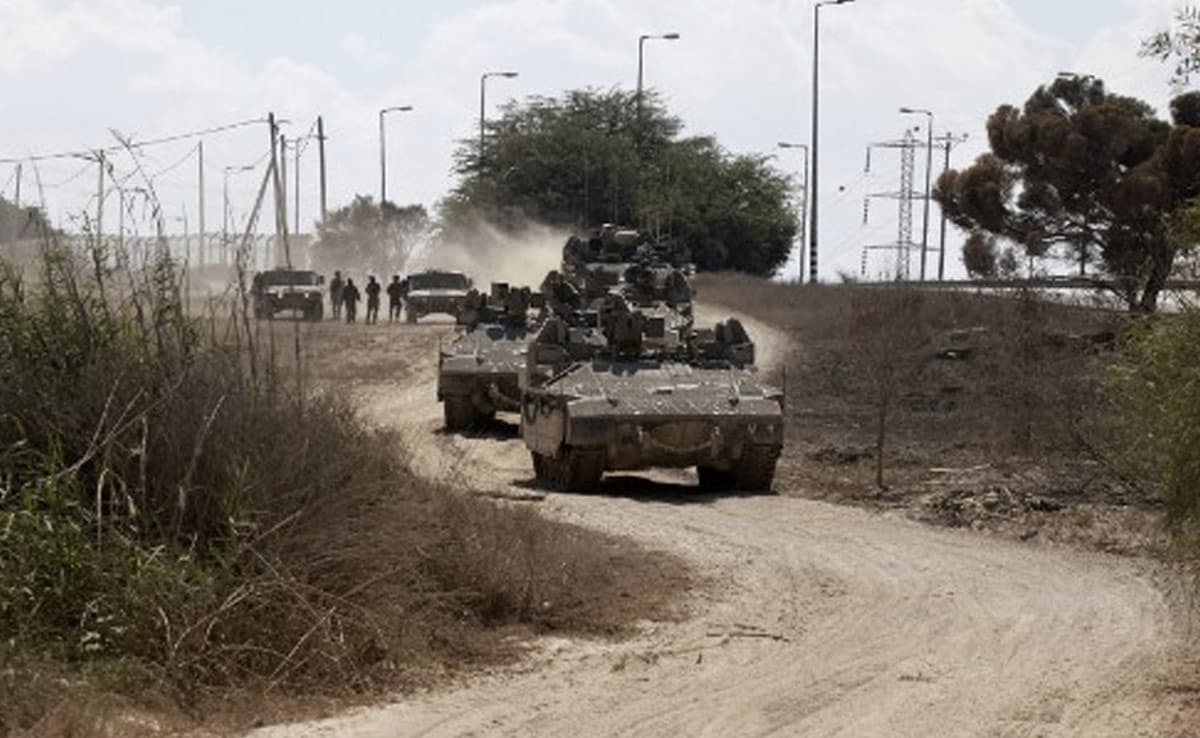






The story so far: Even as Israel continues to attack Southern Gaza’s Rafah, three European nations — Norway, Spain and Ireland — announced their formal recognition of Palestine as a state on May 22. The recognition is expected to take place on May 28. All three countries have urged Israel and Hamas to agree to an immediate ceasefire and allow aid to flow uninterrupted to Gaza.
Ireland’s Prime Minister Simon Harris likened Palestine’s struggle for statehood to Ireland’s fight for Independence from British rule, saying “Today, we use the same language to support the recognition of Palestine as a state” at a Dublin press conference. Ireland also recognised Israel’s right to “exist securely and at peace” with its neighbours, advising against Tel Aviv’s incursion into Rafah and rocket attacks by Hamas and Hezbollah.

Norewegian Prime Minister Jonas Gahr Støre said there was only one solution for Israelis and Palestinians alike: two states, living side by side, in peace and security. Similarly, Spain’s Prime Minister Pedro Sanchez noted that recognising Palestine was a step in favour of “peace, justice and moral consistency” and not against Israelis.
With the addition of these three nations, 146 of 193 nations in the world now recognise Palestine as a state. In the wake of Israel’s war on Gaza this year, Bahamas, Trinidad and Tobago, Jamaica and Barbados have recognised Palestine as a state. Countries which have not recognised Palestine’s statehood include the United States, Canada, France, Germany, Australia, Italy, United Kingdom and Japan.
Here’s a look at Palestine’s quest for statehood, the countries which recognise it and India’s stance on the two-state question.
Palestine’s statehood journey
1922- 1948: British Mandate and Jewish migration to Palestine
In 1922, the British established a ‘mandate’ expressing support for a national home for Jewish people in Palestine, leading to large-scale migration of Jews from Eastern Europe towards Palestine. The numbers swelled in 1930s and 1940s during the Nazi regime and the World War; the immigrant inflow was opposed by the Arabs who demanded independence for Palestine. Amid continued violence, calls for partition and independence, the British who were ruling the area, roped in the United Nations (UN) to resolve the issue.
1948-1987: Israel-Palestine partition, wars and ceasefire
The UN scrapped the mandate, partitioning Palestine into two independent states – one Arab and one Jewish, with Jerusalem as a separate international entity. In 1948, the Jewish state proclaimed its independence, calling itself Israel and capturing almost 77% of the territory mandated as Palestine by the British, including major areas of Jerusalem after two wars (Palestine war and Arab-Israeli war) with several neighbouring Arab nations. The remaining areas were controlled by Jordan and Egypt and run as an Arab state. Shortly thereafter, large-scale expulsion of Palestinians from Israel-controlled areas occurred, heightening tensions in the area.
Two consecutive wars occurred in 1967 and 1973 between Israel and the Arab coalition (Syria, Egypt and Jordan). In the 1967 war, Israel captured East Jerusalem and West Bank from Jordan, Gaza and Sinai from Egypt and Golan Heights from Syria. It later annexed Golan and East Jerusalem, but retuned Sinai to Egypt in the Camp David Agreement, which followed the 1973 war.
In the 1974 UN General Assembly, the body reaffirmed the inalienable rights of the Palestinian people to self-determination, national independence, sovereignty, and return. It also awarded the political coalition Palestine Liberation Organization (PLO) the status of observer in the UN Assembly. However, tensions continued as militant wings of the PLO indulged in attacks against Israeli civilians and terror attacks on Israeli territories, leading to Israeli offensive against Palestinians in 1980s.
1988-2000: Palestine declares Independence
A breakthrough was achieved when PLO chairman Yasser Arafat acknowledged Israel’s right to exist and accepted a two-state solution to the decades-long conflict. On November 15, 1988, PLO adopted the Palestinian Declaration of Independence in its National Council meeting in Algiers, electing Mr. Arafat as the first President of Palestine. Under his leadership, the PLO engaged in several negotiations with the Israeli government — the 1991 Madrid Conference, 1993 Oslo Accords and the 2000 Camp David Summit. These talks led to partial withdrawal of Israeli forces, recognition of PLO as Palestine’s representative in bilateral talks, release of prisoners and establishment of a Palestine administration for self-rule in Gaza and West Bank. But the actual promise of the Oslo Accords, the creation of an independent, sovereign Palestine state, never materialised.
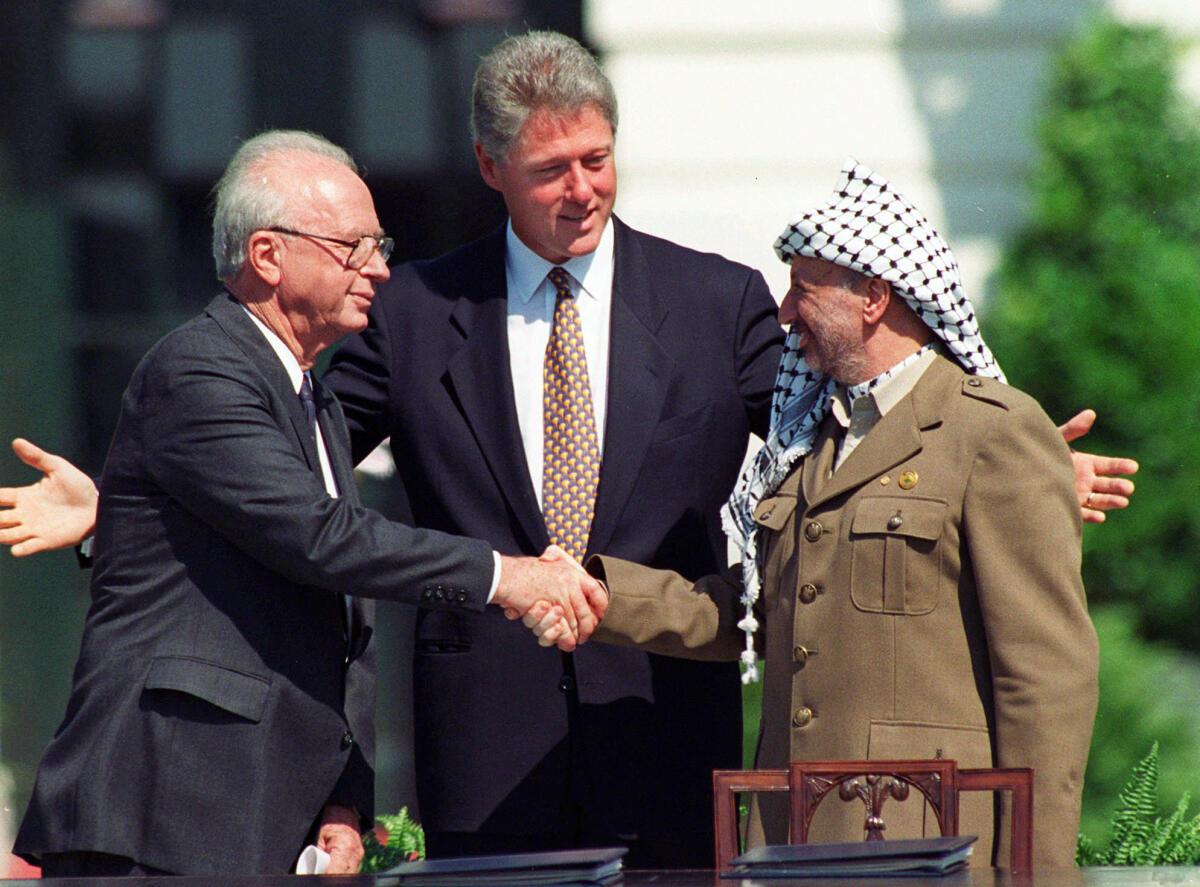
Israeli Prime Minister Yitzhak Rabin, left, and Palestinian leader Yasser Arafat shake hands marking the signing of the peace accord between Israel and the Palestinians, in Washington, Sept. 13, 1993.
| Photo Credit:
AP Photo
2001-Present: Rise of Hamas, Palestine’s UN membership bid
In 2007, the militant group Hamas snatched control of Gaza, after its elected government was dissolved by the Palestinian Authority President Mahmoud Abbas. Israel imposed an illegal blockade on Gaza in response, and Israel and Hamas have fought several wars ever since.
Tel Aviv also began expanding settlements in the West Bank while it withdrew all settlements from the Gaza Strip. As negotiations between Israel and Palestine broke down in 2010, Palestinian President Mahmoud Abbas applied to the UN for Palestine’s membership to the international body in 2011. Since then, the international body is yet to grant Palestine full membership. Recently, the UN Assembly adopted a resolution qualifying Palestine’s application with 143 votes favouring it, nine against and twenty-five abstaining from voting— the closest Palestine has gotten to membership.
Which countries recognise Palestine and when?
1988-89: Recognition on declaration of Independence
When Palestine first declared Independence, several Muslim nations, including Saudi Arabia, Egypt, Jordan, Iran, Iraq, Egypt, Yemen, Oman, Turkey, Afghanistan, Pakistan, United Arab Emirates (UAE), Kuwait, and Qatar recognised Palestine. Similarly, Asian nations like India, Laos, Indonesia, China, Russia, Mongolia, Sri Lanka, Nepal, Bangladesh, and North Korea recognised Palestine along with African nations like Algeria, Mali, Nigeria, Somalia, Libya, Chad, Sudan, Madagascar, Mozambique, Botswana, and Namibia.
Several Eastern European nations like Ukraine, Poland, Belarus, Romania, Hungary, Czech Republic, and Slovakia too recognised Palestine once it declared its independence. However, the West was more hesitant.
Most of these nations have cited the Palestinian people’s right to a state and PLO’s legitimate representation of the Palestinian people as the reasons they have recognised Palestine as a state. Several believe that the two-state solution is the only viable option for long-term peace in the region, and hence view Palestine’s recognition as a state as imperative.
1990s-2010: Other African nations recognise Palestine
With the signing of the Oslo Accords in 1993, other African nations like Rwanda, Ethiopia, South Africa, and Malawi recognised Palestine as a state. Tajikistan, Uzbekistan, Kazakhstan, Azerbaijan, Turkmenistan, Georgia, Bosnia and Herzegovina, and the Philippines, too recognised Palestine as a state.
The 90s and early 2000s (prior to Hamas’s election victory in the Palestinian territories) was the most stable period in Israel-Palestine negotiations, though Israel’s occupation and settlements continued. Mr. Arafat himself enjoyed cordial relations with many African leaders; several African leaders have drawn parallels to the plight of enslaved or colonised Africans to that of Palestinians living under Israeli rule, making the state’s recognition a natural step. While almost all African nations recognise Palestine, condemnation of Israel’s attack on Gaza has not been uniform in the continent, indicating Israel’s growing influence in Africa.
2011-Present: Latin America’s ‘pink tide’ pushes the Palestinian cause
With Palestine applying for membership in the United Nations, many South American nations began recognising Palestine as a state. Several reports attribute this wave of recognition to the ‘pink tide’ — the rise of Left governments in elections. In 2010-11, Latin American nations like Brazil, Peru, Argentina, Chile, Guyana, Suriname, Ecuador, Uruguay and Paraguay recognised Palestine.
In the late 2010s, when Left governments were elected in Mexico, Columbia, Honduras, and Bolivia, a second wave of recognitions for Palestine flowed — with Mexico being the latest to recognise it in 2023.
The rise of Left politics in Latin America has escalated anti-US sentiments in some of these nations. After Tel Aviv waged war on Gaza, the heads of Latin American states have been most vocal in their condemnation. Bolivia, Colombia, Chile, Honduras, and Argentina censured Israel’s actions, with some even severing diplomatic relations with Israel.
According to international relations expert Mauricio Jaramillo, Latin America, which has usually maintained close relations with Israel, is sympathetic to the Palestine cause due to its own experience in the Cold War. Several military dictatorships backed by the US were propped up in Latin America during the Cold War, suppressing Leftist politics.
In Western Europe, Sweden (2014) and Iceland (2011) remain the only nations which have formally recognised Palestine as a state. Some western nations have hitherto held fast to the stance that Palestinian statehood was the prize for a final peace agreement in the region. However, UK Foreign minister David Cameron has indicated that the recognition of Palestinian statehood by European nations could come earlier, to help drive momentum towards a political settlement. Even France voted for Palestine’s membership to the UN in the general assembly on May 10.
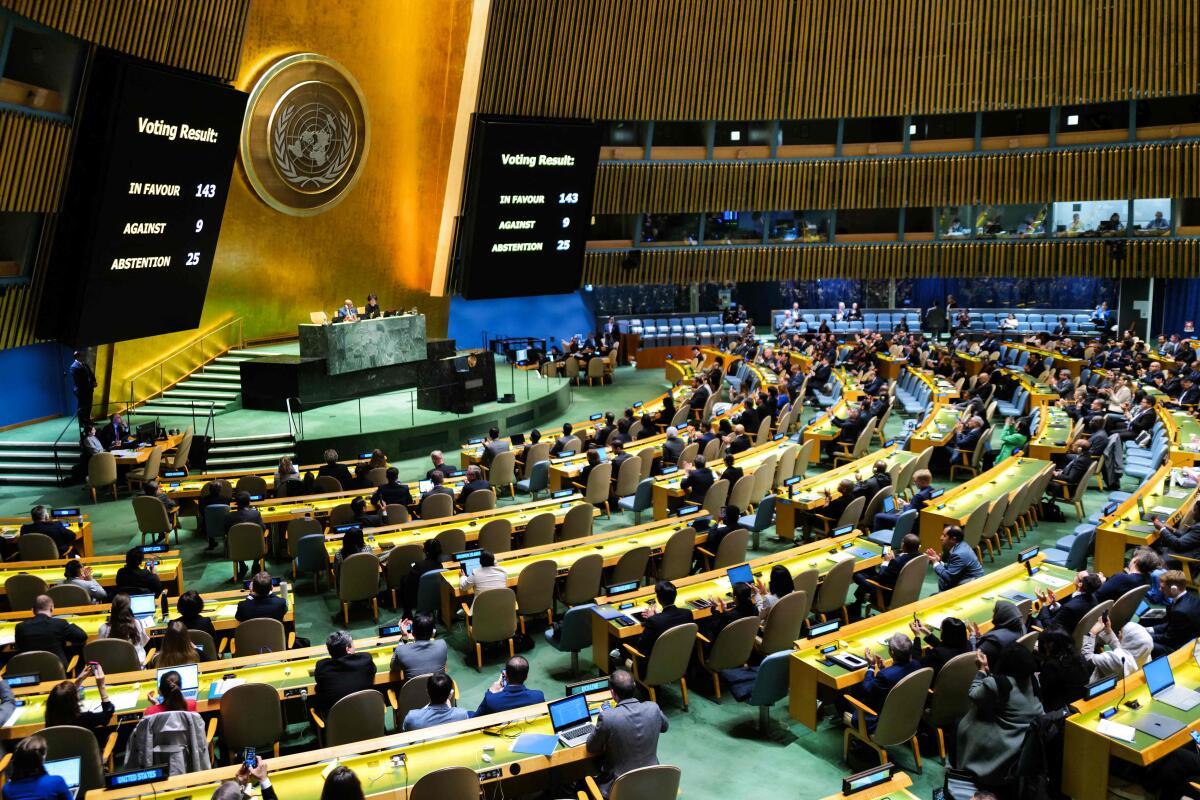
The results of a vote on a resolution for the UN Security Council to reconsider and support the full membership of Palestine into the United Nations is displayed during a special session of the UN General Assembly, at UN headquarters in New York City on May 10, 2024.
| Photo Credit:
AFP
However, the biggest hurdle towards recognition remains the US, which vetoed Palestine’s bid for full UN membership in April. It has privately discussed the issue with European allies but seeks clarity as to what the recognition of Palestine would mean in terms of policy, a report in the BBC suggested.
What is India’s stance on Palestine?
In 1947, India opposed the partition of historical Palestine at the UN. It also remained a strong supporter of the Palestine cause. It became the first non-Arab nation to recognize the PLO as a legitimate representative of the Palestinian people. On its declaration of Independence, India recognised Palestine as a nation and opened its Representative office to the Palestine Authority in Gaza in 1996, later shifted to Ramallah in 2003.
India has always voted in favour of UN membership for Palestine, backing the state’s latest bid in a draft U.N. General Assembly resolution. In a first for an Indian state head, President Pranab Mukherjee visited Palestine in October 2015, while Prime Minister Narendra Modi followed in February 2018. Palestine’s President Mahmoud Abbas has visited India in 2005, 2008, 2010, 2012 and 2017.
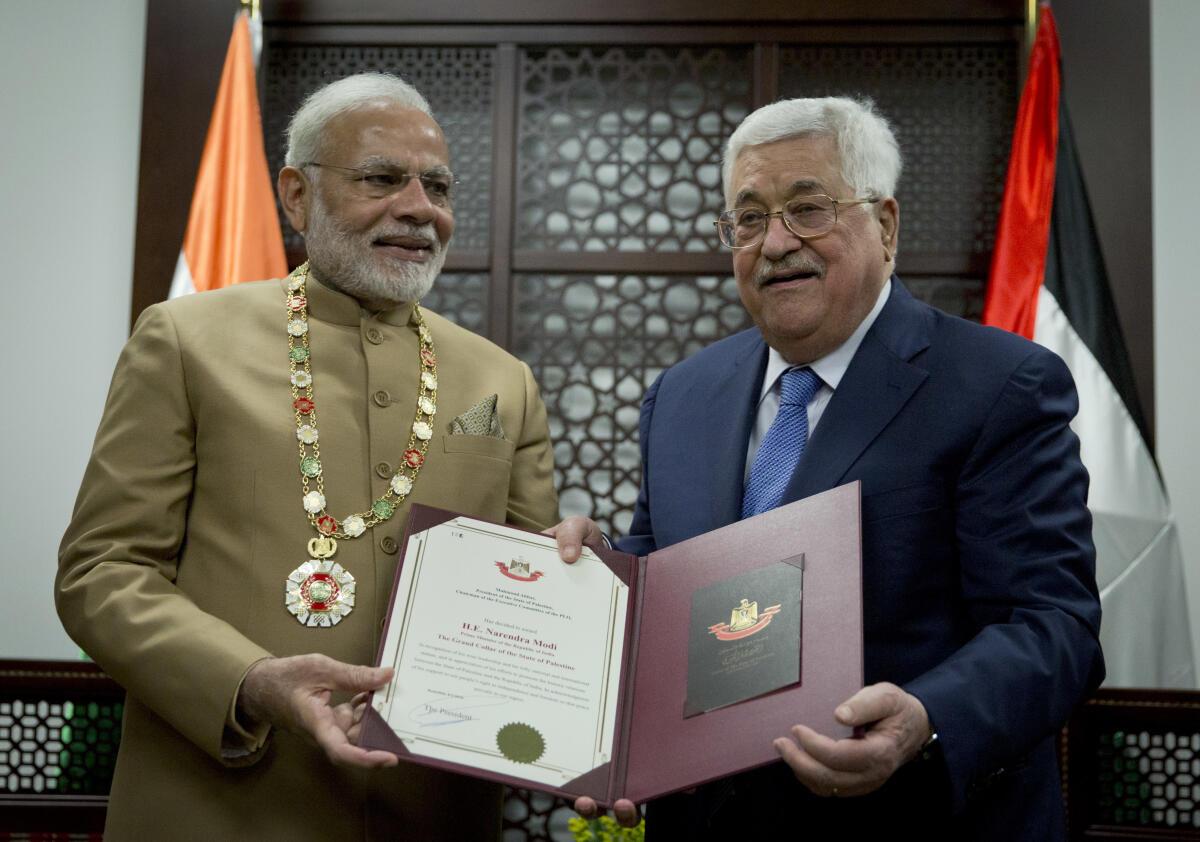
Palestinian President Mahmoud Abbas, right decorates Indian Prime Minister Narendra Modi with the Grand Collar of the State of Palestine medal, during his visit to the Palestinian Authority headquarters in the West Bank city of Ramallah, Saturday, Feb. 10, 2018.
| Photo Credit:
AP Photo
In the Israel-Palestine dispute, India has always supported “a negotiated two-state solution towards establishing a sovereign, independent and viable state of Palestine within secure and recognised borders, living side by side in peace with Israel.” In the wake of the October 7 attack by Hamas on Israel, India condemned the attack and called for de-escalation and peaceful resolution of the conflict through dialogue and diplomacy. Seeking the release of prisoners on both sides, India has called for an ‘immediate ceasefire’ between Hamas and Israel as the death toll rose to alarmingly high levels.