



The deadly H5N1 bird flu virus has spread more aggressively than ever before in wild birds and marine mammals since arriving in South America in 2022, raising the risk of it evolving into a bigger threat to humans, according to interviews with eight scientists.
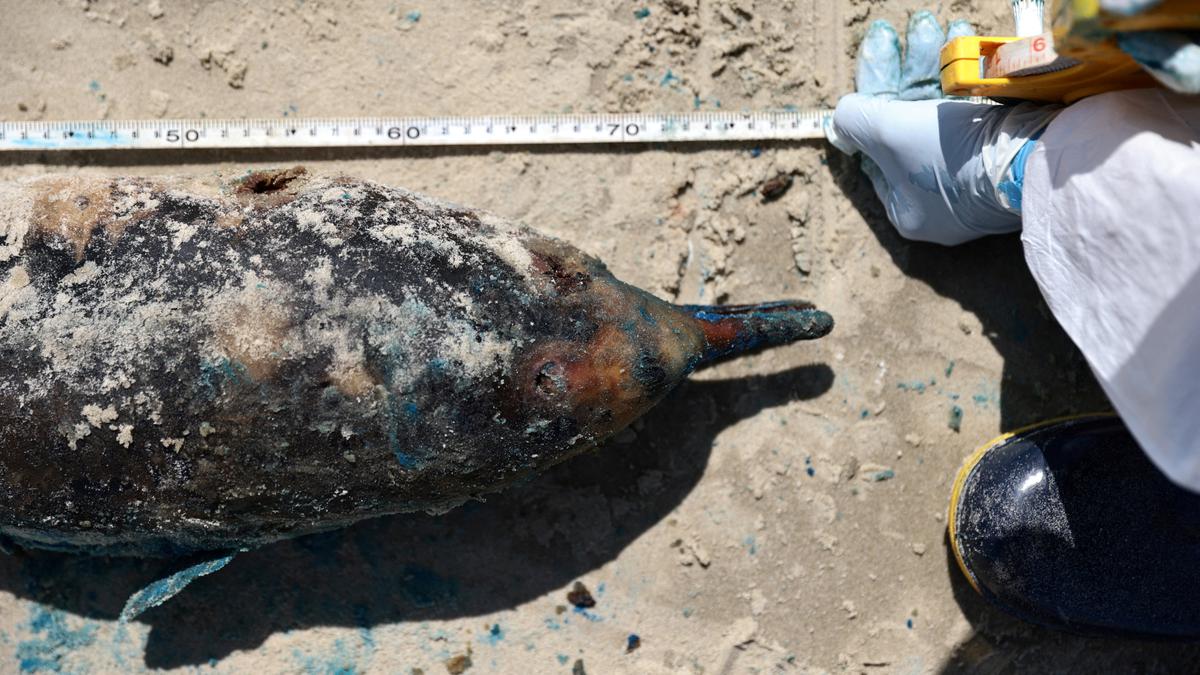
Of more immediate concern is evidence the disease, once largely confined to bird species, appears to be spreading between mammals. This strain has already killed a handful of dolphins in Chile and Peru, some 50,000 seals and sea lions along the coasts, and at least half a million birds regionwide.
To confirm mammal-to-mammal transmission, scientists would likely need to test infections in live animals.
“It’s almost certainly happened,” said Richard Webby, a virologist at St. Jude’s Children’s Research Hospital in Memphis, Tennessee. “It’s pretty hard to explain some of these large infections and die off without having mammal-to-mammal spread.”
The strain has shown up in dozens of bird species, including some migrating species, which can spread it beyond the region, scientists told Reuters.
As climate change escalates, animals will be forced to move into new territories, mixing with one another in new ways and possibly boosting opportunities for the virus to further mutate.
“It’s a matter of time before you will detect the first South American strain in North America,” said Alonzo Alfaro-Nunez, a viral ecologist at University of Copenhagen.
Human risk
The growing concern has prompted the 35 countries in the Pan American Health Organisation (PAHO) to convene regional health experts and officials at a meeting this week in Rio de Janeiro.
The group plans to launch the world’s first regional commission to oversee bird flu monitoring and response efforts, a PAHO official told Reuters. This has not been previously reported.
Since the virus was first detected in Colombia in October 2022, there have been two known cases in humans on the continent, one each in Ecuador and Chile. Both came from exposure to infected birds.
While those patients survived, H5N1 bird flu is deadly to humans in roughly 60% of cases worldwide.
The World Health Organisation (WHO) is unlikely to raise the risk level for humans from the current “low” without evidence of human-to-human transmission or mutations adapted to human receptors, experts said.
Drugmakers, including GSK and Moderna, have said they are developing bird flu vaccines for humans, and have the capacity to produce hundreds of million so doses within months utilising production lines used for seasonal flu vaccines.
“We’re seeing [the virus] doing little evolutionary steps that are on the long-term moving towards a potential human infection,” said Ralph Vanstreels, a University of California, Davis researcher studying South American variants of H5N1.
Every year, Argentina’s Peninsula Valdes on the windswept Atlantic coast teems with densely packed elephant seals rearing pups.
Last November, Mr. Vanstreels came across a grim scene: hundreds of dead and rotting pups on the beach. Researchers estimate 17,400 pups died, nearly all born to the colony that year.
For each of those pups to have been infected by birds is highly unlikely, scientists said. Pups usually have contact only with their mothers, leading scientists to suspect this is how it spread.
Mr. Vanstreels is part of a group of scientists working to trace the virus’ genetic mutations in South America.
In a draft paper posted on the U.S. Centres for Disease Control and Prevention website, they analysed samples from sea lions, seals and birds from up the coast from Peninsula Valdes. Comparing the genomes from these samples with those collected in North America in 2022 and Asia earlier, the team identified nine new mutations.
The same mutations were found in samples collected in 2022 and 2023 in Chile and Peru, which were also hit by mass mortality of sea lions and birds.
“This is the first time this virus is so adapted to wildlife,” Mr. Vanstreels said. “Clearly something happened in Peru and in northern Chile where they acquired these new mutations.”
In the draft paper, researchers noted that the same mutations were present in one of the continent’s two human cases, a 53-year-old man who lived one block from the seashore where seabirds congregated.
Researchers said that case “highlights the potential threat posed by these viruses to public health.”
Regional response
With health officials and experts meeting in Rio this week, Latin American countries will be pressed to boost disease surveillance in the wild.
The region’s patchy data and limited resources has left scientists struggling to understand how the disease is spreading in the wild, with the number of cases likely much higher than reported. Some cases are not being sampled or lab-tested, scientists said.
Bolivia, for example, did not register a case in the wild last year, though the disease has been detected in surrounding countries, said Manuel Jose Sanchez Vazquez, epidemiology coordinator for PAHO’s veterinary health centre.
Managing the disease response can also be complex, Mr. Sanchez noted. Threats to humans are dealt with by public health officials, while threats to poultry or livestock fall to agriculture or veterinary authorities. In wild animals, the purview typically falls to environmental officials.
The new regional commission, expected to be announced on March 14, would aim to set standard protocols for monitoring, handling and reporting cases among various government agencies. It could also help in pooling laboratory resources, Mr. Sanchez said.
“We are worried and we are vigilant,” Sanchez said. “The more adaptation of the virus to mammals, the more likely it is that transmission to humans could happen.” (Reporting by Jake Spring; Editing by Katy Daigle and Bill Berkrot)