




The cannabis plant (Cannabis sativa) has long been of interest to psychiatrists for its perceived effects on mood and cognition. There is currently significant research interest in using cannabis-based compounds to manage and/or treat schizophrenia and cannabis-use and heroin-use disorders.
Recently, researchers at the University of British Columbia in Canada floated a new clinical trial to examine whether cannabidiol could be used to treat bipolar depression. Given the paucity of agents to treat depressive episodes in bipolar disorder, this trial has the potential to uncover a novel treatment to treat the debilitating depression associated with the condition.
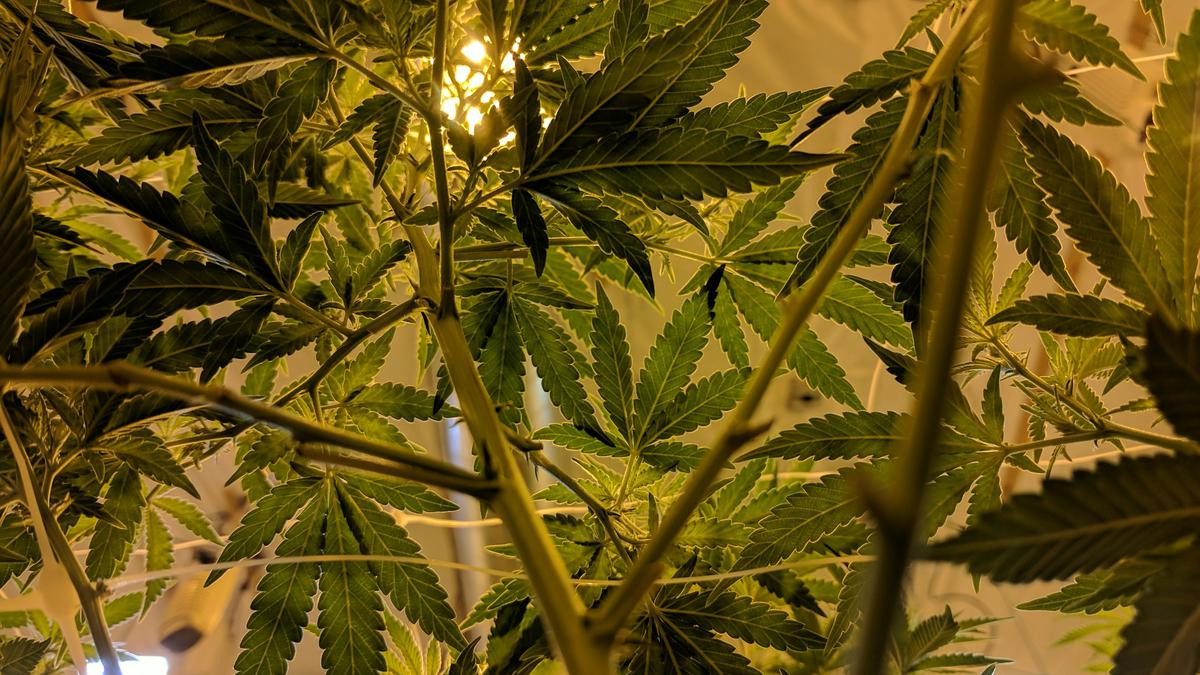
The major psychotomimetic agent in C. sativa is a compound called delta-9-tetrahydrocannabinol (THC). There is growing interest in another cannabinoid, cannabidiol (CBD), which may have antipsychotic, anti-inflammatory, and neuroprotective properties. The plant’s flowering parts are more potent than its leaves.
Marijuana is a combination of buds and leaves of pollinated female plants, and is usually cultivated outdoors.
The cannabinoid system
The human cannabinoid system has two cannabinoid receptors, called CB1 and CB2. The naturally occurring substrate of the CB1 receptor is anandamide, a compound whose name comes from the Sanskrit word ‘ananda’, meaning bliss.
CB2 is found in the spleen and testes and to a lesser extent in the central nervous system (CNS). CB1 is found diffusely throughout the CNS. The CNS is involved in the release of various neurotransmitters, including dopamine, noradrenaline, and serotonin. CB1 is like a traffic cop: it controls the levels and activities of other neurotransmitters. The CB1 receptor is relevant to the drug’s mind-altering effects.
To stimulate these receptors, our bodies produce molecules called endocannabinoids. These are endogenous: they occur naturally within the body. The endocannabinoid system (ECS) comprises a dense network of chemical signals and cellular receptors. The cannabis plant works its effect by hijacking this machinery.
The cannabinoid system modulates a host of bodily functions, including pain, memory, psychomotor control, sleep, and appetite. THC in particular has acute effects on motor control and impairs fine movement. High doses of recreational cannabis use can disrupt short-term memory. Impaired attention is believed to be mediated by another part of the brain called the hippocampus, which is involved in memory and learning. This might indicate a possible role for THC in the extinction of bad memories in post-traumatic stress disorder (PTSD).
In his 2001 book The Botany of Desire, Michael Pollan wrote humans have cultivated and co-evolved with the cannabis plant for thousands of years. He argued that the act of forgetting is important to humans and that cannabis helps us achieve this, especially when we don’t want to be overloaded with traumatic memories. A 2022 animal study also found preclinical evidence that molecules targeting the ECS could be used to treat PTSD.
The rimonabant debacle
Since ECS regulates hunger, it was thought that blocking the CB1 receptor could result in weight loss. There is a well-established association between THC exposure and a craving for high-fat, high-sugar foods. On this basis, in 2006, Sanofi-Aventis marketed a CB1 blocker called rimonabant in Europe as an anti-obesity drug. But while it did cause weight loss, it carried a risk of depression and suicidality and was eventually withdrawn.
Nonetheless, THC and synthetic cannabinoids are also being used to stimulate appetite in people with HIV-AIDS and cancer. The anti-nausea property of THC is useful to ameliorate nausea associated with chemotherapy. Cannabinoids are also used to treat acute and chronic pain syndromes. Nabilone, a synthetic cannabinoid, has been shown to ameliorate chronic neuropathic pain, headache, and fribromyalgic pain. Sativex, which contains both THC and CBD, has been used to manage pain associated with multiple sclerosis.
One debate among psychiatrists is whether THC can be addictive. Animal studies have found evidence of addictive responses whereas the evidence for humans is more uneven. Many users also don’t increase their use of THC once they have reached some sort of plateau.
This is probably because THC has a great ability to dissolve in fats and oils, ensuring it remains in the brain for weeks. It is excreted only slowly upon cessation of heavy regular use. As a result, THC cessation doesn’t have the same rapid, dramatic withdrawal symptoms associated with nicotine and alcohol. Known withdrawal effects include sleep difficulties, loss of appetite, weight loss, restlessness, irritability, and anger.
Effects on anxiety and mood
The mood effects of cannabis are complex. Early reports of the compound being effective for some people with treatment-resistant depression are not supported by rigorous studies. This said, many studies on the mood effects of cannabis have reported an association with depression.
There has been little scientific scrutiny of cannabis in relation to bipolar disorder, despite its widespread use by people with this condition. One 2009 study was able to conclude that people with bipolar disorder who used cannabis had more manic relapses, adhered less to medications, and had worse psychosocial outcomes compared to non-users. Research has also found that cannabis use can independently increase the risk of bipolar disorder and/or advance its onset in some individuals.
Indeed, while cannabis can have psychotic effects on anybody upon consumption, the individual predisposition depends on their experience with the drug, the context in which it is consumed, and crucially, how prone the individual is to psychosis.
For example, one 2018 study sought to understand the rates of conversion to schizophrenia and bipolar disorder in those who had already been diagnosed with substance-induced psychosis. Around 48% of cannabis users converted to either schizophrenia or bipolar disorder within three and four years, respectively, of having received a diagnosis of substance-induced psychosis.
People with established psychotic illnesses, such as schizophrenia, have a very high predisposition to manifest psychotic symptoms when imbibing cannabis, despite it being on anti-psychotic medication. Cannabis use in youth can also advance the onset of schizophrenia by seven to eight years in genetically vulnerable individuals.
There has been a long-standing debate in psychiatry: whether people who have used cannabis and have later developed schizophrenia manifest the disorder only because they used cannabis. As of today, there is high-quality evidence for a consistent association between cannabis use in youth and later psychotic symptoms.
Policy-making and legislation
As things stand, C. sativa is also the most widely used illicit drug worldwide. The frequency and potency of cannabis use have also exploded in the last two decades, prompting broader debates about the decriminalisation of cannabis.
This is partly because of the resurgence of interest in cannabis as medicine. Jurisdictions around the world are legalising medical use of cannabis; some have also legalised recreational use. Many of them are in the West but other countries are taking note as well.
If India were to ever decriminalise cannabis, policymakers should ensure it isn’t commercialised and that there are protections against use by children, adolescents, and those with established mental illnesses – the populace most vulnerable to the detrimental effects of cannabis.
Dr. Alok Kulkarni is a senior interventional neuropsychiatrist at the Manas Institute of Mental Health and Neurosciences at Hubli in Karnataka. He received the IMH Marshall Fellowship in Mood Disorders from the University of British Columbia, Vancouver.