
Skip to content
  • Facebook
  • X
  • Linkedin
  • WhatsApp
  • Associate Journalism
  • About Us
  • Privacy Policy
  • 033-46046046
  • editor@artifex.news
Artifex.News

Artifex.News

Stay Connected. Stay Informed.

  • Breaking News
  • World
  • Nation
  • Sports
  • Business
  • Science
  • Entertainment
  • Lifestyle
  • Toggle search form
  • South Korean, Chinese and Japanese leaders discuss thorny topics and ways to boost cooperation World
  • “It’s Illegal”: On IPL 2024’s Record High Scores, Pakistan Great’s Viral Reaction Sports
  • H5N1 remains infectious on milking equipment for over one hour Science
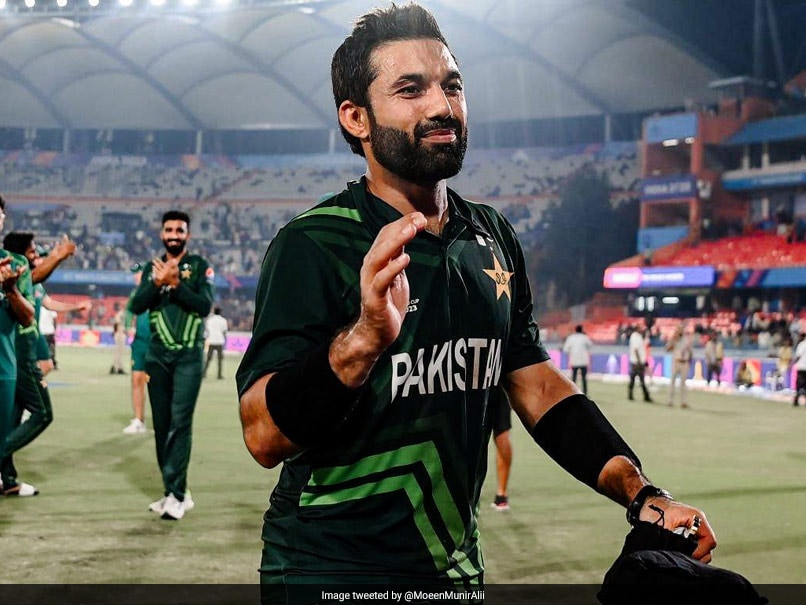
  • “Entire Story Not In 20-30 Seconds Clip”: Ex-India Star On Viral Mohammad Rizwan Video Sports
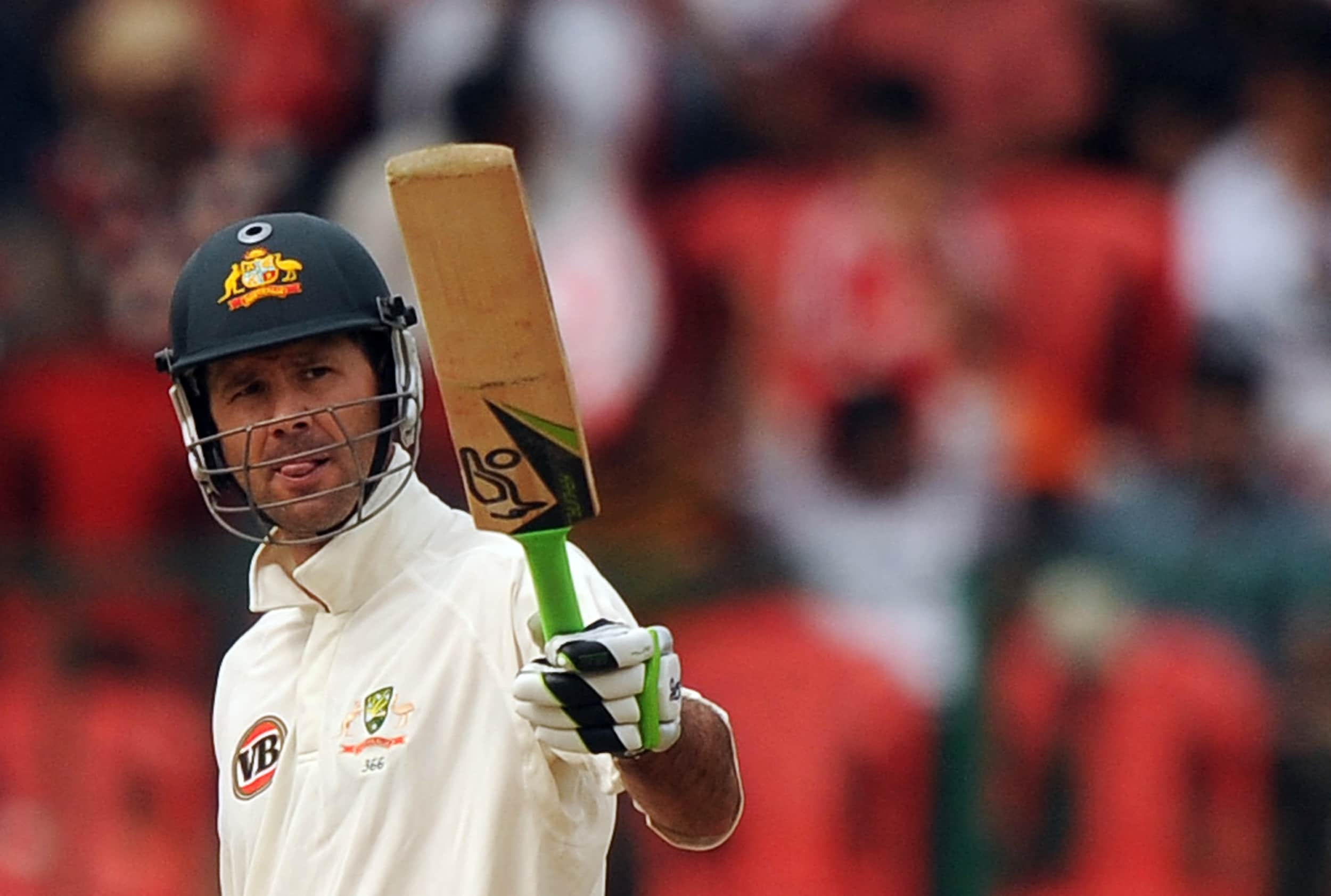
  • “Have Every Bat That I Scored An International Century With”: Ricky Ponting Sports
  • Cop In US Fired After Groping Adult Content Creator In Staged Traffic Stop Stunt World
  • U.S. accuses Russia of using chemical weapons against Ukraine World
  • Narayanan Vaghul, legendary banker and former ICICI Bank chairman, passes away at 88 Business

Traditional medicine provides health care to many around the globe – the WHO is trying to make it safer and more standardised

Posted on September 26, 2023 By admin


For approximately 80% of the world’s population, the first stop after catching a cold or breaking a bone isn’t the hospital — maybe because there isn’t one nearby, or they can’t afford it. Instead, the first step is consulting traditional medicine, which cultures around the world have been using for thousands of years.

Traditional medicine encompasses the healing knowledge, skills and practices used by a variety of cultures and groups.

Examples of traditional medicine include herbal medicine; acupuncture; Tui Na – which is a type of massage originating in China; Ayurveda – which is an ancient system of promoting health through diet, exercise and lifestyle from India; and Unani – which is another ancient system of health from South Asia, balancing key aspects of the mind, body and spirit.

In recognizing that traditional medicine and other alternative forms of healing are critical sources of health care for many people worldwide, the World Health Organization and the government of India co-hosted their first-ever Traditional Medicine Summit. The summit took place in August 2023 in Gandhinagar, Gujarat, India.

The summit brought together health care policymakers, traditional medicine workers and users, international organizations, academics and private sector stakeholders from 88 WHO member states. Leaders at the summit aimed to share best practices and scientific evidence and data around traditional medicine.

Also Read | India’s traditional medicine discourse: less about medicine, more about India 

As researchers interested in how to provide patients both in the U.S. and around the globe with the best possible medical care, we were interested in the summit’s findings. Understanding traditional medicine can help health care professionals create sustainable, personalized and culturally respectful practices.

Critical health care for many

In many countries, traditional medicine costs less and is more accessible than conventional health care. And many conventional medicines come from the same source as compounds used in traditional medicine – up to 50% of drugs have a natural product root, like aspirin.

Many factors may influence whether someone chooses traditional medicine, such as age and gender, religion, education and income level, and distance to travel for treatment. Cultural factors may also influence people’s use of traditional medicine.

In China, for example, as more people have embraced Western culture, fewer have chosen traditional medicine. In contrast, many African migrants to Australia continue to use traditional medicine to express their cultural identity and maintain a cohesive ethnic community. A patient’s preference for traditional medicine often has significant personal, environmental and cultural relevance.

A framework for traditional medicine

Countries have been pushing the WHO to study and track data on traditional medicine for years. In the past, WHO has developed a “traditional medicine strategy” to help member states research, integrate and regulate traditional medicine in their national health systems.

The WHO also created international terminology standards for practicing various forms of traditional medicine.

The practice of traditional medicine varies greatly between countries, depending on how accessible it is and how culturally important it is in each country. To make traditional medicine safer and more accessible on a broader scale, it’s important for policymakers and public health experts to develop standards and share best practices. The WHO summit was one step toward that goal.

Also Read | WHO asks countries to work towards unlocking the power of traditional medicine

The WHO also aims to collect data that could inform these standards and best practices. It is conducting the Global Survey on Traditional Medicine in 2023. As of August, approximately 55 member states out of the total 194 have completed and submitted their data.

Acupuncture – a case study in safety and efficacy

Some traditional medicine practices such as acupuncture have shown consistent and credible benefits, and have even started to make it into mainstream medicine in the U.S. But leaders at the summit emphasized a need for more research on the efficacy and safety of traditional medicine.

Although traditional medicine can have a range of benefits, some treatments come with health risks.

For example, acupuncture is a traditional healing practice that entails inserting needles at specific points on the body to relieve pain. But acupuncture can cause infections and injuries if the practitioner doesn’t use sterile needles or if needles are inserted incorrectly.

Still, acupuncture is the most commonly used traditional medicine practice across countries, with 113 WHO member states acknowledging their citizens practiced acupuncture in 2019.

Interestingly, battlefield acupuncture has successfully treated many U.S. military members, for example, for pain reduction. It is simple to use, transportable and has no risk of addiction.

There’s also some evidence supporting the use of traditional medicine, including acupuncture, meditation and yoga to treat post-traumatic stress disorder.

However, acupuncture practitioners aren’t trained in a uniform way across countries. To provide guidelines for best practice, the WHO developed standardized benchmarks for practicing acupuncture in 2021. The WHO aims to develop similar standards for other forms of traditional medicine as well.

Interest in traditional medicine is growing among those who have mainly used conventional medicine in the past. More research and collaborative efforts to develop safety standards can make traditional medicine accessible to all who seek it.
Ling Zhao, Professor of Nutrition, University of Tennessee and Paul D. Terry, Professor of Epidemiology, University of Tennessee

This article is republished from The Conversation under a Creative Commons license. Read the original article.


Source link

Science Tags:acupuncture, alternative medicine, ayurveda, health news, healthcare, Traditional medicines, unani, WHO

Post navigation

Previous Post: Russian Black Sea Commander Viktor Sokolov Attends Meet After Ukraine Said It Killed Him
Next Post: Indo-U.S. ties must be more ambitious, vie for frictionless trade relationship: Ambassador Garcetti

Related Posts

  • Researchers call Australia carbon credit scheme a ‘catastrophe’ Science
  •  Toy-inspired engine creates power from evaporated water  Science
  • After Pragyan, lander Vikram also put in sleep mode  Science
  • Archaeologists in Egypt unearth section of large Ramses II statue Science
  • Taking away Fukushima’s melted nuclear gas will likely be tougher than the reduce of plant’s wastewater Science
  • Can heavy snowfall and rain contribute to some earthquakes? Science

More Related Articles

Echolocation: What goes around comes around Science
Katalin Kariko, scientific maverick who paved way for mRNA vaccines Science
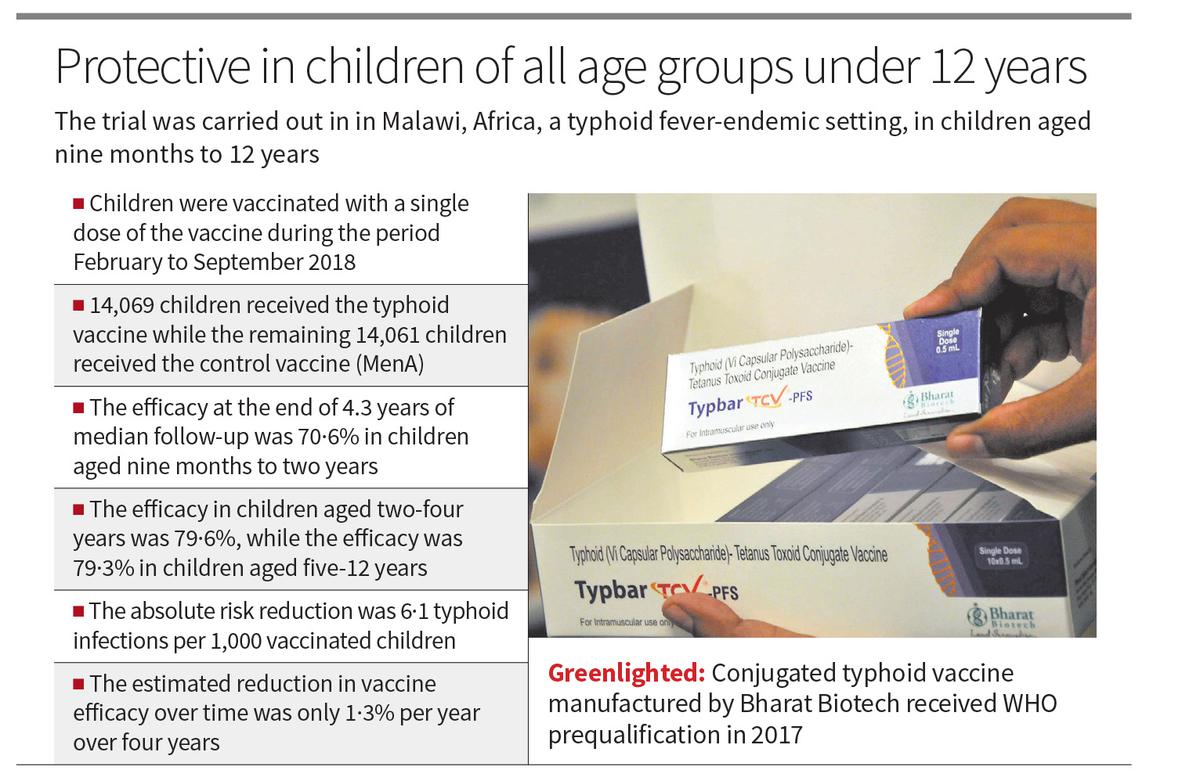
India-made typhoid vaccine efficacy lasts for four years: study Science
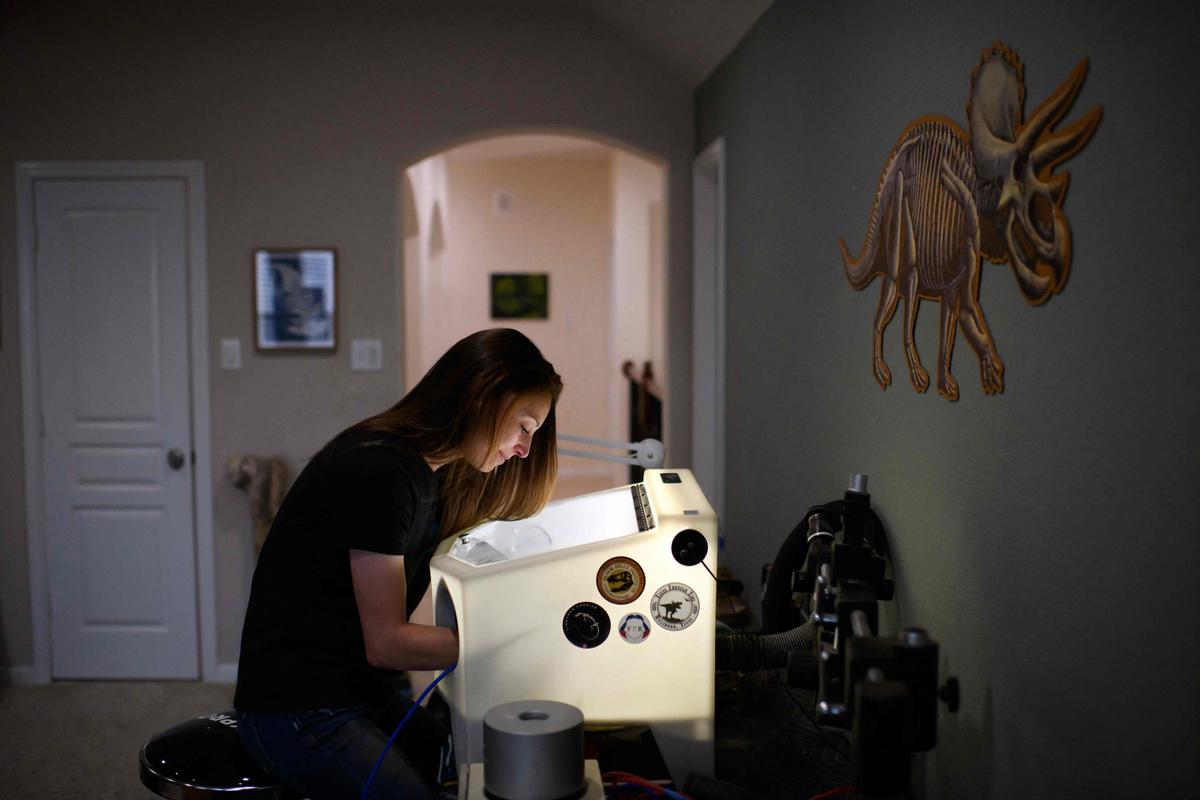
U.S. restorationist solves 60-million-year-old dinosaur fossil ‘puzzles’ Science
Heart failure, not stroke is the common complication of atrial fibrillation Science
Three astronauts return to Earth after a year in space. NASA’s Frank Rubio sets US space record Science
SiteLock

Archives

  • July 2024
  • June 2024
  • May 2024
  • April 2024
  • March 2024
  • February 2024
  • January 2024
  • December 2023
  • November 2023
  • October 2023
  • September 2023
  • August 2023
  • July 2023
  • June 2023
  • May 2023
  • April 2023
  • March 2023
  • February 2023
  • January 2023
  • December 2022
  • November 2022
  • October 2022
  • September 2022
  • August 2022
  • July 2022
  • June 2022
  • May 2022

Categories

  • Business
  • Nation
  • Science
  • Sports
  • World

Recent Posts

  • Seven children among 49 people drowned across Russia on July 6
  • New private investment plans slumped to 20-year low in Q1
  • France PM Gabriel Attal Offers Resignation, French Parliamentary Elections, President Emmanuel Macron
  • New UK Defence Minister Visits Odesa On First Trip Abroad, Pledges More Support
  • Madhya Pradesh High Court Junks Rape Case

Recent Comments

  1. GkJwRWEAbS on UP Teacher Who Asked Students To Slap Muslim Classmate
  2. xreDavBVnbGqQA on UP Teacher Who Asked Students To Slap Muslim Classmate
  3. aANVRzfUdmyb on UP Teacher Who Asked Students To Slap Muslim Classmate
  4. YQCyszVBmIP on UP Teacher Who Asked Students To Slap Muslim Classmate
  5. aiXothgwe on UP Teacher Who Asked Students To Slap Muslim Classmate
  • A group of 254 Nepali students rescued from conflict-ridden Israel return home World
  • Mohammed Siraj On ‘Gautam Gambhir And Virat Kohli’ Factor Behind India’s 2011 World Cup Win. Video Sports
  • “Even When We Were Losing…”: Yash Dayal Explains How RCB Turned Around IPL 2024 Fate Sports
  • Israeli leaders split over post-war Gaza governance World
  • Pakistan Athlete Shahzaib Rindh’s India Flag Gesture After Win Breaks Internet. Watch Sports
  • “Aaja, Aaja”: Virat Kohli Taunts India Star Who Banged Helmet After Win Against RCB In IPL 2023 Sports
  • RCB To Unleash Their Own ‘Jasprit Bumrah’? Net Bowler’s Action Breaks Internet Sports
  • “Maybe Virat Kohli Will Miss IPL Too,” Sunil Gavaskar’s Cheeky Comment Gives Rise To Speculation Sports

Editor-in-Chief:
Mohammad Ariff,
MSW, MAJMC, BSW, DTL, CTS, CNM, CCR, CAL, RSL, ASOC.
editor@artifex.news

Associate Editors:
1. Zenellis R. Tuba,
zenelis@artifex.news
2. Haris Daniyel
daniyel@artifex.news

Photograher:
Rohan Das
rohan@artifex.news

Artifex.News offers Online Paid Internships to college students from India and Abroad. Interns will get a PRESS CARD and other online offers.
Send your CV (Subjectline: Paid Internship) to internship@artifex.news

Links:
Associate Journalism
About Us
Privacy Policy

News Links:
Breaking News
World
Nation
Sports
Business
Entertainment
Lifestyle

Registered Office:
72/A, Elliot Road, Kolkata - 700016
Tel: 033-22277777, 033-22172217
Email: office@artifex.news

Editorial Office / News Desk:
No. 13, Mezzanine Floor, Esplanade Metro Rail Station,
12 J. L. Nehru Road, Kolkata - 700069.
(Entry from Gate No. 5)
Tel: 033-46011099, 033-46046046
Email: editor@artifex.news

Copyright © 2023 Artifex.News Newsportal designed by Artifex Infotech.